
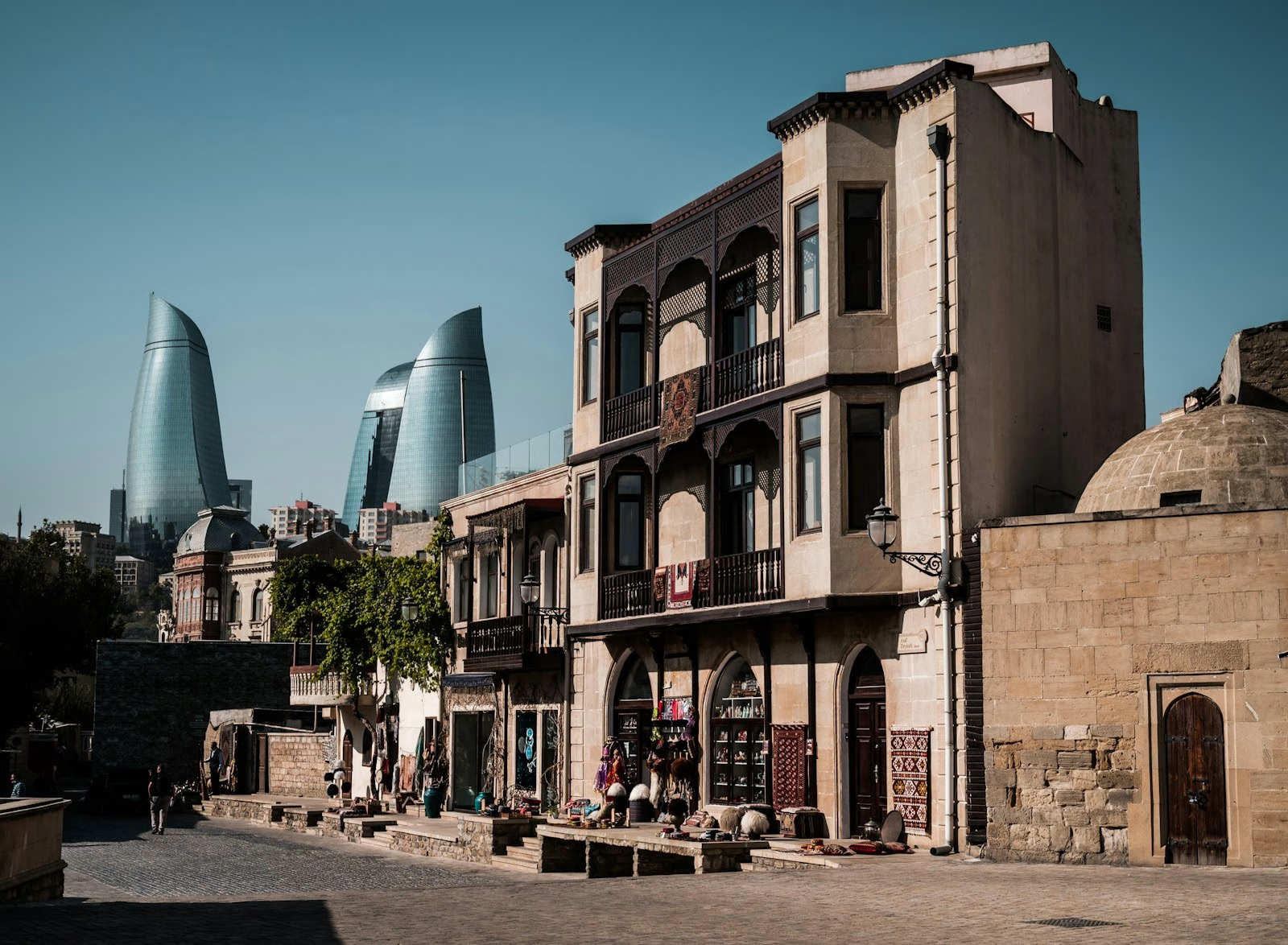
Azerbaijan, a little history, a little fire and plenty of surprises
“You should come again during the summer days. The sun casts its light on the stained-glass windows, and you’ll see these amazing colourful reflections in the room,” says one of our guides during our visit to Şəki Xan Sarayı (Palace of Shaki Khans) in Shaki, Azerbaijan.
I believe him. Because even under the rather grey skies that greeted us that day, the palace interiors were already so, so spectacular. I could easily have spent hours admiring this former summer residence of the khans, built between 1761 and 1762 under Hussein Khan Mushtaq. If this is what it looks like without the sunshine, I can only imagine what a summer afternoon would do to it.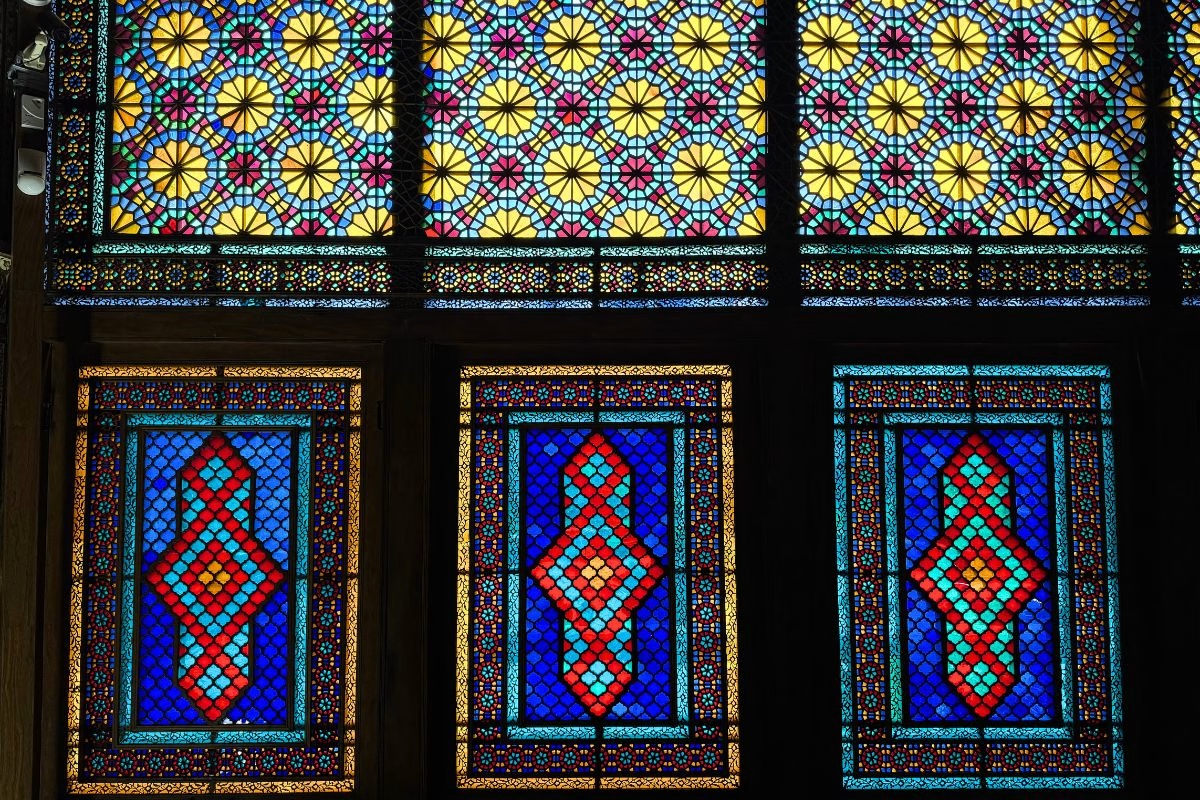
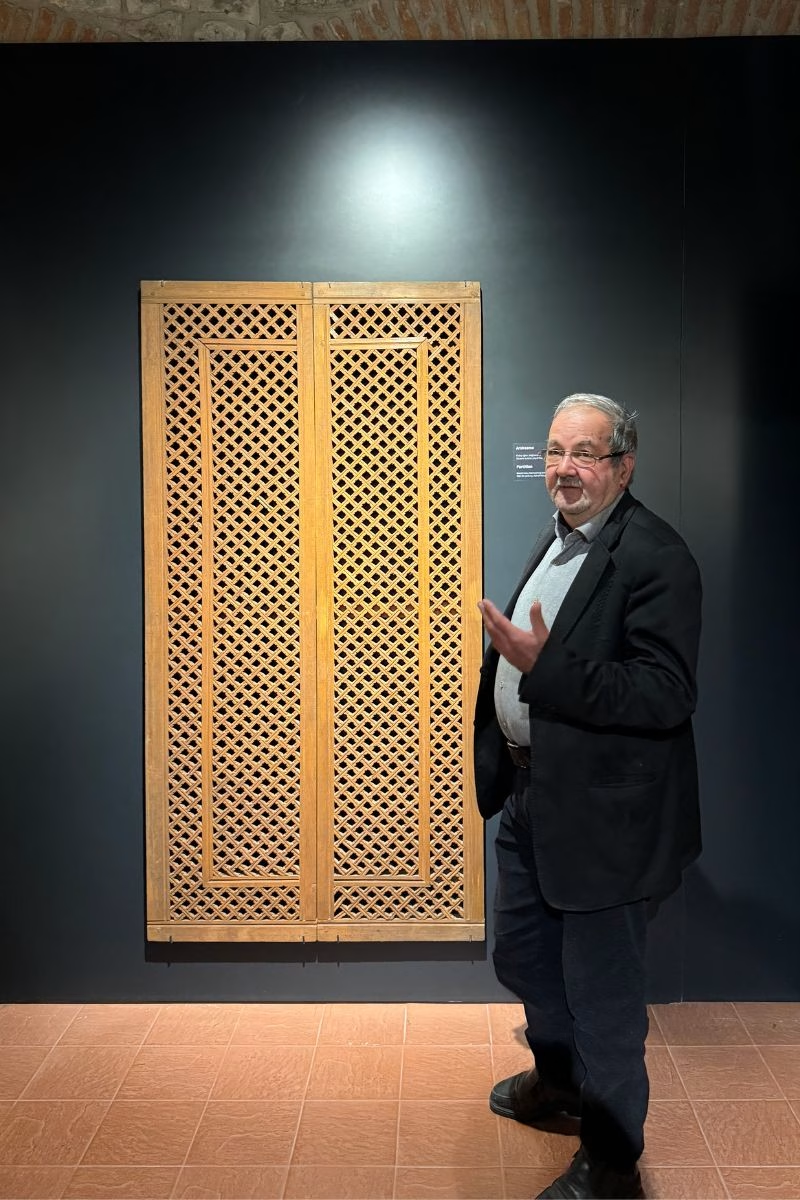
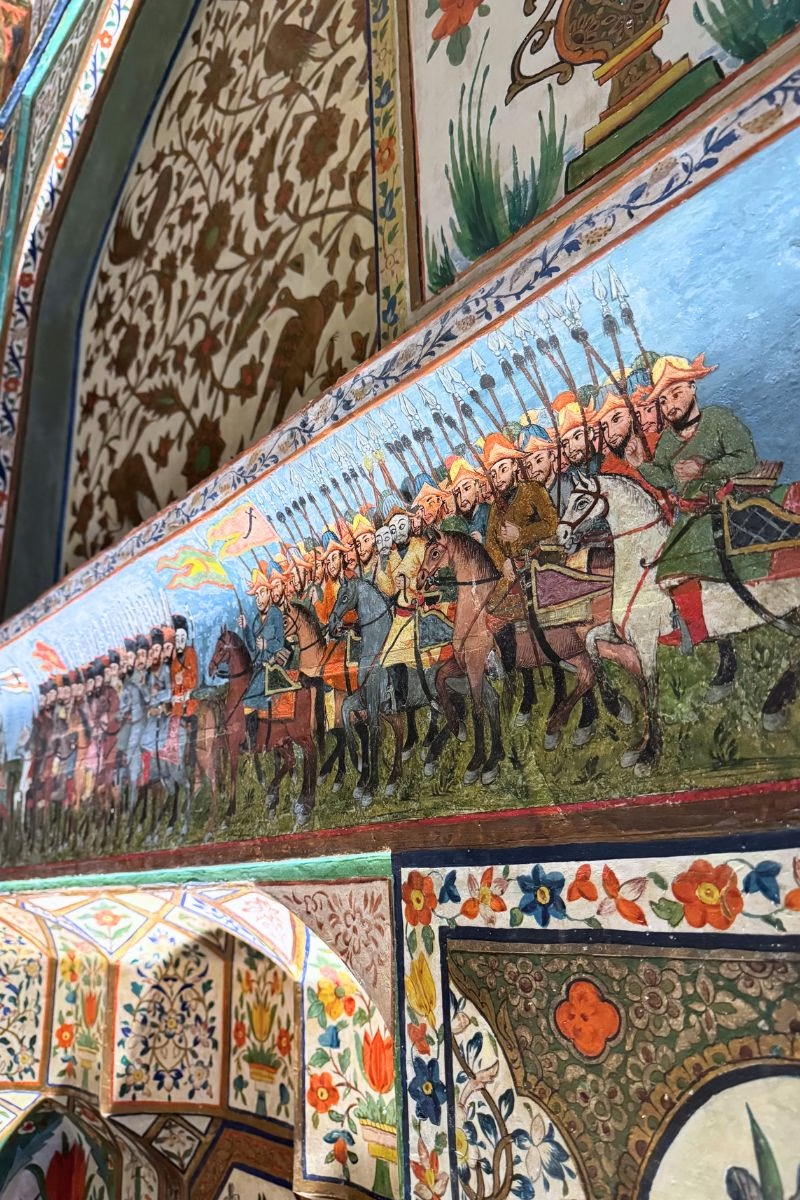
The palace is an absolute feast for the eyes. Its walls are covered in intricate frescoes, many featuring floral patterns, while paintings in the first-floor halls depict hunting expeditions and battle scenes. But the real highlight here has to be the shebeke, an elaborate form of stained-glass latticework made from thousands of tiny glass pieces fitted together without glue or nails.
Visitors can even learn about this traditional technique through masterclasses conducted by local artisans. We were introduced to Tofiq Rasulov, a third-generation master shebeke craftsman whose family has been involved in preserving and restoring this remarkable art form. Judging by the precision involved, I suspect it requires considerably more patience than assembling a complicated piece of furniture, which, I must confess, has never been my strongest suit.
The palace’s lavish interiors are also a reflection of Shaki’s prosperous past. For centuries, the city was an important Silk Road trading hub, with silk production and the trading of silkworm cocoons bringing considerable wealth to the region. Clearly, the khans knew a thing or two about enjoying the finer things in life.
A little medieval charm in Kish
Less than 30 minutes from Shaki, we arrive at Kish, a charming village surrounded by mountain views, forested slopes and traditional stone houses. Its cobbled streets and quiet neighbourhoods have a wonderfully medieval atmosphere. If you enjoy period dramas as much as I do, then I think this village is right up your alley.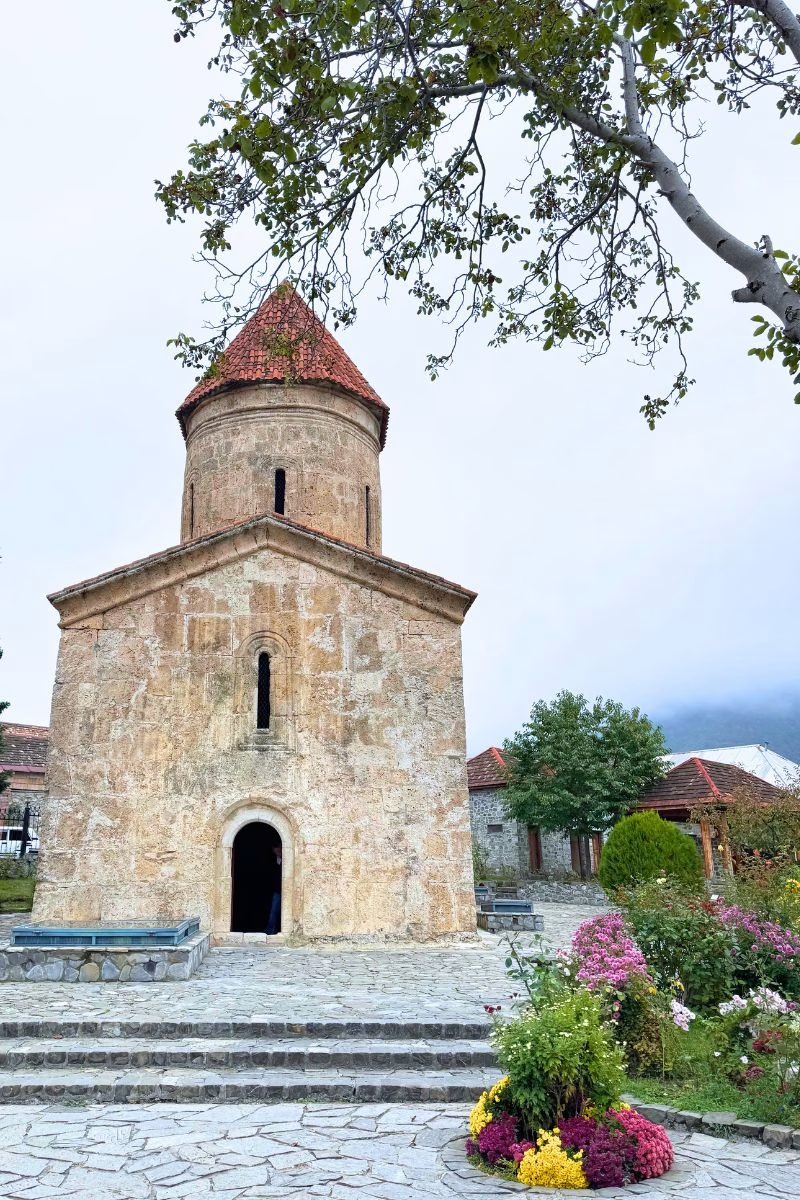
Its most significant attraction is Kish Temple, considered one of the oldest Christian churches in the Caucasus. While the present building is associated with the early spread of Christianity in the region, archaeological discoveries suggest that the site had religious significance as far back as 3,000 BC. Today, the church functions as a museum dedicated to Caucasian Albania, displaying archaeological discoveries like the Bronze Age ceramics and Christian relics.
Then, it gets even more interesting
If you think Azerbaijan is all about beautiful palaces and historic architecture, wait until you see its rather unusual landscapes, and I use unusual quite deliberately.
Take Gobustan Rock Art Cultural Landscape, for example. A UNESCO World Heritage Site, this vast archaeological landscape is home to thousands of prehistoric rock engravings (petroglyphs), some dating back as far as 40,000 years. Look closely and you will spot animals, hunting scenes, and even pregnant women carved into the stone. These are more than ancient drawings. Together, they offer a glimpse into how early communities lived, hunted and interacted with their surroundings. It is quite extraordinary to think that these rocks have been telling stories for thousands of years, and we are still here trying to decipher them.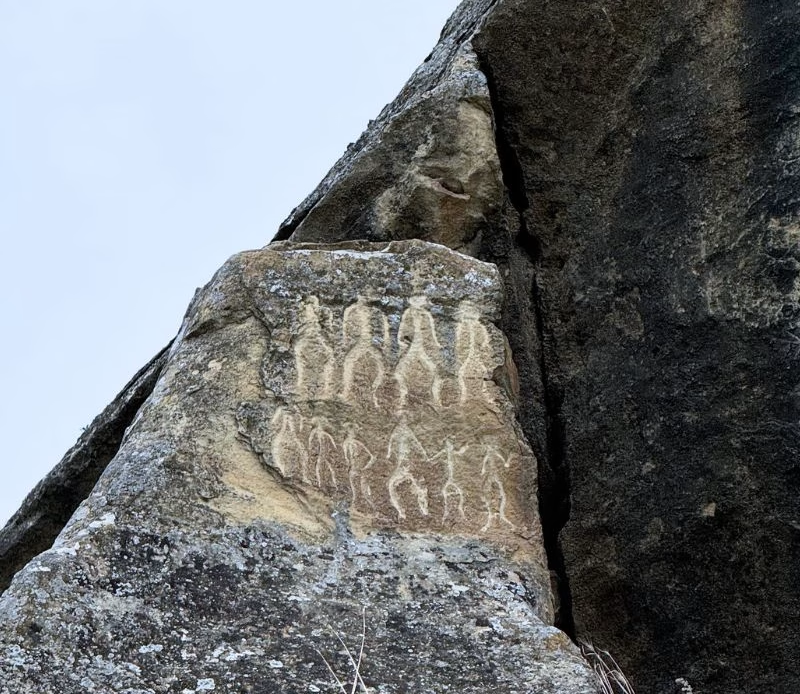
Over on the Absheron Peninsula, Ateshgah, or the Fire Temple, takes you into Azerbaijan’s fascinating relationship with fire. The site is associated with both Zoroastrianism and Hinduism, two faiths in which fire holds religious significance. The surviving complex dates mainly from the 17th and 18th centuries, when it became an important place of worship for Hindu communities, particularly merchants travelling through the region. Its courtyard is surrounded by small chambers where pilgrims and visitors once stayed, while inscriptions in several languages reflect the different communities that passed through. The temple was built around a natural gas source, which once kept its central flame burning. That flame is now artificially supplied, but the history of the site is still fascinating.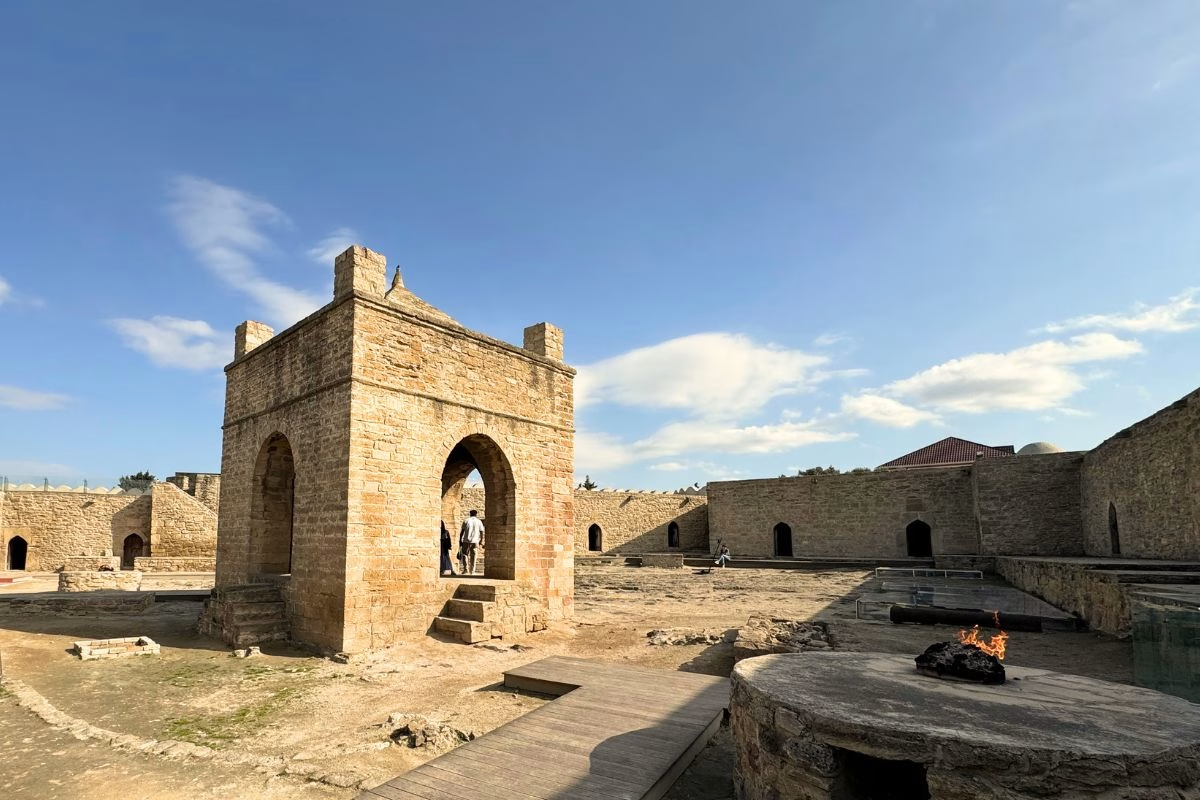
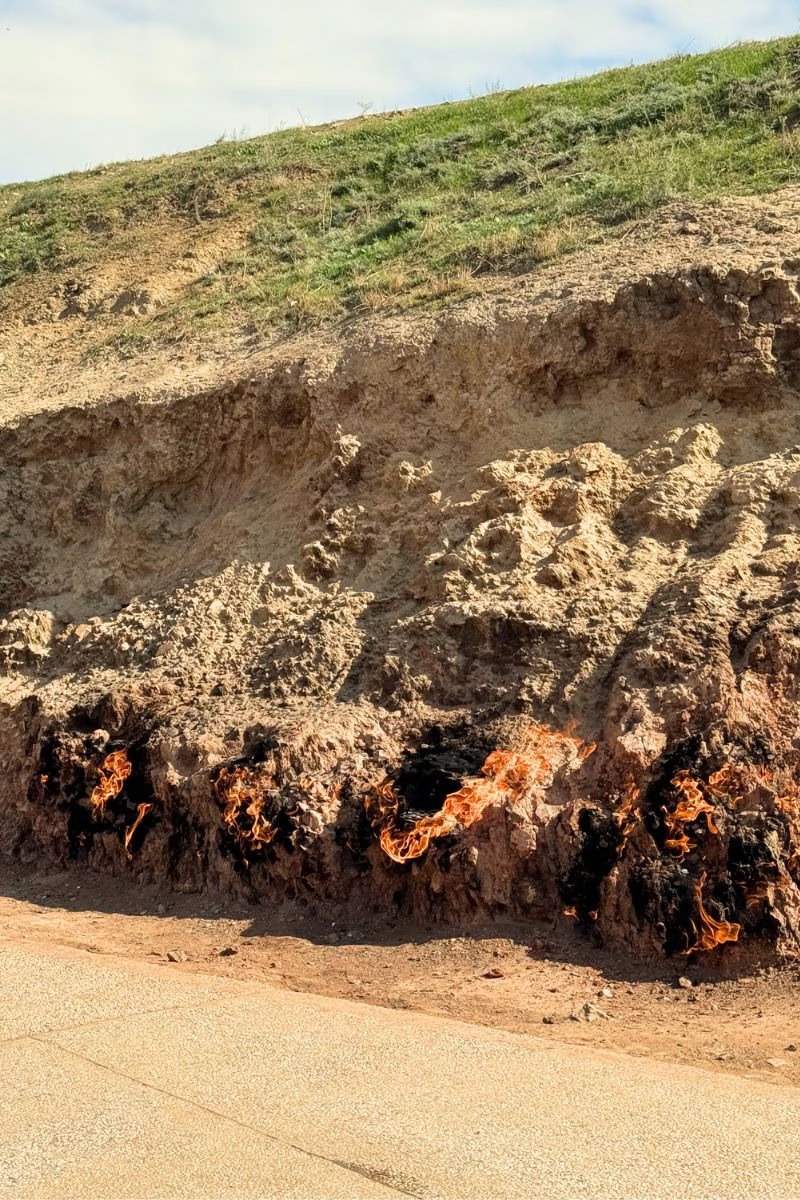
And then there is Yanardag, literally translated as Burning Mountain. Here, natural gas seeps through the sandstone hillside, producing flames that burn directly from the earth. There is no elaborate installation or clever staging involved. Just fire rising from the ground, sometimes stretching along several metres of the slope. Now I understand why Azerbaijan used to be known as the Land of Fire.
Baku, a city with many personalities
Leaving Gobustan behind, we head towards Baku, a capital city that I find rather difficult to put into a box. There are grand European-style buildings, ornate Islamic architecture, Soviet-era structures and contemporary landmarks that look as though they have arrived from another planet. Somehow, they all coexist rather beautifully.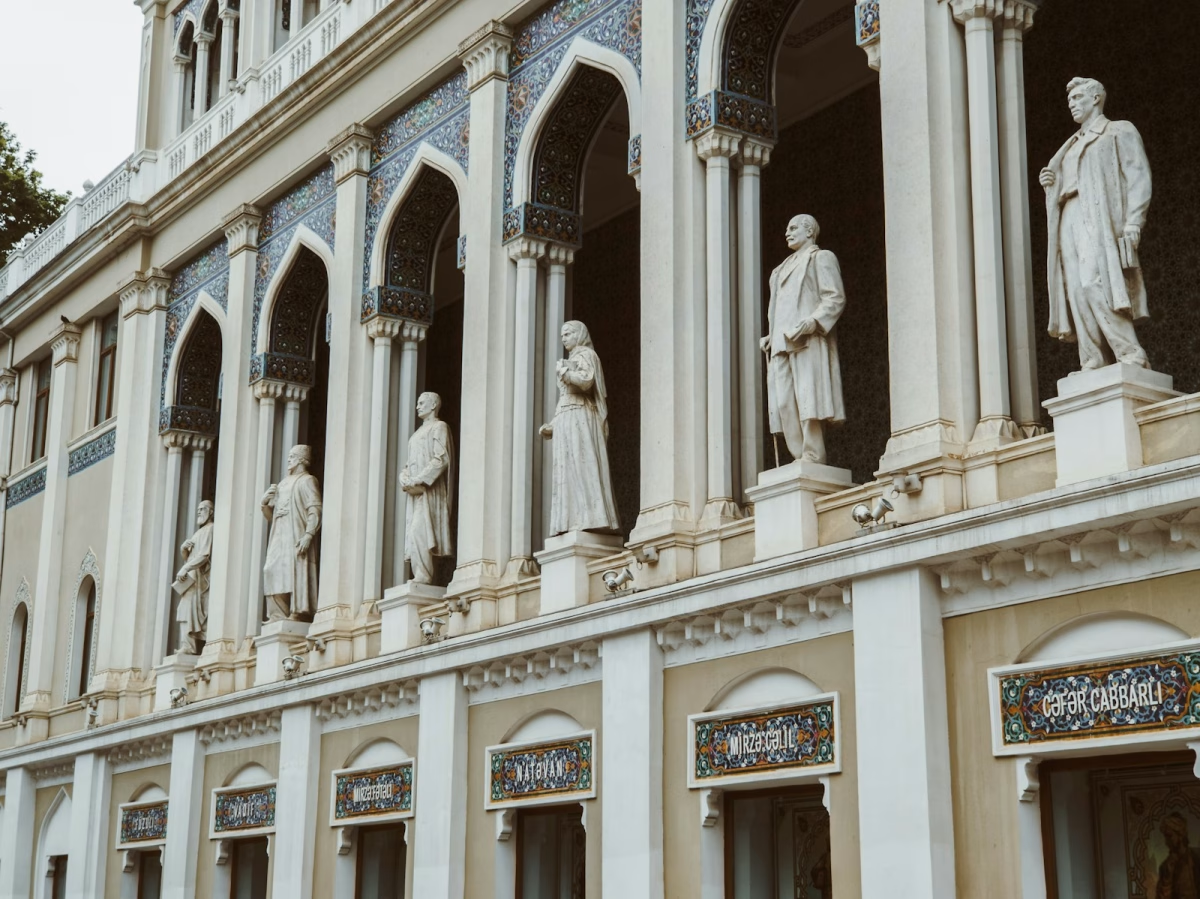
But there is also something else I particularly enjoy about Baku: its poetic side.
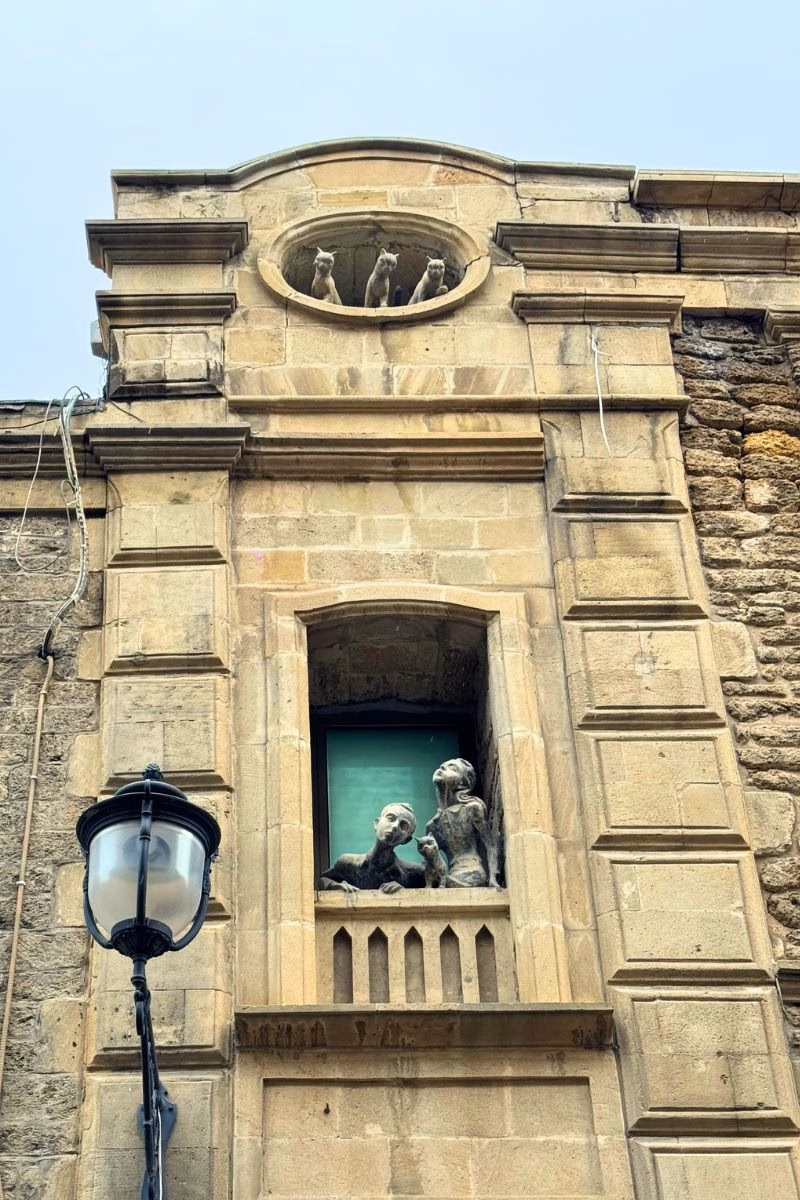
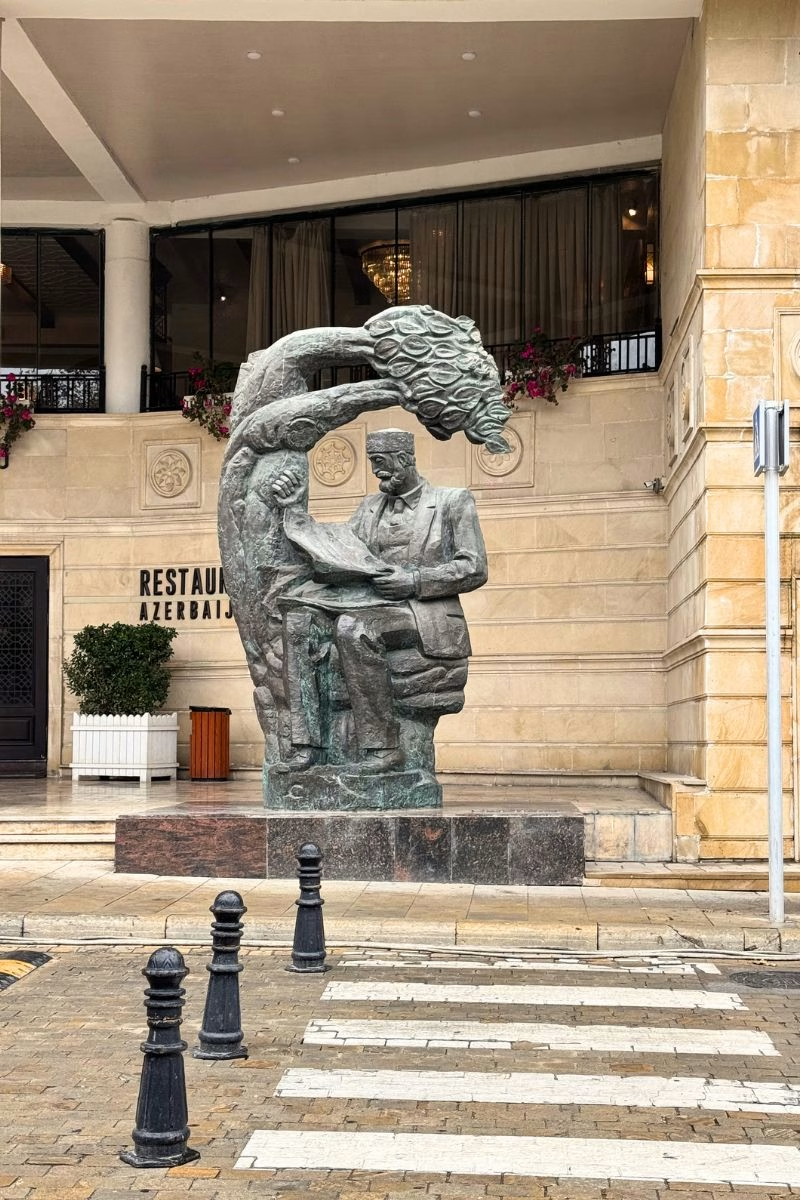
As I wandered around the city, I began noticing the many sculptures, monuments and installations dedicated to poets and writers. Literature holds an important place in Azerbaijani cultural identity, and this appreciation is reflected throughout the capital. There are also plenty of bookstores around, which, as a traveller who enjoys stumbling upon little discoveries, makes me particularly happy. A city with bookstores is always worth an extra look, in my opinion.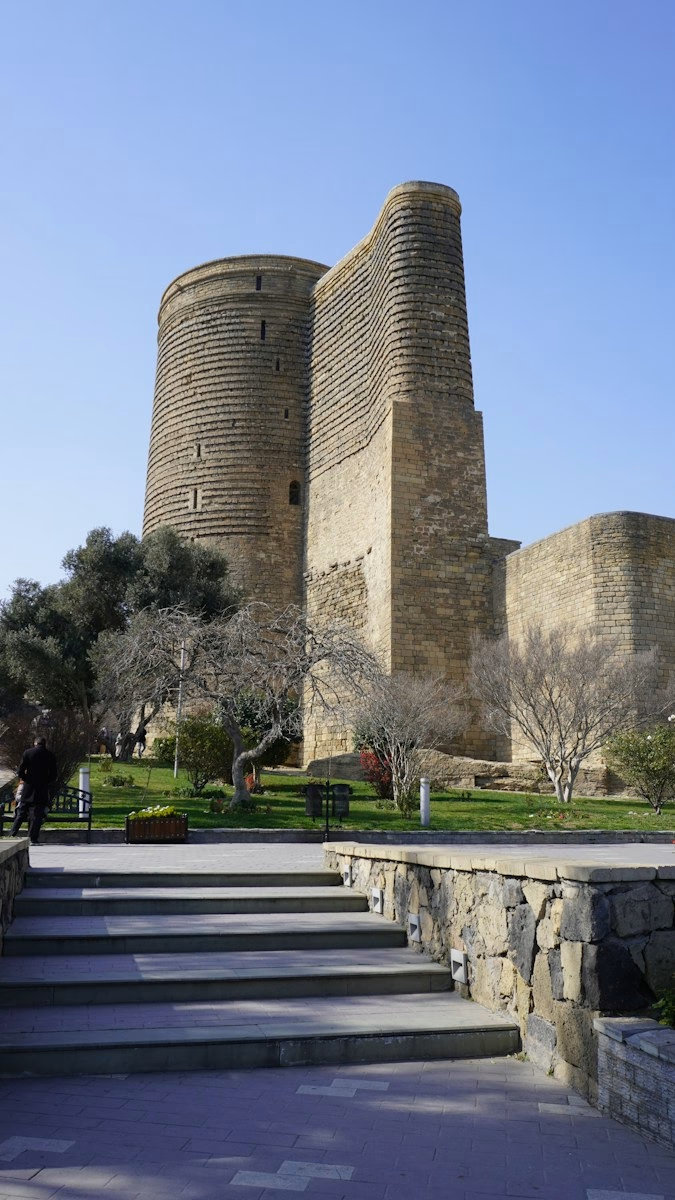
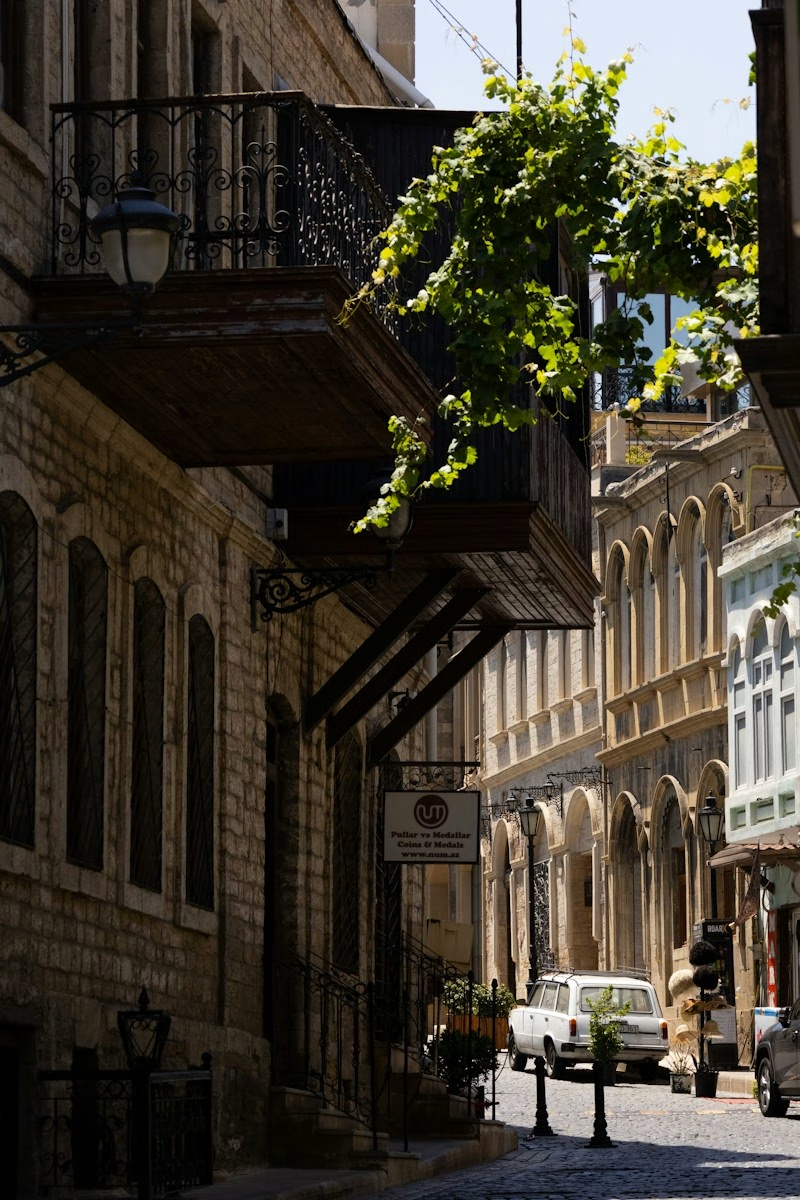
Of course, no visit to Baku is complete without exploring Icheri Sheher, the historic Old City. Enclosed by imposing double walls, its cobbled lanes are home to centuries-old buildings, mosques, caravanserais and some of the country’s most recognisable landmarks.
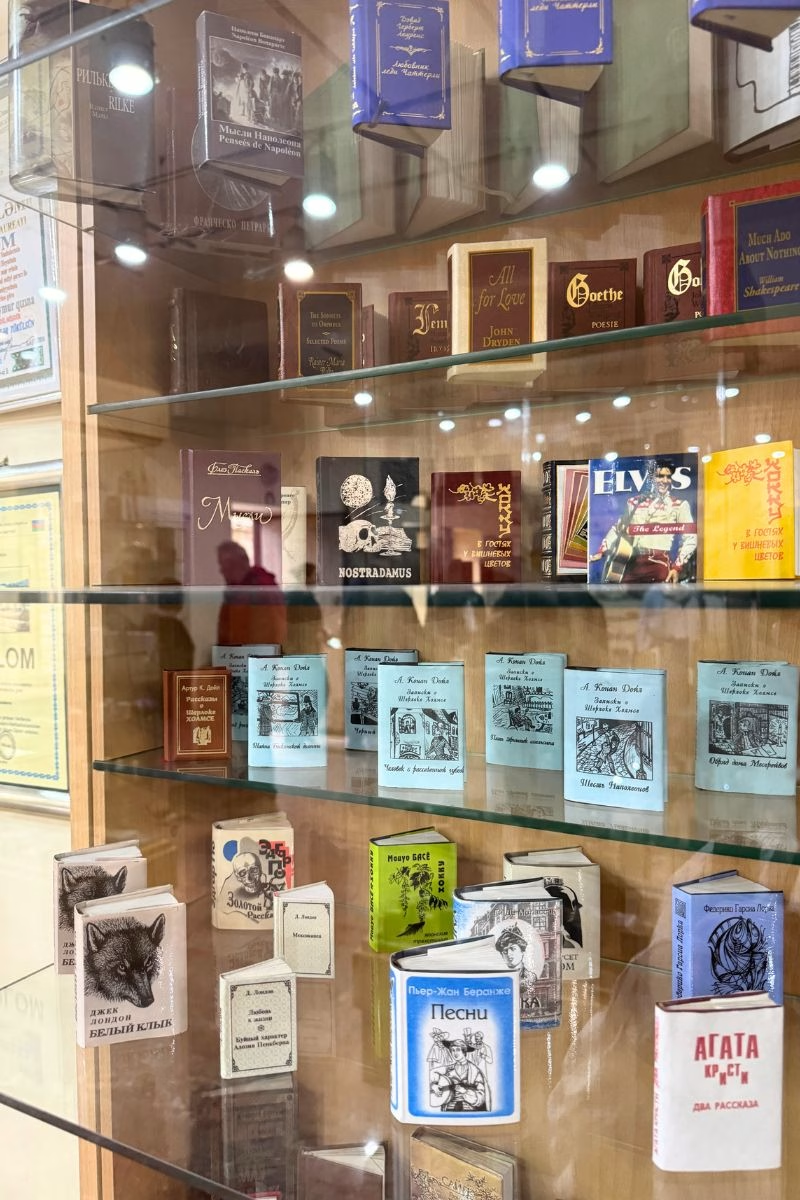
The Maiden Tower and Palace of the Shirvanshahs are the obvious highlights, while the historic Bukhara and Multan caravanserais offer a glimpse into Baku’s former trading connections with Central and South Asia. I also enjoyed discovering the Juma Mosque and the rather quirky Museum of Miniature Books. The latter houses an impressive collection of tiny publications from around the world, some so small that you might need to bring your best eyesight.
When architecture becomes an attraction of its own
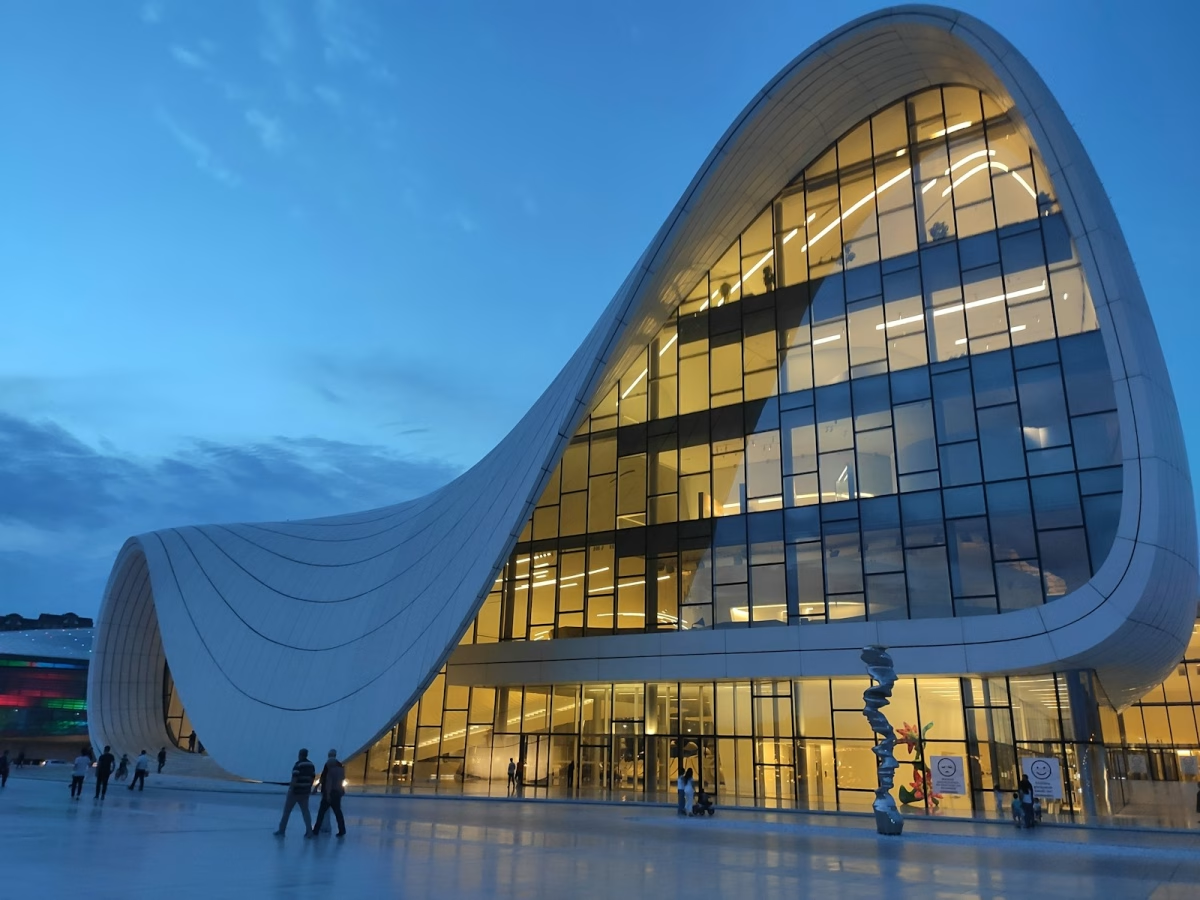
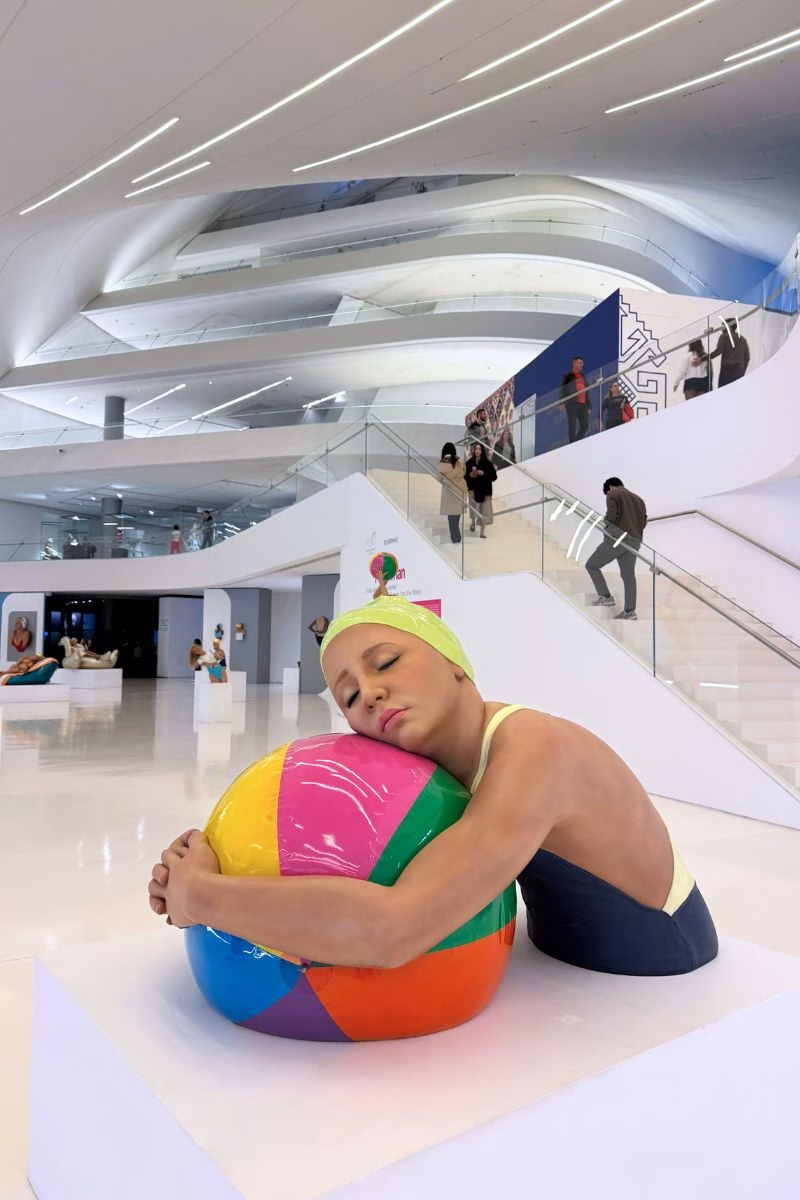
For a completely different architectural experience, visit the Heydar Aliyev Centre, designed by the late Iraqi-British architect Zaha Hadid. Its sweeping white curves and fluid exterior are a striking departure from the more rigid Soviet-era architecture found elsewhere in the city. The building even won the Design Museum’s Design of the Year award in 2014.
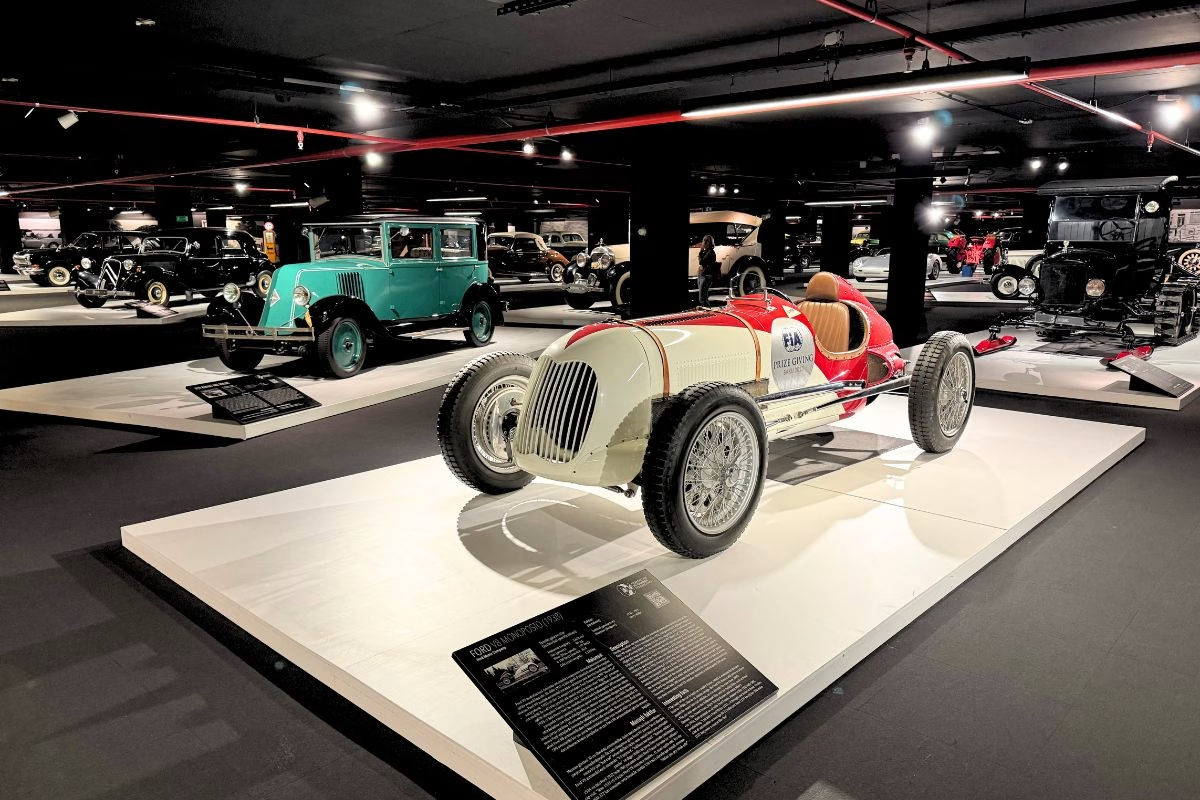
However, do not just take your photographs outside and call it a day. Inside, there is more to explore than just its rather photogenic architecture. The exhibitions include a collection dedicated to former president Heydar Aliyev, miniature replicas of Azerbaijan’s landmarks and an impressive display of rare classic cars. The centre has also hosted exhibitions featuring internationally acclaimed artists such as Andy Warhol and George Condo.
A museum with a woven story
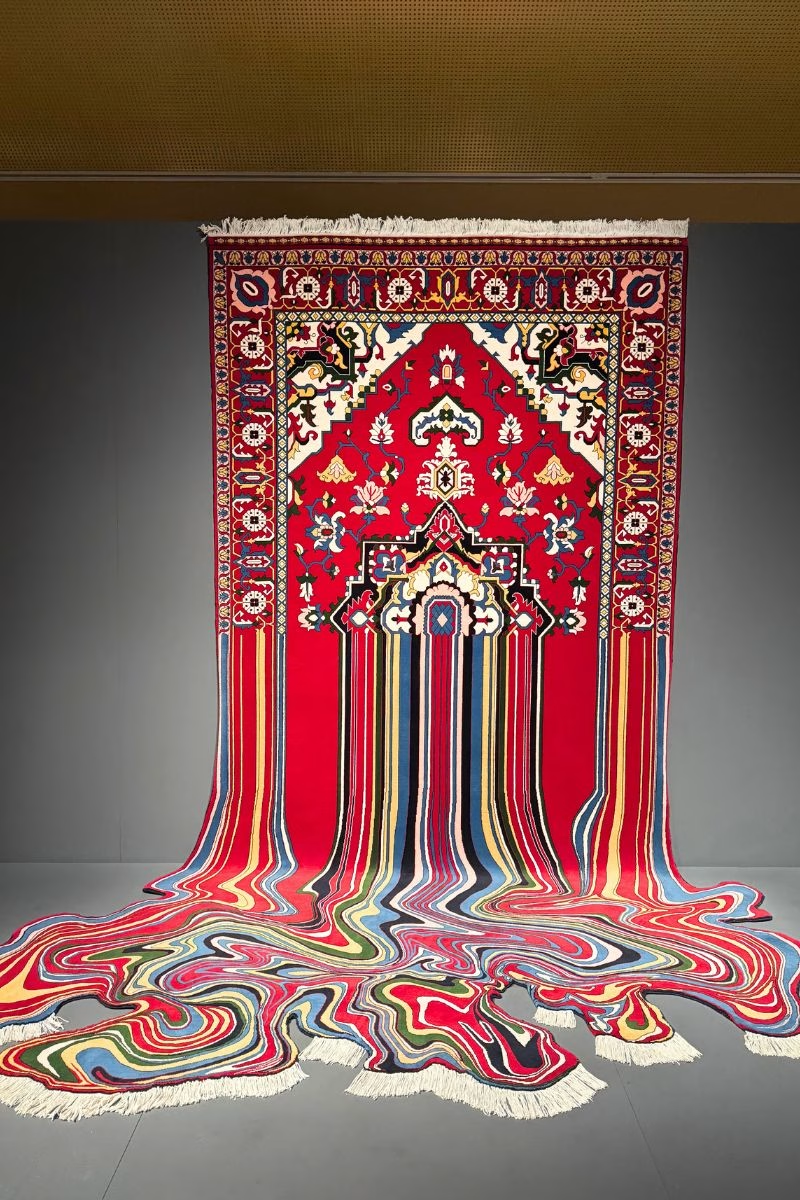
Along Baku Boulevard, you will come across a rather unusual building shaped like a rolled-up carpet. No prizes for guessing what it houses.
The Azerbaijan National Carpet Museum is dedicated entirely to the country’s carpet-weaving heritage and is recognised as the world’s first museum of its kind. Established in 1967, it moved into its distinctive waterfront building in 2014. Inside, the collection showcases carpets from different regions, each with its own patterns, colours and weaving traditions. The Tabriz school, for example, is particularly known for its intricate medallions, floral motifs and detailed pictorial designs.
Interestingly, Azerbaijani carpets have also appeared in European paintings throughout history, reflecting their popularity and influence beyond the region.
A little shopping along Nizami Street
When you need a break from museums and historical landmarks, Nizami Street is the place to be. This lively shopping avenue is lined with fashion boutiques, cafés, bakeries and restaurants. I would particularly recommend looking out for the local perfume boutiques. If you enjoy niche fragrances, this is a good opportunity to discover Azerbaijani scents and perhaps bring home something a little more distinctive than the usual souvenir.
Baku from a different perspective
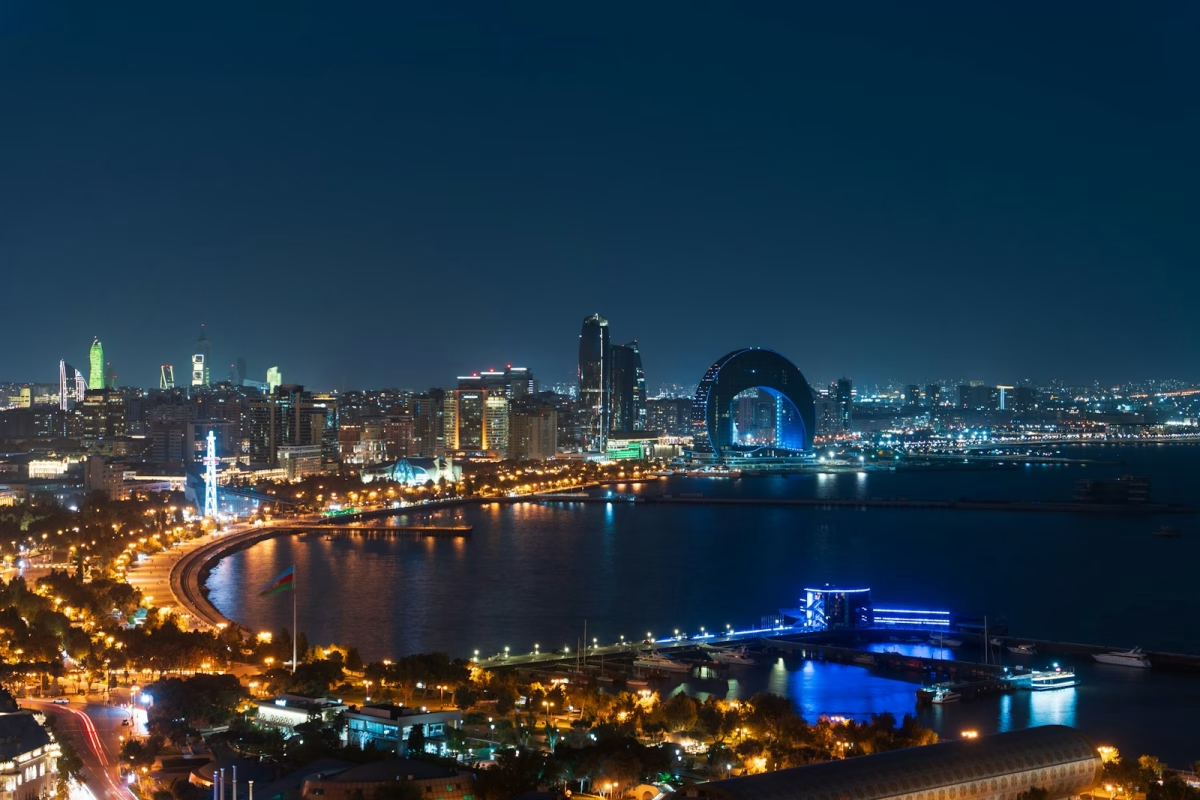
For a different perspective of the capital, head to Highland Park. The panoramic views stretch across Baku and the Caspian Sea, with the iconic Flame Towers dominating the skyline. I would recommend visiting towards sunset and staying until the city lights come on. It is a rather lovely way to end the day.
A few things to know before you visit Azerbaijan
1. Malaysian passport holders are required to apply for an ASAN e-Visa online. Always verify the latest requirements before departure.
2. September and October are lovely months, with milder weather for exploring Baku and the surrounding regions. Pack layers if Shaki or the mountains are on your itinerary.
3. The local currency is the Azerbaijani manat (AZN). Bring US dollars or euros to exchange locally, or withdraw cash from established bank ATMs. Cards are widely accepted in central Baku, although cash is useful at smaller establishments and bazaars.
4. Baku’s metro is affordable and convenient. Ride-hailing apps such as Bolt are also useful for getting around.
5. Planning a road trip? Download offline maps before heading to remote attractions such as the mud volcanoes, where internet connectivity can be unreliable.
6. Baku is famously windy, so bring moisturiser, sunscreen and a light jacket. Your skin will appreciate the extra attention.
7. Tipping is not compulsory, while polite bargaining is generally welcomed at local bazaars.

American superrealist sculptor Carole Feuerman’s solo exhibition “Reborn Into the Water” is on view at the Heydar Aliyev Center in Baku, Azerbaijan, and scheduled to run through January 24, 2027. The intricate wall painting at Palace of Shaki Khans. Yanardag. One of the many sculptures in Baku. Museum of Miniature Books. One of the many sculptures in Baku. 
Vintage cars exhibition at the Heydar Aliyev Centre.
So, would I go back?
Absolutely. And I would quite happily start with Shaki again, preferably on one of those sunny summer days our guide spoke so fondly about.
Azerbaijan has a wonderful way of bringing together seemingly different worlds. Its Silk Road heritage, centuries-old craftsmanship, ancient religious sites and contemporary architecture make for a destination that is difficult to pin down to just one experience. And more importantly, the country does not seem to have left its traditions behind in the pursuit of modernity. They remain very much part of everyday life, whether through its architecture, food, music, poetry or the artisans who continue to preserve age-old skills.
So, if you have been considering a trip to the Caucasus, perhaps it is time to give Azerbaijan a closer look. Just remember to leave a little room in your itinerary to just slow down and soak everything in.
Gaya Travel Magazine would like to extend its heartfelt gratitude to the Pacific Asia Travel Association (PATA) and Azerbaijan Tourism Board for the opportunity to discover Azerbaijan and experience its many fascinating attractions. For more information and travel inspiration to Azerbaijan, visit azerbaijan.travel.
About The Author


Officially a Deputy Editor with over 10 years in travel media. Unofficially? A professional suitcase overpacker with a knack for turning chance encounters and itineraries into vivid, story-driven features. When not fine-tuning articles, she's likely front row at a concert, taste-testing something spicy, or deep in a conversation that veered wonderfully off-topic.



Leave a Reply