
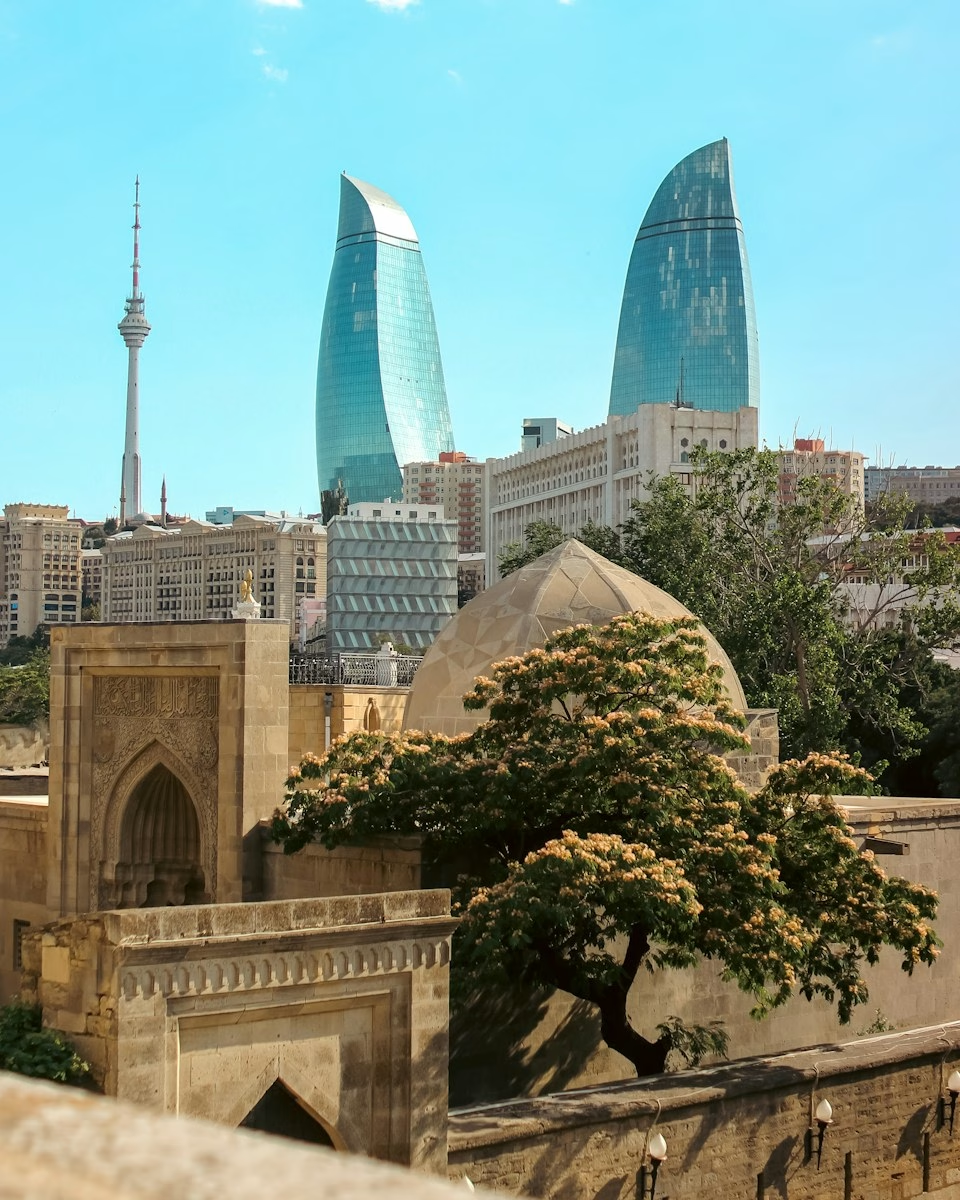
Unearthing Azerbaijan Beyond Baku’s Formula One Circuit
For many, Baku is synonymous with Formula One. Each year, the Azerbaijan Grand Prix brings the world’s fastest drivers onto the streets of the capital, with its tight corners, long straights and the unmistakable backdrop of the city’s historic skyline. But once the engines fall silent and the crowds disperse, there is a whole other side of Azerbaijan that deserves a closer look.
A few hours’ drive to the countryside, the landscape begins to change. The modern surroundings give way to forests, greener valleys and mountains, with little villages appearing along the way. It is a side of Azerbaijan that not every first-time visitor gets to see, yet it is precisely where Mr. Florian Sengstschmid, Chief Executive Officer of the Azerbaijan Tourism Board, would encourage travellers to spend some time.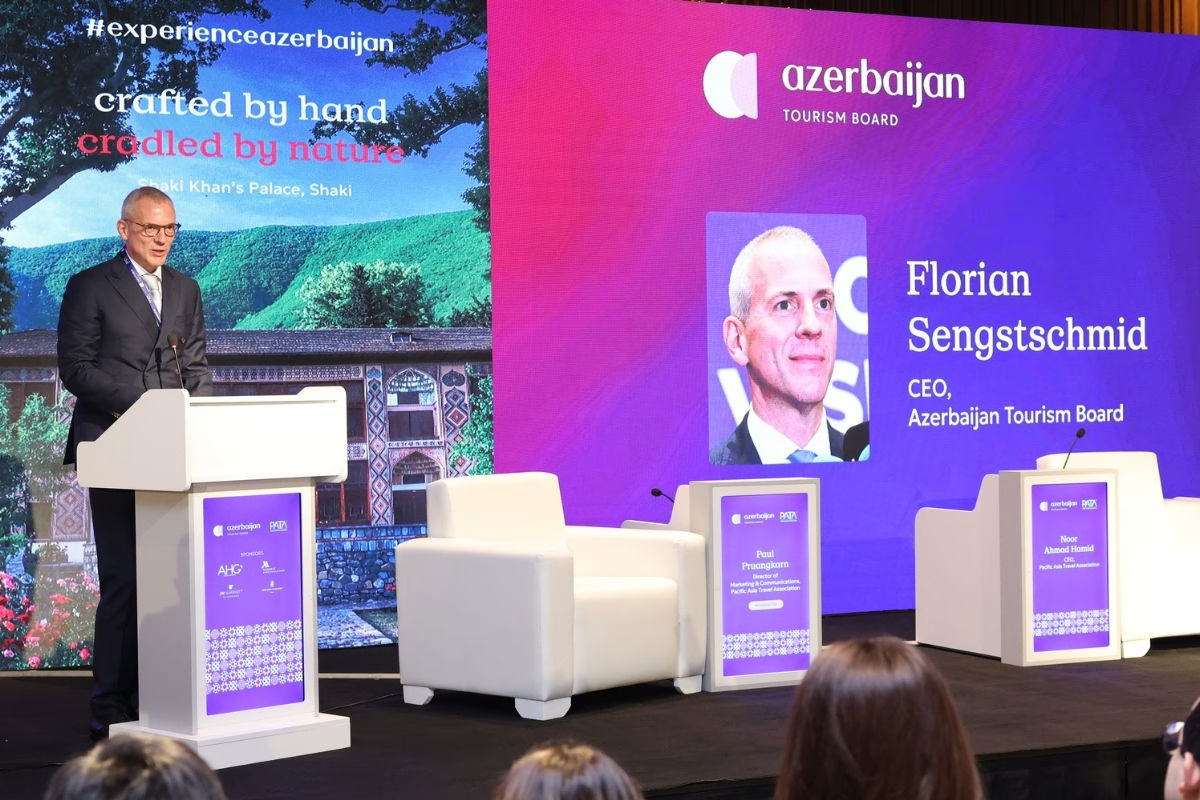
For him, Azerbaijan’s appeal goes beyond its geographical position between Europe and Asia. Its history has brought together an interesting mix of cultures and religions, including Zoroastrianism, Hindu influences, Jewish communities, and Islam. The result is a country with a rather layered identity, something that becomes apparent as soon as one arrives in the country.
Baku, of course, is a good place to begin. Its architectural character owes much to the oil boom, when European influences found their way into the city. Yet, Azerbaijan offers its own interpretation, with a cultural character that is distinctly its own. For Southeast Asian travellers, it also offers an appealing alternative to Europe, with the potential to enjoy a similarly rich cultural experience without the higher costs associated with many European cities.
A little further down the road
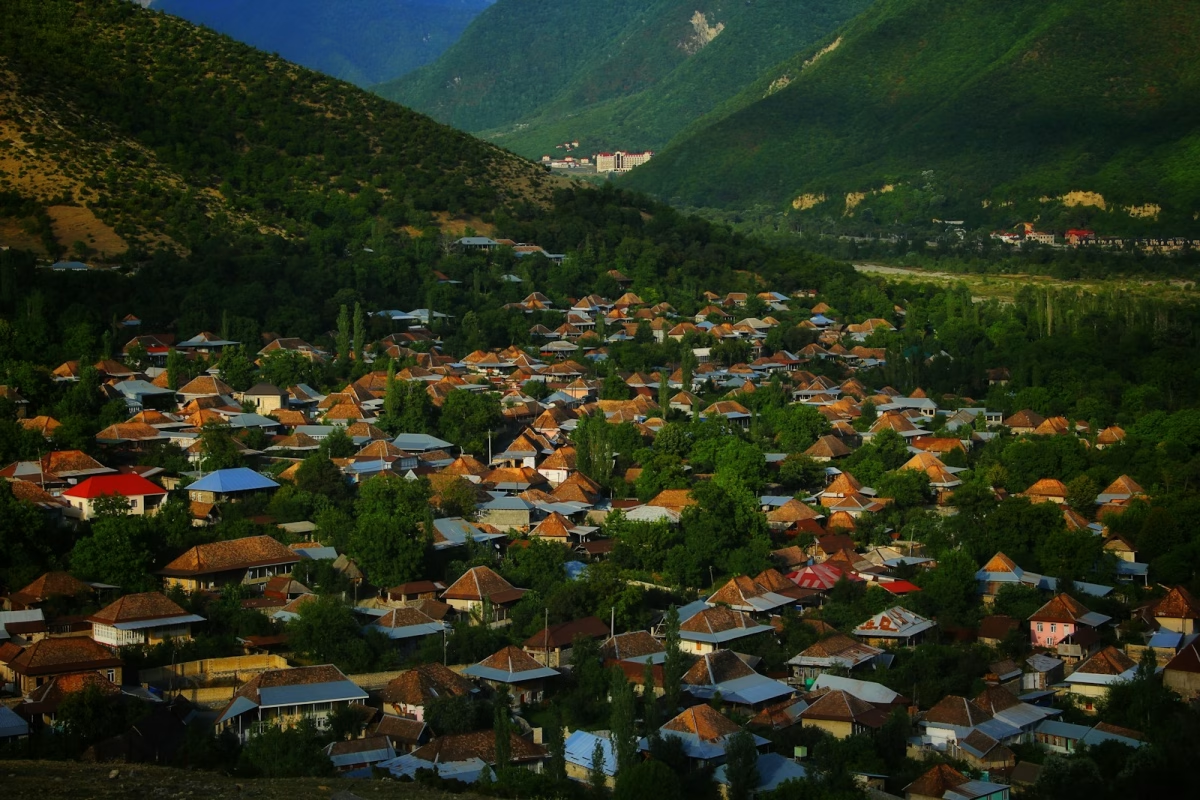
When asked where he would send visitors after Baku, Mr. Florian Sengstschmid does not hesitate to recommend the northwest. The journey is particularly rewarding for its changing scenery, but there is more to the region than mountain views and opportunities for pretty photographs.
Take Basgal, for example. Not too long ago, this village was struggling to keep its community together. By 2018, it had been largely deserted as residents moved elsewhere in search of better prospects. Today, around 200 families have returned, rebuilding their homes and setting up small businesses. There are now teahouses, little shops and opportunities for women to practise traditional silk printing. It is a lovely example of what can happen when tourism brings more than passing visitors into a village. It creates opportunities for people to earn a living without having to leave the place they call home.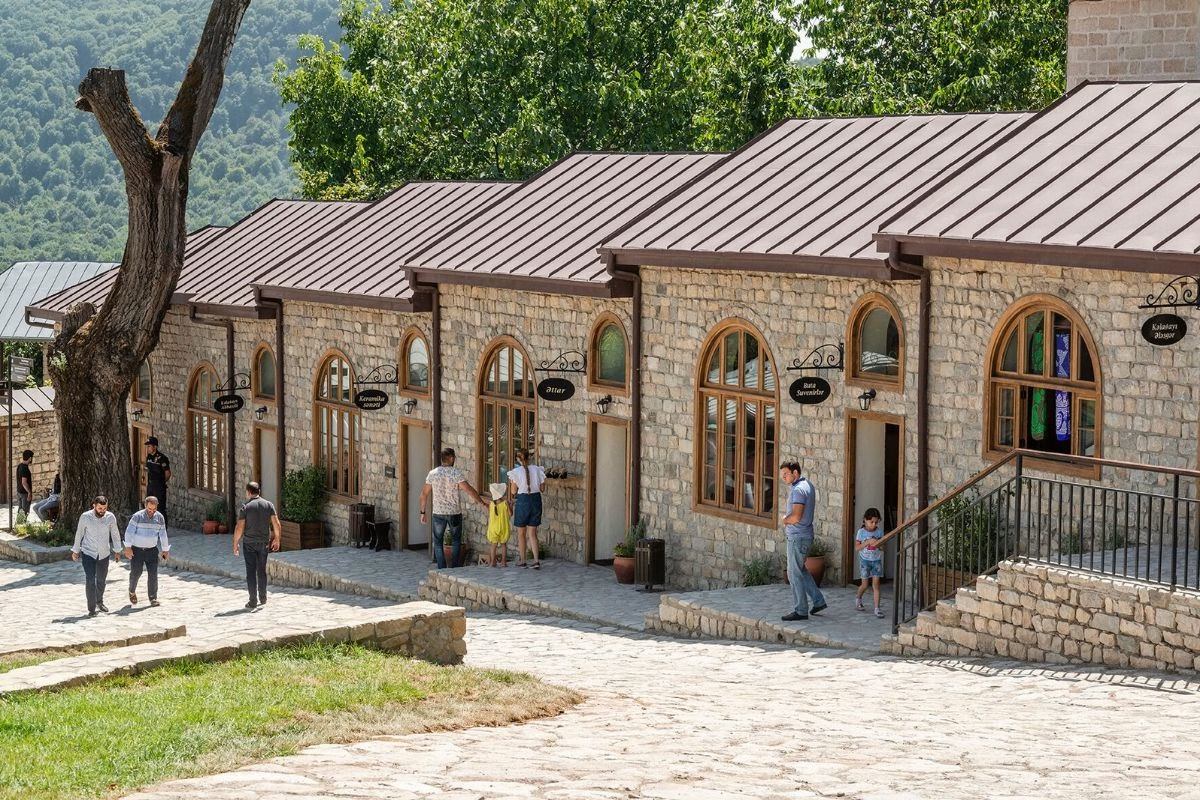
Then there is Khinalig, one of Azerbaijan’s highest mountain villages. Its residents have held on to their own language, architecture, and customs for generations, giving visitors a glimpse into a way of life that has not been hurried along by modern development. One particularly fascinating aspect of the community is its connection to the Köç Yolu, a 200-kilometre seasonal migration route used by semi-nomadic communities and their livestock. Twice a year, shepherds move their sheep between the mountain pastures and warmer lowlands, following a route that has been part of their lives for centuries. This centuries-old tradition, together with the village and its surrounding cultural landscape, earned UNESCO World Heritage status in 2023.
Mr. Florian Sengstschmid says bringing these remote communities into the tourism landscape is an important part of the country’s development plans. The idea is to create opportunities for local people while ensuring their traditions have a place in the future.
Going at your own pace
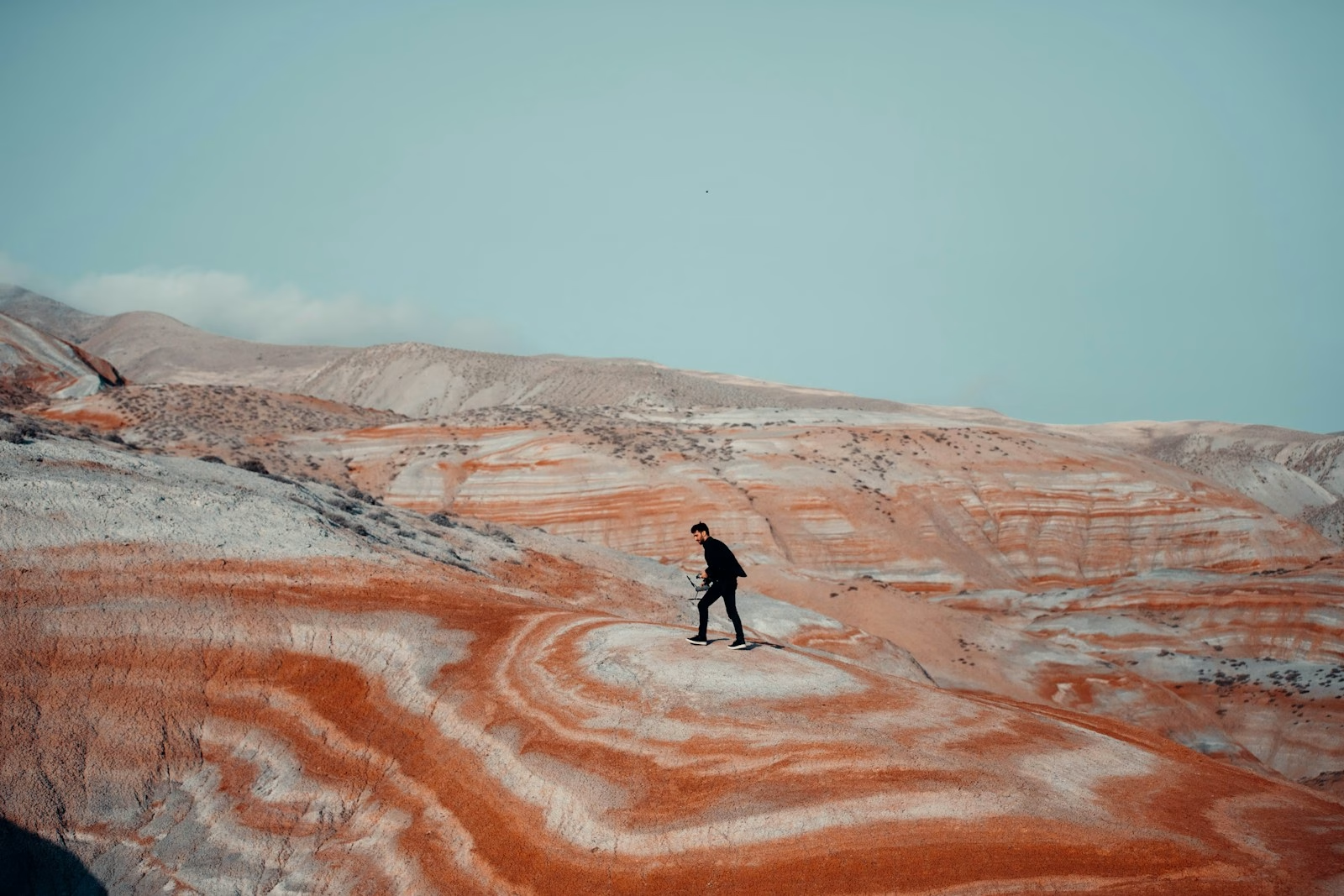
For travellers who prefer to organise their own holidays, Azerbaijan is worth considering. Mr. Florian Sengstschmid describes it as a safe and hospitable destination, where locals are generally more than willing to lend a hand. Sometimes, he says, people will even walk with visitors for 10 or 15 minutes just to make sure they find their way.
That is reassuring news for solo travellers, particularly women who may be wondering what it is like to explore outside a capital city. Hiring a car or arranging a driver-guide is also relatively straightforward, making it easier to reach villages and more remote parts of the country.
Of course, those venturing into mountainous areas would benefit from some planning, particularly when it comes to transport and local arrangements. But visitors do not necessarily need to be part of a large tour group to experience the country.
As Mr. Florian Sengstschmid puts it, Azerbaijan appeals to people who are curious about new places and enjoy finding their own way around, rather than simply sitting back and consuming a sightseeing itinerary.
A familiar welcome for Muslim travellers
For Malaysians, there is another reason to feel comfortable exploring Azerbaijan. Around 80 per cent of its population is Muslim, and the country has halal dining options, prayer facilities, and other amenities to accommodate Muslim visitors.
Azerbaijan is constitutionally secular, with a diverse religious heritage, but its Islamic roots are evident in places such as Bibi-Heybat Mosque in Baku and Juma Mosque in Shamakhi. Visitors can explore these landmarks while learning more about the country’s religious and cultural history.
Connectivity from Asia is also on the tourism board’s radar. Azerbaijan Airlines currently serves Beijing, with direct flights to Shanghai expected to begin in May 2027 and Bangkok towards the end of 2027. Mr. Florian Sengstschmid also hints at positive discussions with other Asian carriers, although he is keeping the details under wraps for now.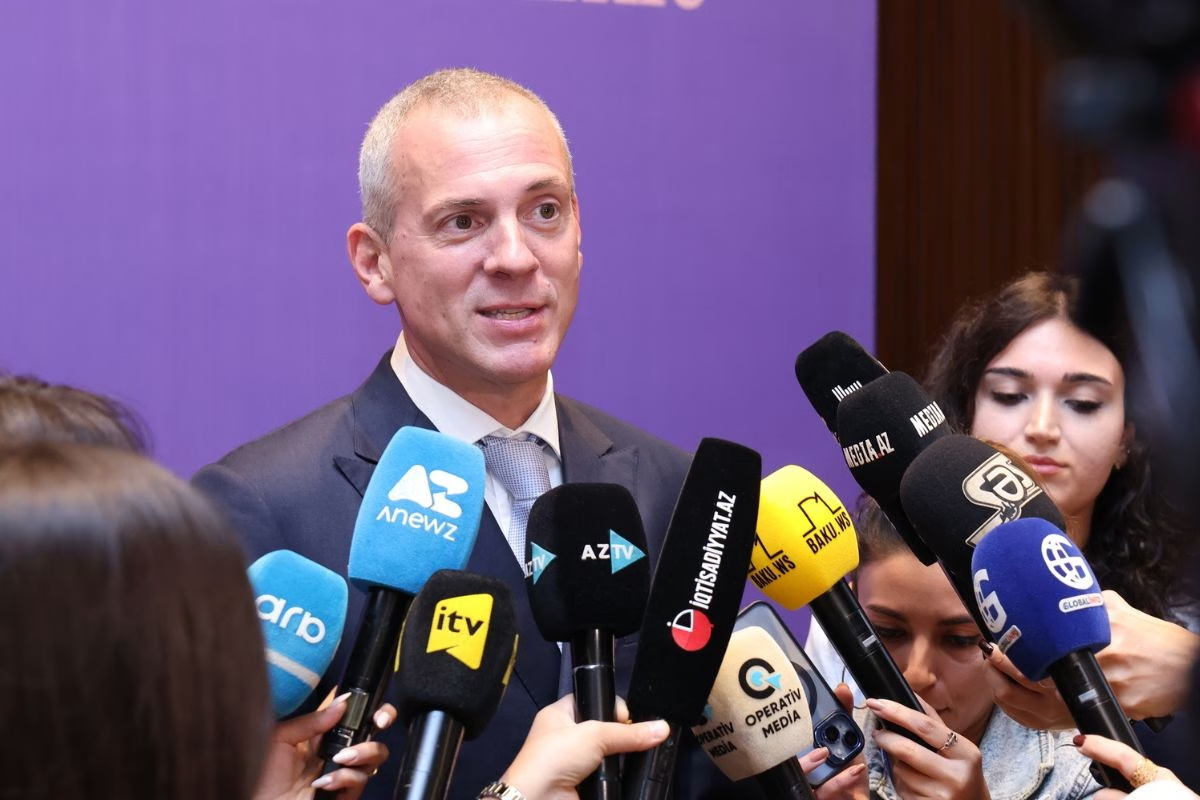
Malaysians currently need an electronic visa to visit Azerbaijan, but the process is relatively painless, with approval reportedly possible within three hours. There are also ongoing discussions between the Malaysian and Azerbaijani governments about lifting visa requirements. Mr. Florian Sengstschmid is optimistic, particularly following the addition of Japan and South Korea to Azerbaijan’s visa-free list recently.
Azerbaijan may have first caught your attention through the roar of Formula One cars racing through Baku, but there is much more to discover once you look beyond the circuit. From the capital’s cosmopolitan character to the mountain communities that continue to live by centuries-old traditions, the country offers plenty of reasons to extend the journey.
About The Author


Officially a Deputy Editor with over 10 years in travel media. Unofficially? A professional suitcase overpacker with a knack for turning chance encounters and itineraries into vivid, story-driven features. When not fine-tuning articles, she's likely front row at a concert, taste-testing something spicy, or deep in a conversation that veered wonderfully off-topic.




Leave a Reply