
A Single Lamp, 500 Steps and Centuries of Faith: Five Malaysian Temples To Discover This Deepavali
Before Bukit Rotan’s Sri Shakti temple became a landmark of carved granite, it was a small wooden shrine with a single oil lamp. In Penang, a hilltop sanctuary carries forward a tradition of worship that once gathered devotees beside a waterfall. In Melaka, a modest temple has anchored a community’s faith since 1781. From the Mother Goddess worshipped in Kuala Selangor to Lord Murugan on a Penang hillside, these five temples reveal different expressions of Hindu faith — and the communities that have sustained them.
This Deepavali, let your journey begin with a bus ticket booked through redBus, be the starting point for discovering these stories — of migration, belonging, gratitude and devotion.
1. Sri Shakti Devasthanam, Kuala Selangor
From a single oil lamp to a sanctuary of the Mother Goddess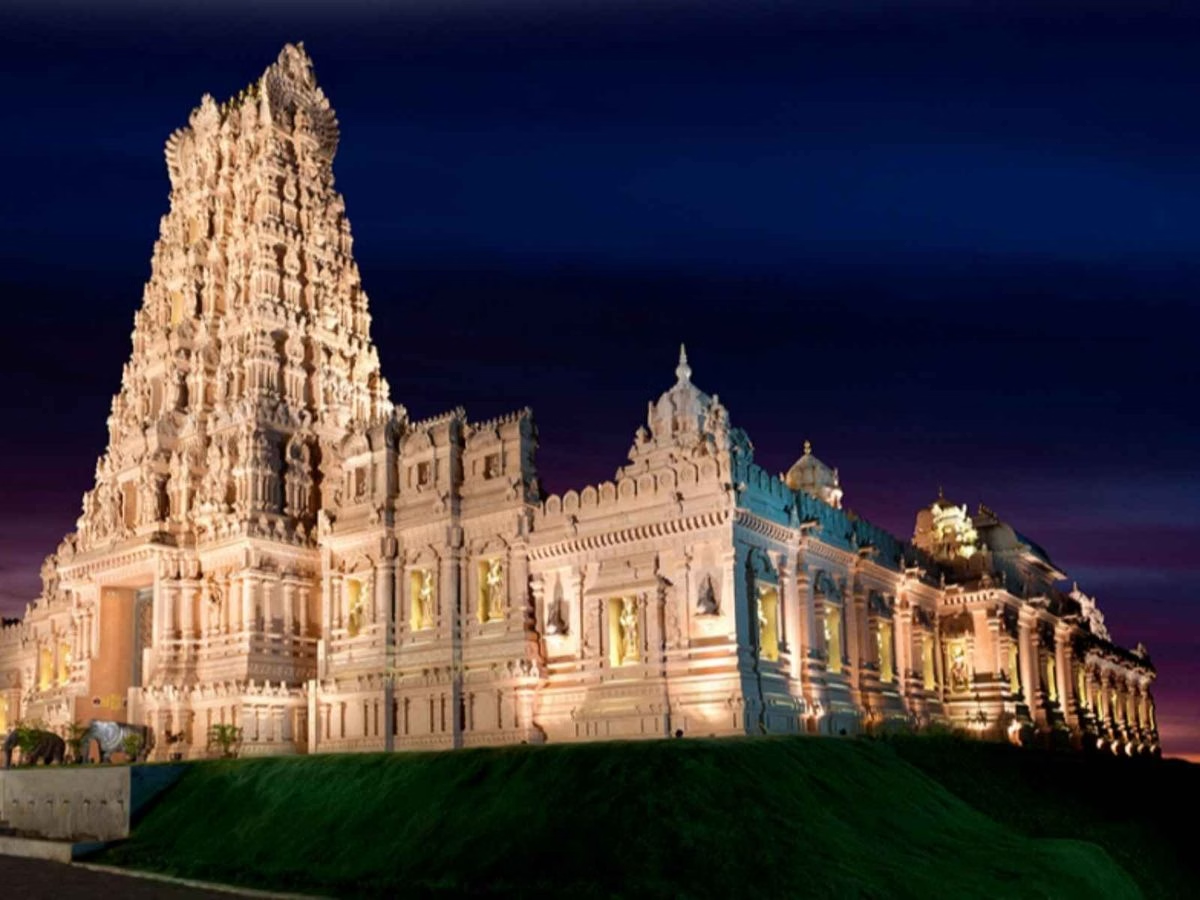
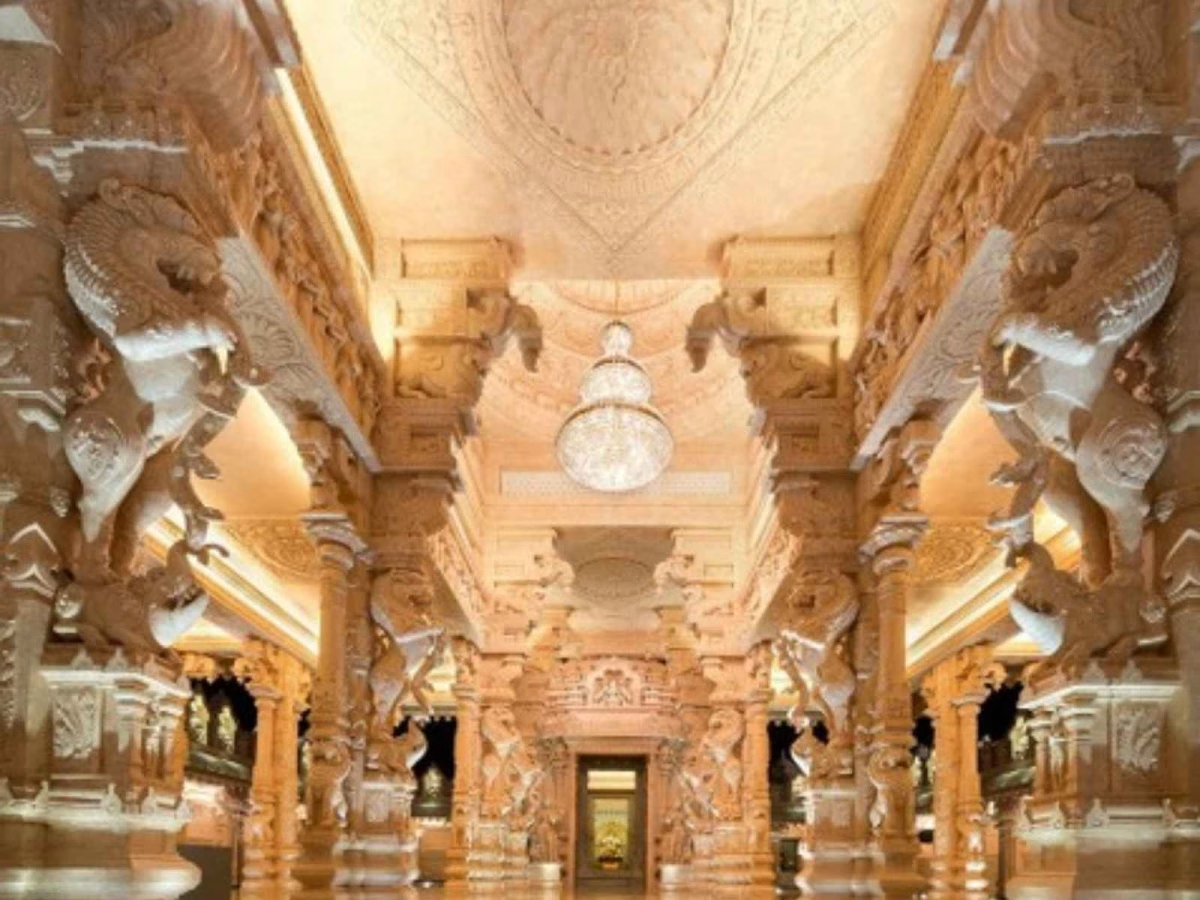
Photo Source: Sri Shakti Devasthanam temple official website
Tucked away in the quiet town of Bukit Rotan, Sri Shakti Dhevasthanam is a rewarding cultural stop for travellers taking the Kuala Lumpur–Kuala Selangor bus route with redBus, followed by a local transfer to the temple. Its story begins with Indian immigrants who established a small wooden shrine here in the late nineteenth or early twentieth century. Inside stood a single oil lamp. As the community grew, so did its place of worship, eventually becoming the elaborate temple consecrated in April 2013.
Its presiding deity is Goddess Shakti Mari Amman, revered here as the Divine Mother. The temple’s history records that the statue installed in 1974 continues to preside over the sanctuary — a tangible connection between the earlier shrine and the landmark visitors see today.
That devotion finds expression in the building itself. A five-tiered entrance tower rises above intricately sculpted granite, while representations of the 51 Shaktis and 96 carved pillars give the complex its distinctive character. Among its remarkable details is a sculpted lion holding a freely moving stone ball in its mouth, all carved from a single block of granite.
Knowing its beginnings makes the visit more meaningful: this magnificent sanctuary grew from a community’s determination to keep its faith alive around one small flame.
2. Sri Maha Mariamman Temple, Kuala Lumpur
A mother goddess at the heart of a growing city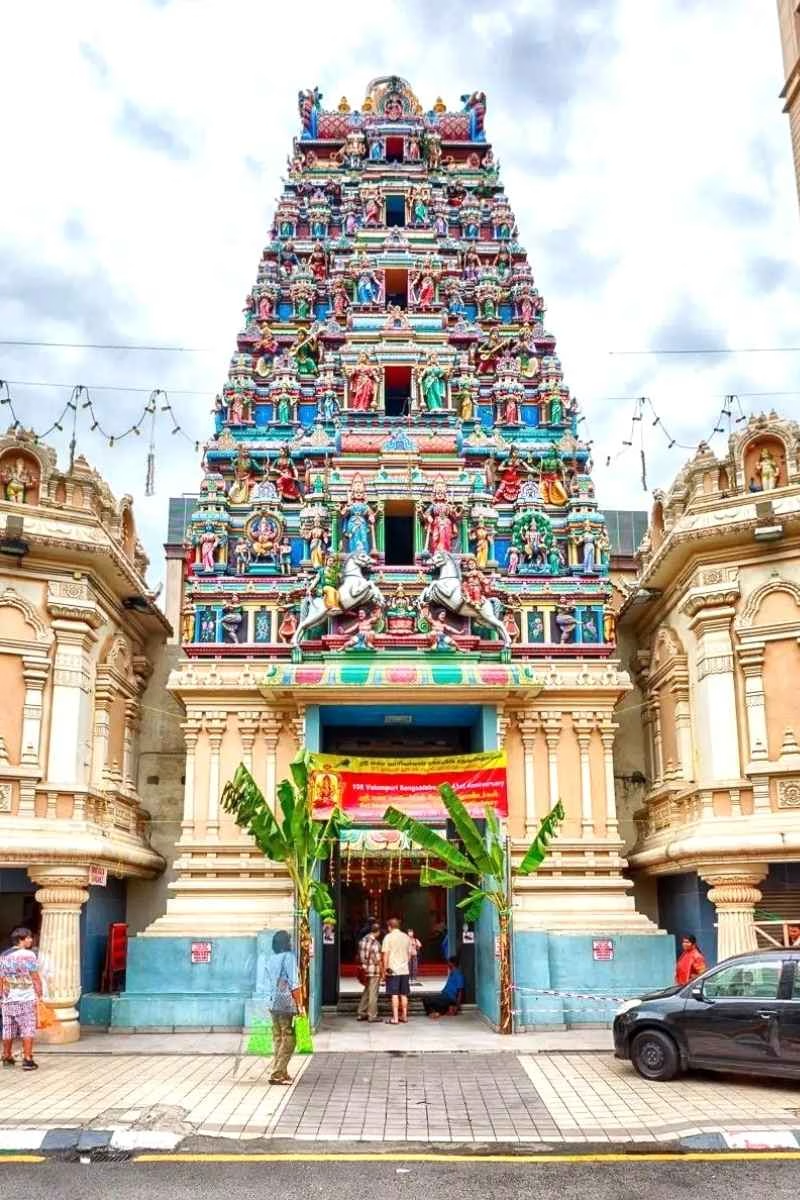
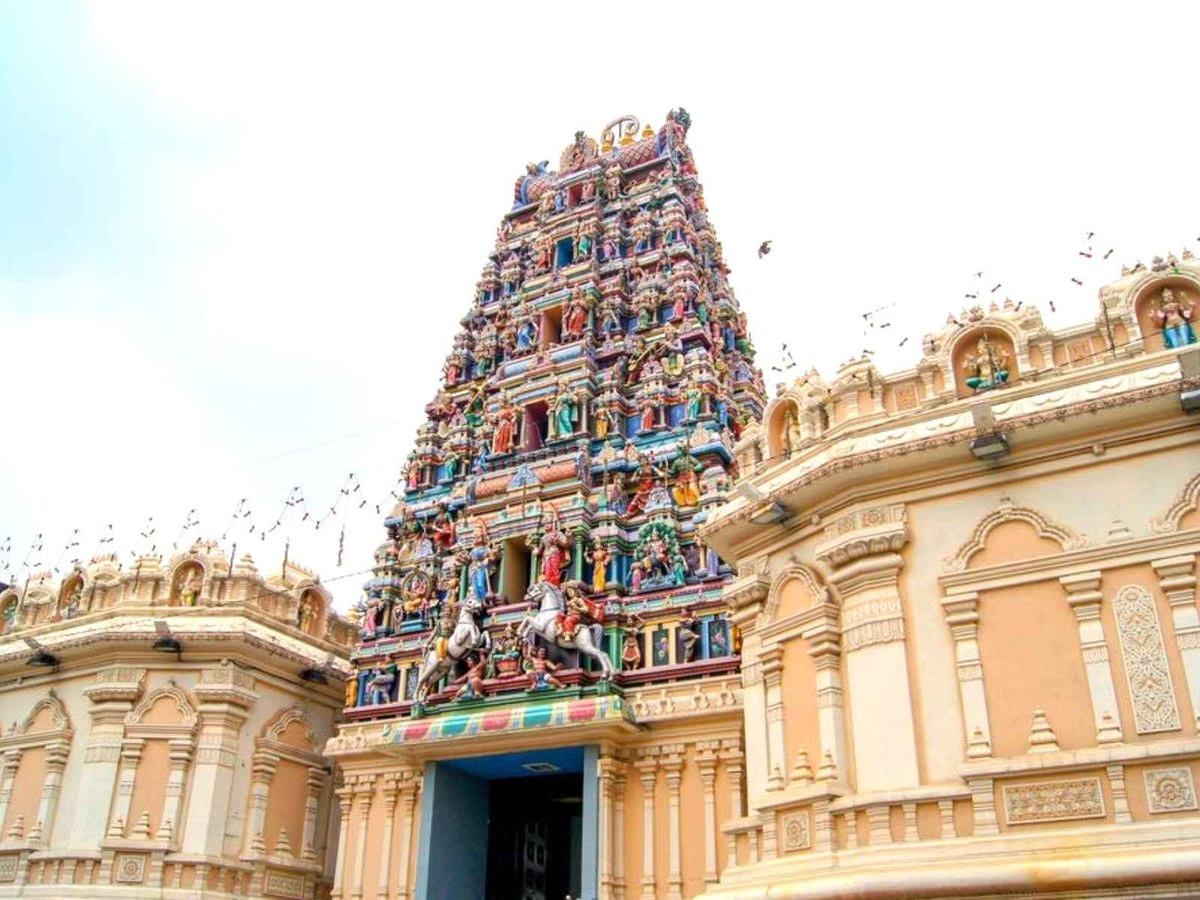
Photo Source from Pinterest (Credit: Meladjust3d and heiiiwong203)
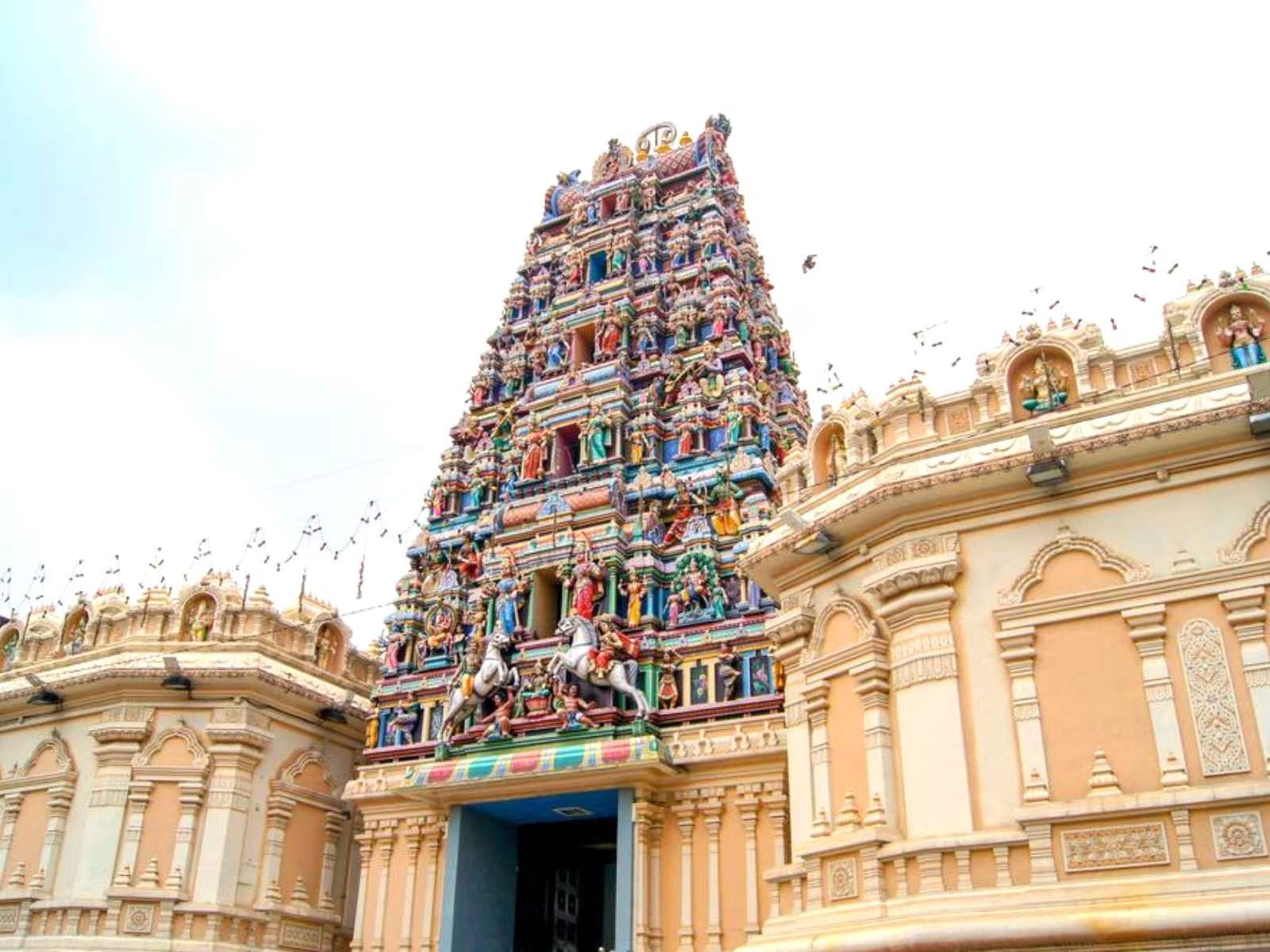
Amid the shops and busy streets near Chinatown, Sri Maha Mariamman Temple preserves a connection to Kuala Lumpur’s earliest years. Founded by K. Thamboosamy Pillai in 1873, it began as a private family shrine before becoming a place of worship for the wider community. It is recognised as Kuala Lumpur’s oldest Hindu temple.
The temple is dedicated to Goddess Mariamman, a South Indian mother goddess associated with protection and healing. For early Tamil migrants building lives far from home, a temple dedicated to a protective mother figure offered a powerful source of spiritual reassurance. Today, its central shrine remains devoted to Sri Maha Mariamman.
Above the entrance, the five-tiered raja gopuram is crowded with colourful sculpted figures. Its elaborate surface rewards a slower look: the figures introduce visitors to the religious stories and divine beings that shape the sacred space within.
The temple also offers a different perspective on the capital’s history — one shaped by the communities whose places of worship grew alongside the city.
While visiting this oldest temple in Kuala Lumpur, explore more activities via redBus Things-To-Do for your capital city trip too!
3. Arulmigu Balathandayuthapani Temple, Penang
A hillside climb shaped by devotion to Lord Murugan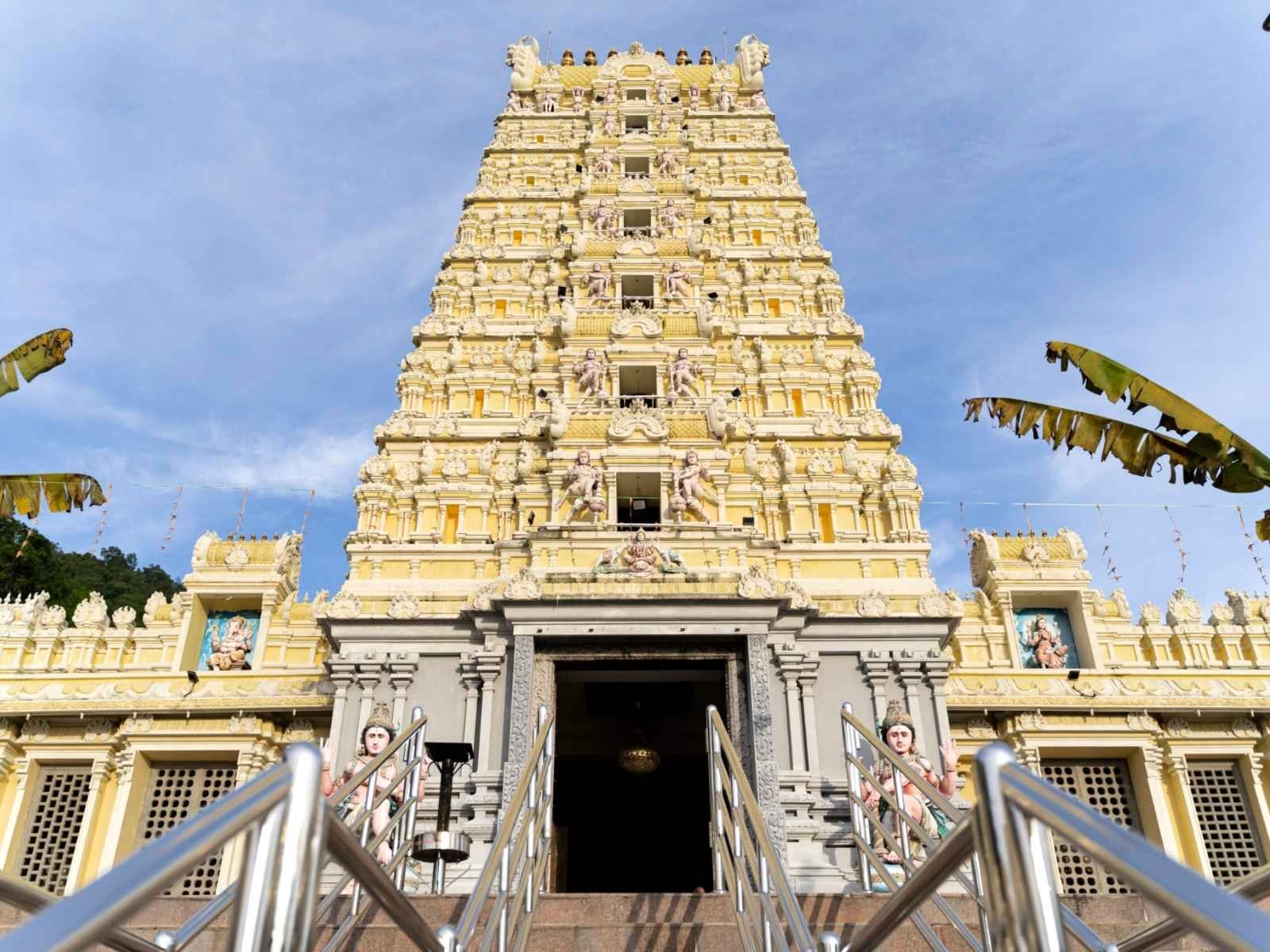
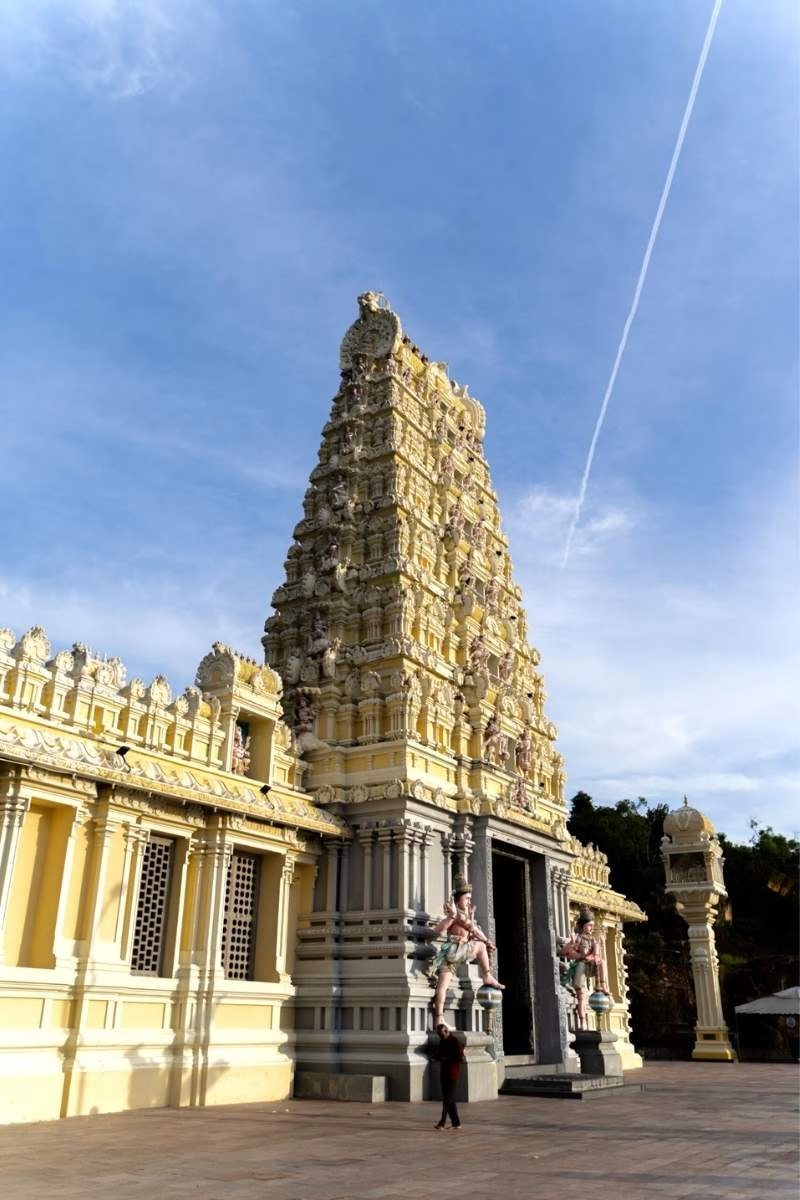
Photo Source: Penang Harmony Corporation official website
There are more than 500 steps to this hilltop sanctuary, but the climb carries a meaning beyond the view. Dedicated to Lord Murugan, Arulmigu Balathandayuthapani Temple is an important centre of Penang’s Thaipusam observances, when devotees undertake acts of worship, thanksgiving and the fulfilment of vows.
Its history reaches back to a shrine near the waterfall in what is now the Penang Botanic Gardens area. When the British authorities developed the waterfall’s catchment for a reservoir in 1850, land was allocated nearby for a temple. The present hilltop complex continues that long history of worship; the earlier temple served as the main Thaipusam venue from 1850 to 2012.
The architecture draws on South India’s Chola and Pallava traditions. Inside, six pillars represent the six principal sacred abodes of Murugan, connecting this Penang sanctuary with a wider geography of pilgrimage. Visit with time to pause along the ascent. You can easily book a bus to Penang Sentral bus terminal from major cities like Kuala Lumpur, Johor Bahru, Melaka or Ipoh.
4. Arulmigu Sri Rajakaliamman Glass Temple, Johor Bahru
A century-old place of worship with a dazzling new identity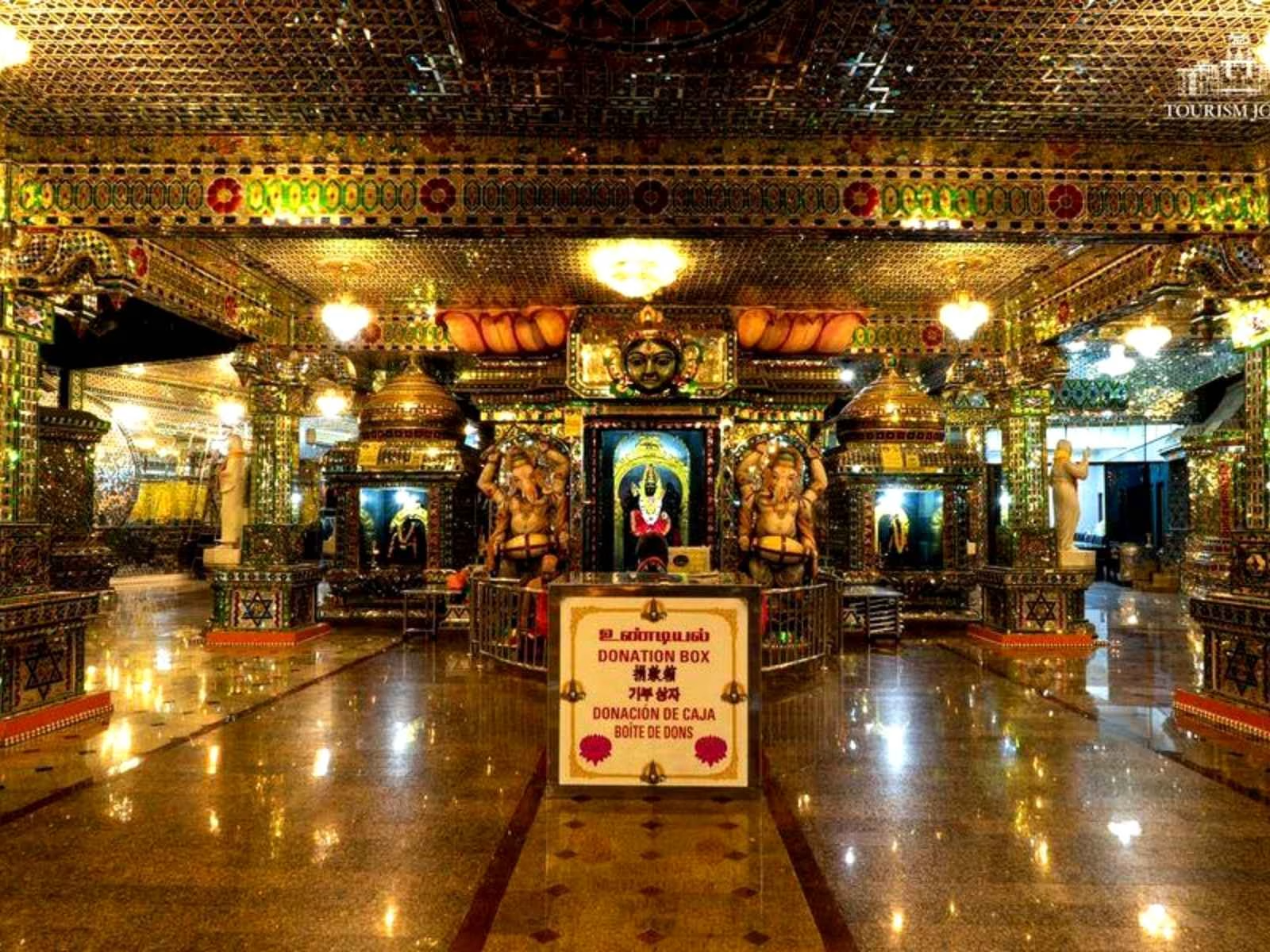
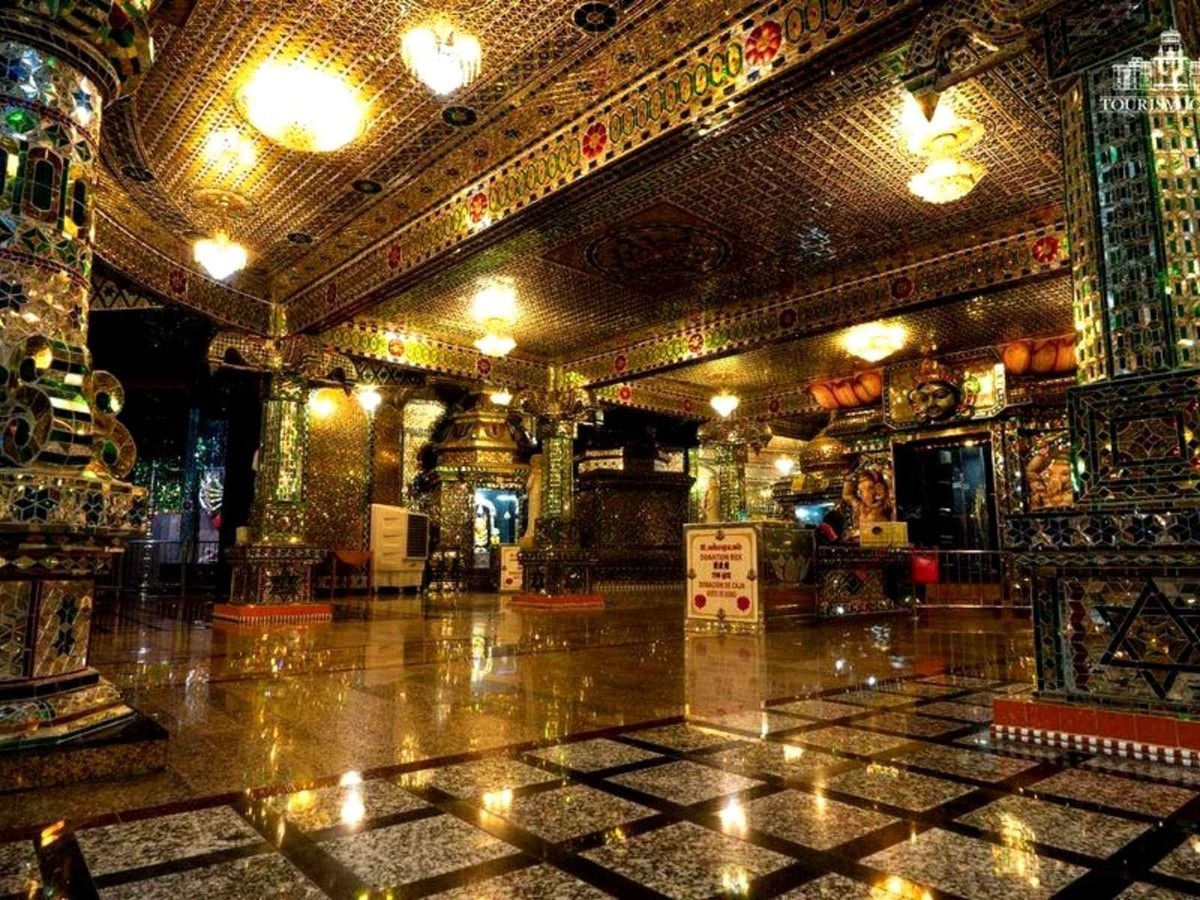
Photo Source: Tourism Johor official website
The shimmering interior may appear thoroughly modern, but this temple’s history began in 1922. Its transformation into a glass-covered sanctuary added a new chapter to an established place of worship.
The presiding deity is Goddess Kaliamman, a form of the Divine Mother associated with strength and protection. Understanding that dedication gives visitors an essential starting point before taking in the temple’s extraordinary decoration.
Approximately 300,000 pieces of coloured glass create its kaleidoscopic interior. Recognised by the Malaysia Book of Records in 2010 as the country’s first glass temple, it also incorporates sculptures depicting the stages of human life, from birth to old age and death. These details invite visitors to look beyond the sparkle and consider the spiritual ideas expressed through the artwork.
For travellers, its appeal lies in that combination: a longstanding devotional sanctuary expressed through an unexpected artistic language. With just about a 10-minute drive from Larkin Sentral Johor Bahru, visit these colorful glass mosaic pieces in person!
5. Sri Poyyatha Vinayagar Moorthy Temple, Melaka
A place of new beginnings with roots in eighteenth-century Melaka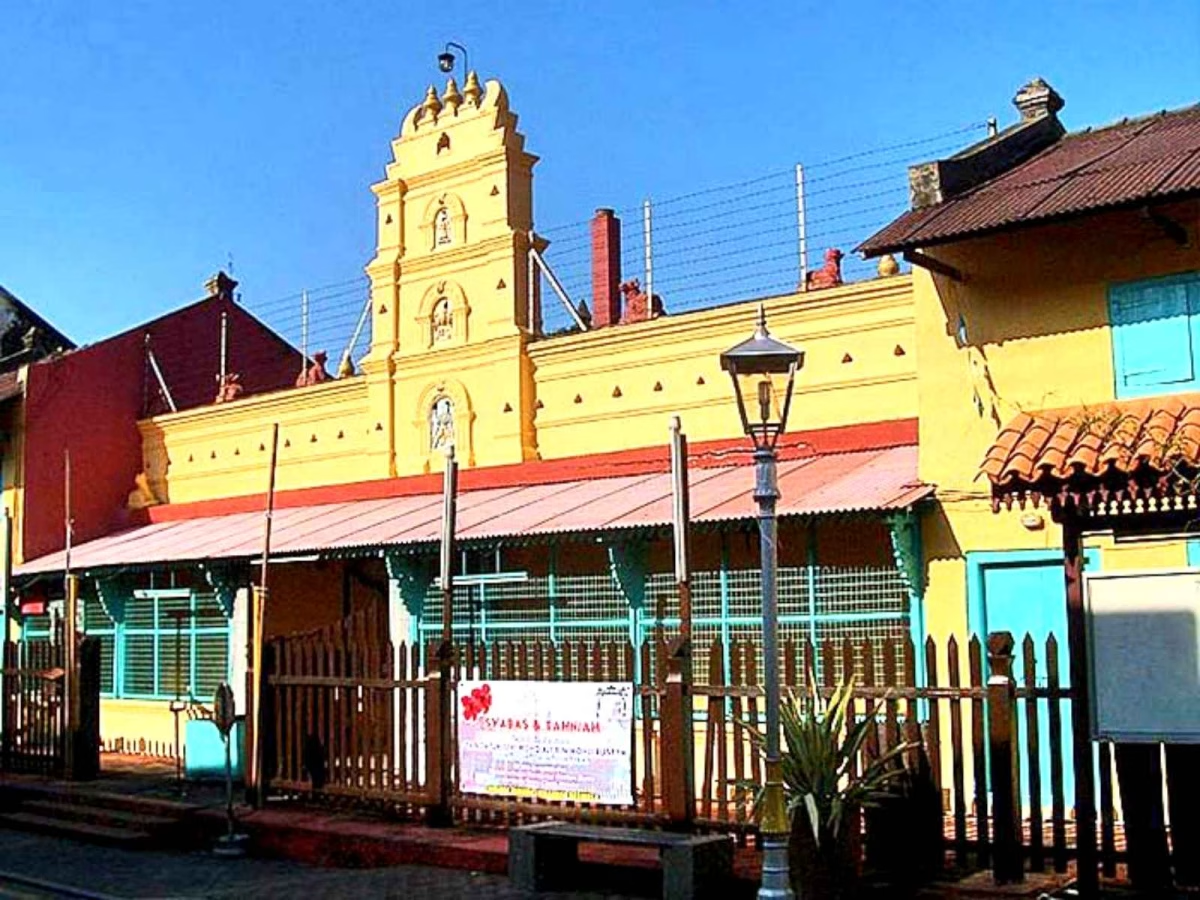
Photo Source: Melaka Chetti Community official website
In a city rich with historic landmarks, this temple tells a particularly enduring story. Built in 1781 on land granted under Dutch rule, Sri Poyyatha Vinayagar Moorthi Temple is widely recognised as Malaysia’s oldest surviving Hindu temple. Its establishment is closely associated with Melaka’s Chetti community and its leader, Thaivanayagam Chitty.
The temple is dedicated to Lord Vinayagar, also known as Ganesha, the elephant-headed deity revered as the remover of obstacles and associated with auspicious beginnings. His blessings are commonly sought before embarking on an important undertaking.
Its restrained façade offers a striking contrast to the richly ornamented towers elsewhere on this list. The simpler architectural treatment is part of its distinctive Chetti character, while its proximity to Kampung Kling Mosque and Cheng Hoon Teng Temple places it within one of Melaka’s most revealing streetscapes.
For those who are passionate about cultural heritage, visit the Malaysia Heritage Studios in Melaka too to experience interactive displays celebrating Malaysia’s rich folklore and traditions!
Here, the most compelling story is continuity: a community maintaining its faith and identity across generations of change.
Travel with curiosity, enter with respect
Deepavali provides a timely invitation to explore, although each temple follows its own calendar of worship and festivals. Before visiting, check opening hours and visitor access directly with the temple. Dress modestly, remove footwear where required, ask before taking photographs and give worshippers space, especially during prayers.
Whether honouring tradition or exploring somewhere new, these temples offer a meaningful way to experience Malaysia’s rich cultural heritage. This Deepavali, makes the most of the festive break by discovering more destinations and experiences across Malaysia with redBus.
About The Author




Leave a Reply