
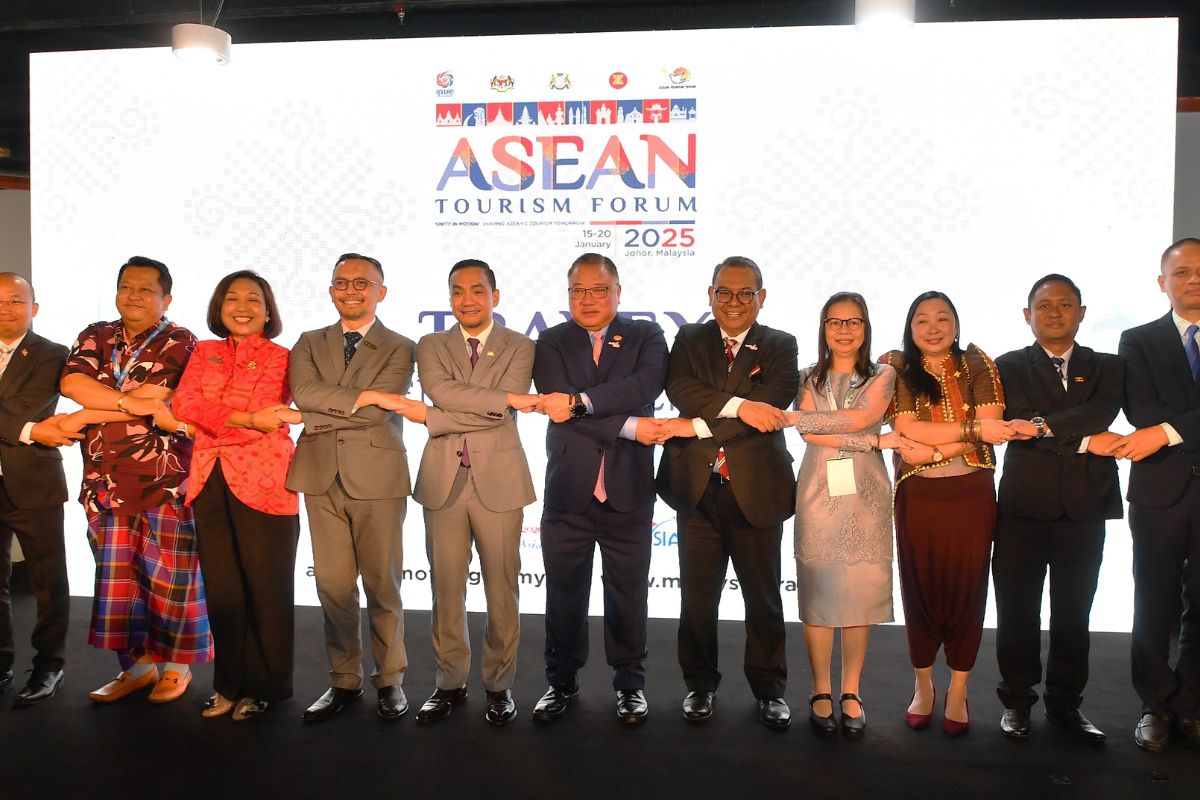
ATF 2025 Solidified ASEAN Region’s Determination as a Unified Tourism Destination
Celebrating its rich legacy since its inception in 1981, the ASEAN Tourism Forum (ATF) is among the most anticipated fixtures on the global travel calendar, serving as a platform where ministers, government representatives, and key players from the private sector, including media, convenes to spotlight the region as a dynamic and unified travel destination.
ATF 2025 – with the theme “Unity in Motion: Shaping ASEAN’s Tourism Tomorrow” – underscored the collective drive of the 10 ASEAN (Association of Southeast Asian Nations) member states to rejuvenate the region’s tourism landscape in the post-pandemic era, with an emphasis on inclusivity and environmental consciousness.
The tourism sector in the ASEAN region is already showing remarkable signs of recovery. With 123 million visitors recorded in 2024, reflecting a 30.6% year-on-year increase, ASEAN is swiftly returning to pre-pandemic levels. Looking ahead, ASEAN is poised to continue this growth trajectory, with ambitious plans to harness the potential of the ASEAN Tourism Strategic Plan 2016-2025 and its successor, the ASEAN Tourism Sectoral Plan 2026-2030. These strategies focus on resilience, sustainability, and fostering economic opportunities, including an expected $300 billion annual boost to the regional economy and the creation of over 14 million new jobs by 2034, according to World Travel & Tourism Council (WTTC) projections.
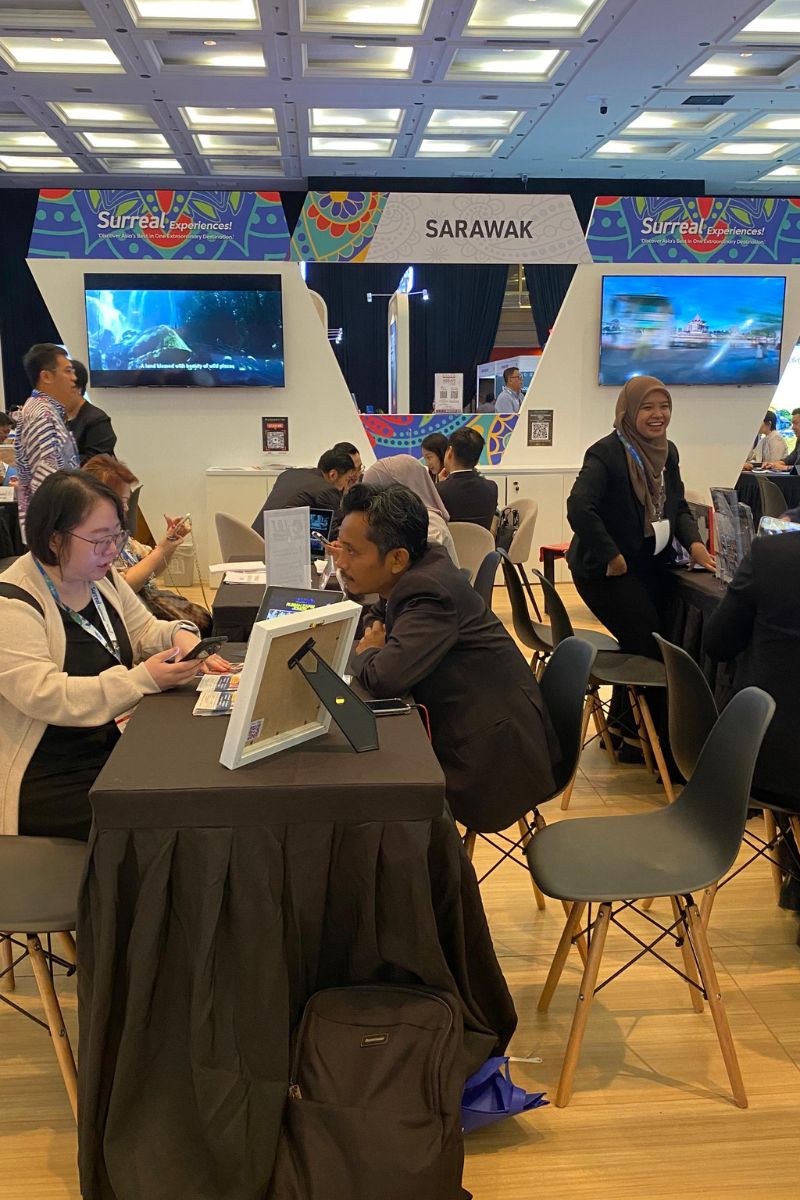
The ATF 2025’s business arm, the ASEAN Travel Exchange (TRAVEX), held from January 15 to 17 at the Persada Johor International Convention Centre, was a key component of the forum. This dynamic marketplace brought together 221 sellers from across ASEAN and 323 buyers from 42 countries, offering a platform to strengthen connections and cultivate future partnerships. With 100 international media outlets attending, the event proved that ASEAN tourism remains relevant well into this age.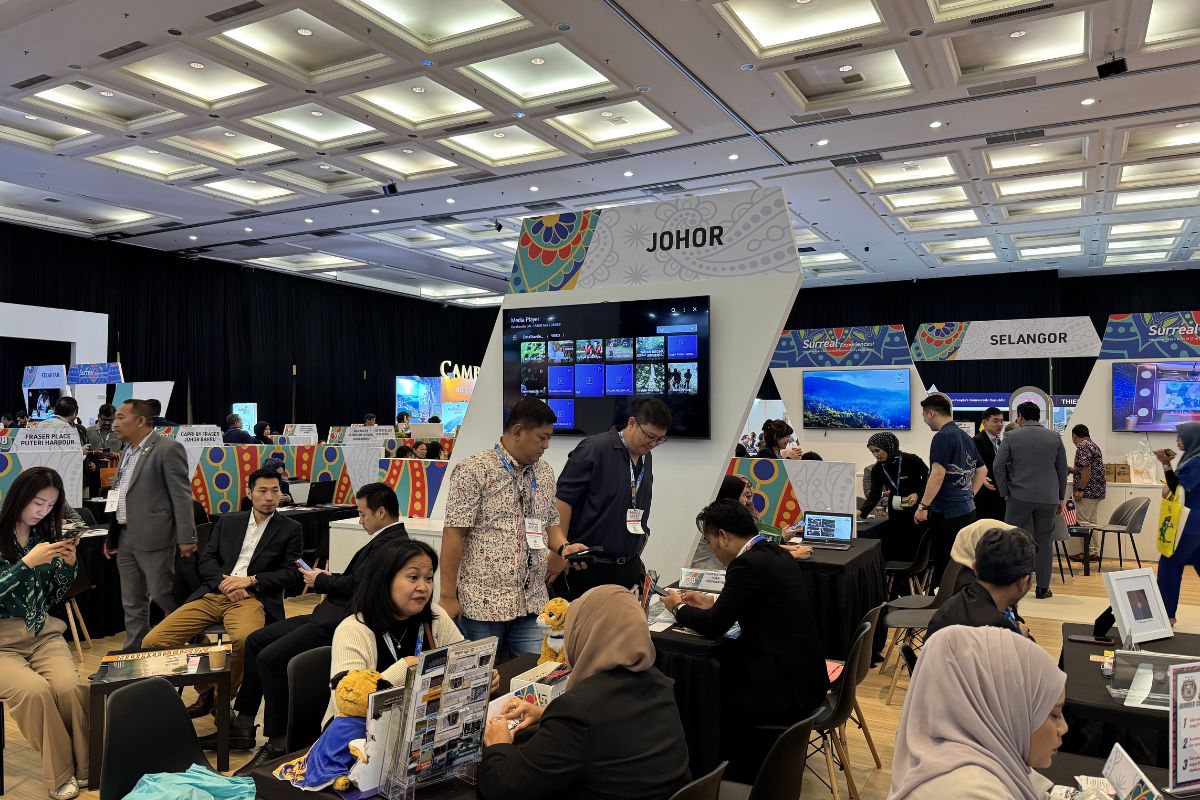
For Malaysia, this edition of ATF marked a significant milestone, as it hosted the forum for the seventh time, leveraging its position as the ASEAN Chair. The event also heralded the build-up to Visit Malaysia 2026, offering a timely opportunity to showcase the country’s diverse and evolving tourism offerings. Johor, as Malaysia’s southern gateway, proved an ideal host, with its balance of modernity and history offering a unique experience for attendees. From the luxury of Desaru Coast to the natural beauty of Endau-Rompin National Park, Johor presents a microcosm of Southeast Asia’s tourism potential.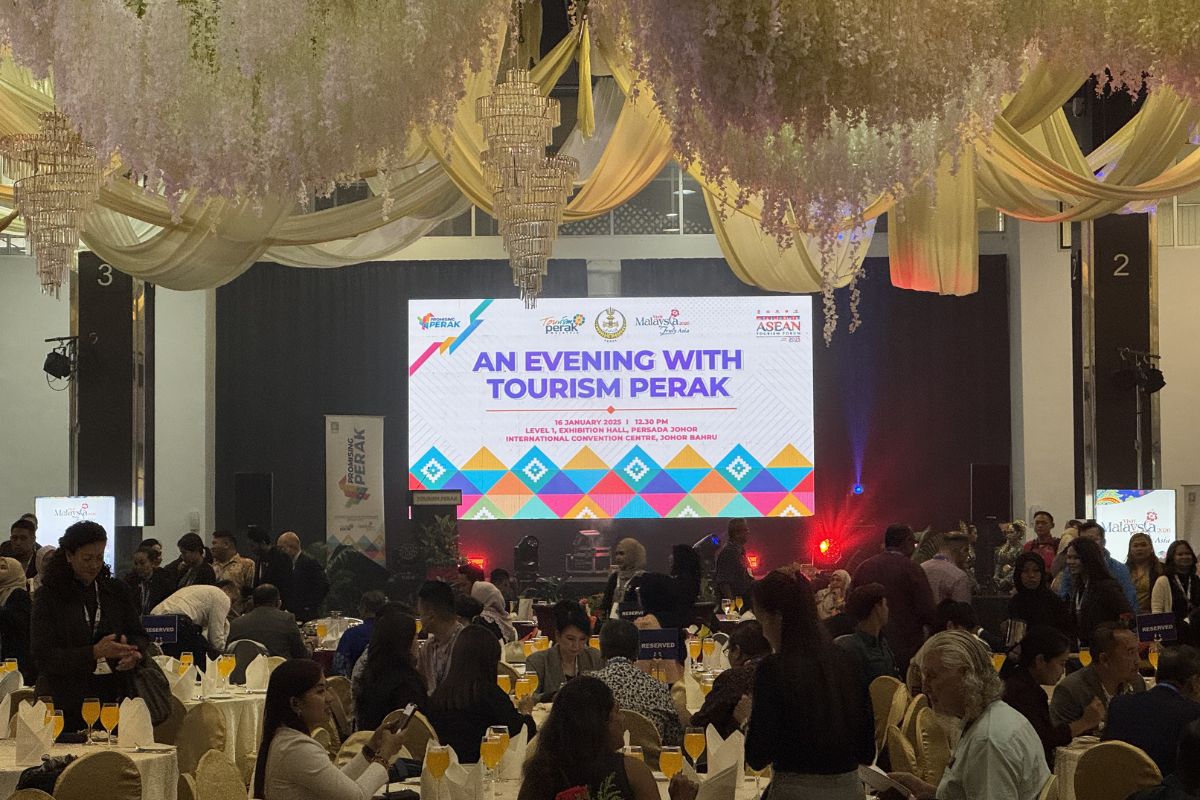
The state’s rich history — rooted in the legacy of the Johor Sultanate — was also a fitting backdrop for the gathering. The Sultan’s enduring influence is reflected in the state’s impressive cultural landmarks, such as the Sultan Abu Bakar Mosque, including the region’s remarkable transformation from a historic trading hub to a forward-looking industrial powerhouse.
With support from local stakeholders like Tourism Selangor, Penang Global Tourism, and the Langkawi Development Authority, ATF 2025 underscored the power of collaboration, positioning Southeast Asia as an ever-more compelling tourism destination for the future.
Malaysian Travel Trends in 2024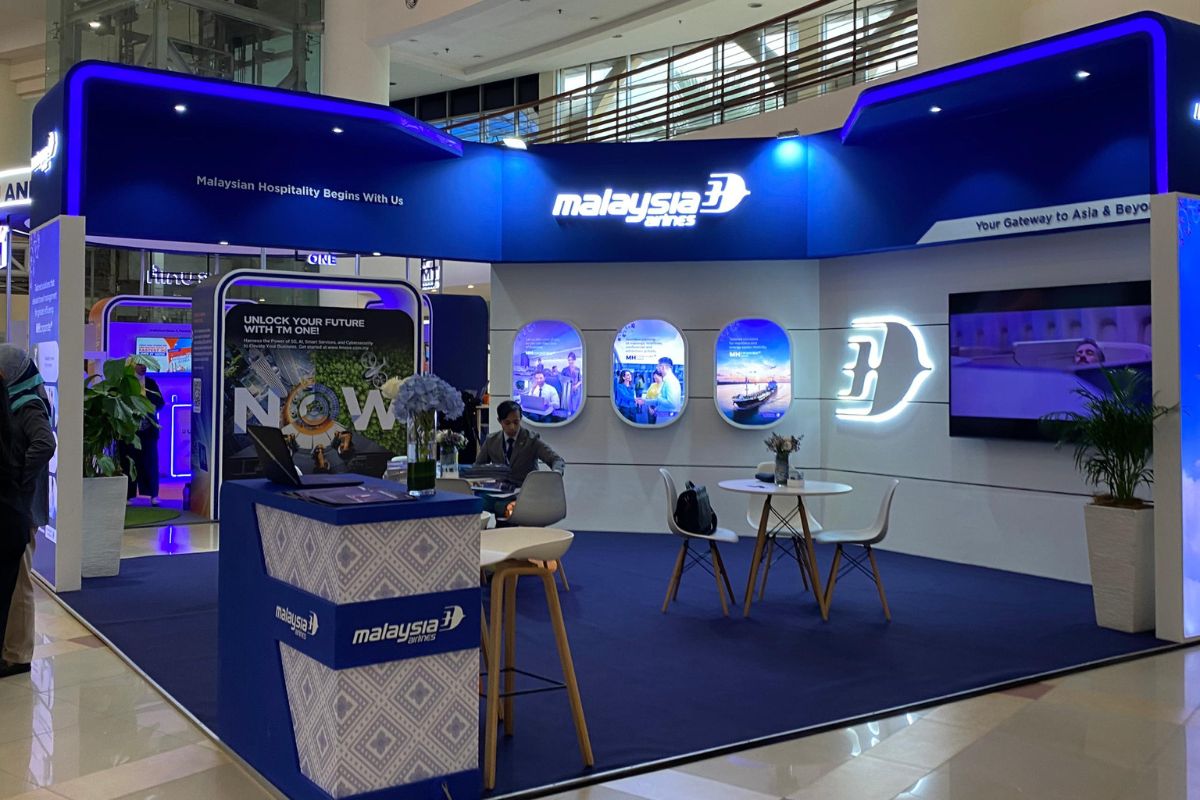
A key moment of ATF 2025 was the unveiling of Malaysia’s travel statistics for 2024, which highlighted a significant surge in outbound travel to neighbouring ASEAN nations. In particular, Thailand emerged as the leading destination for Malaysian travellers, welcoming nearly five million tourist arrivals, drawn by its proximity, affordability, and the broad appeal of its diverse attractions.
Singapore, with its renowned shopping and entertainment scene, receiving 1.2 million Malaysian tourist arrivals, cementing its role as a perennial favourite for cross-border travel. Meanwhile, Indonesia recorded 2.2 million tourist arrivals from Malaysia, with Bali and Medan standing out as key destinations.
Beyond these familiar spots, other ASEAN countries also experienced notable growth in tourist arrivals from Malaysia. Vietnam, with its vibrant culture and picturesque landscapes, drew nearly half a million tourist arrivals. On the same note, Cambodia welcomed almost 80,000 tourist arrivals from Malaysia, further reflecting a growing regional interest in Southeast Asia’s lesser-explored gems.
These statistics underscore the continued growth in intra-ASEAN travel, reinforcing the significance of regional cooperation in strengthening tourism recovery and shaping a more interconnected, resilient future.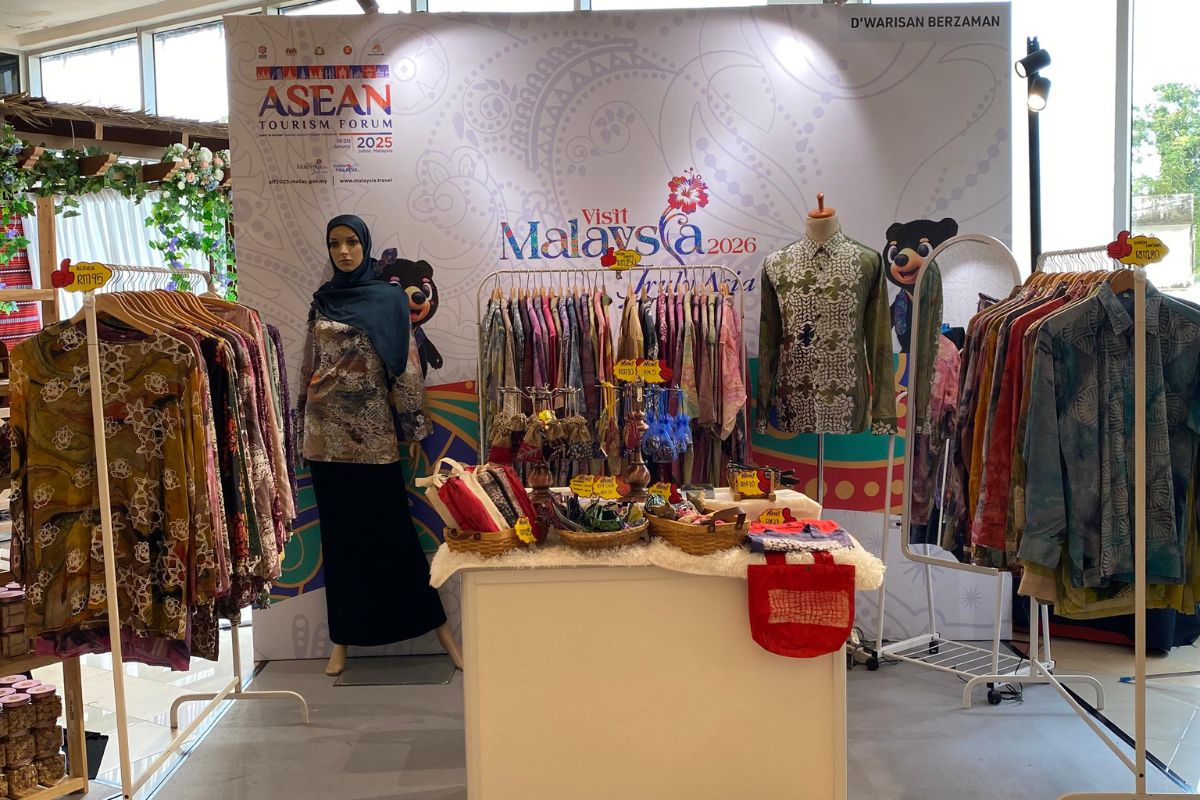
A Vision for the Future
As the closing of ATF 2025, participants left with a renewed sense of purpose, focussed on enhancing sustainable tourism, deepening connectivity, and promoting ASEAN as a unified, compelling destination.
As Johor Bahru passed the torch to the next host, the forum reinforced the importance of collaboration in driving shared goals. With the continued efforts of ASEAN member states, the region is poised to reaffirm its position as one of the world’s most dynamic and desirable travel destinations.
A Platform for Regional Showcases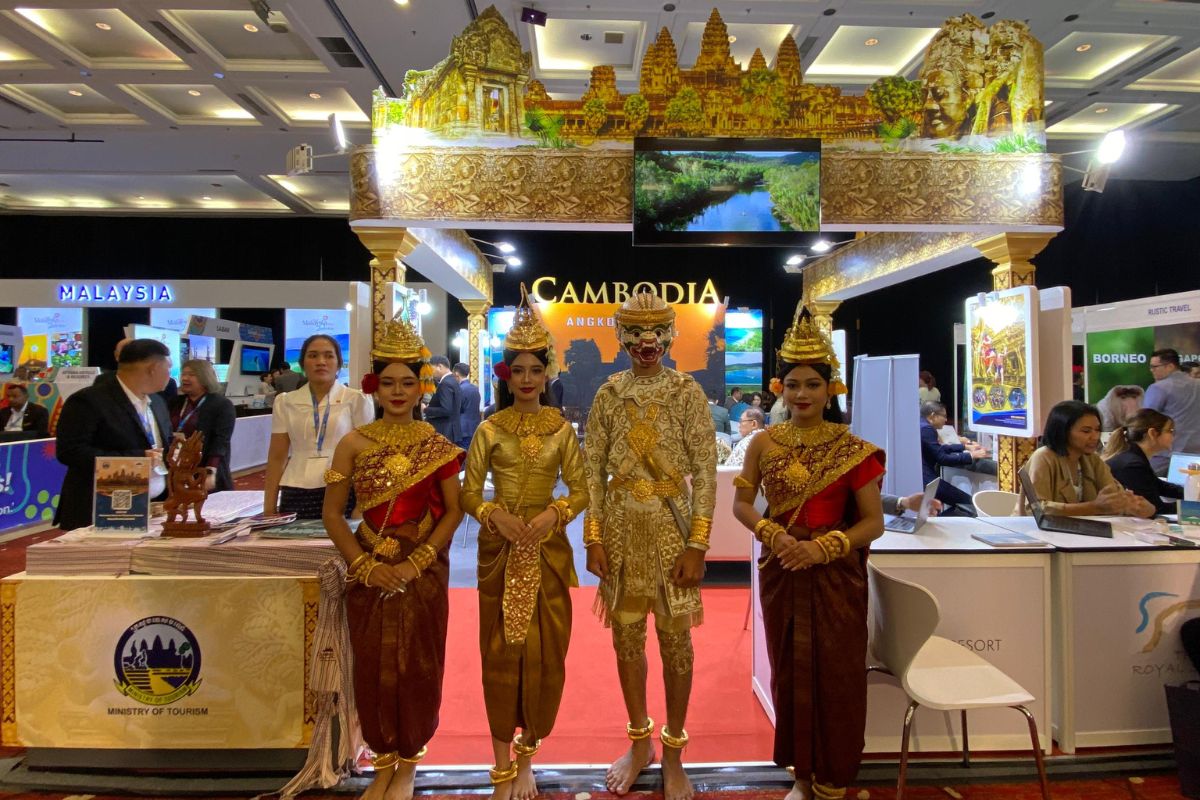
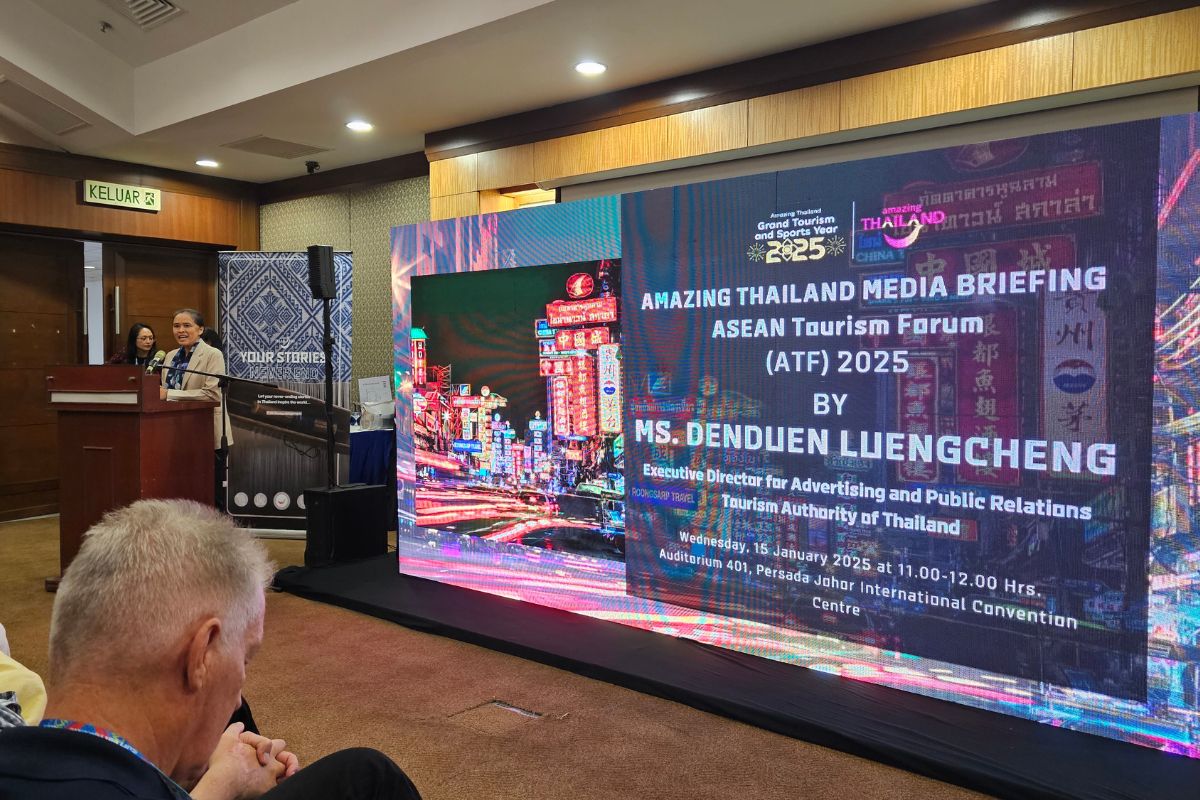
During ATF 2025, the National Tourism Organizations (NTOs) from Thailand, Vietnam, the Philippines, Cambodia, Singapore, Indonesia, Myanmar, and Malaysia delivered presentations, each highlighting their unique tourism offerings, approaches in boosting tourism arrivals, recent achievements, and future strategies.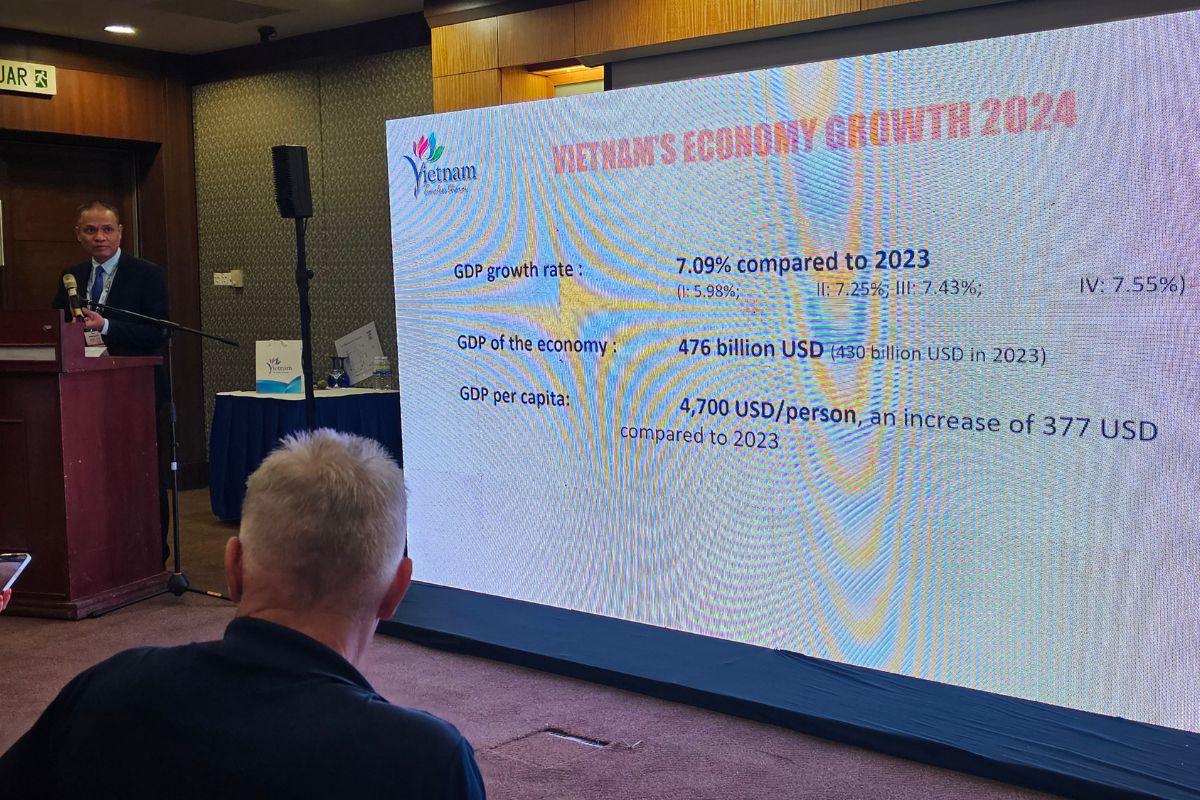
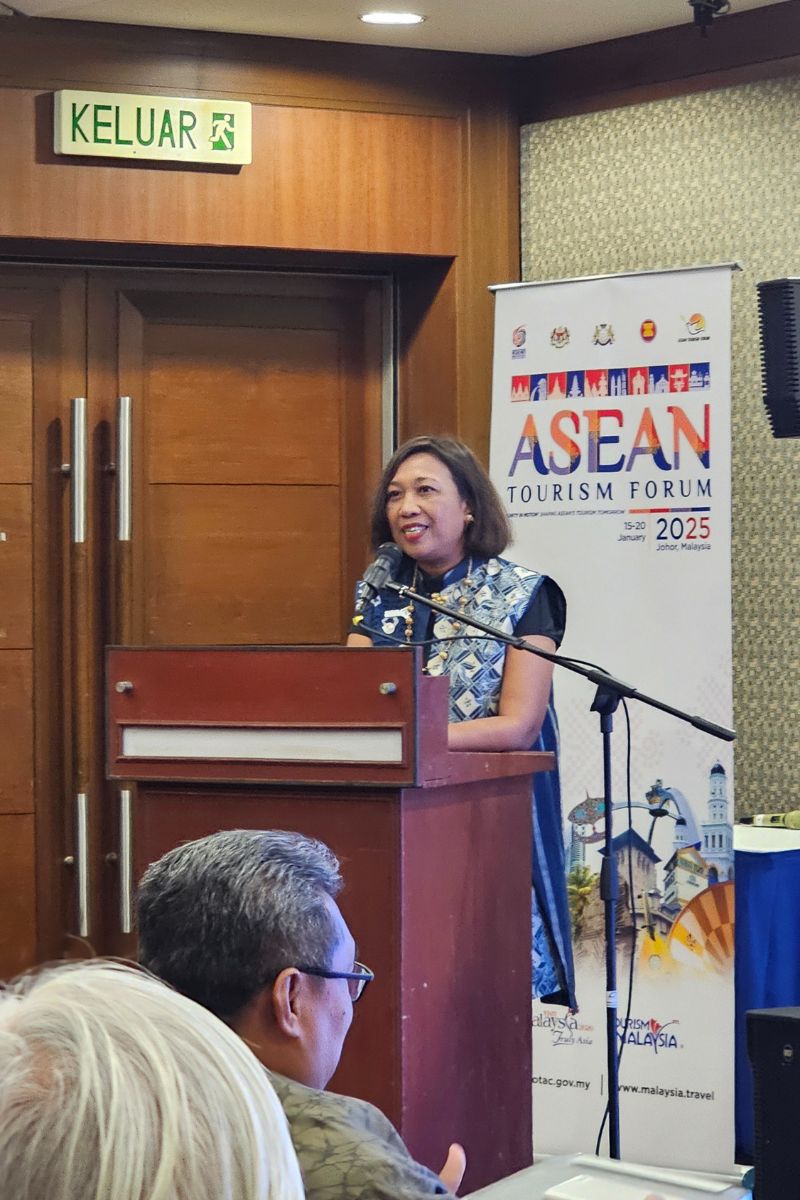

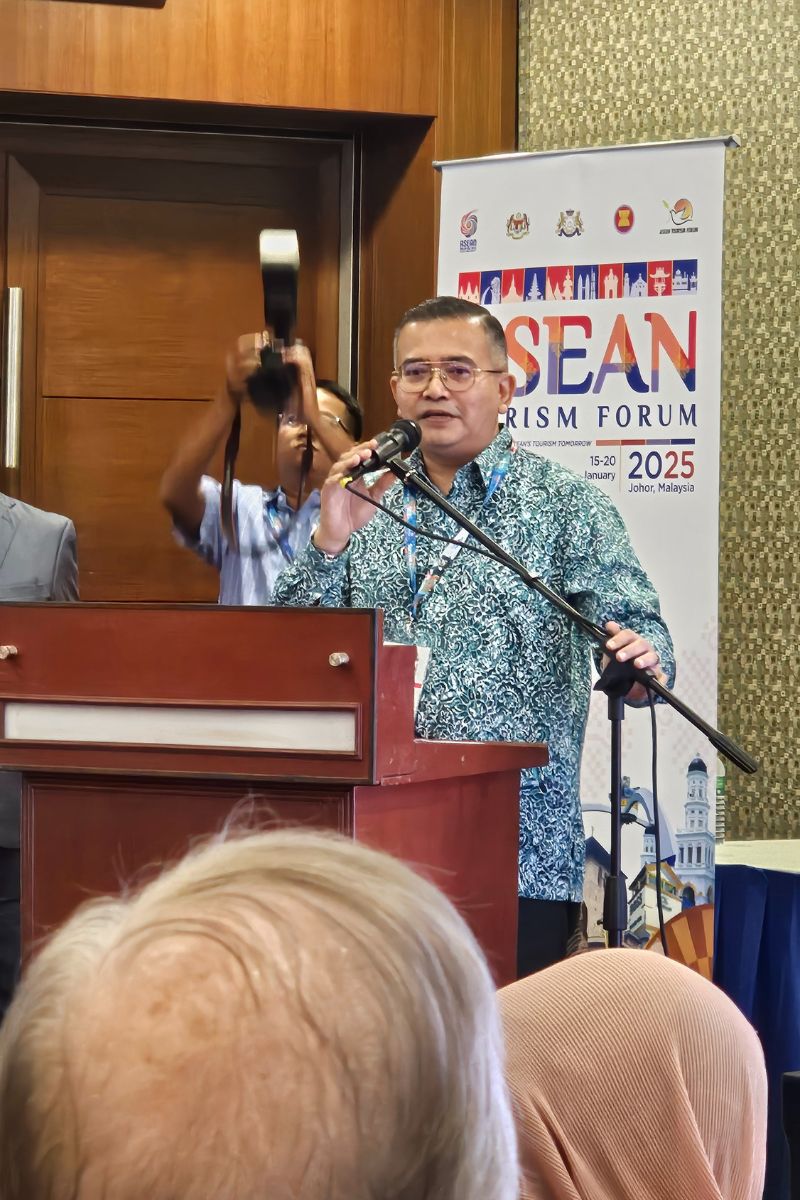
Presentations by the said NTOs showcased the region’s resilience, innovation, and commitment to collective progress, setting the stage for the next chapter in ASEAN tourism.
Below are some of the takeaways or updates from each National Tourism Organisation’s presentation during the ASEAN Tourism Forum 2025.
- Thailand’s NTO emphasised its “Amazing Thailand” campaign, focusing on cultural heritage, wellness tourism, and eco-tourism. The presentation showcased new initiatives to promote lesser-known destinations like Nan and Loei, alongside popular spots like Bangkok and Phuket.
- In 2024, Thailand registered 35,545,714 tourist arrivals, and 10,660,779 (30%) of that figure came from the ASEAN region. The surge of Malaysian tourists to Thailand underscores the strong tourism ties between the two nations.
- Top five tourism markets: China, Malaysia (4,952,078 tourist arrivals), India, South Korea, and Russia.
- New air connectivity within ASEAN to Thailand help to boost arrivals, for example Phu Quoc-Bangkok by Air Asia; Siem Reap-Phuket by AirAsia; Can Tho-Bangkok, Nha Trang-Chiang Mai, and charter flights by Vietravel Airlines; Luang Prabang-Chiang Mai by Lao Airlines; Johor Bahru-Bangkok by Malindo Airways / Batik Air.
- Travellers can also take the train from Vientiane to Bangkok, besides driving from the Malaysian Peninsula into Thailand.
- Tourism Authority of Thailand emphasises on creating meaningful travel through the five must-do pillars: Must Taste (savour Thailand’s vast culinary scene), Must Try (experience the thrill of Muay Thai or find tranquillity in world-class spas and wellness retreats), Must Buy (purchase unique souvenirs and indulge in world-class shopping), Must Seek (explore hidden gems and off-the-beaten-path destinations, for example Chanthaburi for its cultural heritage and nature), and Must See (entertainment hub for global events, from music festivals and sporting tournaments to cultural celebrations).
- Vietnam’s tourism sector demonstrated a robust recovery, reaching 97.6% of pre-pandemic levels with 17.54 million visitors in 2024. The country continues to attract tourists with its rich cultural heritage and natural beauty.
- For 2025, Vietnam targets between 22 and 23 million international visitors, of which 2.3 million to 2.5 million come from the ASEAN region.
- In 2024, Vietnam received 17,580,000 international tourist arrivals, an increase of 40% over 2023, while domestic tourist arrivals contributed 110,000,000, an increase of 1.6% from 2023. The total tourism receipts collected in 2024 were around USD33 billion.
- The top five markets in 2024 for Vietnam were South Korea (4,568,941 tourist arrivals), China (3,738,126), Taiwan (1,288,861), USA (779,795), and Japan (711,464).
- Malaysia was in 7th place (495,383), registering 5.4% from 2023. Tourists from ASEAN are exempted from visas when entering Vietnam.
- Vietnam is served by 68 foreign airlines and six local airlines from 48 destinations; therefore, connectivity is not a problem.
- 2025 is also declared as ‘Visit Vietnam Year – Hue’, which is Vietnam’s ancient capital.
- Besides Ba Na Hill in Da Nang, Vietnam is also pushing destinations like Son Doong Cave at Phong Nha-Ke Bang National Park in Quang Binh Province for travellers to discover the large network of caves and grottos.
- The Philippines’ Department of Tourism highlighted the country’s successful hosting of international tourism events and announced plans to host the ASEAN Tourism Forum in 2026, aiming to further promote sustainable tourism and regional cooperation.
- The NTO also emphasised efforts to improve infrastructure and connectivity to remote destinations like Palawan and Siargao.
- The Philippines is doubling down on its efforts in promoting tourism revolving around “Love the Philippines” campaign to highlight its rich biodiversity, vibrant festivals, world-class diving spots, gastronomy tourism, health and wellness, and events for sports tourism.
- The Philippines’ tourism sector contributed 8.6% to the GDP and employed 6.21 million workers in 2023, according to Philippine Statistics Authority.
- According to the World Travel and Tourism Council, the Philippines received the highest tourism receipt per international tourist arrival in the ASEAN region at USD2,073 on the back of 5.45 million tourist arrivals from 1 January until 15 December 2024, averaging over 11 nights stay, with 70% of the arrivals being repeat visitors. In comparison, each tourist arrival to Thailand and Malaysia contributed USD1,211 and USD799 based on 28.15 million and 20.14 million tourist arrivals respectively.
- The top five source markets for the Philippines tourism industry in 2024 were South Korea (1,574,152), USA (1,076,663), Japan (444,528), China (313,856), and Australia (299,286). Malaysia was at number 10 on the list, registering 99,881 tourist arrivals.
- The Philippines also registered the largest domestic tourism market in the ASEAN region, valued at USD52.1 billion in 2023.
- As of 5 December 2024, the Philippines’ Department of Tourism has recognised 17 Muslim-Friendly Accommodation Establishments to boost more tourist arrivals from Muslim-majority countries, which totalled 547,197 in 2024, a 9.8% increase from 2023.
- Cambodia continued to emphasise sustainable tourism and preserving cultural heritage sites, aiming to attract more eco-conscious travellers.
- Cambodia continues to showcase its ancient temples, particularly Angkor Wat, and its growing focus on sustainable tourism. The NTO also highlighted community-based tourism projects that empower local communities.
- Cambodia’s top five tourist arrivals from the ASEAN region in 2024 were Thailand (1,725,503), Vietnam (1,086,839), Lao PDR (282,377), Indonesia (136,693), and Malaysia (77,268).
- Cambodia’s top five tourist arrivals from the international markets as a whole in 2024 were Thailand, Vietnam, China (691,736), Lao PDR, South Korea (157,639, and the USA (166,992). Malaysia stands at number 10 overall, behind France (99,559), UK (88,770) and Japan (89,238) besides the top five.
- Tourists can now receive their visas online to enter the Kingdom of Cambodia via https://www.evisa.gov.kh/. They need to fill in the e-Arrival Card as well via https://www.arrival.gov.kh/.
- Cambodia continues to market its four main regions for tourism: Siem Reap – Angkor; Phnom Penh and surrounding areas; the Coastal Zone such as Kampot and Kep; and the Northeast for ecotourism and adventure travel. Angkor Wat is rated as the best place to see sunrise in southeast Asia.
- Besides destinations, Cambodia is banking on culinary tourism by promoting dishes like Samlor Kor Kour Thnout, Amok Fish, Nom Banh Chok Samlor Proher, and Teuk Kreung. In 2023, Battambang was listed in the UNESCO Creative Cities Network as a destination for gastronomy.
- Cambodia is ramping up its air connectivity with the opening of Techo International Airport’s First Phase in July 2025, which can handle up to 13 million passengers annually. The second phase, expected to be completed by 2030, will enable the airport to handle 30 million passengers. Once reaching full capacity, the airport should be able to handle 50 million passengers annually.
- Cambodia opened Dara Sakor International Airport in Koh Kong province on 26 December 2024, beginning with domestic flights first. The airport has a 3,600-metre-long runway, which can accept wide-body aircraft like Airbus A380, and currently can handle up to 10 million passengers per annum.
- In 2025, Cambodia is focussing on golf tourism, together with its top golf courses such as Vattanac Golf Club, Angkor Golf Resort, Siem Reap Booyoung Country Club, Grand Phnom Penh Golf Club, Cambodia Golf & Country Club, Phokeethra Country Club, and Garden City Golf Club. At the same time, Cambodia continues to promote Siem Reap as an extension to the Visit Siem Reap Year in 2024.
- At the same time, Cambodia is paying more attention to Muslim-friendly tourism to cash in on the affluent and high-potential global Muslim travel market, particularly those from West Asia and Southeast Asia.
- Singapore focuses on innovative approaches to tourism, including the integration of technology and personalised travel experiences to enhance visitor satisfaction.
- The city-state leverages its position as a hub for business and leisure travel. The presentation highlighted new attractions like the Mandai Wildlife Reserve and the expansion of Changi Airport’s Jewel complex.
- International tourist arrivals in 2024: 16.5 million, increased by 21% compared to 2023. The top five markets for tourist arrivals were Mainland China (3.08 million), Indonesia (2.49 million), India (1.20 million), Malaysia (1.19 million), and Australia (1.17 million). Other markets that exhibited healthy year-on-year growth included Japan, Taiwan, the UK, and the USA, representing a good mix of short, mid, and long-haul markets. Contributing factors included the 30-day mutual visa exemption with Mainland China and Singapore’s strong growth in air connectivity. In 2024, Changi Airport had a total international seat capacity of over 41 million, representing a 15% increase compared to 2023 and 98% recovery to 2019.
- 2024 saw the introduction of several new and enhanced attractions in Singapore, for example, the highly anticipated Asia premiere of the Harry Potter: Visions of Magic exhibition at Resorts World Sentosa; the first official Studio Ghibli exhibition in Singapore entitled The World of Studio Ghibli at Marina Bay Sands’ ArtScience Museum; and the immersive multi-sensory experience Sentosa Sensoryscape. Singapore’s Night Safari also unveiled its first fully sheltered walking trail, the Pangolin Trail, along with a new bull elephant habitat and a mixed-species exhibit called Giants of Asia.
- Other key factors that contributed to the overall growth in visitor arrivals include Singapore’s robust year-round calendar of lifestyle events and concerts. Family-friendly attractions at precincts like Gardens by the Bay, Sentosa, and Mandai Wildlife Reserve, including the Bird Paradise, along with key leisure events like the Formula 1 Singapore Airlines Singapore Grand Prix 2024 and Singapore Art Week, were also instrumental in boosting visitor arrivals and spending across the tourism sector and related industries.
- World-class concerts by Coldplay, Ed Sheeran, and Taylor Swift generated substantial economic benefits and enhanced Singapore’s global brand, with spillover effects to adjacent tourism industries such as retail, dining, and hotels. Other key events included the Singapore and Southeast Asia debut of Disney Garden of Wonder at Gardens by the Bay, pop culture events such as Anime Festival Asia and Singapore Comic Con, and lifestyle and sports events including BLAST Premier World Final 2024, CAPCOM Pro Tour 2024 Super Premier Singapore and the reimagined Singapore Food Festival.
- Singapore’s hotel industry demonstrated positive growth in 2024, with Average Occupancy Rate (AOR) at 81.8% in 2024, a 1.3% point increase compared to 80.5% in 2023. 1,421 new hotel keys were added to the industry, including notable openings such as The Standard Singapore and Mercure ICON Singapore City Centre, including Into the Woods glamping experience.
- Tourism receipts collected between January and September 2024 totalled S$22.4 billion, an increase of 10% from 2023. Singapore’s tourism sector posted a strong performance in 2024, with tourism receipts likely to reach the upper bound of STB’s 2024 forecast, setting a new record in tourism spend. Mainland China, Indonesia, and Australia emerged as the top markets in tourism receipts, contributing SGD3.58 billion, SGD2.13 billion, and SGD1.44 billion respectively (excluding Sightseeing, Entertainment and Gaming). Notably, Mainland China and Japan showed strong year-on-year growth in tourism receipts.
- Indonesia’s NTO promoted its “Wonderful Indonesia” brand, emphasising its diverse cultural heritage and natural wonders, from Bali’s beaches to Komodo Island. The presentation also highlighted efforts to promote eco-tourism and marine conservation.
- According to Indonesia’s Central Statistics Agency, Indonesia chalked up 13.9 million tourist arrivals in 2024. The top three markets that contributed to the tourist arrivals were Malaysia (2.2 million tourist arrivals), Australia (1.6 million), and Singapore (1.4 million). Tourist arrivals from Malaysia registered a growth of 16.4% compared to 2023, highlighting the strong tourism connection between Indonesia and Malaysia.
- An international tourist to Indonesia spent an average of USD1,391.85 per visit, and stayed for 10 nights on average. The tourists from Europe on average spent USD2,009.50, with the Swiss topping the list at USD2,194.35, followed by Austria (USD2,175.82), Belgium (USD2,148.78), and Russia (USD2,113.85). Tourists from the USA on average spent USD2,183.58.
- Currently standing at No. 22 on the ranking of the Travel & Tourism Development Index 2024, Indonesia continues to actively promote its tourism various tourism destinations other than Bali, particularly Lake Toba in North Sumatra, Borobudur in Central Java, Mandalika in Central Lombok, Labuan Bajo in West Flores, and Likupang in North Sulawesi. Indonesia is also banking on its award-winning tourism villages such as Penglipuran in Bali, Nglanggeran in the Special Region of Yogyakarta, and Wae Rebo in South Flores.
- Tourists should take note that Bali has been implementing a tourist levy of IDR150,000 since 2024 to ensure the upkeep of the tourism infrastructure on the island.
- In ensuring that tourism destinations remain clean, presentable and hygienic, the Indonesia government – together with regional governments and relevant ministries or institutions – has formed task forces and constructed appropriate sanitation facilities.
- Indonesia utilises digitalisation and AI for broader, targeted, and precise marketing. Travellers with special interests in gastronomy (culinary), fashion, and luxury travel can expect to see more of such categories being actively promoted by Indonesia.
- Besides citizens of the ASEAN region, Indonesia allows Singapore Permanent Residents to enter the country visa-free for four days so that they can easily explore Riau Island’s hidden gems, for example Lagoi Bay, Trikora Beach, and White Sands Island in Bintan; Penyengat Island and Vihara Avalokitesvara Graha in Tanjung Pinang; and Alif Stone in Natuna. Further to this, Indonesia plans to open the route between Tanjung Belungkor Ferry Terminal and Pelabuhan Bintang 99 Persada to enhance sea connectivity between Southern Johor and the Riau Islands.
- Interestingly, despite the ongoing controversy surrounding Myanmar’s politics, the country is still open for business and welcomes international tourists.
- Myanmar’s NTO presented a vision for rebuilding its tourism industry, focusing on cultural and spiritual tourism, particularly in Bagan and Mandalay. Myanmar was even honoured with two prestigious awards at the ASEAN Tourism Forum, recognising outstanding achievements in community tourism and public services in Shan State’s Pindaya and Taunggyi regions.
- In 2024, Myanmar registered 1,063,072 international tourist arrivals and collected USD623.663 million in tourism receipts. 61% of the international tourist arrivals come by land, 28% by air and 11% by sea.
- The top two countries that contributed to Myanmar’s tourist arrivals were Thailand (41%), China (25%). 72% of Thais visit Myanmar for religious purposes encompassing meditation and pilgrimage, while 58% of the Chinese tourists arrive for meetings, incentives, conferences, and exhibitions (MICE).
- Half of tourists who visited Myanmar obtained information about travelling in the country from travel agencies / tour operators / airlines, suggesting that it would be better for tourists to engage with travel agencies and tour operators whenever they want to explore the country for convenience and peace of mind.
- MICE operators, including those who manage large groups of travellers, might want to use Yangon and Mandalay as their base since each city offers more than 20,000 hotel rooms.
- To offset the fall in international tourist arrivals, Myanmar turned its focus on domestic tourism, which registered 11.560 million arrivals.
- Myanmar exempts visas for travellers from Russia, Brunei, Cambodia, Indonesia, Laos, Singapore, Thailand, and Vietnam, while Visa On Arrival is extended to travellers from China, India, Japan, South Korea, and Macao. However, travellers from Malaysia are required to apply for visa at the cost of USD70 per person for business visa, USD50 for tourist visa, USD40 for attending workshops / seminars / meetings, and USD20 for transit.
- As the host country, Malaysia presented the country’s diverse tourism offerings and strategic initiatives aimed at revitalising the tourism sector post-pandemic.
- Tourism Malaysia took the opportunity to showcase Johor Bahru’s transformation into a vibrant tourism hub, alongside its iconic destinations like Langkawi, Penang, and Kuala Lumpur. The presentation also highlighted the government’s preparations for the “Visit Malaysia 2026” campaign, focussing on sustainable and inclusive tourism growth, including Malaysia’s commitment to sustainable tourism and digital innovation.
- In 2024, Malaysia received 25,016,968 international tourist arrivals in 2024, a 24.2% increase from 20,141,846 registered in 2023. The top five countries that contributed to Malaysia’s international tourist arrivals in 2024 were Singapore (9,099,727 visitors), Indonesia (3,651,668), China (3,287,362), Thailand (1,639,211), and Brunei (1,142,134).
- The statistics shared by the Ministry of Tourism, Arts and Culture showed that Malaysia collected MYR106.7 billion in tourism receipts in 2024, making it the first time that tourism receipts exceeded MYR100 billion. The average spending per tourist hit RM4,086.60, a 15.4% rise from 2023 (RM3,540.32) and a 23.8% increase from the pre-pandemic level in 2019 (RM3,300.40).
- In 2025, Tourism Malaysia targets 31.4 million international tourist arrivals with MYR125.5 billion in tourist receipts by the end of 2025. At the same time, Malaysia is gearing up for Visit Malaysia 2026 and has begun ramping up its promotions with the theme ‘A Sustainable Destination & Rich in Culture’.
- The Visit Malaysia 2026 campaign emphasises more on high-yield tourists and sustainable tourism, therefore international travellers can expect to see more promotions by Tourism Malaysia in niche tourism segments such as Eco & Adventure Tourism, Luxury & Wellness, Heritage & Cultural Tourism, Sports & Golf Tourism, Wedding & Honeymoon, and Digital Nomad & Workation. Eco-conscious and lesser-known destinations like Maliau Basin in Sabah and Merapoh in Pahang are destinations worth checking out.
- The pillars of Visit Malaysia 2026 are to increase tourist arrivals by converting short visits to extended stays; extend the length of stay by enriching cultural and ecotourism experiences, empowering local communities, and improving infrastructure; and encourage higher spending by promoting niche tourism experiences.
- From the VM2026 campaign, by the end of 2026, Malaysia aims to welcome 35.6 million international tourist arrivals with MYR147.1 billion in tourist receipts. Conversely, by 2026, Malaysia intends to receive 261 million in domestic tourist arrivals with MYR115.2 billion in tourist receipts.
- In conjunction with VM2026, Malaysia opts for the pair of male and female Malaysian sun bears as mascots, expressed in a cuddly animation style for global appeal.
- Tourism Malaysia works hard to ensure that its marketing and promotional efforts become more targeted and reach the correct audiences globally via campaign messages specific to those markets. For instance, the marketing approaches for the Middle East – which will mostly target families and the younger generations (Millennials and Gen Z) who mostly expect Muslim-friendly food and facilities, including luxury experiences surrounded by different biomes (beaches, rainforests, highlands) – will be different from the marketing approach employed for the Indian subcontinent, which features more on affordable shopping, diverse culinary options, sites where Indian box office movies were shot in Malaysia, and medical tourism.
For more details on ATF 2025 TRAVEX, visit www.atf.travel.
Gaya Travel Magazine team members extend our heartfelt gratitude to the ATF 2025 Secretariat and Tourism Malaysia for hosting us during ATF 2025.
About The Author


Juhan Kamaruddin has spent years sharing and editing stories that inspire people to explore the world with greater curiosity and purpose. Passionate about travel, culture, and meaningful connections, he works closely with tourism stakeholders, media partners, and industry leaders to showcase the best of Malaysia and beyond through storytelling, strategic content, and collaborative partnerships.




Leave a Reply