

Decoding the Next Great Getaway: What Southeast Asia’s Travel Data Is Really Telling Us
At Resorts World Sentosa, surrounded by the soft hum of one of Asia’s most dynamic leisure destinations, Gaya Travel Magazine had the pleasure of joining the inaugural Trip.Best Roadshow: Southeast Asia Travel Trends Unpacked. It was not just another industry gathering. It felt more like a travel crystal ball, powered not by guesswork, but by data, behaviour and the collective voice of travellers themselves.
Trip.Best is Trip.com’s answer to a question every modern traveller asks, often silently. Where should I really be going? Built entirely on what users search for, book and enthusiastically review, Trip.Best transforms millions of real experiences into recommendations that feel refreshingly grounded. Hotels, restaurants, attractions and destinations earn their place not through glossy promises, but through proof.
The Places Malaysians Keep Returning To
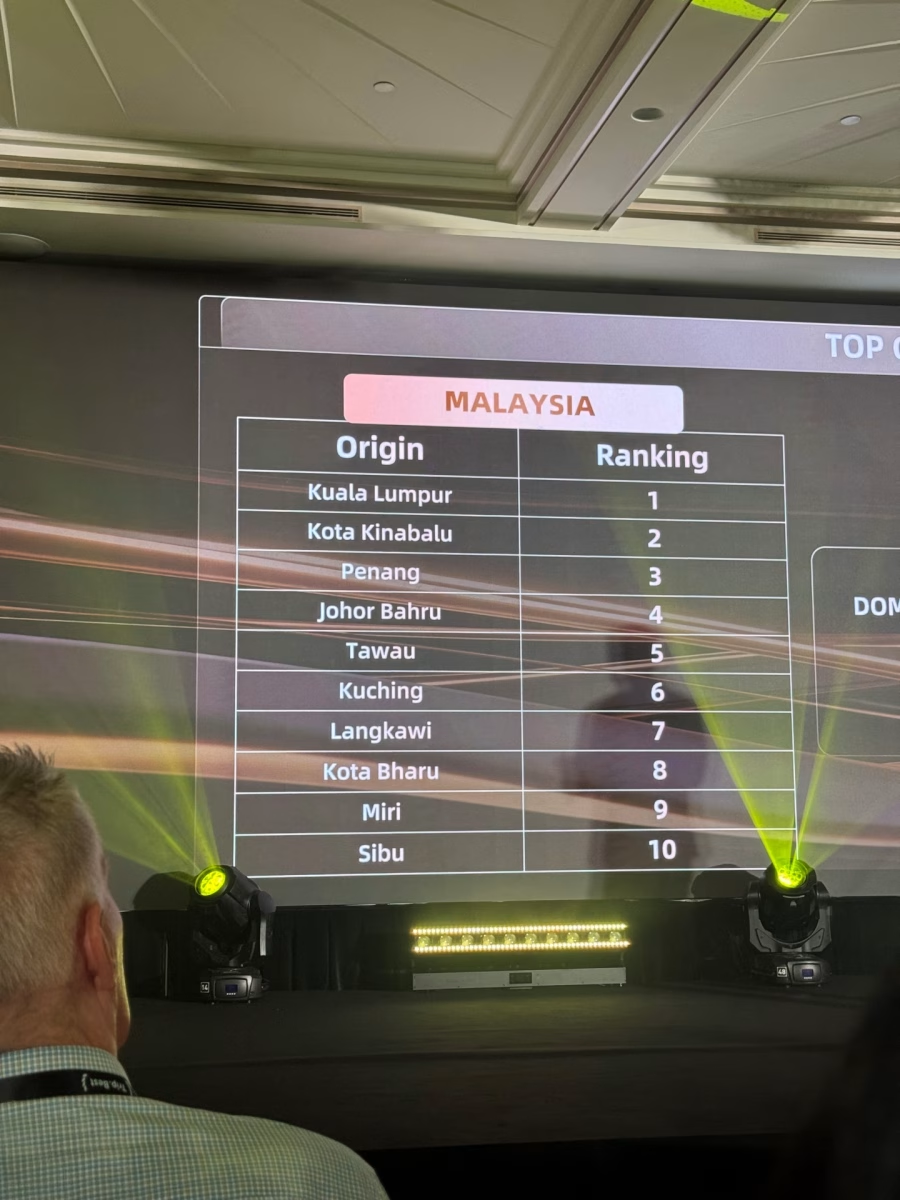
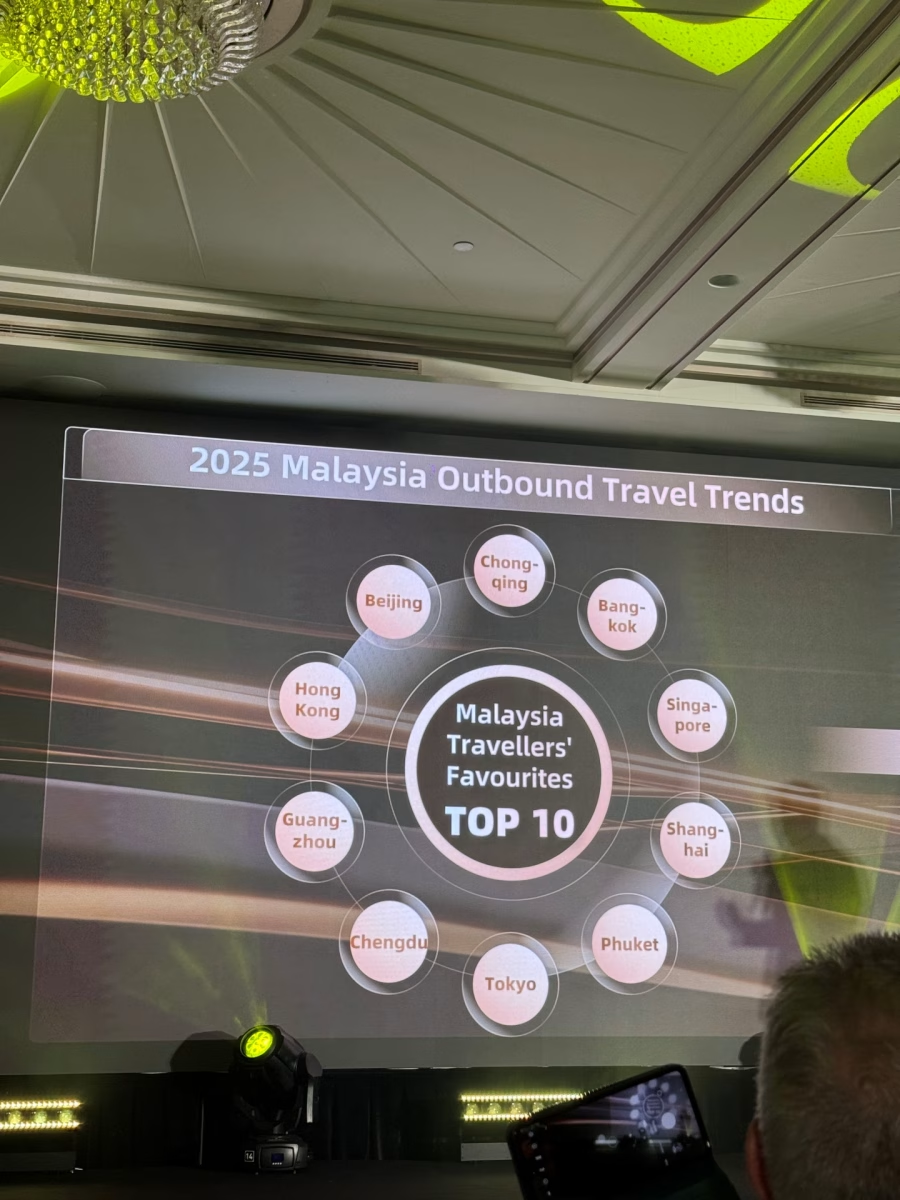
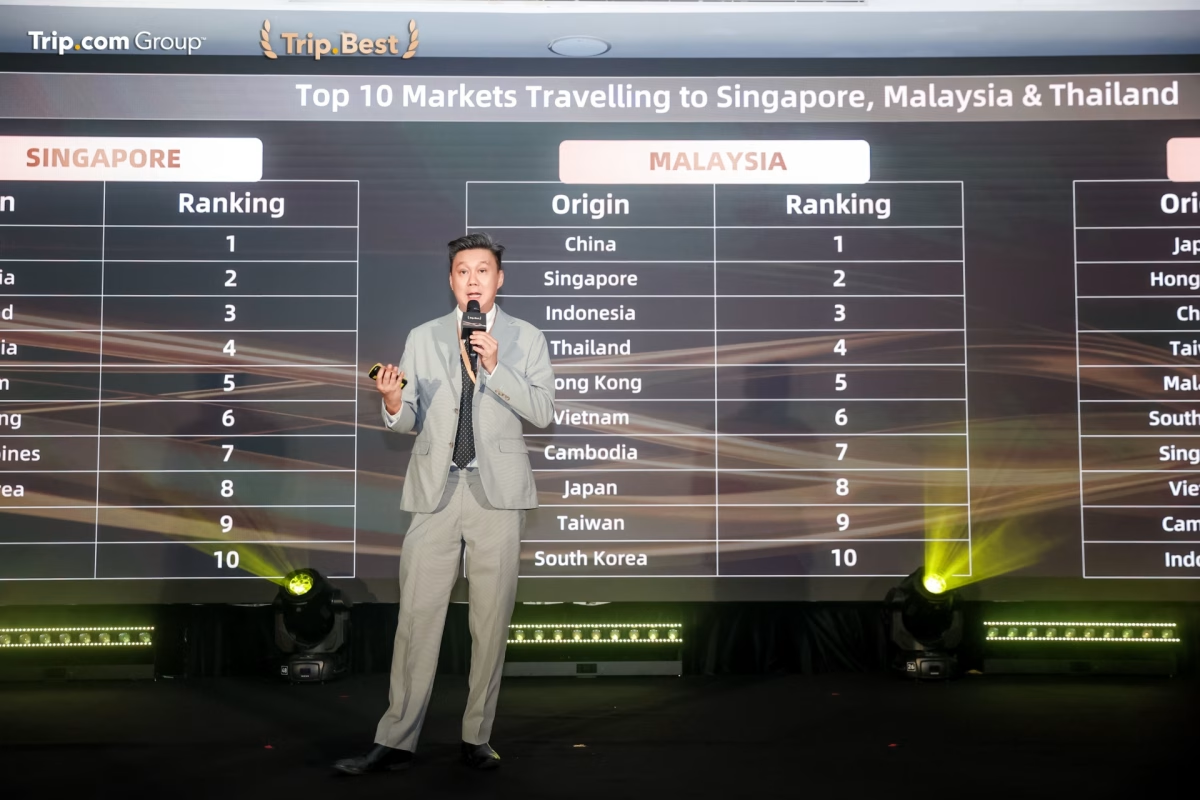
So, where are Malaysians setting their sights? The answer is a familiar yet telling mix. China, Singapore, Japan, Thailand and Hong Kong currently top the list of international destinations. It is a line-up that balances culture, cuisine, convenience and curiosity, with Japan’s perennial charm and China’s renewed allure firmly back in focus.
Closer to home, domestic travel is anything but an afterthought. Kuala Lumpur continues to anchor the list, vibrant and ever evolving. Kota Kinabalu draws nature lovers in droves, Penang keeps seducing travellers with its layered heritage and food culture, Johor Bahru thrives on its easy accessibility, while Tawau quietly appeals to those looking for something a little less obvious.
The interest, it seems, is mutual. Malaysia is seeing strong inbound traffic from China, Singapore, Indonesia, Thailand and Hong Kong, a mix that reflects both regional connectivity and the country’s enduring appeal as a diverse, welcoming destination.
A Conversation with Trip.com

Beyond the numbers, the roadshow offered valuable perspective from those shaping travel behind the scenes. The Gaya Travel Magazine team sat down with Edmund Ong, Senior Regional Director for Southeast Asia and General Manager of Trip.com Singapore, who spoke candidly about the road ahead, particularly with Visit Malaysia 2026 approaching.
Trip.com, he shared, is ready to step firmly into the spotlight. A three-year strategic partnership with Tourism Malaysia is already in place, with a dedicated Visit Malaysia campaign set to launch in the first quarter of next year. He also said that Trip.com will be focusing on active collaborations with local industry players, from working closely with Malaysia Airlines and AirAsia to strengthening hotel partnerships with names such as Resorts World Genting.
The approach is deliberately regional. Southeast Asian travellers are the immediate focus, before widening the lens to larger markets such as China. Hong Kong and South Korea also loom large, with South Korean travellers showing a strong appetite for Malaysia’s resorts and well-regarded golf courses.
Not All Travellers Travel Alike
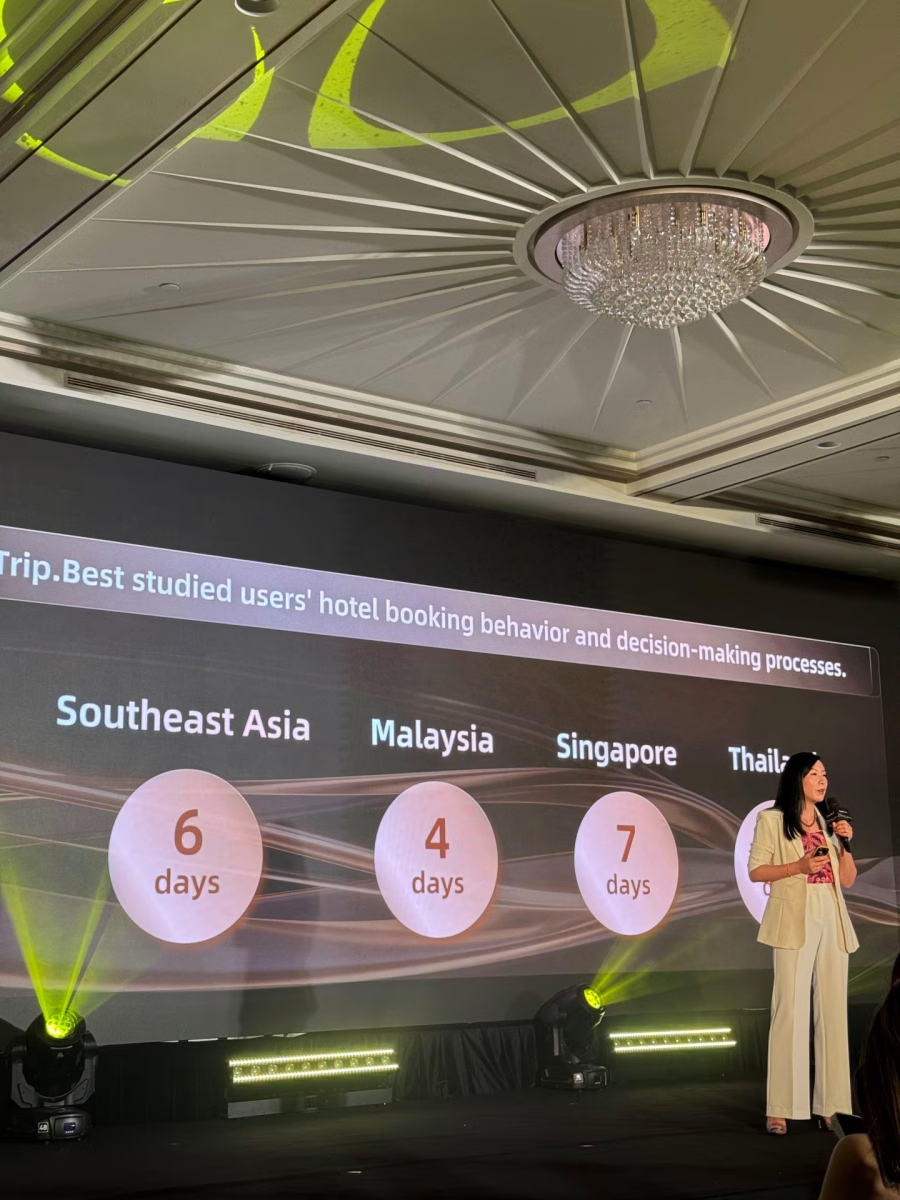
One of the more intriguing insights shared was the difference in travel preferences across the region. Singaporean travellers, buoyed by higher affluence, tend to favour full-service carriers such as Singapore Airlines and opt for four or five-star hotels. In contrast, travellers from other Southeast Asian countries strike a more balanced approach, mixing low-cost and full-service carriers while choosing three or four-star hotels that offer value without sacrificing comfort.
Trip.com has also placed thoughtful emphasis on Muslim-friendly travel. The platform offers filters for halal restaurants and hotels with halal kitchens. Regular interviews with Muslim travellers help Trip.com understand real needs, allowing the team to develop scalable features that genuinely improve the travel experience. It is a practical approach that resonates, particularly in a region where Muslim travel continues to grow.
For travellers keen on stretching their ringgit, Trip.com’s advice is reassuringly straightforward. Book as early as possible, avoid weekend flights by travelling on Tuesdays or Wednesdays, and keep an eye out for exclusive airline deals. Double-digit mega sales and offline travel fairs also remain fertile ground for savvy savings.
Good travel, it turns out, is often about good timing.
Looking ahead to the next six months, Trip.com expects travel within Southeast Asia to gather pace. The reasons are easy to see. The region offers remarkable diversity, warm hospitality, reassuring safety, good value and the ease of English widely spoken. With both inbound visitors and intra-regional travellers on the rise, the outlook for the industry feels decidedly optimistic. And that, in our book, is very good news indeed.
About The Author


Officially a Deputy Editor with over 10 years in travel media. Unofficially? A professional suitcase overpacker with a knack for turning chance encounters and itineraries into vivid, story-driven features. When not fine-tuning articles, she's likely front row at a concert, taste-testing something spicy, or deep in a conversation that veered wonderfully off-topic.




Leave a Reply