
The Coolcation Guide: Why New Zealand Is Winter’s Hottest Escape for SG/MY Travellers
It’s no secret that Singaporeans and Malaysians travel well – but increasingly, they’re also travelling smart.
According to Skyscanner, more travellers are now planning trips around the shoulder seasons, looking to dodge crowds, escape the heat, and stretch their dollar further. Interest in cooler-climate getaways is on the rise, with “coolcations” emerging as a defining travel trend rather than just a buzzword.
New Zealand’s winter (June to August) answers that demand in a way few destinations can.
New Zealand in winter offers a different kind of reset – crisp alpine air, frost-tipped mornings, blue-sky days, and evenings spent fireside. A change of pace and landscape that feels worlds away, yet just a direct, 10-hour flight from Singapore.
Beyond the postcard scenery, winter in New Zealand offers a surprisingly diverse range of experiences:
Snow Sports
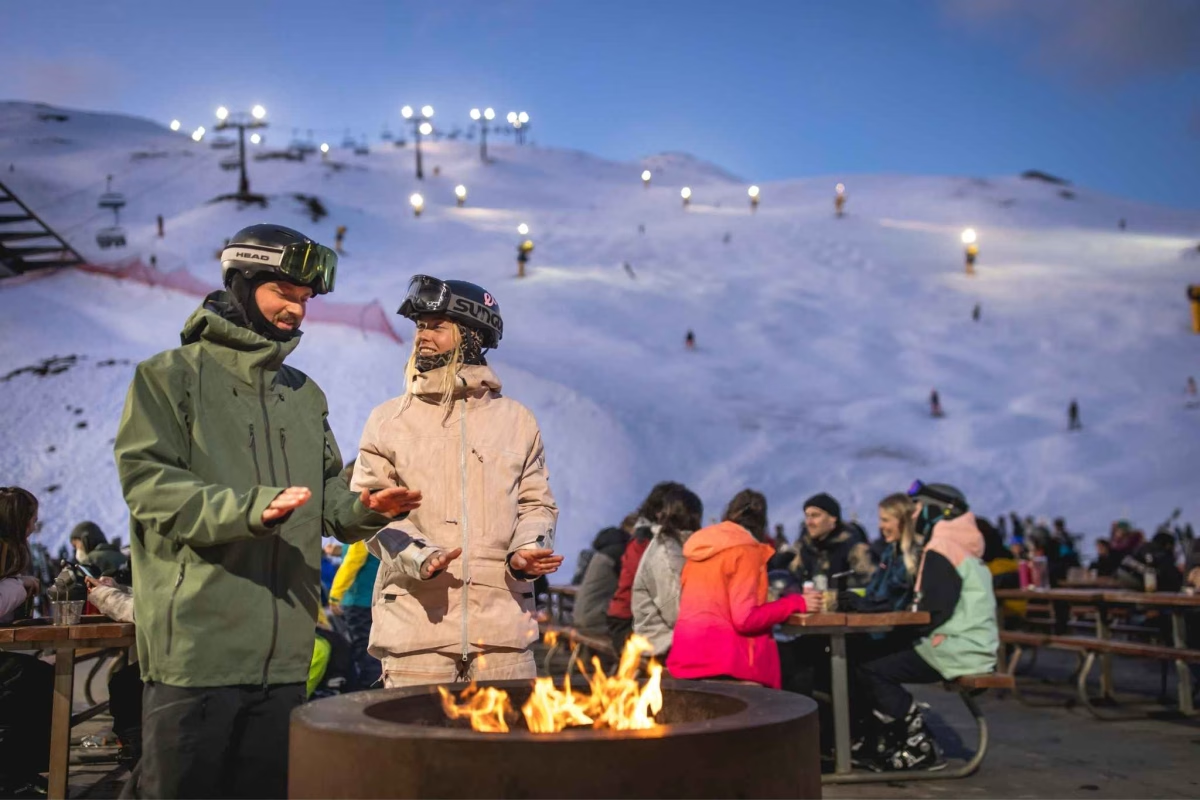
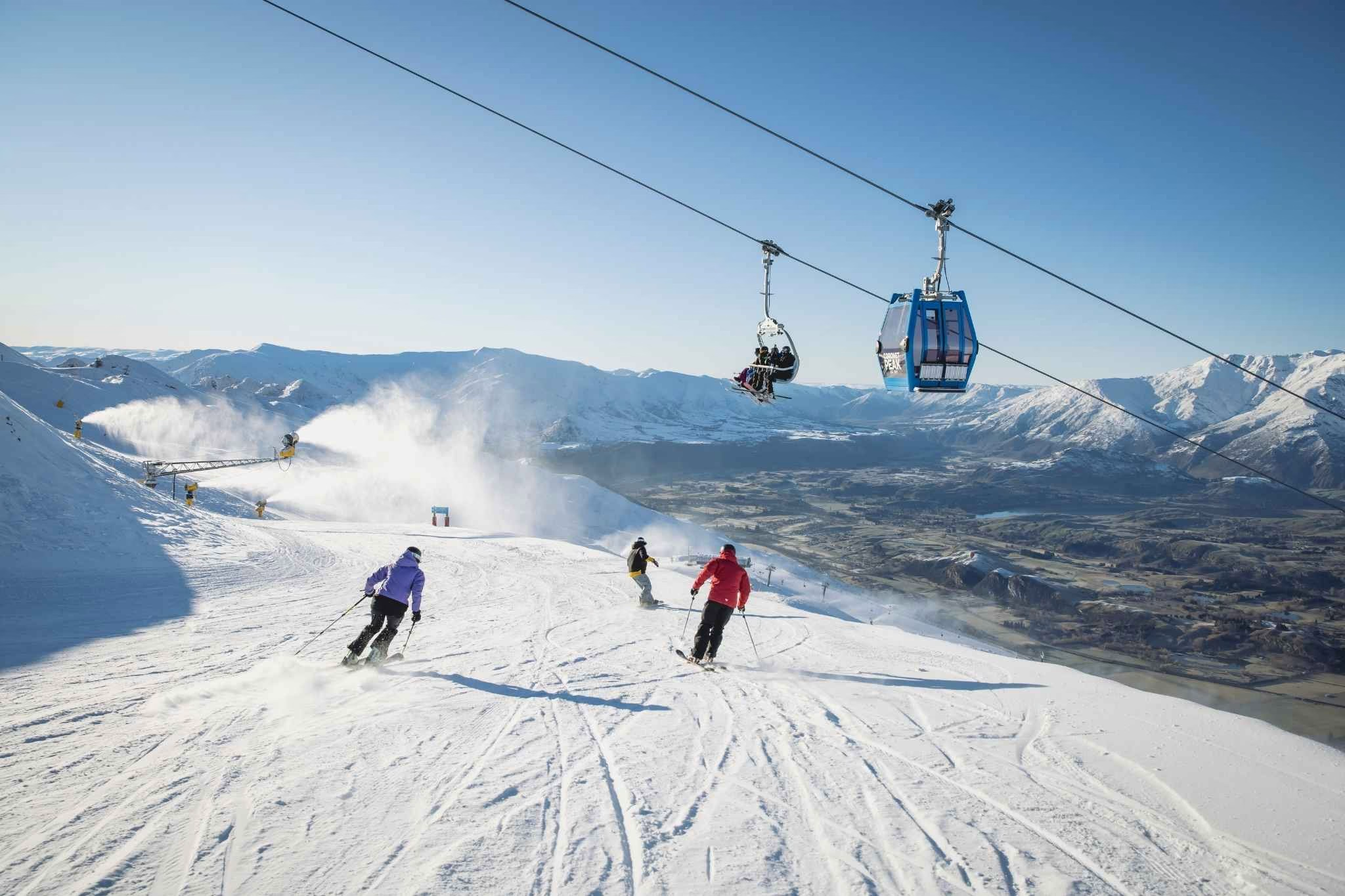
New Zealand’s ski season runs from mid-June to mid-October, with peak conditions in July and August. From Queenstown to Wānaka, travellers can expect world-class slopes alongside vibrant alpine towns. Find your next skiing and snowboarding holiday on https://www.newzealand.com/sg/skiing/
Whale Watching (Best in Winter)
Winter is peak migration season in Kaikōura, offering one of the rare opportunities globally to spot sperm whales, humpbacks and even blue whales up close. In the North Island, the Hauraki Gulf near Auckland is home to nearly a third of the world’s marine mammal species, including the critically endangered Bryde’s whale.
The Southern Lights (Aurora Australis)
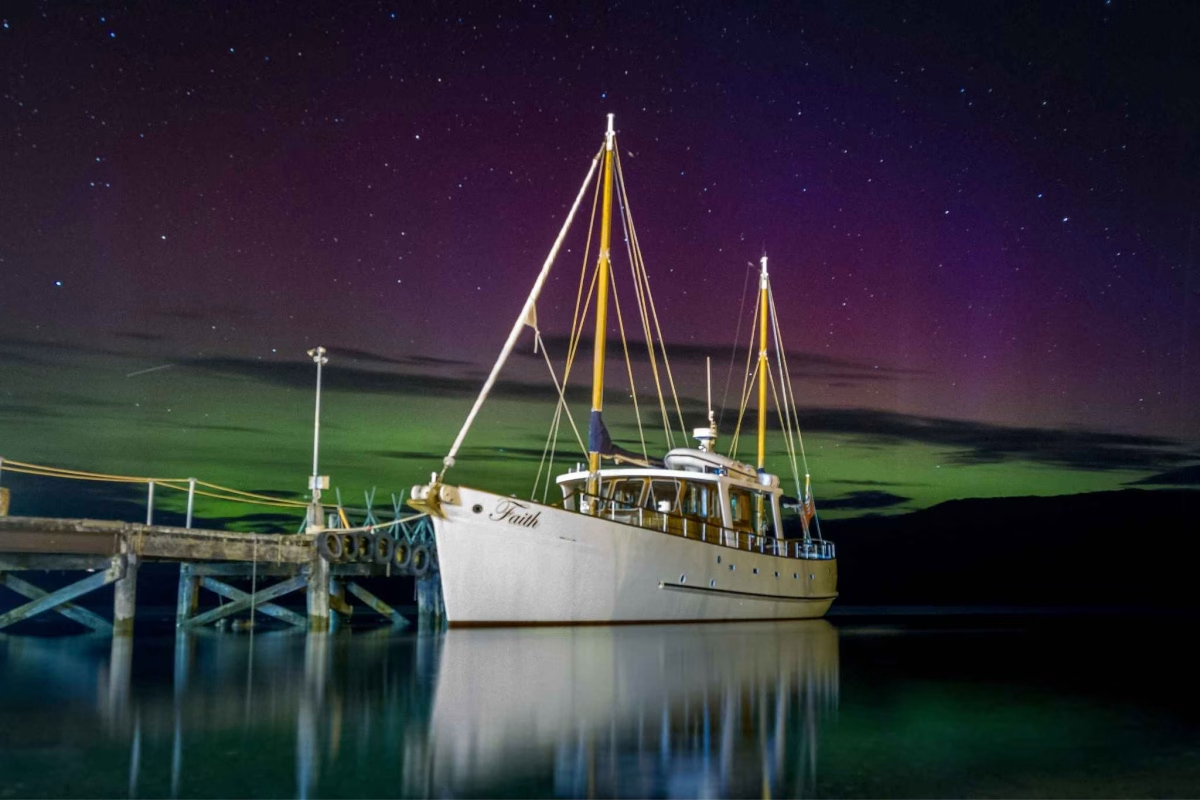
While the Northern Lights are well known, fewer realise that New Zealand offers front-row access to the Aurora Australis. Winter’s longer, clearer nights make it the ideal time to catch this phenomenon – particularly in the Aoraki Mackenzie International Dark Sky Reserve or Rakiura (Stewart Island), whose Māori name fittingly means “glowing skies”.
Hiking Without the Crowds
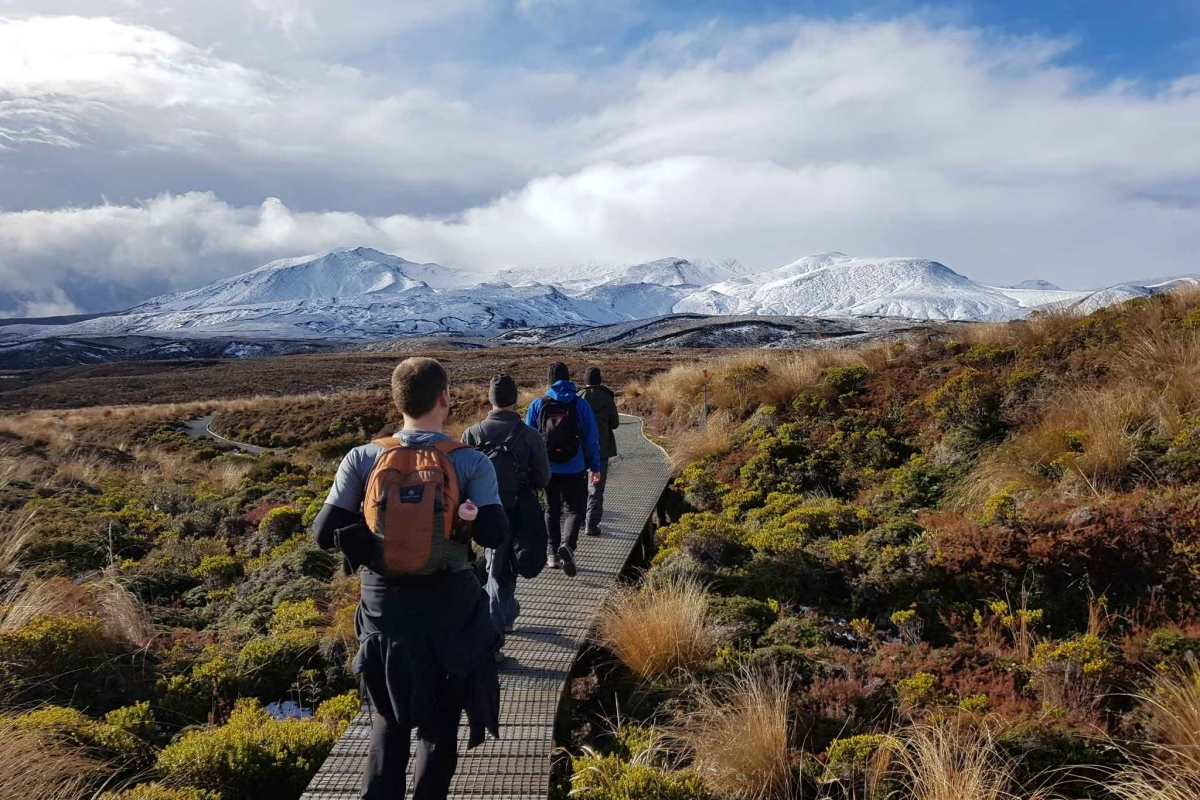
Off-season hiking offers a quieter, more dramatic perspective of New Zealand’s landscapes. The Tongariro Alpine Crossing, often ranked among the world’s best day hikes, takes on an otherworldly beauty in winter – with snow-dusted terrain and emerald crater lakes set against a stark volcanic backdrop.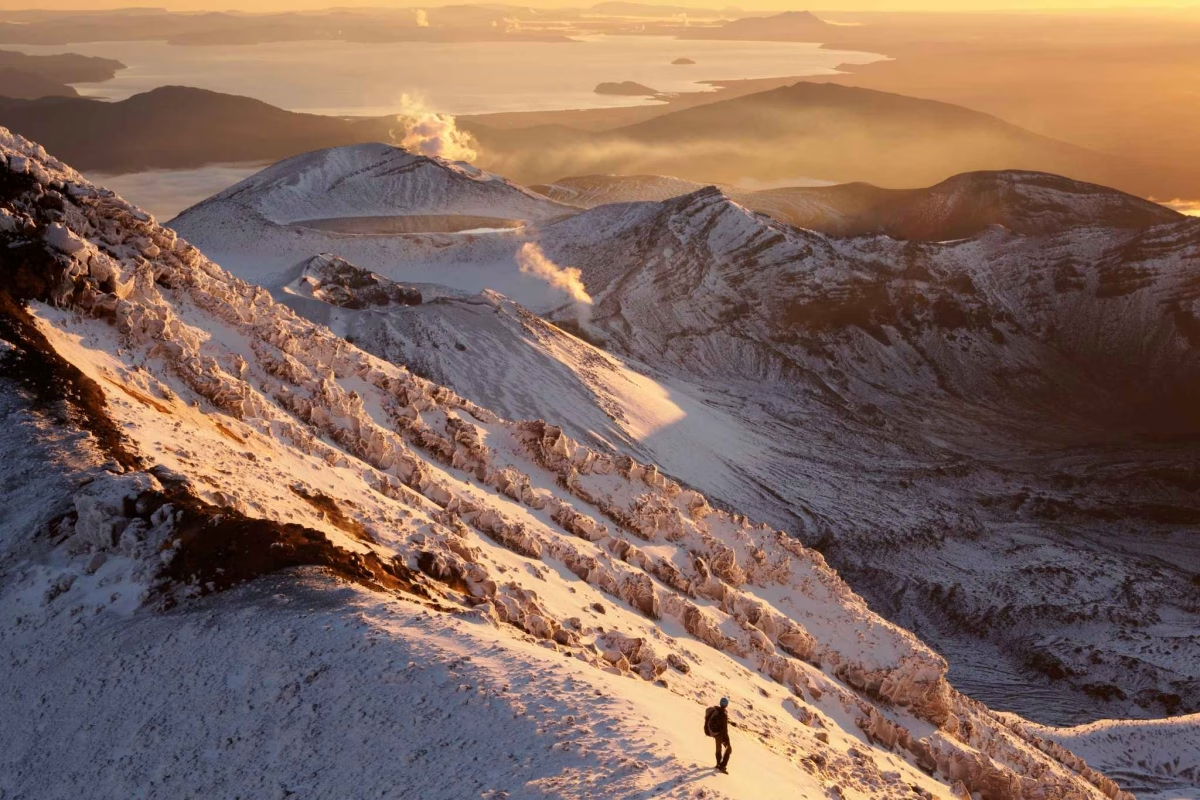
Hot Pools & Geothermal Escapes
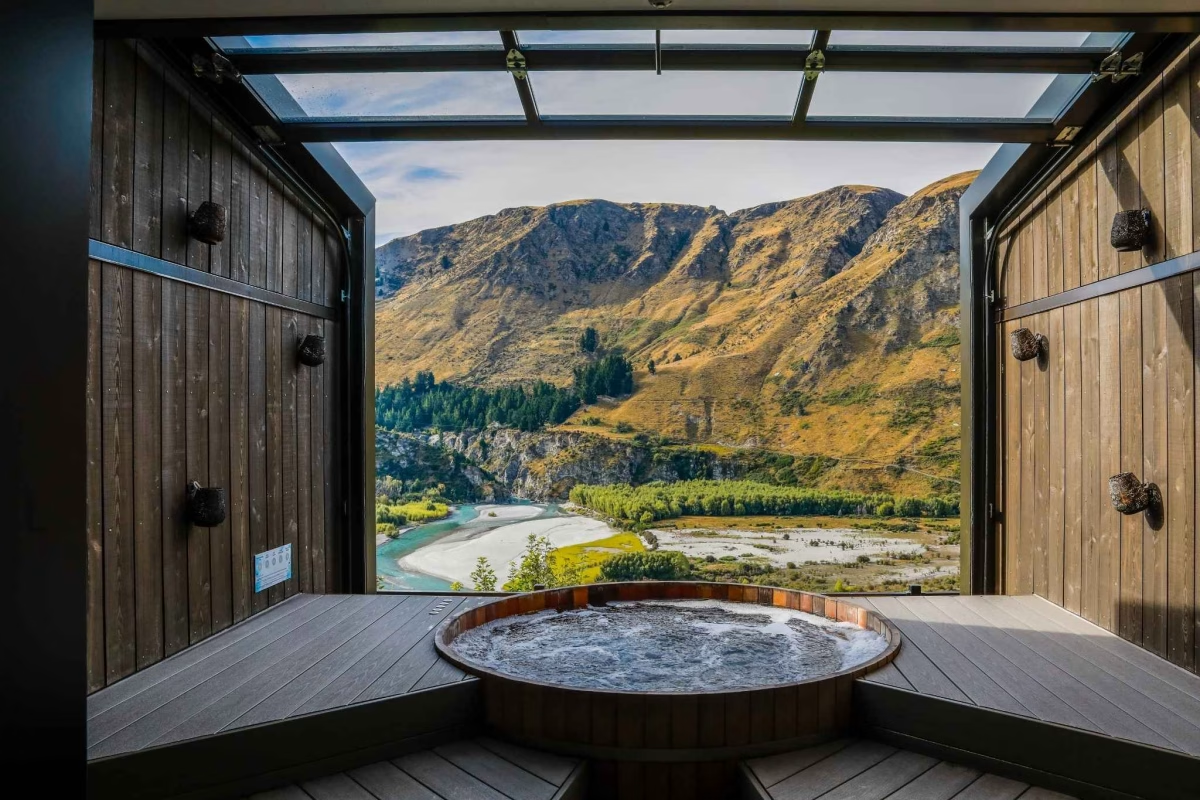
In New Zealand, winter is less about beaches and more about hot pools. In Queenstown, Onsen Hot Pools offers a serene soak overlooking alpine scenery, while Rotorua’s geothermal sites like Hell’s Gate deliver a more dramatic, elemental experience, with steaming vents and mineral-rich mud baths shaped by the land itself.
Together, these experiences reflect a different kind of winter holiday – one that balances adventure with stillness, and spectacle with slow travel. For more information about spending Winter in New Zealand, travellers can refer to https://www.newzealand.com/sg/feature/discover-winter-in-new-zealand/
About The Author




Leave a Reply