
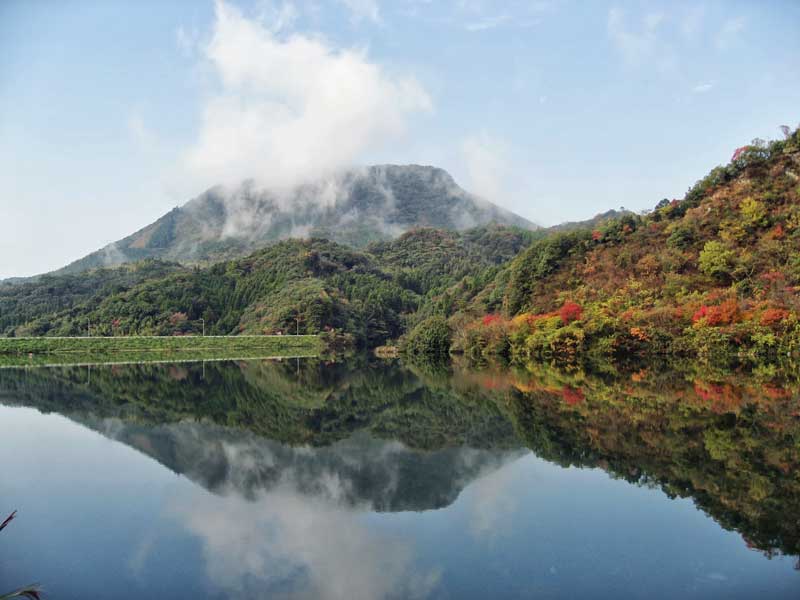
Walk Japan’s Kunisaki Retreat Cleanses Mind, Body and Soul for a Fresh Start to 2017
12th January 2017 – Walk Japan’s Kunisaki Retreat takes customers to the countryside of the Kunisaki Peninsula on Kyushu, Japan’s most westerly main island. Nestled into the western end of Japan’s Seto Inland Sea, modern Japan has left this quiet haven of rural life largely untouched and few Japanese, and even fewer foreigners, have heard of it let alone visited.
Little developed, Kunisaki is dotted with sleepy hamlets, covered in verdant forests and paddy fields interspersed with craggy ridges and mountains. It is a delightful area where the pace of life has been left far behind by the frenetic speed found in Tokyo’s great metropolis and the country’s other vast cities. As with all Walk Japan tours, on the Kunisaki Retreat customers will be immersed in Japanese culture of the past and present, enjoy Japanese farmhouse cooking at its best, and luxuriate in onsen (thermal hot spring) baths, all of which are set amidst beautiful scenery.
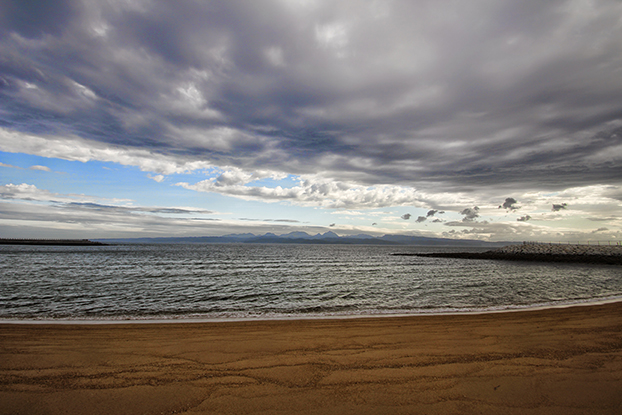
The principal accommodation during the Retreat is in a family-owned inn adjacent to one of the most simple and elegant Buddhist structures found in Japan. Most mornings start with instructed meditation and yoga sessions followed by a Japanese breakfast. The meditation is led by the accommodation’s host who is also the abbotin-waiting of Fuki-ji. Yoga is taught by a local practitioner who incorporates meditation and other forms of body work in to her session, which is suited to all levels.
With its emphasis on local produce and cuisine, dining here is an experience in itself. The Kunisaki Retreat also features activities such as making soba buckwheat noodles, ikebana flower arranging, chado tea ceremony and Japanese taiko drumming. Soba is grown locally and the principal inn specialises in producing some of the best noodles in Kunisaki. The host of the inn will instruct customers in the art of soba making; turning a simple ingredient into a delicious and nutritious dish. Chado and ikebana are arts closely associated with buddhism and meditation.
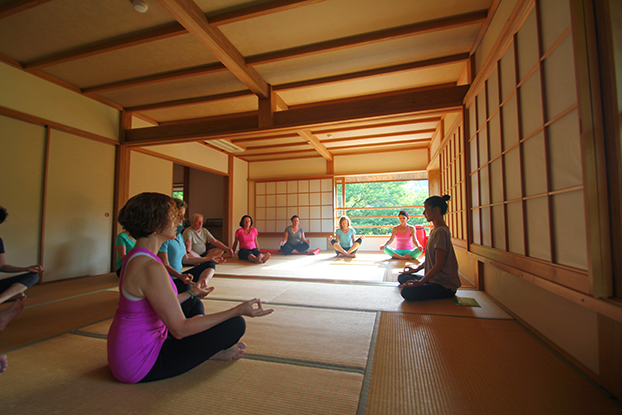
The Kunisaki Peninsula is criss-crossed with little used ancient pilgrimage trails and paths once used by monks and the locals. Customers will stroll along some of the easier, less precipitous routes immersing themselves in the magnificent scenery of the Peninsula, including one of the most picturesque villages in Japan and the grounds of a long-gone temple complex that still retains evocative reminders of its hey-day as one of the Peninsula’s biggest religious institutions.
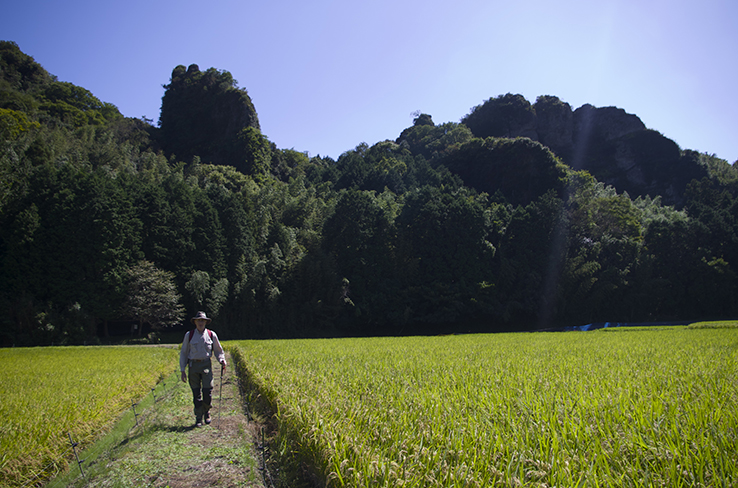
Kunisaki is also the home of Walk Japan’s local office and its Community Project. The Walk Japan office is a refurbished Japanese farm house and a symbol of the Project’s aim of helping revive this delightful area. The tour explores the Project, learns about the native vegetation, discusses the pleasure and problems of rural life in Japan, and takes the opportunity of helping locals maintain their fields and forests and planting native trees to recreate some of the original woodland of the area.
The Kunisaki Retreat was specially curated for those looking to enjoy Japan in a relaxed fashion, while closely interacting with the charming and friendly people of Japan.
How much? Prices for this seven-day, fully guided tour start at JPY316,000 per person and include six nights’ accommodation; six breakfasts, five lunches and six evening meals; plus travel from tour start point to finish point. Not included are flights and drinks with meals.
Walk Japan organises both scheduled and private Kunisaki Retreat tours.
This Level 1 tour is suitable for anyone who can walk for one-two hours in comfort and climb several flights of stairs.
Detailed information about the Kunisaki Retreat tours can be found on Walk Japan’s website (http://www.walkjapan.com/tour/kunisaki-retreat/) and on the Walk Japan Facebook page (https://www.facebook.com/walkjapan).
About The Author






Leave a Reply