

Beyond the Baram: Unveiling the Hidden Heart of Sarawak’s Wild Interior
From the rugged off-road trails of Long San to the misty cascades of the Three Sisters Waterfall, discover how a six-day immersion into the remote Ulu Baram region reveals a soulful tapestry of ancient heritage, resilient communities, and the raw, untouched beauty of Malaysian Borneo.
Sarawak Tourism Board, in collaboration with Gaya Travel Magazine, recently brought selected media, content creators, and influencers on a six-day, five-night familiarisation trip to Ulu Baram, an inland upstream area of the Baram River that is part of the Miri Division in the Malaysian Borneo state of Sarawak.
Sarawak is a land where nature, culture, and history coexist in remarkable harmony, and the journey to Ulu Baram offered an immersive getaway to one of Sarawak’s most remote and culturally rich regions, revealing experiences that go far beyond conventional travel.
Switching from urban gateways to deep interior villages, this journey unfolded with stories of resilience, heritage, and genuine community connection, leaving a lasting impression on all who took part.
Day 1: Arrival in Miri – The Gateway to Northern Sarawak
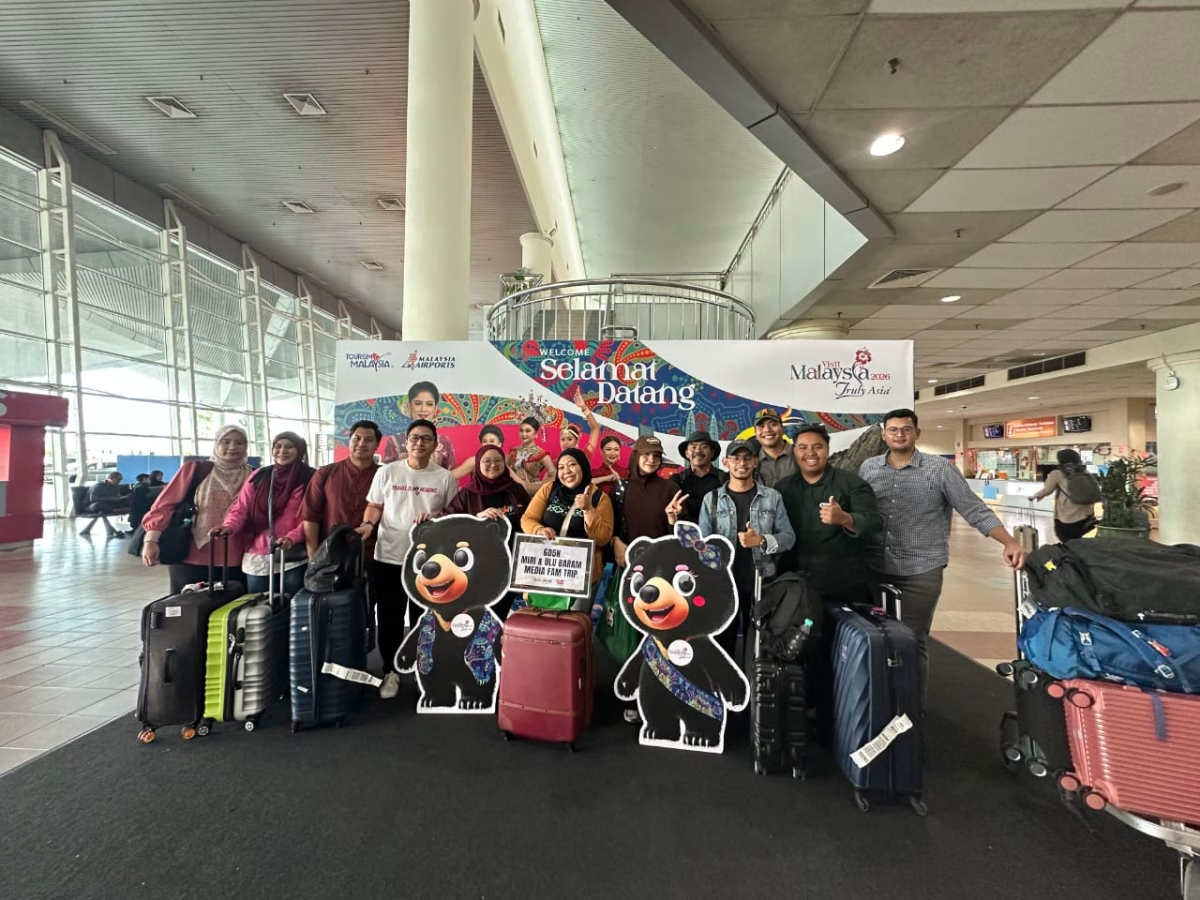
The journey began with the team’s arrival in Miri, often referred to as the gateway to northern Sarawak. Upon arrival, the group was transferred to the hotel for check-in, allowing time to rest after the flight.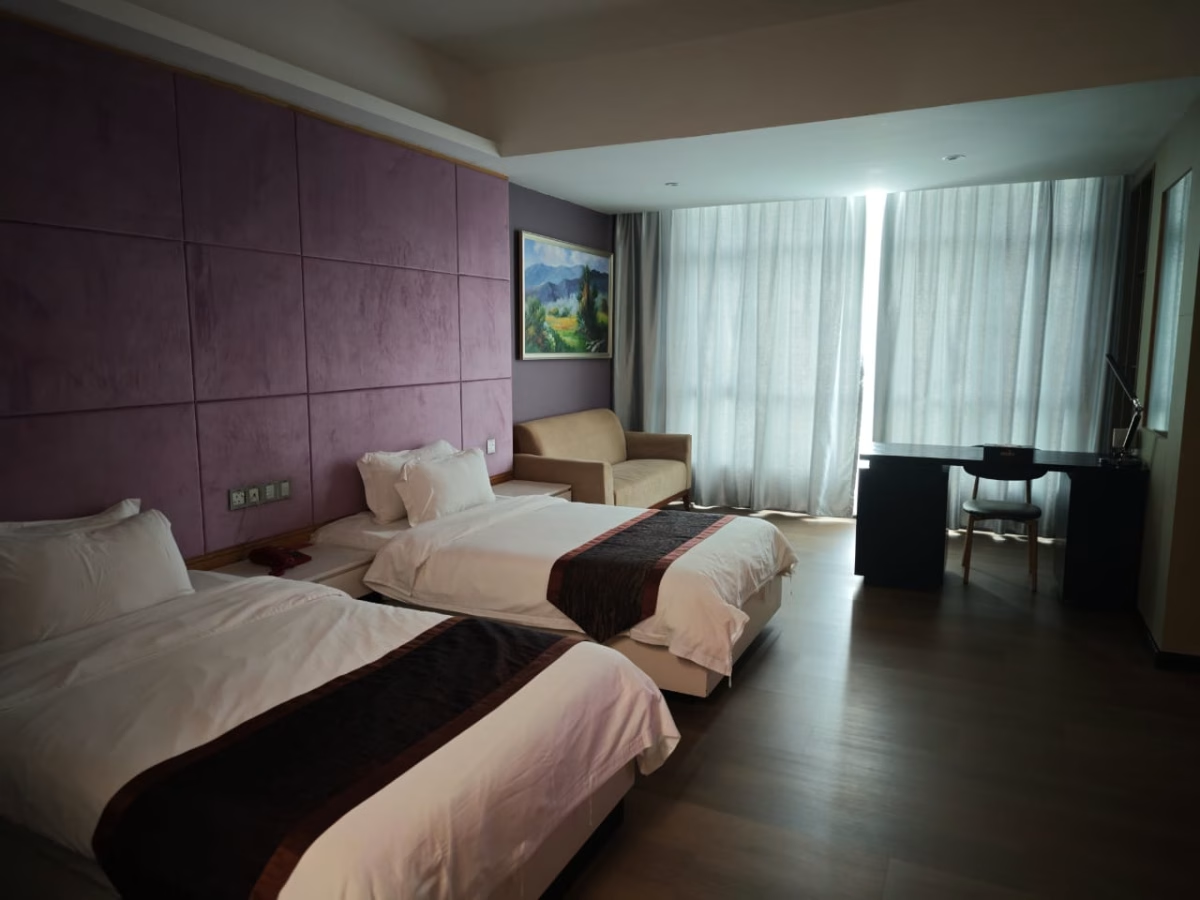
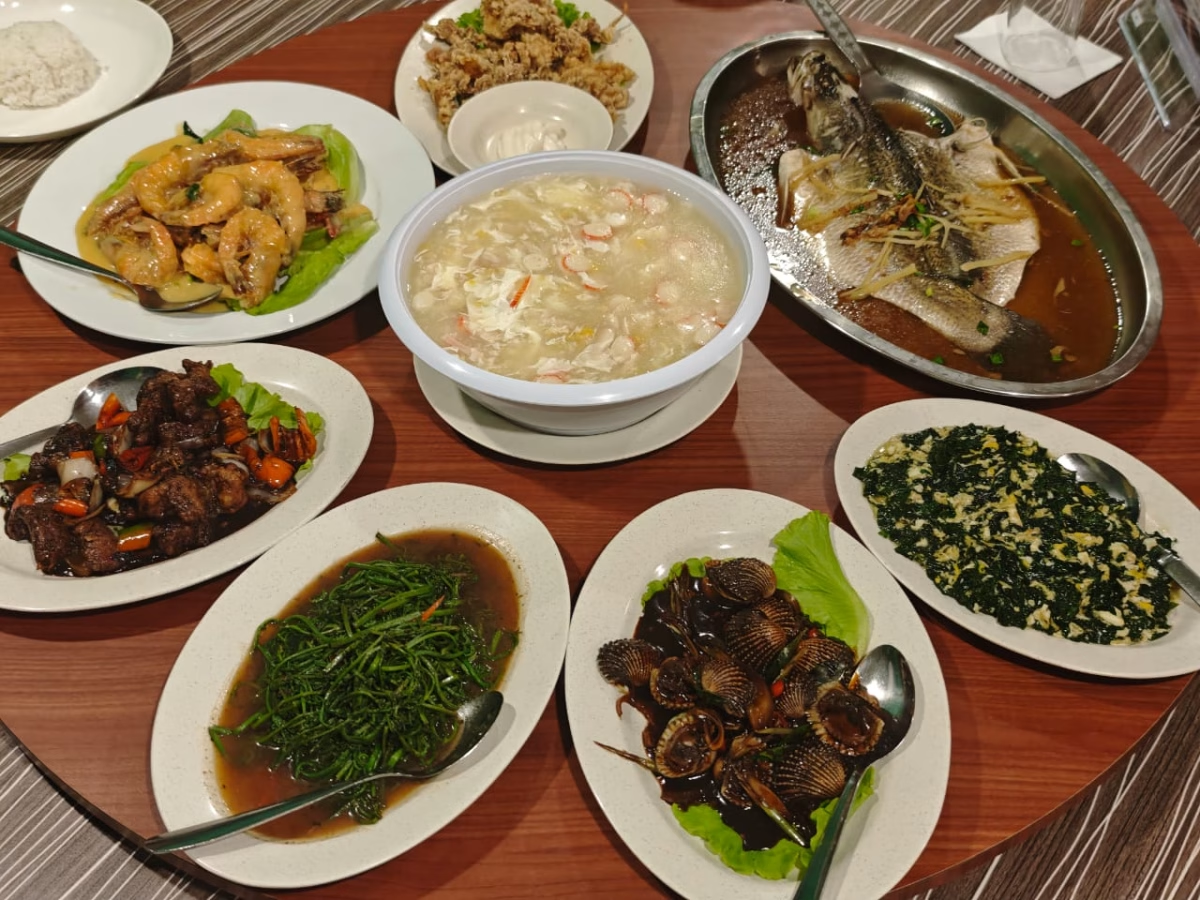
In the evening, the team gathered for dinner at a local seafood restaurant called Uncle Pui Cafe, where a briefing about the journey to Ulu Baram was held. The session introduced the trip’s itinerary and highlighted the significance of Ulu Baram as a destination for sustainable and community-based tourism.
Day 2: Overland Adventure to Ulu Baram – Life in Long San
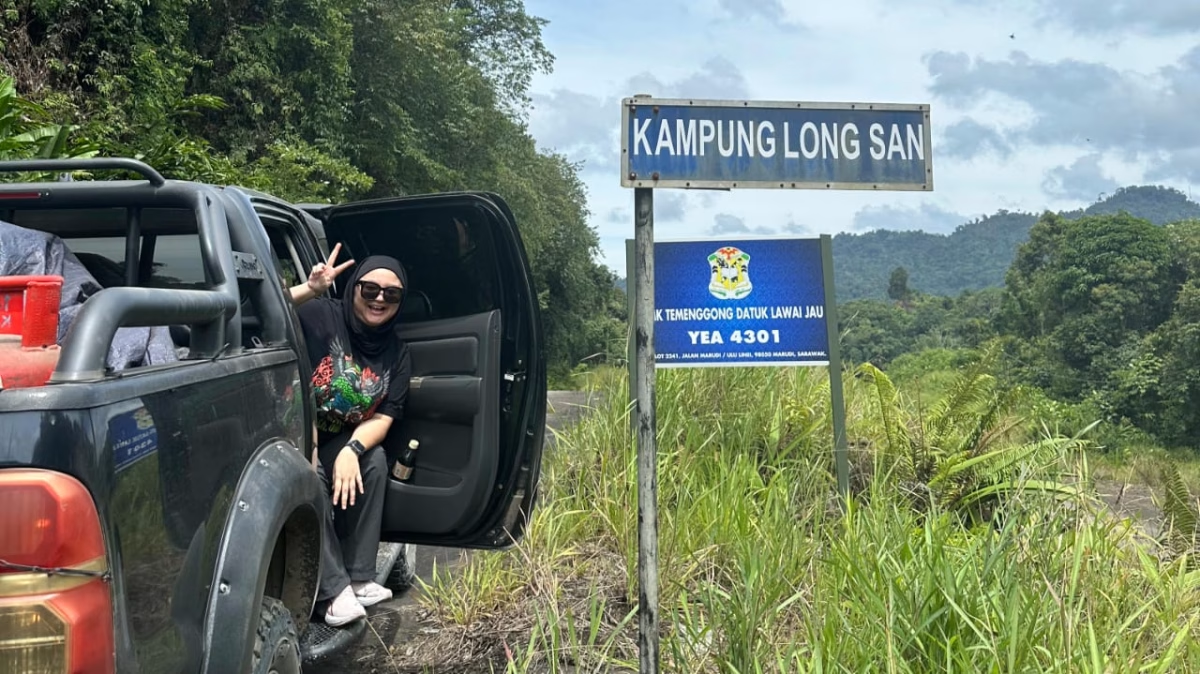
After breakfast and hotel check-out, the journey to Ulu Baram officially began. The five-hour overland drive from Miri to Long San – the first leg of the journey – included off-road sections with rugged and uneven terrain, offering a glimpse into the challenges of accessibility faced by interior communities.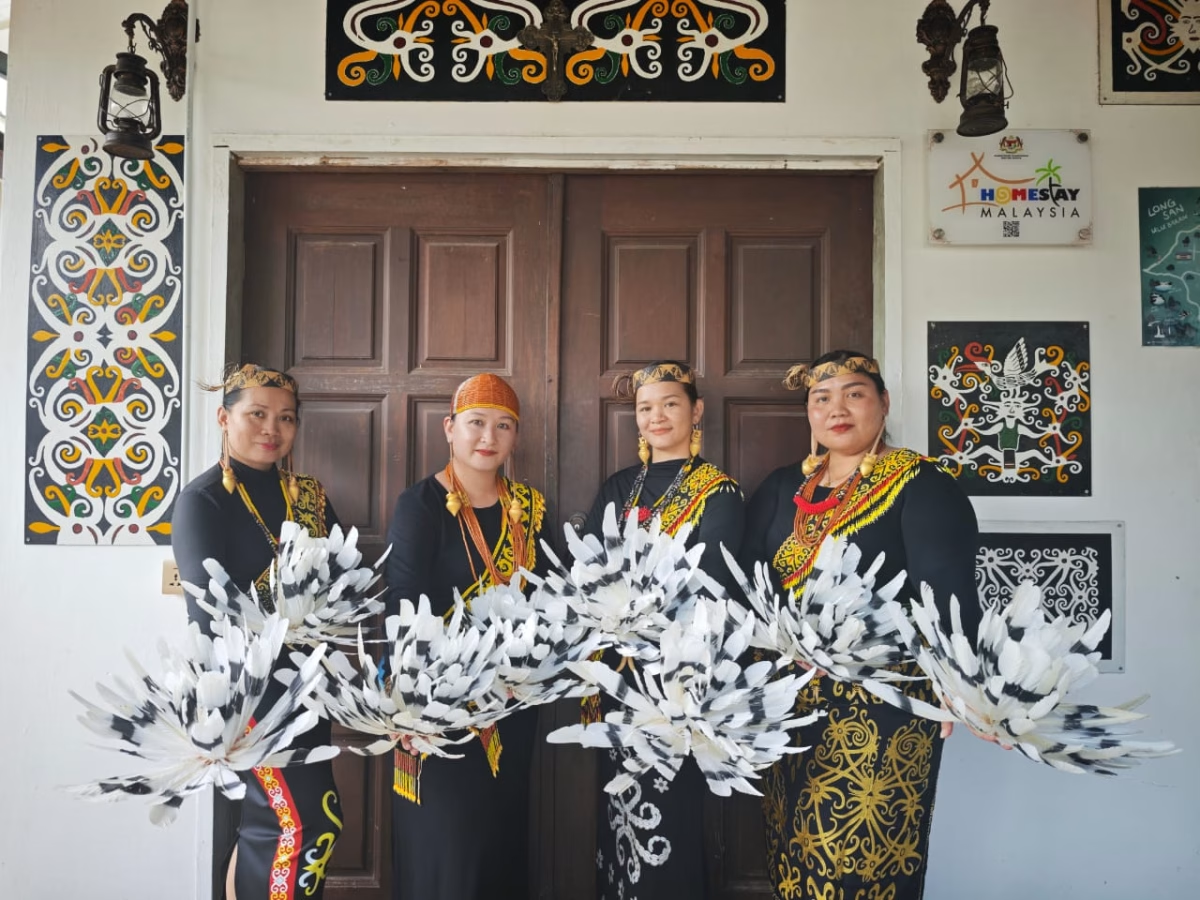
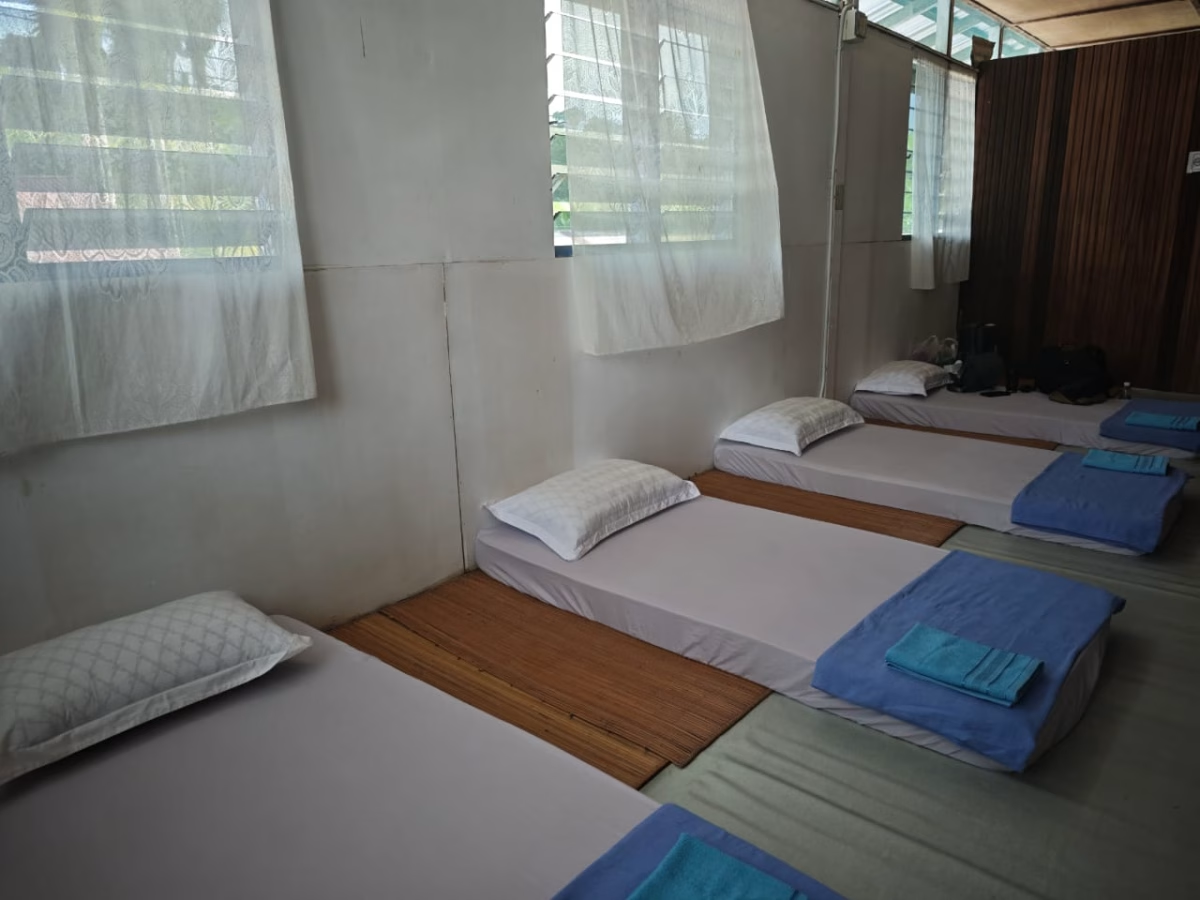
Upon arrival at Long San, the group checked in at Jevinda Village Stay, a homestay that reflects the warmth and simplicity of village life. Lunch was served at the homestay before participants explored the village and interacted with the local community.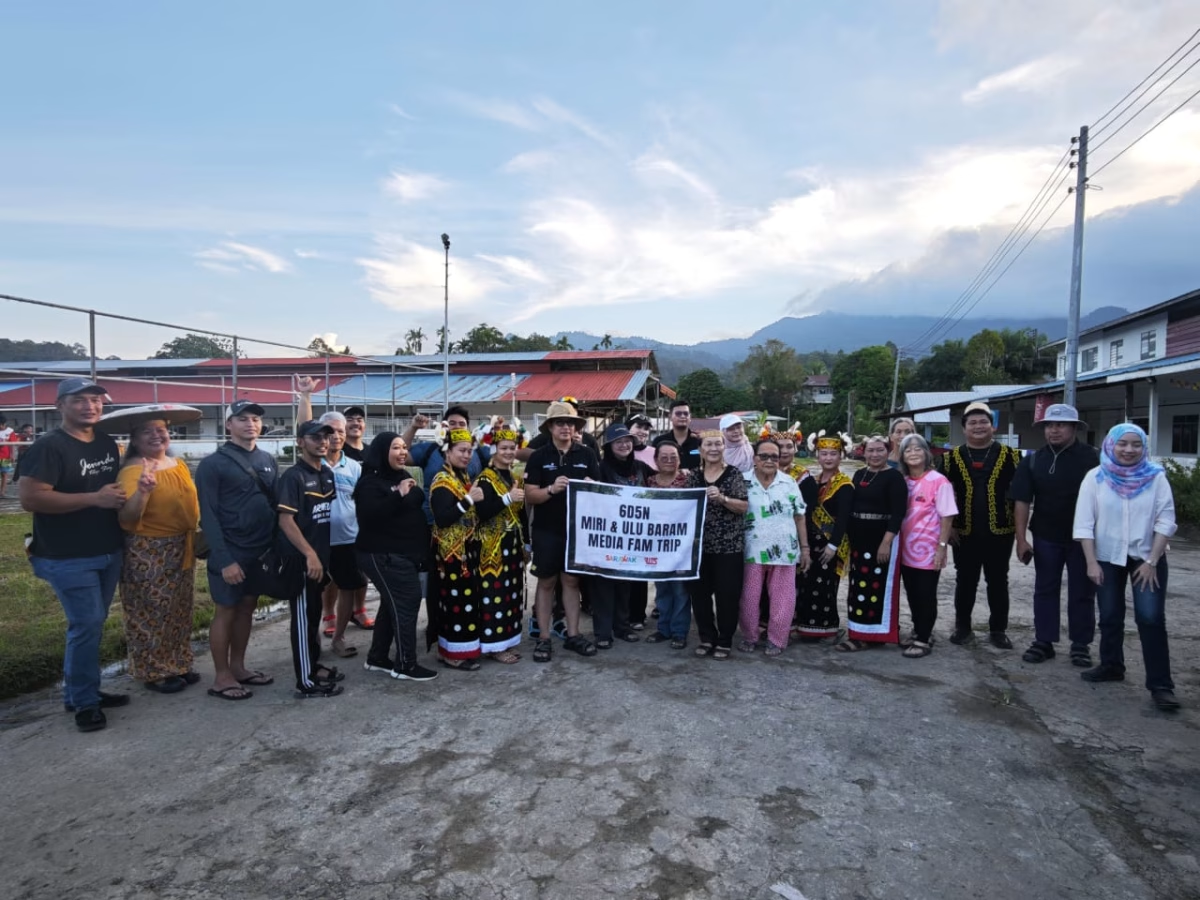
The afternoon continued with a cultural experience featuring a traditional kuih-making demonstration, providing insight into local culinary heritage passed down through generations. The day concluded with dinner at the homestay, surrounded by the peaceful sounds of nature.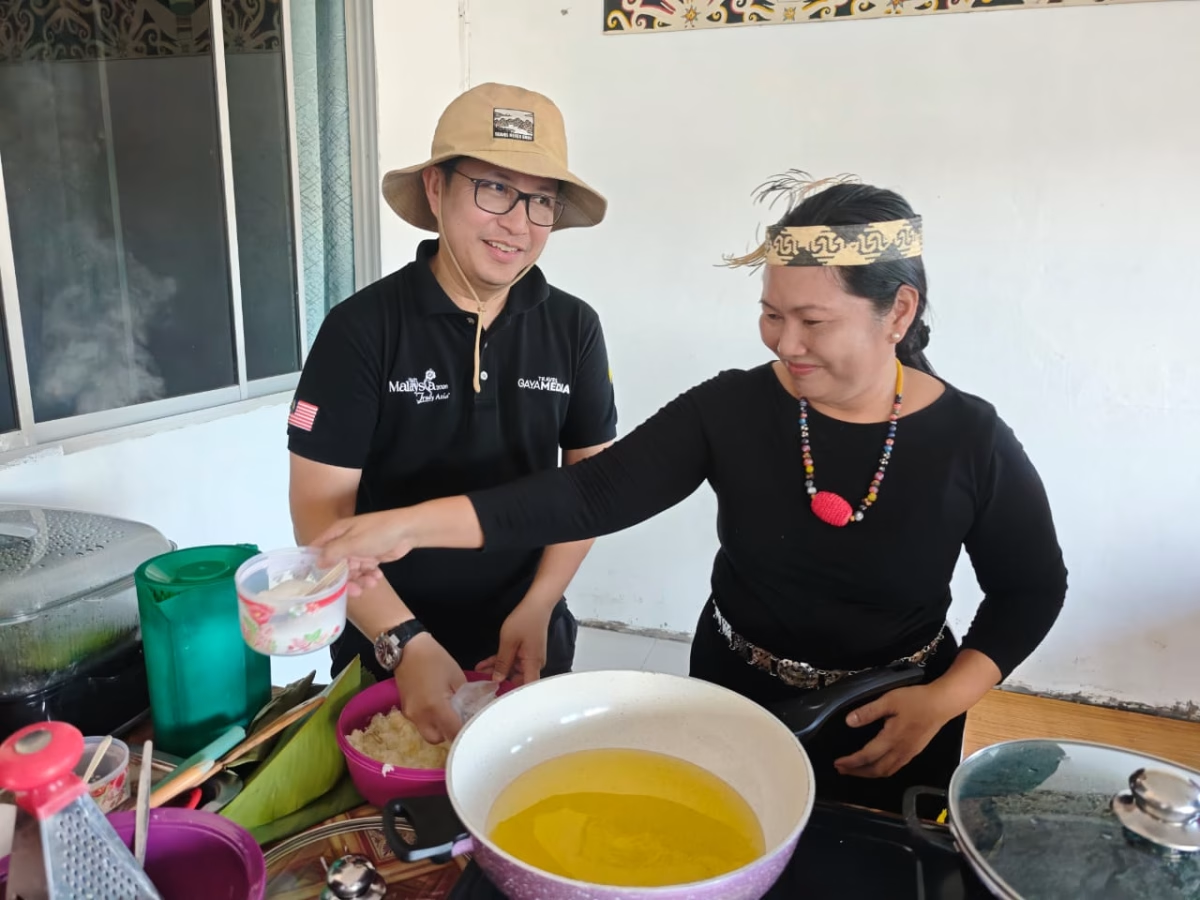
Day 3: Jungle Exploration and Waterfall Adventure
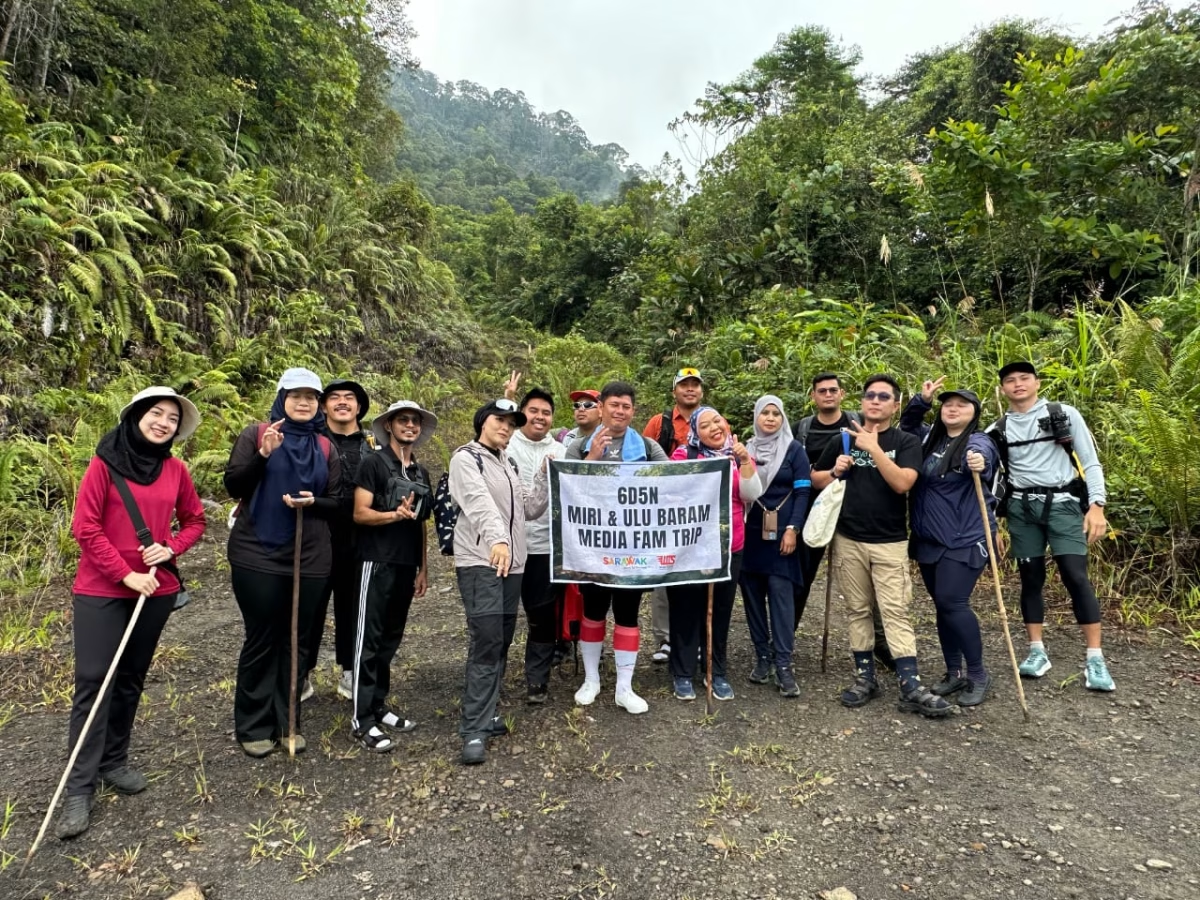
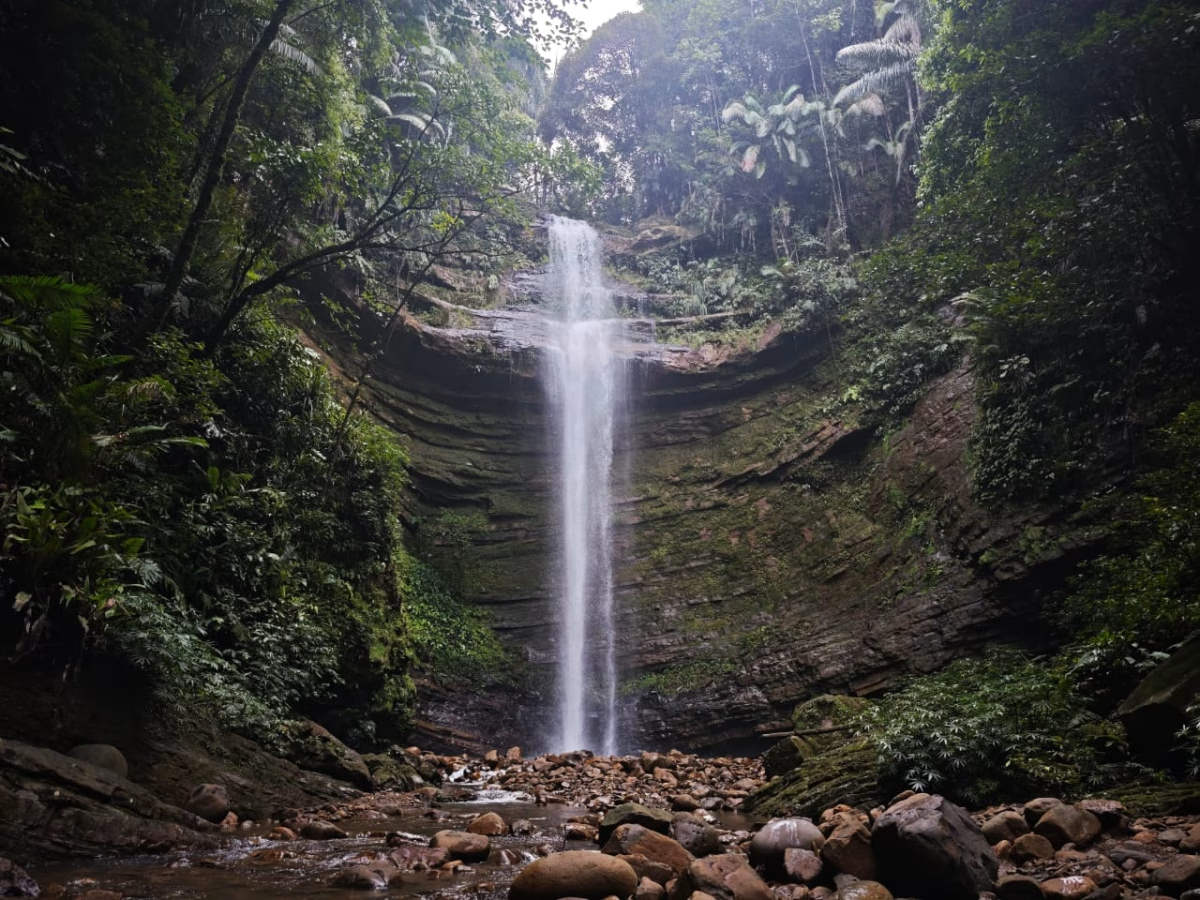
Day three was dedicated to exploring the natural wonders of Ulu Baram. After breakfast, the group departed for U’ong Bilong, followed by a guided hike through lush rainforest trails.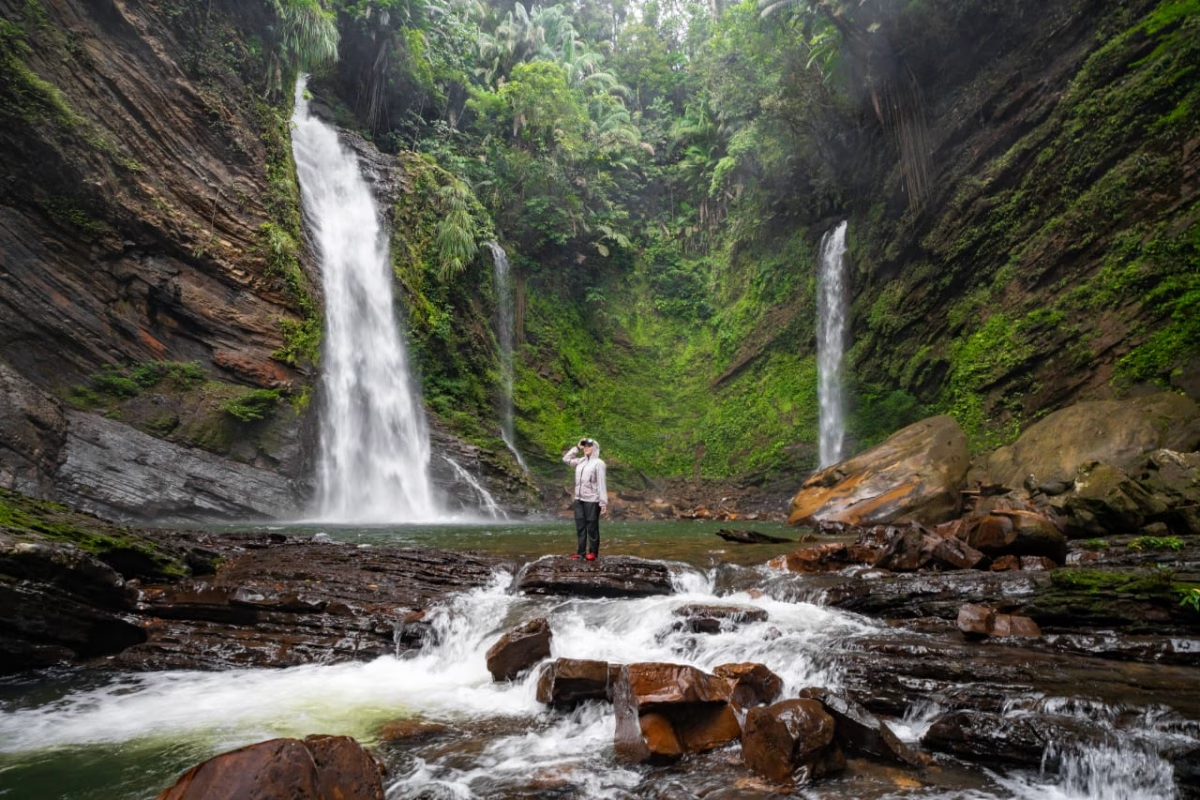
The journey continued deeper into the jungle, leading to the stunning Three Sisters Waterfall. The hike, though physically challenging, rewarded the team with breathtaking views and moments of reflection amid untouched natural surroundings. A packed lunch was enjoyed in the jungle, allowing participants to truly appreciate the serenity of the environment.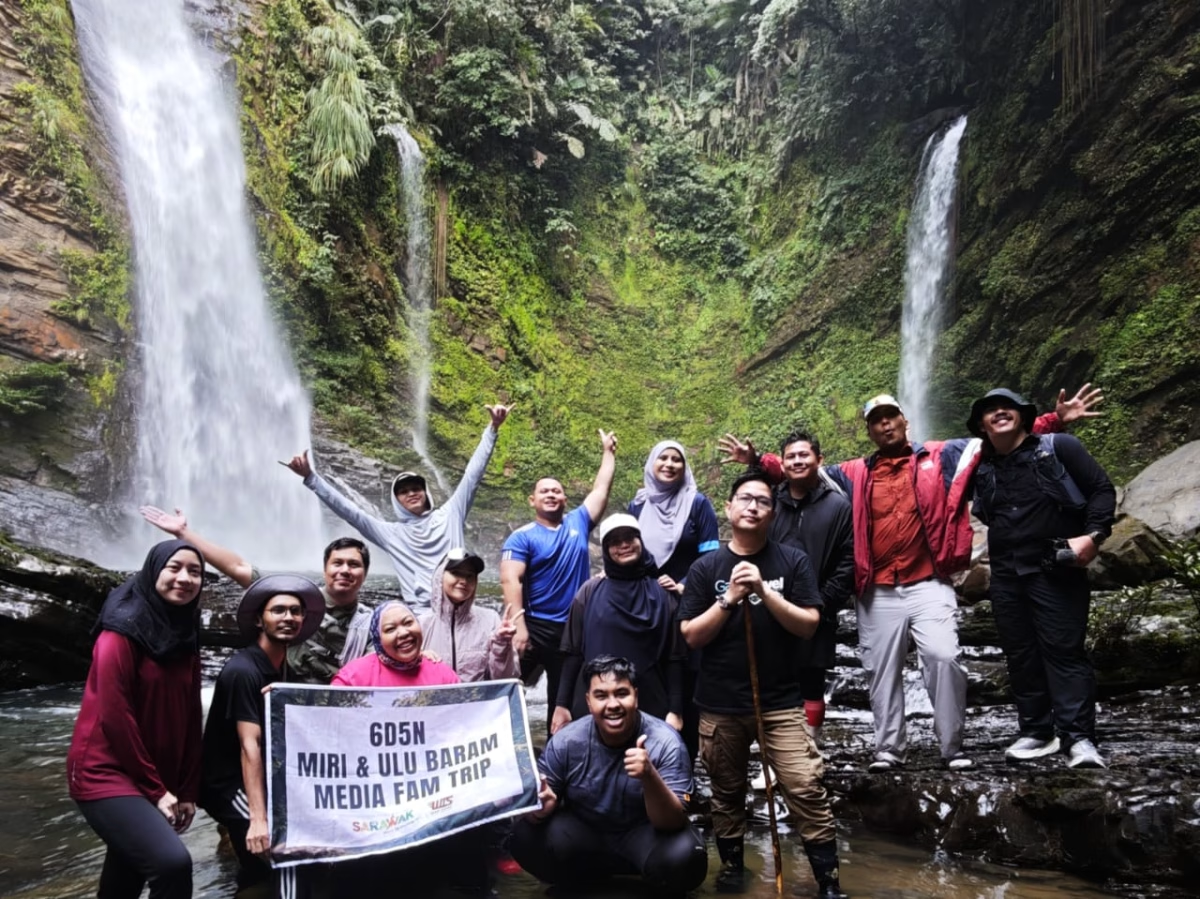
The day ended with a return to the homestay, where participants had time to relax before dinner, reflecting on the raw beauty of Sarawak’s interior landscapes.
Day 4: River Journeys and Cultural Immersion
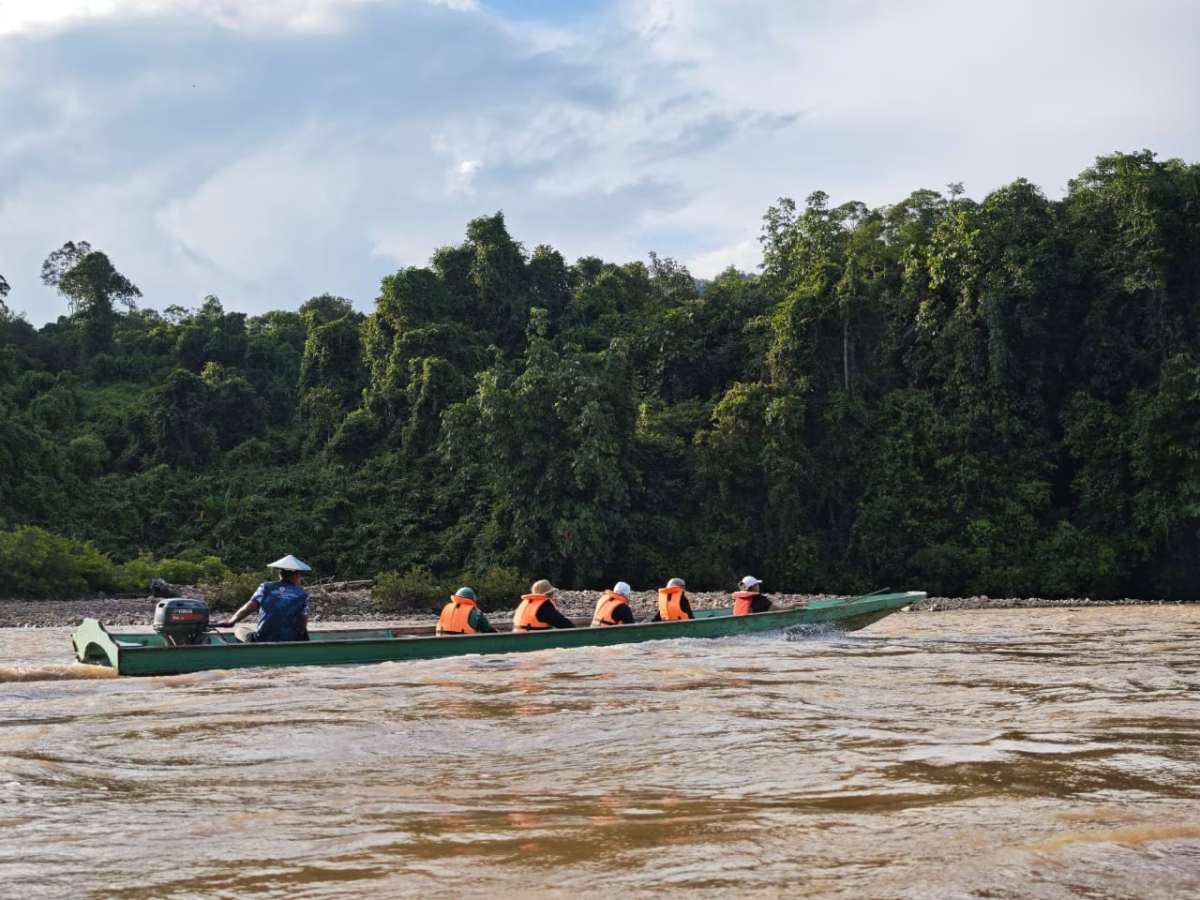
The fourth day focused on river travel and cultural heritage. The group embarked on a scenic boat journey along the Baram river, a vital lifeline for many interior communities.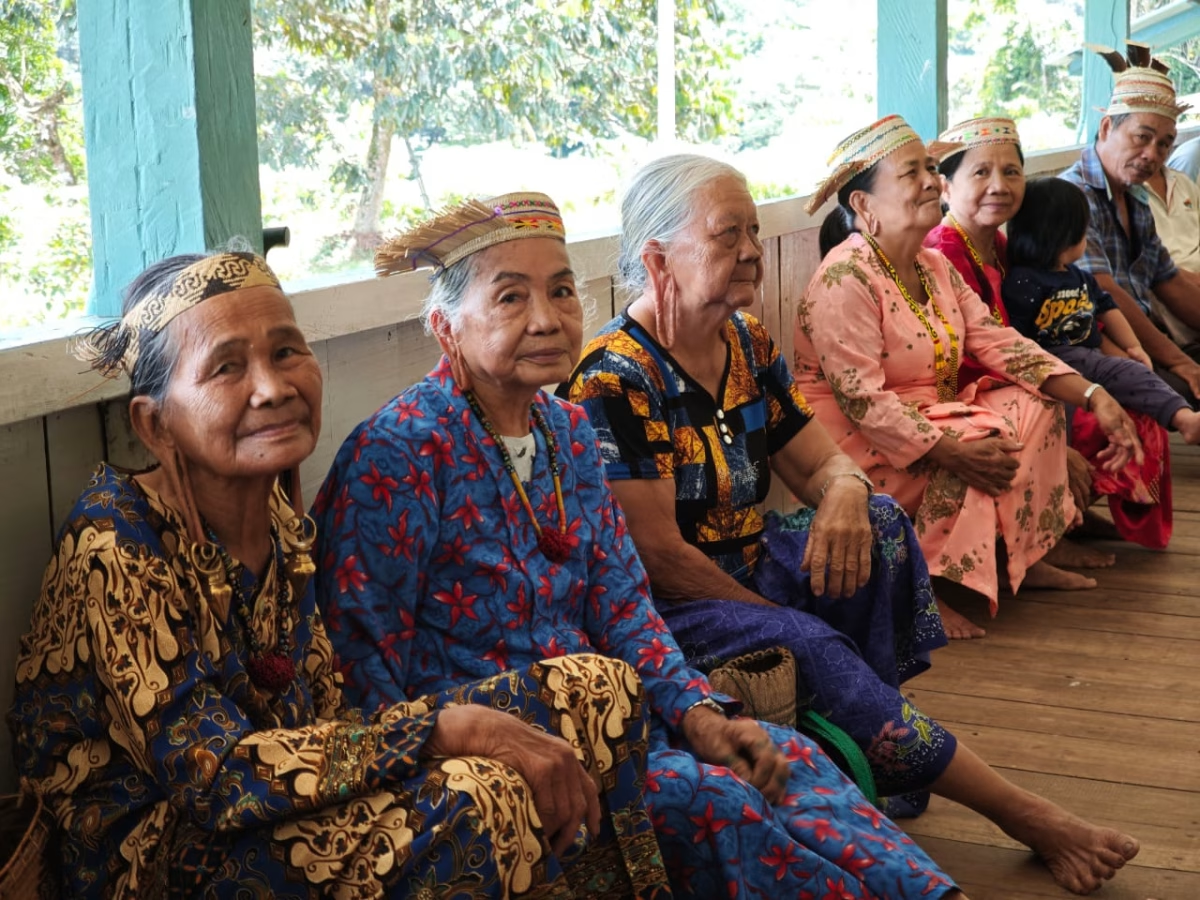
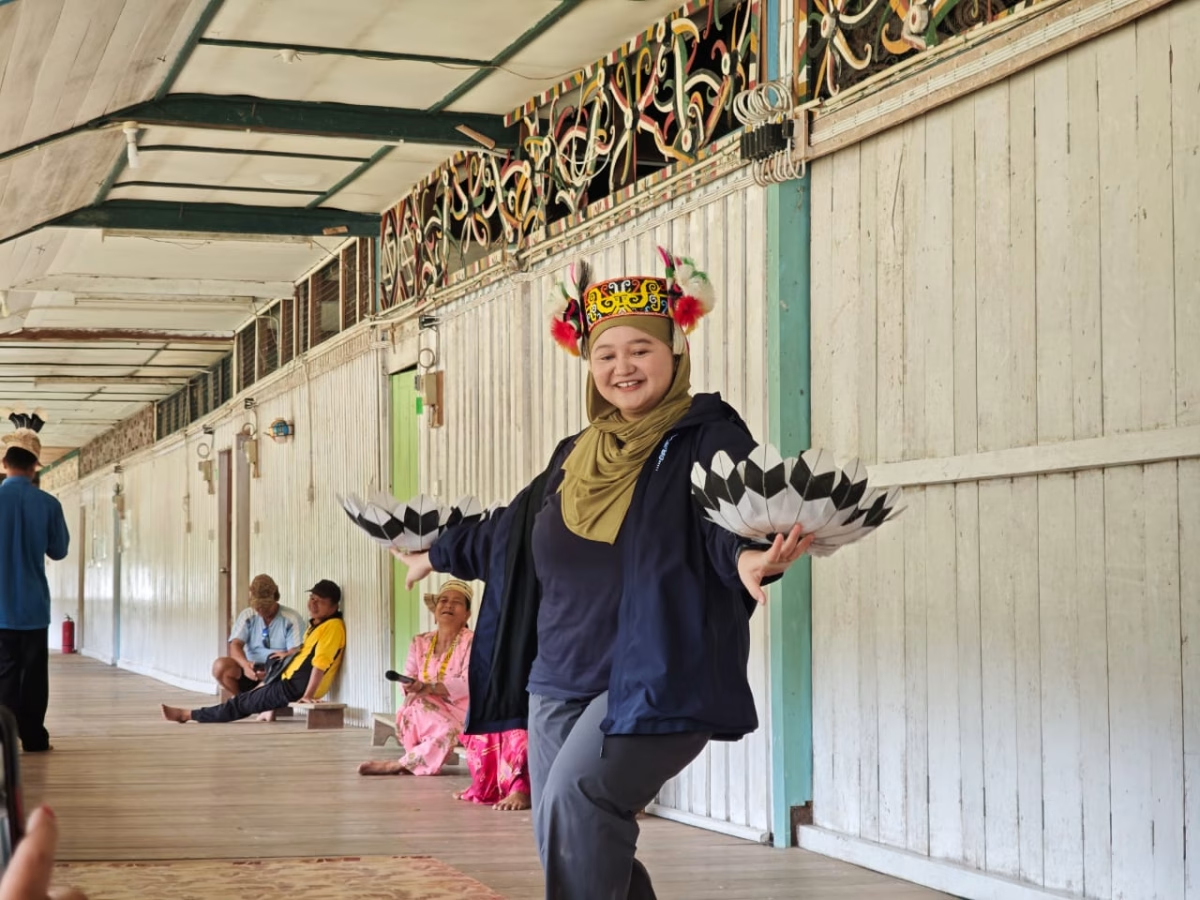
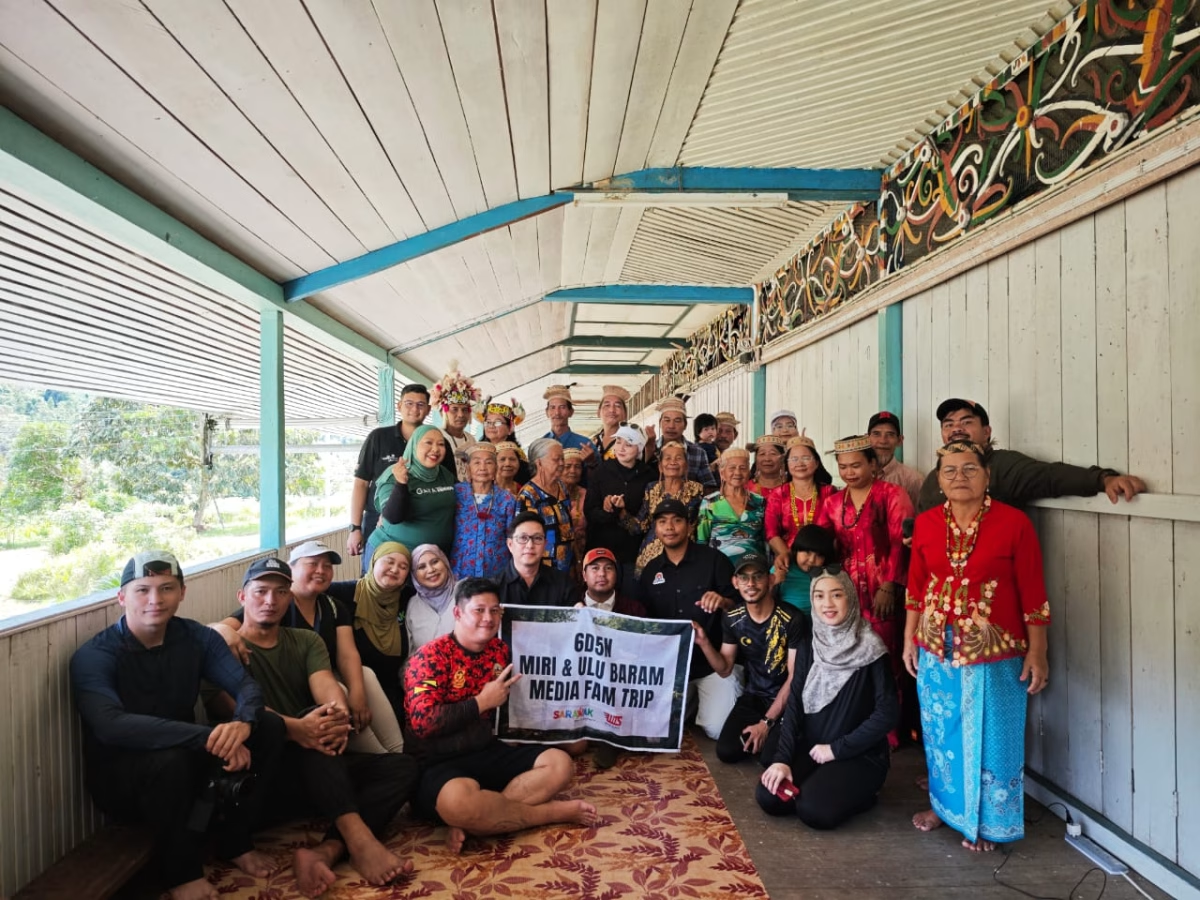
The first stop was Long Selatong Dikan, where participants were warmly welcomed at an Orang Ulu traditional longhouse. The visit began with welcome drinks, followed by traditional songs and dance performances that reflected the community’s cultural identity. A home-cooked lunch was served at the longhouse, after which a village tour provided deeper insight into the community’s daily life, traditions, and long-held values.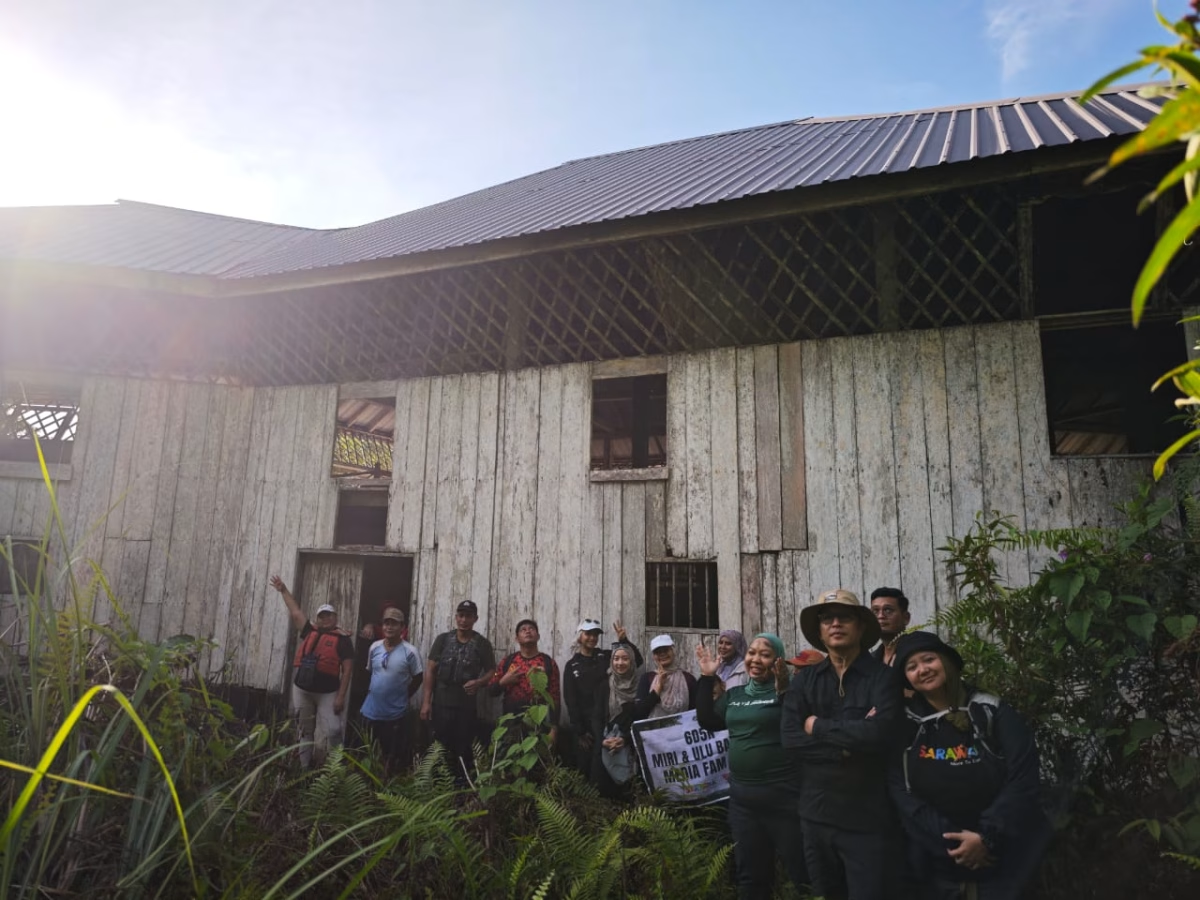
Later, the journey continued by boat to Long Akah Fort, a historic fortress located in the Baram region of Sarawak. The fort played a significant role during the Brooke administration, the British colonial period, and later under the Sarawak state government, serving as an important centre of governance and defence in the interior. Today, it stands as a symbol of Sarawak’s historical legacy.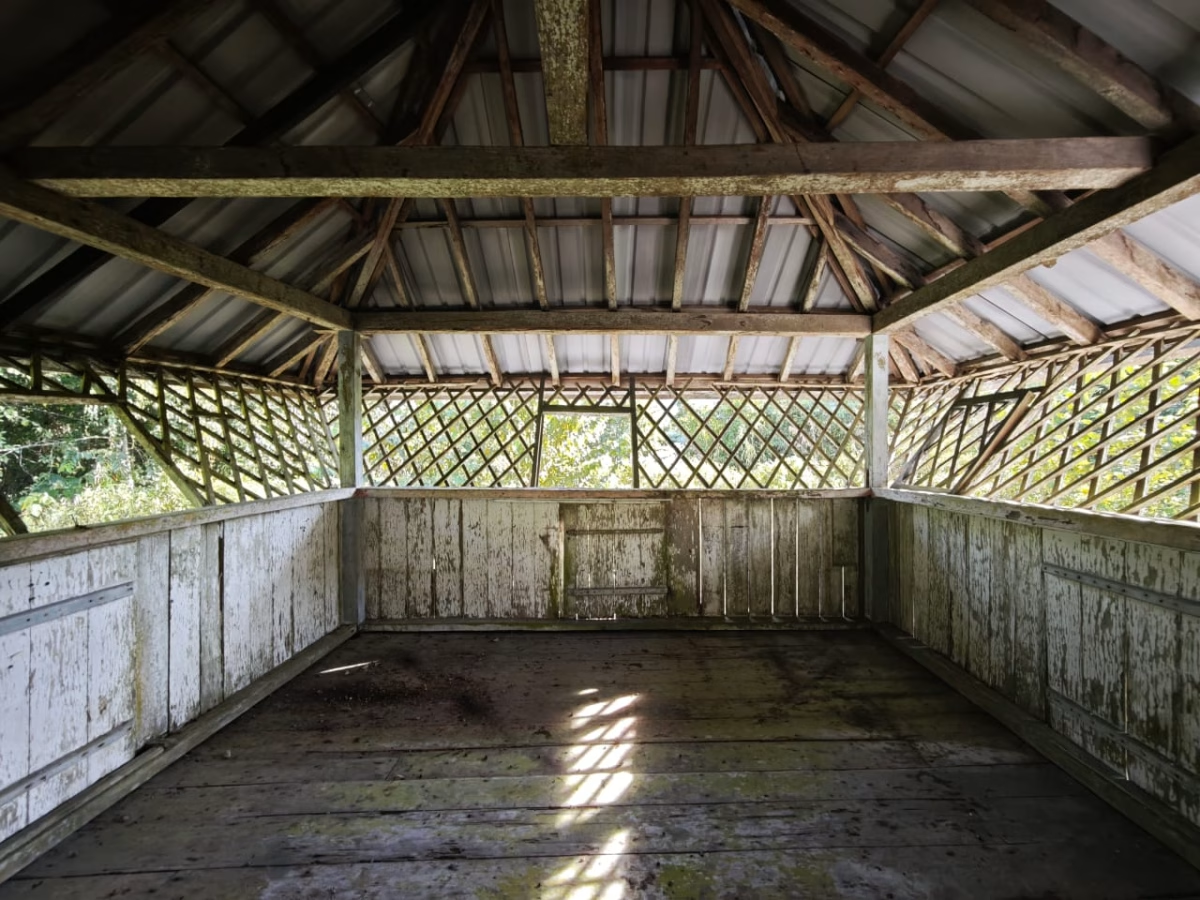
The day concluded with a return to the homestay for dinner and rest.
Day 5: Farewell to Ulu Baram and Return to Miri
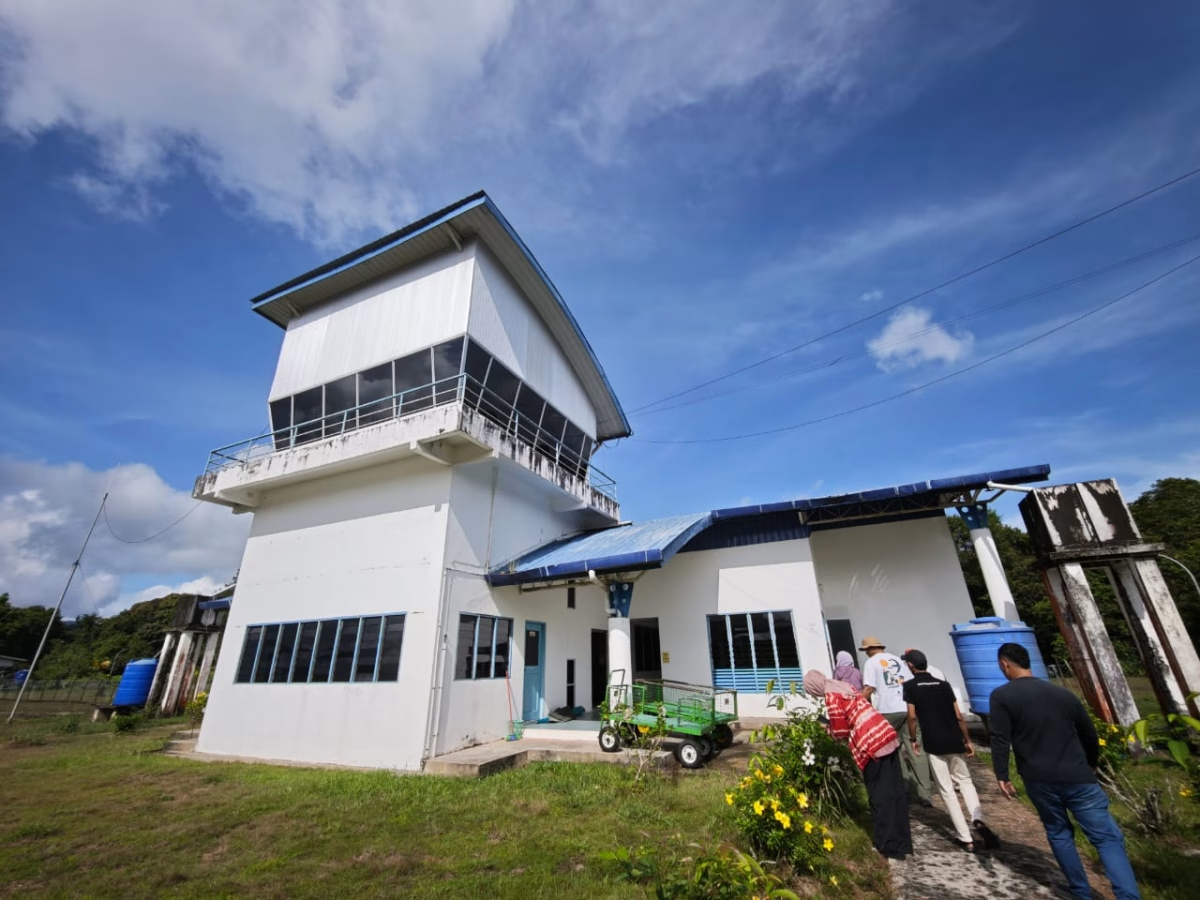
After breakfast, the group checked out from Jevinda Village Stay and made a stop at the Long Akah Airstrip, which serves as an essential transportation link for the interior of Sarawak, particularly for communities without direct road access. Small aircraft operations allow residents and visitors to travel to and from remote areas such as Long San, highlighting the Ulu Baram region’s unique way of connecting with the outside world other than using the road.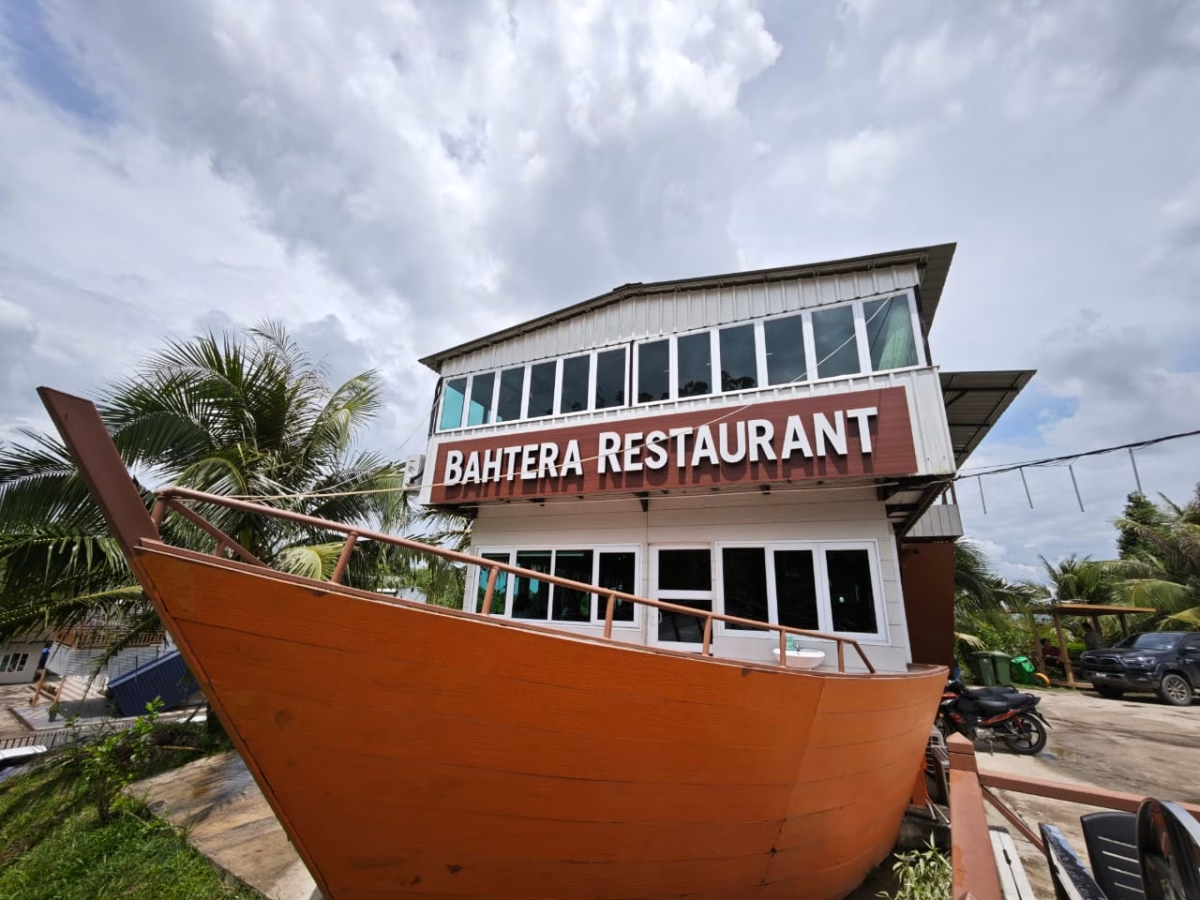

The return journey to Miri involved approximately three hours of off-road travel before reaching Lapok, where lunch was enjoyed at a local restaurant called Bahtera. This stop provided a well-earned break after the long drive.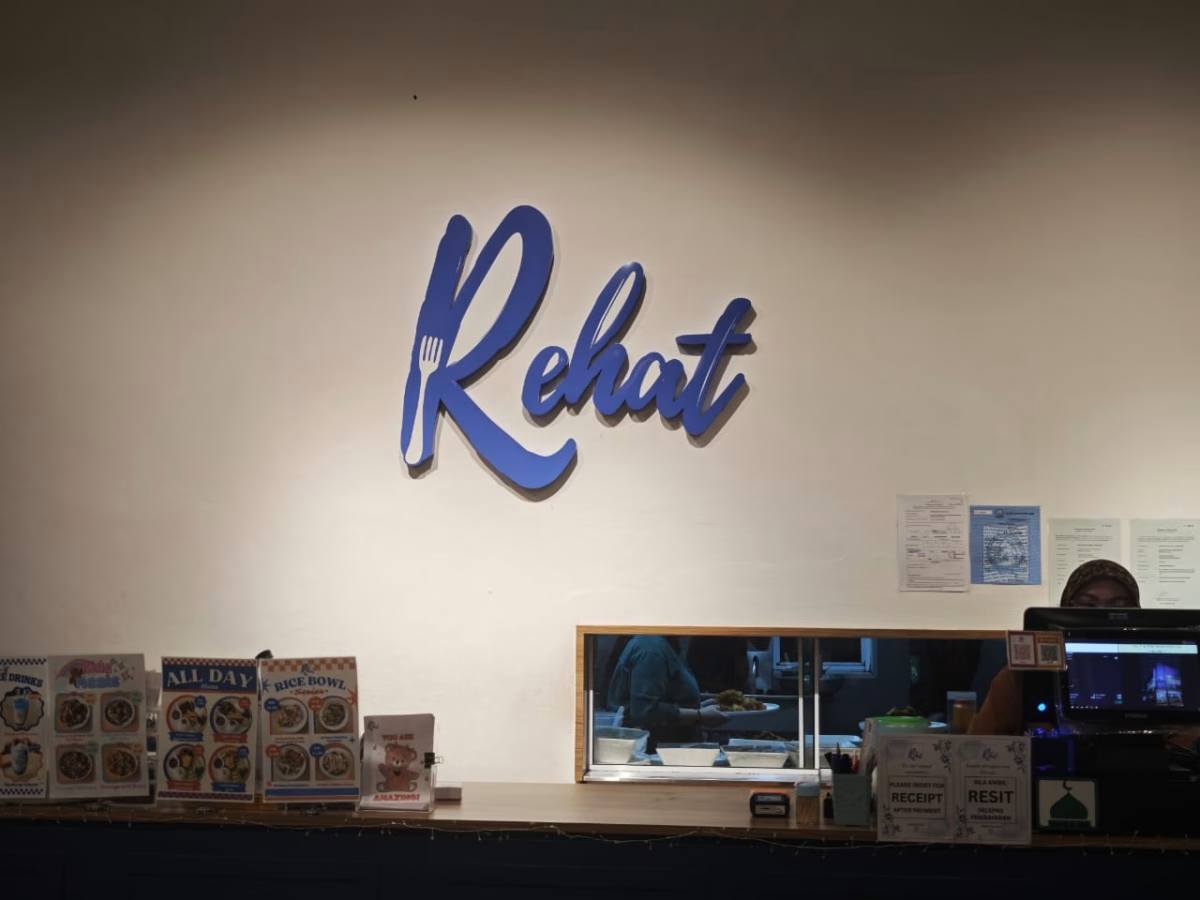
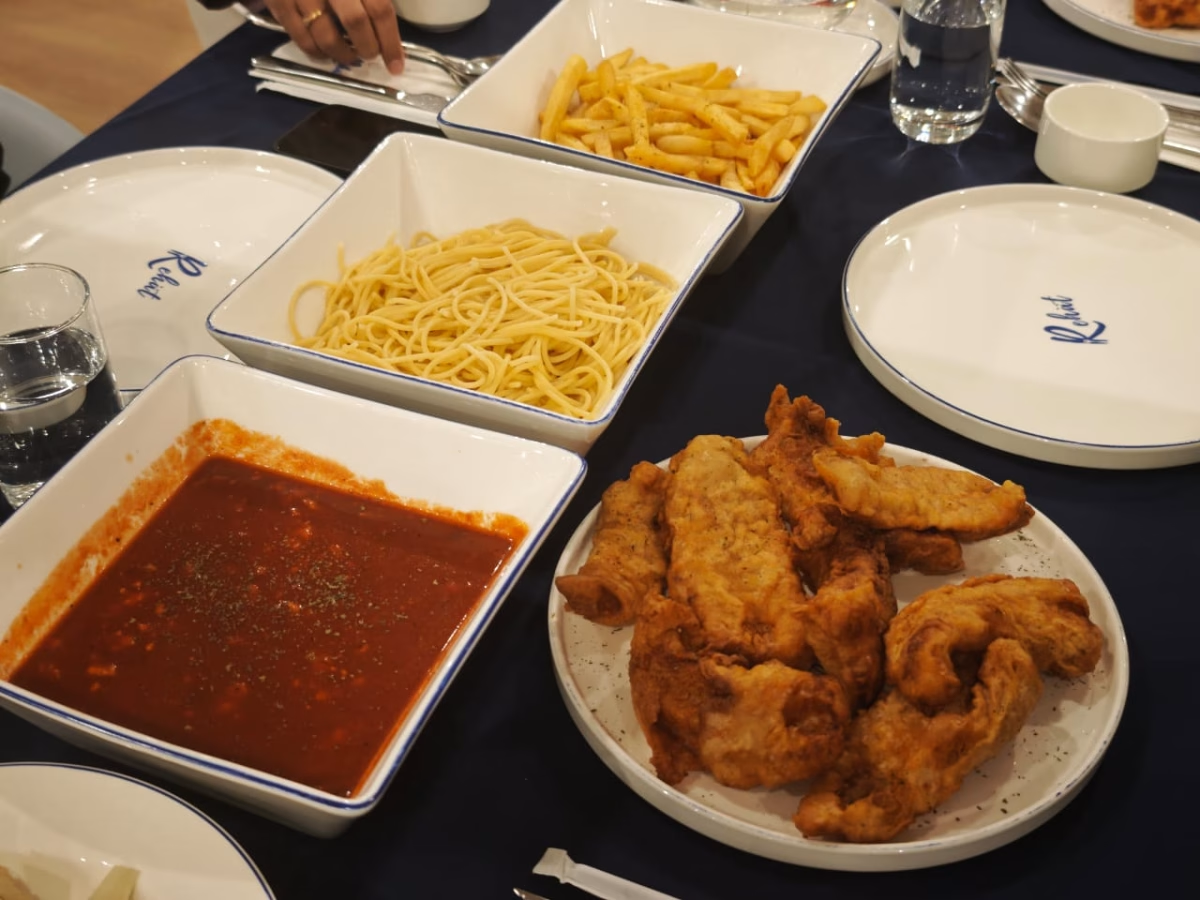
Upon arrival in Miri, the group checked in at the hotel and rested. Dinner was later enjoyed at a city restaurant, offering an elegant setting and delicious cuisine — a welcome contrast after days spent in the interior.
Day 6: Departure – Memories That Last a Lifetime
On the final day, the group departed from Miri Airport to Kuala Lumpur International Airport (KLIA), marking the end of an unforgettable journey.
This six-day, five-night experience in Ulu Baram was deeply meaningful, offering authentic encounters with nature, culture, and community. From jungle trails and river journeys to cultural immersion and historical exploration, Sarawak revealed its heart in the most genuine way.
Ulu Baram is indeed more than a destination; it is a reminder of the richness of heritage, the strength of community, and the importance of preserving stories that deserve to be shared with the world. So, for an unforgettable and rewarding experience, be sure to plan your trip to Ulu Baram soon…
For queries regarding Ulu Baram, contact Sarawak Tourism Board or Wah Tung Travel .
Gaya Travel Magazine team members extend our heartfelt gratitude to Sarawak Tourism Board for making the writer’s trip to Ulu Baram possible and smooth sailing.
About The Author



Leave a Reply