

How Local Flavours Are Shaping the Future of Dining in Asia Pacific
From rediscovering regional culinary traditions to embracing healthier ingredients and more intimate dining experiences, the future of gastronomy is becoming increasingly personal, local and experiential.
There’s no better way to discover a destination than through its food. A thoughtfully prepared dish can reveal centuries of tradition, a community’s character, and even the relationship between people and their surrounding landscapes. For today’s travellers, what arrives on the plate is increasingly as important as the places they visit.
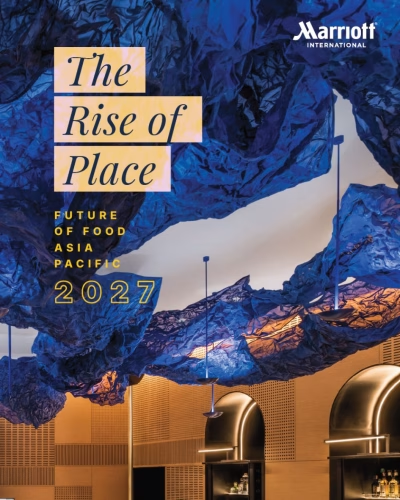
This growing appreciation for culinary identity is reflected in Marriott International‘s Future of Food 2027 report, which explores the evolving preferences, emerging trends and technological innovations shaping the food and beverage landscape across Asia Pacific.
According to the report, 95 per cent of surveyed Marriott International hotels and resorts across the region identified iconic local dishes as a leading trend in their respective markets. Meanwhile, 69 per cent regarded local dishes as the most influential menu feature in guests’ dining decisions, while 46 per cent reported growing demand for such offerings.
The findings suggest travellers are increasingly looking beyond conventional hotel dining, seeking culinary experiences that genuinely connect them to the destinations they visit.
Discovering Destinations Through Food
For a country like Malaysia, where culinary traditions are deeply intertwined with cultural diversity, history and everyday life, this shift presents an exciting opportunity.
From the smoky aromas of ikan bakar to the complex layers of spices in rendang, Malaysian cuisine tells stories that extend far beyond the dining table. Contemporary chefs are also giving these familiar flavours new expressions.
“Malaysia has one of the richest food cultures in the world,” said George Varughese, Market Vice President for Malaysia at Marriott International, during the Malaysian launch of the report on 6 October 2026.
Through Marriott Bonvoy, Marriott International aims to position its restaurants and bars as destinations in their own right, inviting both locals and travellers to explore authentic Malaysian flavours.

Rather than reinventing traditional cuisine entirely, the approach celebrates its origins while exploring how familiar ingredients, flavours and culinary techniques can remain relevant to contemporary diners.
Wellness Finds Its Place at the Table
The future of dining is not solely about rediscovering traditional flavours. Increasingly, it is also about making more considered choices.
The report revealed that 50 per cent of surveyed hotels and resorts reported demand for healthier food, while 54 per cent observed growing interest in vegetarian options.
Ingredients associated with wellness and healthy ageing are also becoming more prominent, with 97 per cent of surveyed hotels and resorts incorporating such ingredients into their menus.
Turmeric and ginger lead the way, each at 80 per cent, followed by black sesame (64 per cent), matcha (59 per cent), and miso (52 per cent).
Interestingly, many of these ingredients have long been staples in Asian kitchens. Their renewed prominence demonstrates how traditional culinary knowledge can complement contemporary approaches to wellness.
Dining preferences are evolving in other ways, too. Some 79 per cent of surveyed hotels and resorts reported that guests more often opted for milder spiciness levels, with ingredients such as lemongrass and ginger adding aromatic complexity.
Together, these developments point towards a dining landscape where flavour, cultural authenticity and personal well-being increasingly coexist.
Smaller Spaces, More Meaningful Experiences
The way we dine is changing just as much as what we eat.
While grand hotel restaurants and elaborate dining rooms have traditionally been associated with luxury hospitality, contemporary diners increasingly prefer settings that feel relaxed, intimate, and thoughtfully designed.

According to the report, 45 per cent of surveyed hotels and resorts reported rising demand for casual dining spaces, while smaller restaurants that seat about 40 to 60 guests are gaining attention.
Counter seating, open kitchens, private dining rooms, outdoor spaces and dedicated tea experiences are among the concepts reflecting this evolving preference.
Flexible portion sizes are also becoming more relevant, particularly for solo diners who wish to explore a variety of flavours without committing to large servings.
For travellers, these developments can make dining a more accessible and engaging part of the journey. A seat overlooking an open kitchen, for instance, offers an opportunity to observe culinary craftsmanship, while smaller dining spaces can encourage conversations with chefs and fellow diners.
Petr Raba, Marriott International’s Vice President of Food and Beverage for Asia Pacific excluding China, noted that the region is shifting toward more intimate, locally rooted dining experiences.
Hotels are increasingly becoming cultural storytellers, bringing regional talent, local ingredients, and meaningful community connections into their restaurants.

The Local Edit: Malaysia on a Plate, in 99 Minutes
To show how these regional trends translate into a distinctly Malaysian experience, Marriott International presented The Local Edit at Petaling Jaya Marriott Hotel, alongside the Malaysian launch of its report.
Centred on a five-course dinner lasting 99 minutes, the experience brought together familiar Malaysian flavours and contemporary culinary interpretations.
The menu featured Eggplant Rendang, Borneo Harvest, Charcoal Ikan Bakar and Assam Pedas Duck, offering different expressions of the country’s diverse culinary heritage.
The selection showed how recognisable Malaysian flavours can suit contemporary presentation without losing the cultural references that make them distinctive.
Perhaps the most unexpected element came towards the end of the dinner: a Pandan-Coconut Mousse Tennis Ball, presented through a concept called Made For You.
The dessert used artificial intelligence (AI) to personalise the experience to individual guests’ taste preferences, offering a glimpse into how technology might shape the future of hospitality.
Beyond personalised desserts, AI has potential applications in menu development, understanding guest preferences and digital ordering systems.
Yet, amid these technological advancements, the report acknowledges that human interaction remains fundamental to hospitality. Technology may enhance the experience, but a chef’s creativity, the warmth of personalised service, and the stories behind a dish remain integral to memorable dining.
Beyond the Plate: Celebrating Local Producers
An authentic culinary experience begins long before the ingredients arrive in a restaurant’s kitchen.
Behind every dish lies a network of farmers, growers, artisans, and food producers whose expertise shapes its flavour, freshness, and identity.
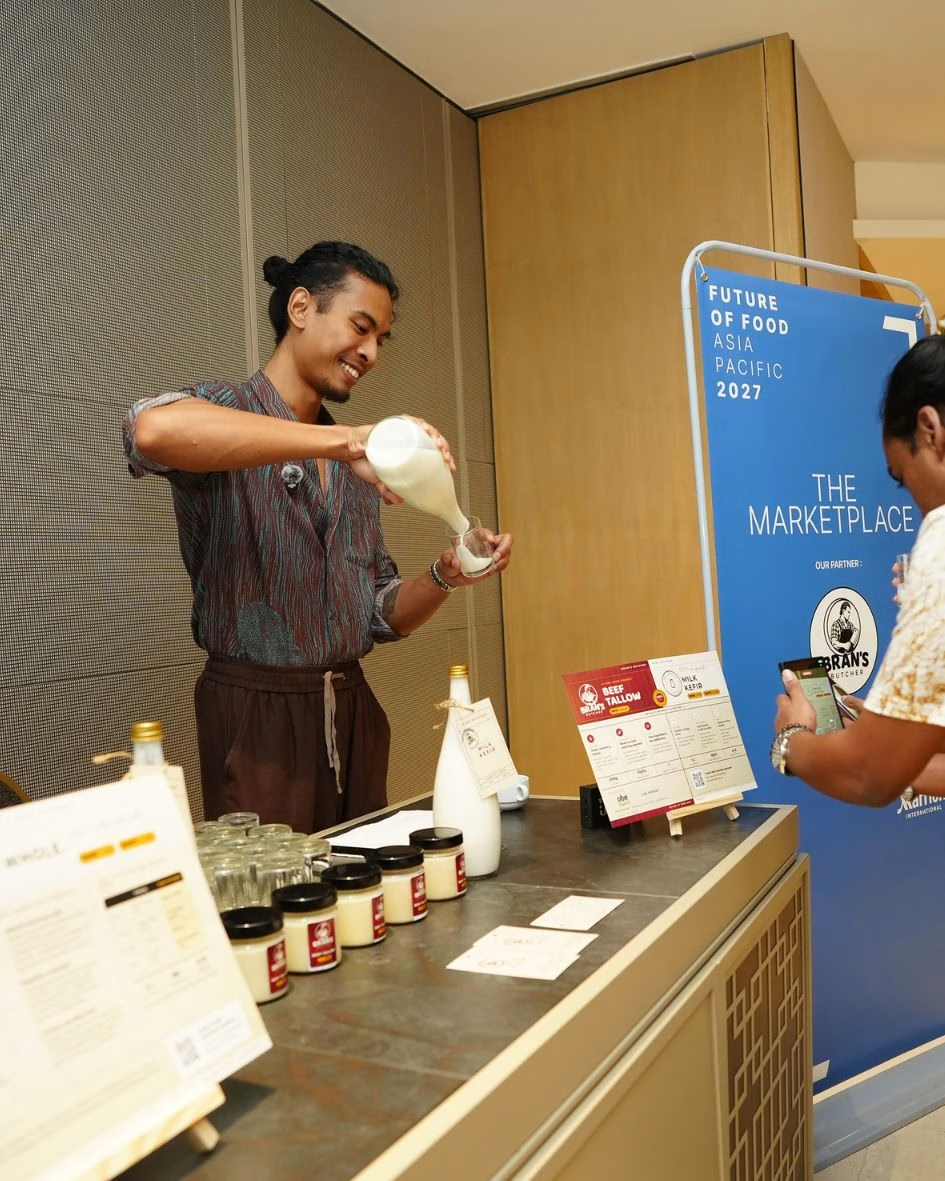
The Local Edit also brought together Marriott Bonvoy’s Malaysian collaborators, including BoomGrow, Hétam, Salla Kulinaria, Tug Gelato and Bancuhan, showcasing local ingredients and the creativity of Malaysian entrepreneurs.
For Dr Jay Desan, Co-founder and Director of BoomGrow, local sourcing extends beyond simply identifying an ingredient’s origin on a menu. It involves understanding the growers, seasons and supply chains behind each ingredient.
Closer collaboration between chefs and growers, she explained, allows diners to appreciate the difference in freshness.
This growing emphasis on provenance reflects a broader appreciation for understanding where food comes from, how it is produced and the people responsible for bringing it to the table.
For travellers, discovering these stories adds another dimension to a meal. A locally grown ingredient or an artisan-made product can offer insights into a destination that might otherwise go unnoticed.
The Future of Travel Is Deliciously Local
Marriott International’s Future of Food 2027 report offers a compelling glimpse into how dining experiences across Asia Pacific are evolving.
While wellness, technology, and innovative restaurant concepts are helping shape the industry’s future, one of the most striking findings is a renewed appreciation for something that has always been fundamental to travel: a sense of place.
For Malaysia, with its extraordinary diversity of culinary traditions, regional ingredients, and creative talent, this offers an opportunity to share its gastronomic heritage in ways that resonate with a new generation of travellers.
After all, the meals we remember most from our travels are not necessarily the most elaborate. They are often the ones that tell us something about where we are, introduce us to unfamiliar flavours or leave us with a deeper appreciation of the destination.
And sometimes, the most rewarding journey begins right at the dining table.
About The Author


Ed Junaidi is a seasoned Online Editor at Gaya Travel Magazine, where he has been sharing his passion for travel for over 15 years. A dedicated globetrotter, Ed cherishes the chance to explore the world, uncovering new experiences and insights with every journey. His compelling contributions to Gaya Travel Magazine earned him a prestigious residency grant from the Mexican government in 2015 through Media Residency Program. Through his work, Ed continues to inspire readers with stories that capture the essence of travel and cultural discovery.




Leave a Reply