
Steeped in Heritage: How Each State Inspired ECRL’s Main Station Designs
Merdeka Day is a celebration not only of our independence, but of the rich histories, traditions and cultures that make Malaysia unique. Against this backdrop, the East Coast Rail Link (ECRL) recently unveiled the design concepts behind several of its main stations, offering a reminder of the distinctive heritage across the states along its route.
Rather than adopting a uniform architectural identity, the stations draw inspiration from the rich history of each location. Here are four ECRL stations and the Malaysian stories behind their designs.
Kota Bharu Station: An Interpretation of Seni Bina Kelantan
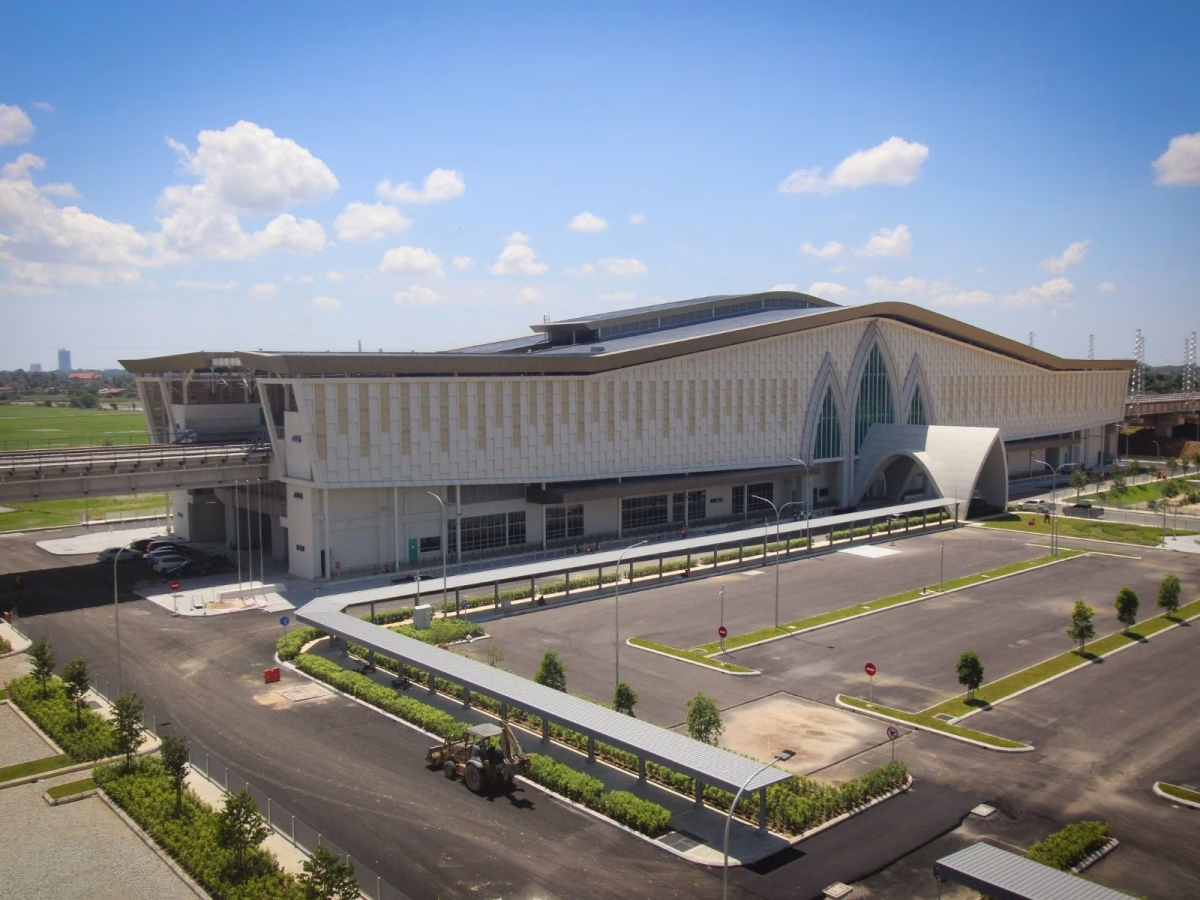
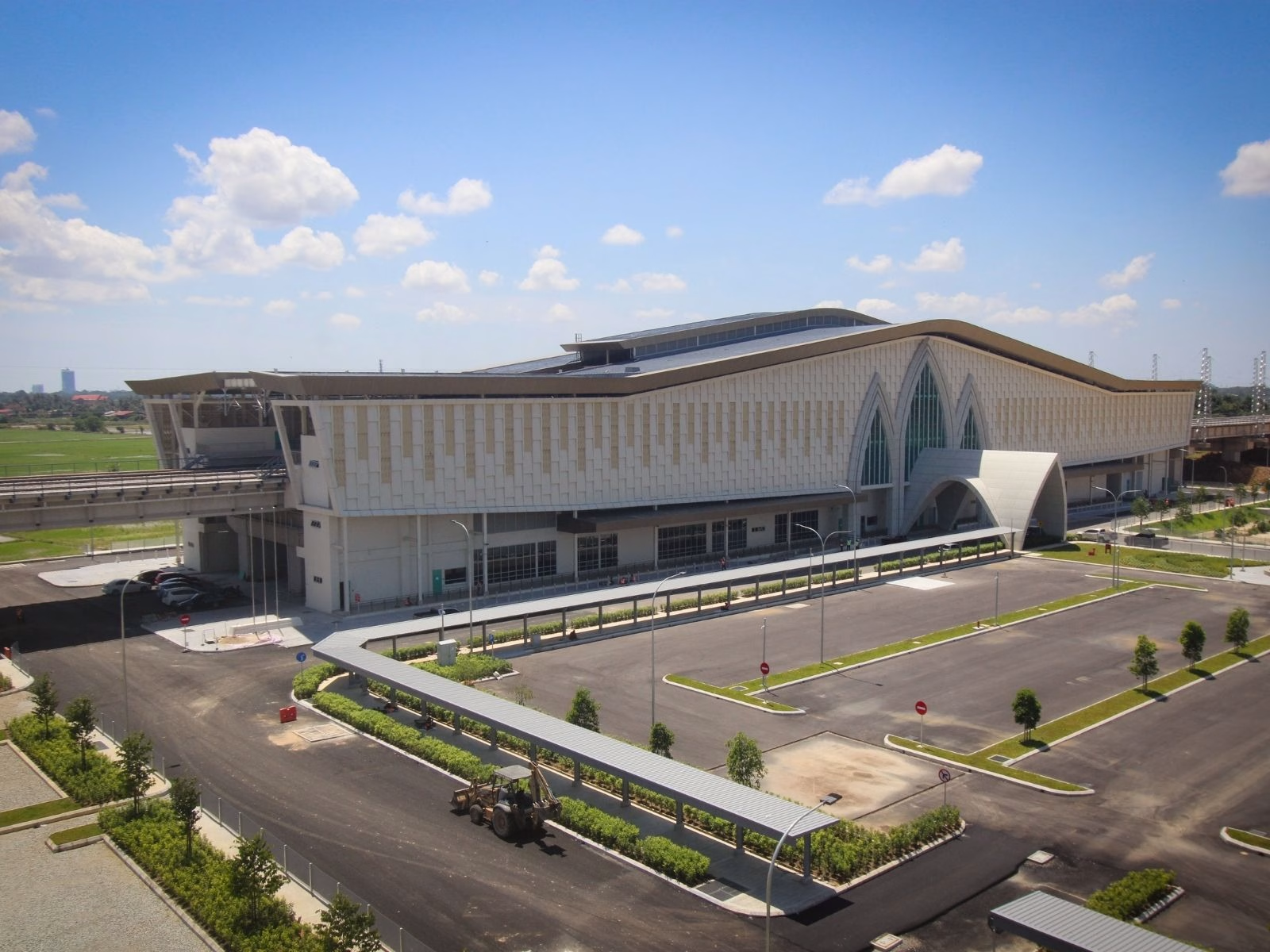
As the main ECRL station in Kelantan, Kota Bharu Station brings elements of the state’s distinctive architectural heritage into a modern setting, complemented by intricate Islamic design influences.
Its grand archway entrance is among the clearest expressions of this approach, giving traditional Kelantanese architecture a contemporary treatment. Elements of the “Janda Berhias” concept are also incorporated into the station’s exterior, with natural light and ventilation forming part of the overall design.
The station also looks beyond heritage to Kota Bharu’s future growth. Aligned with the Kelantan state government’s economic blueprint, it is envisioned to complement development in the surrounding area and help catalyse transit-oriented development.
Gombak Station: Inspired by Selangor’s Natural Wonders
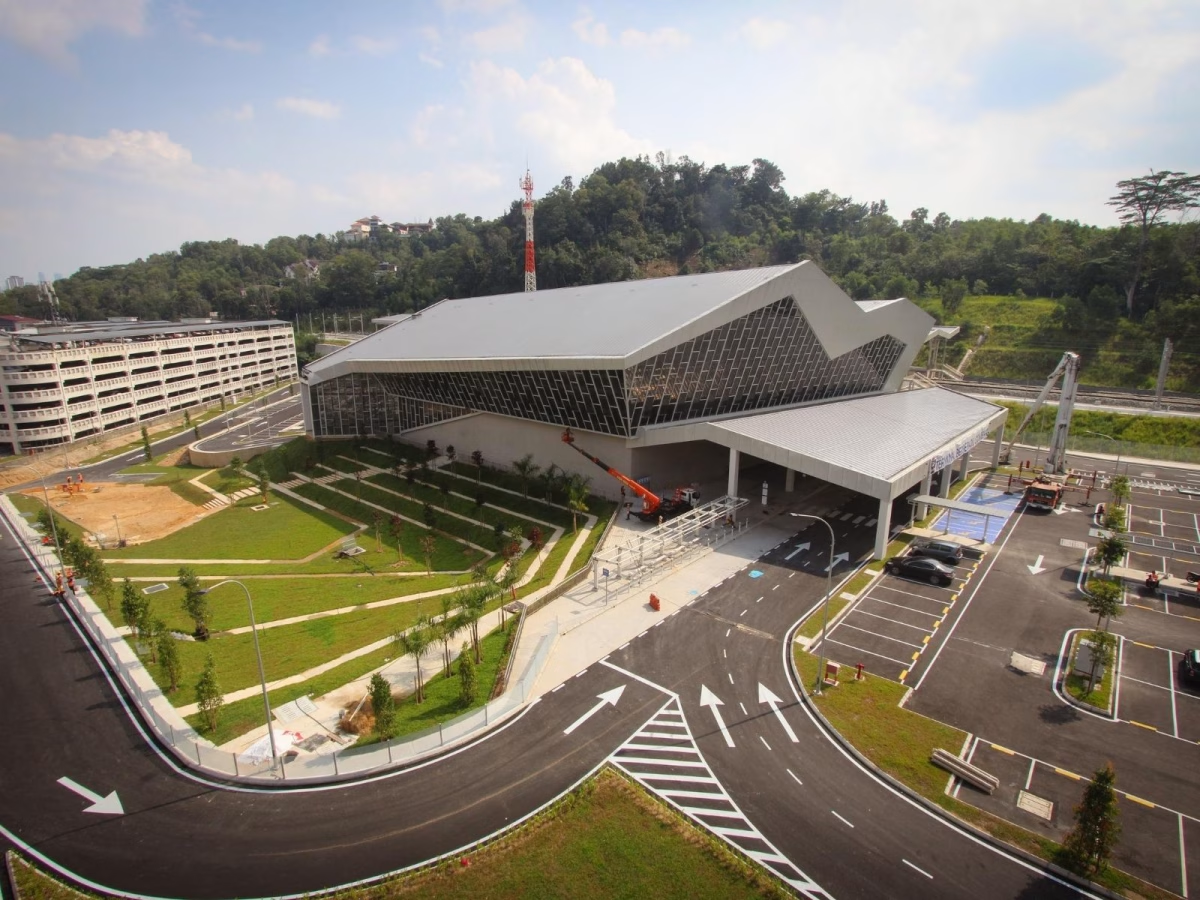
For the Gombak Integrated Terminal Station, its design draws from a geological wonder that has shaped Selangor’s landscape for centuries.
At the heart of the concept is the Gombak Selangor Quartz Ridge, a 14-kilometre quartz formation stretching northeast of Kuala Lumpur, recognised as the longest and among the oldest formations of its kind in the world.
The ridge’s distinctive character is reimagined through the station’s angular lines and geometric form, giving the structure the appearance of a cut gemstone. The quartz influence extends to its exterior, with shimmering glass designed to take on different appearances as weather conditions change.
KOTASAS: A Tribute to Pahang’s Royal Traditions
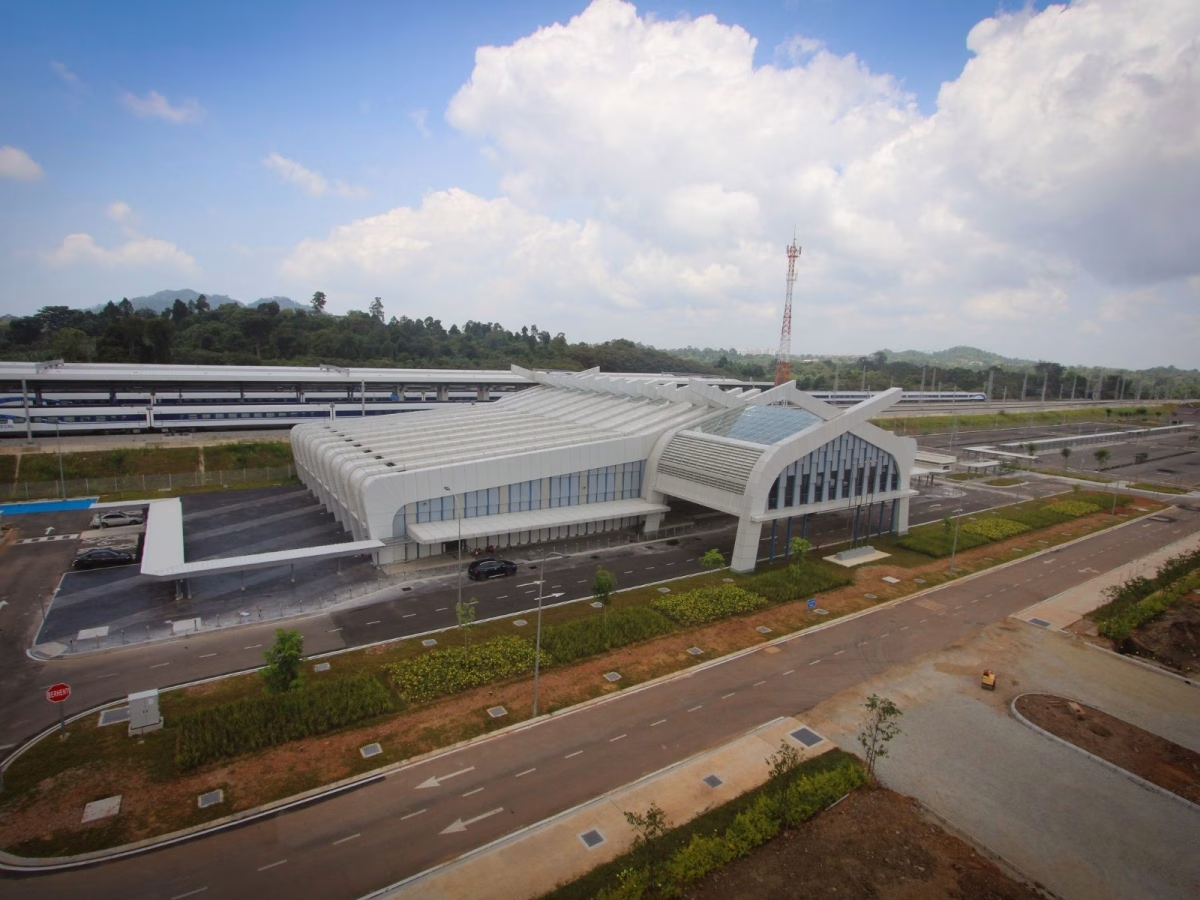
If you look closely at the roofline of KOTASAS Station in Pahang, its inspiration becomes clearer. The state’s rich traditions and customs are translated into the station’s architecture, with two crossing elephant tusks shaping its distinctive roof structure – drawn, of course, by Pahang’s state coat of arms.
Once upon a time, elephants were used as royal mounts during ceremonies and were an important mode of transportation. They also played a role in military operations through dedicated elephant units commanded by trained riders. It is therefor, a clear symbol of the state’s strength and valour.
The resulting design gives a historic state symbol a contemporary architectural expression, allowing a piece of Pahang’s identity to become part of the everyday experience of future rail passengers.
Kuala Terengganu Station: Ebb and Flow of Ocean Waves
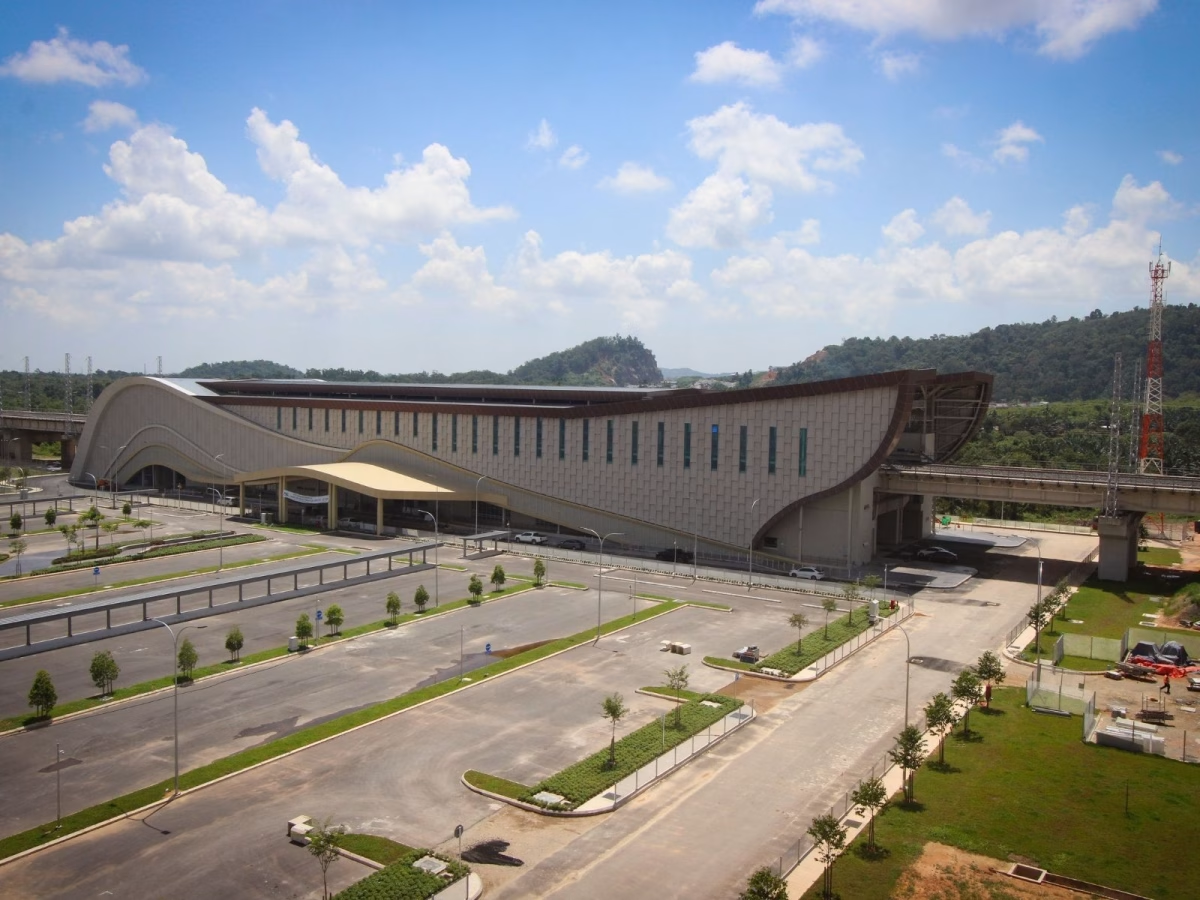
For a state whose identity has long been intertwined with the sea, Kuala Terengganu Station is a tribute to the state’s deep-rooted coastal and maritime traditions.
Notably, Terengganu is renowned for its traditional boatbuilding, a craft that has long been a source of local pride and shaped the lives and livelihoods of generations.
Its flowing roofline mimics the sweeping movement of boats and waves, bringing a defining part of Terengganu’s identity into a contemporary landmark set to welcome travellers from across Malaysia and beyond.
As Malaysia celebrates its 69th Hari Merdeka, these stations are not simply as a route connecting one destination to another, but one that brings together the many identities, stories and heritage that make up Malaysia.
The East Coast Rail Link (ECRL), which will link the East Coast States with the Klang Valley, is scheduled for operations from January 2027 onwards. It will significantly reduce travel time between Kota Bharu and Gombak to just 4 hours as compared to 7 hours or more via road transport.
The ECRL rail network will feature 20 stations upon full operations, opening up greater access to destinations and communities across the East Coast.
About The Author



Leave a Reply