
Balancing Economic Growth with Biodiversity Sustainability in Malaysia’s Palm Oil Industry
The Malaysian Palm Oil Green Conservation Foundation and Gaya Travel Magazine brought the conventional and new media representatives to selected environmental conservation sites in Sabah to witness the local palm oil industry main players’ commitment to preserving the natural environment.
As one of the global leaders in palm oil production, Malaysia has been facing criticism over environmental concerns such as deforestation and biodiversity loss.
To address such problems, Malaysia has been implementing various initiatives, through policies and ground projects, to guide stakeholders within the palm oil industry to comply with the conservation efforts that ensure environmental and business sustainability.

In Sabah, one of Malaysia’s most biodiverse regions, the Malaysian Palm Oil Green Conservation Foundation (MPOGCF) — together with state governments, NGOs, and private stakeholders — is redefining the industry’s image by merging conservation efforts with ecotourism.
Projects such as the Brumas Wildlife Corridor, Sungai Pin Conservation Area, and Borneo Elephant Sanctuary exemplify how sustainability and biodiversity preservation can effectively coexist alongside economic development.
Through support and funding, MPOGCF has implemented impactful projects to protect endangered wildlife like the Bornean pygmy elephants, orangutans, and hornbills.
These efforts not only address the challenges of human-wildlife conflict, but provide opportunities for education and ecotourism as well.
Brumas Wildlife Corridor
Located within the plantation grounds belonging to Sabah Softwood Berhad (SSB) in Tawau, the Brumas Wildlife Corridor is a groundbreaking initiative spanning 13.89 kilometres and connecting two forest reserves: Ulu Segama, and Ulu Kalumpang.
This corridor, established in 2014, facilitates the safe movement of wildlife, especially elephants, across fragmented habitats.

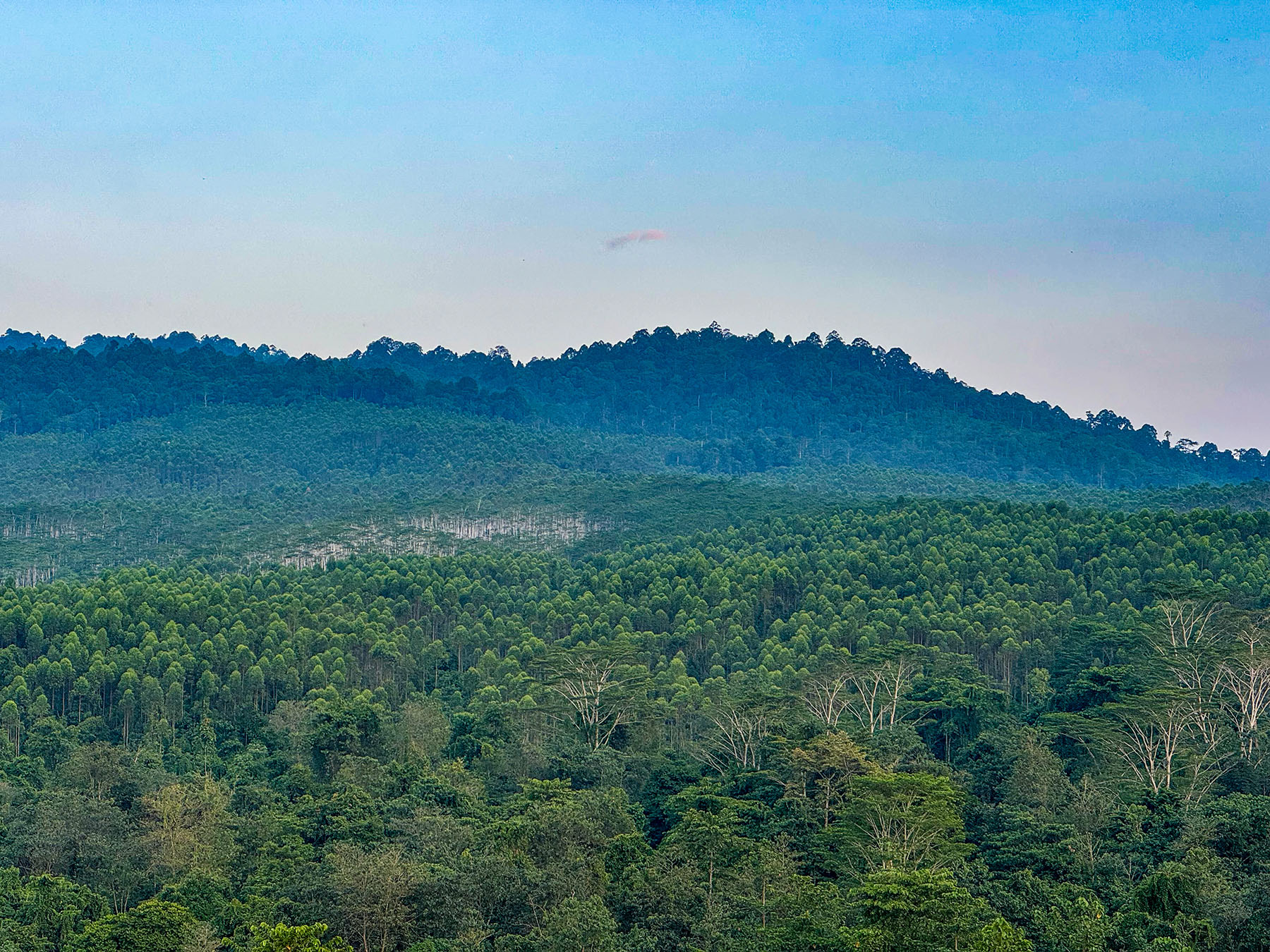
The corridor’s success is attributed to measures like planting Taiwan Napier grass to attract wildlife and monitoring elephant movements using collar-tracking.
As a result, SSB has significantly reduced human-wildlife conflicts and financial losses, from RM500,000 annually to just RM5,000.
The site now welcomes visitors, offering insights into its conservation successes and eco-tourism activities, for instance, the Brumas Countryside Lodge and the annual Brumas Wildlife Run.

Sungai Pin Conservation Area
Situated in the Kinabatangan region, Sungai Pin Conservation Area (SPnCA) is a testament to innovative conservation practices. Managed by Sawit Kinabalu Group, this 2,632-hectare site borders the Pin Supu Forest Reserve and Sungai Kinabatangan Wildlife Sanctuary.
Sawit Kinabalu Group’s Conservation and Biodiversity Unit, branded as ConserveByU, is tasked with the responsibility of conserving and protecting the biodiversity richness found within Sawit Kinabalu Sdn Bhd plantations.
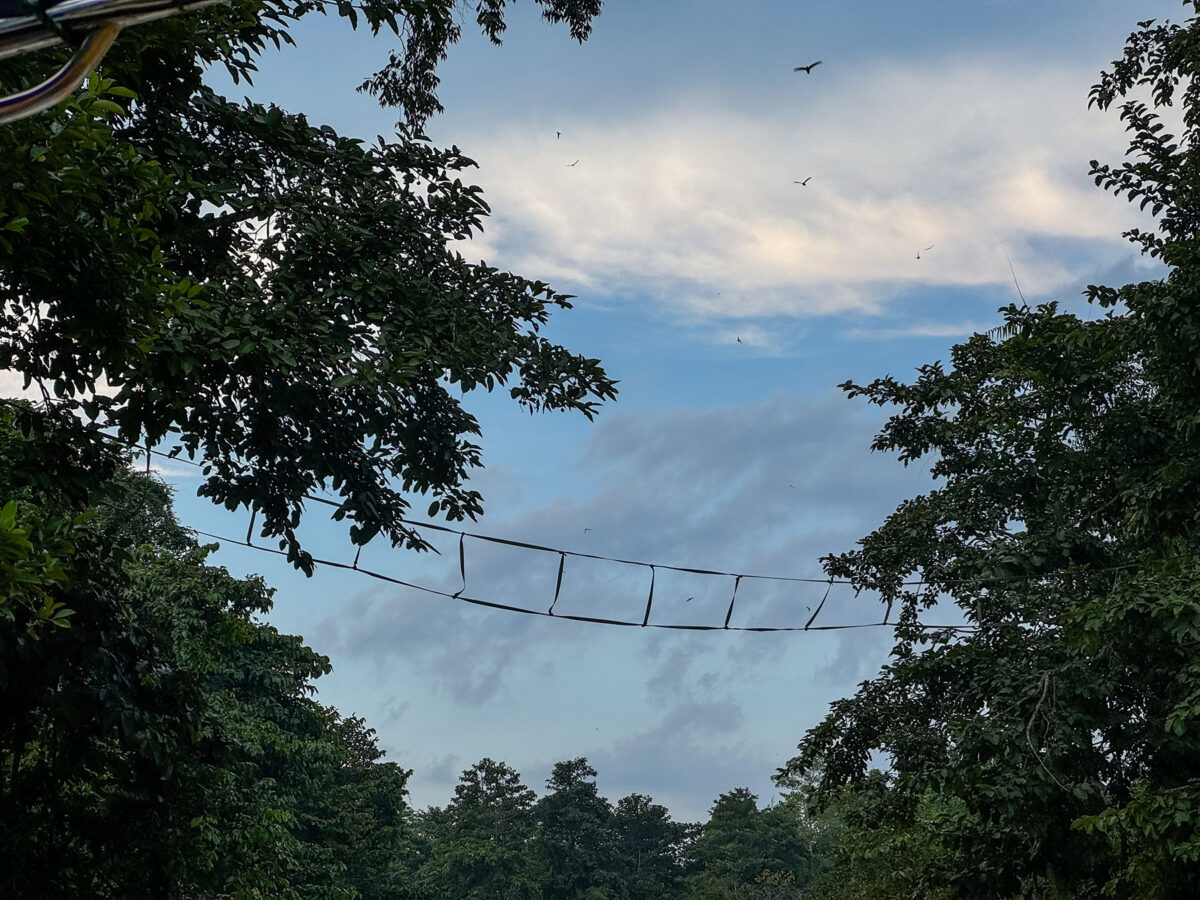
One notable initiative is the installation of orangutan bridges made of sturdy ropes suspended across tributaries like Sungai Pin. These bridges facilitate the movement of orangutans, though macaques are often the first to utilise them.
Additionally, hornbill nesting boxes have been placed high in the trees to encourage breeding.

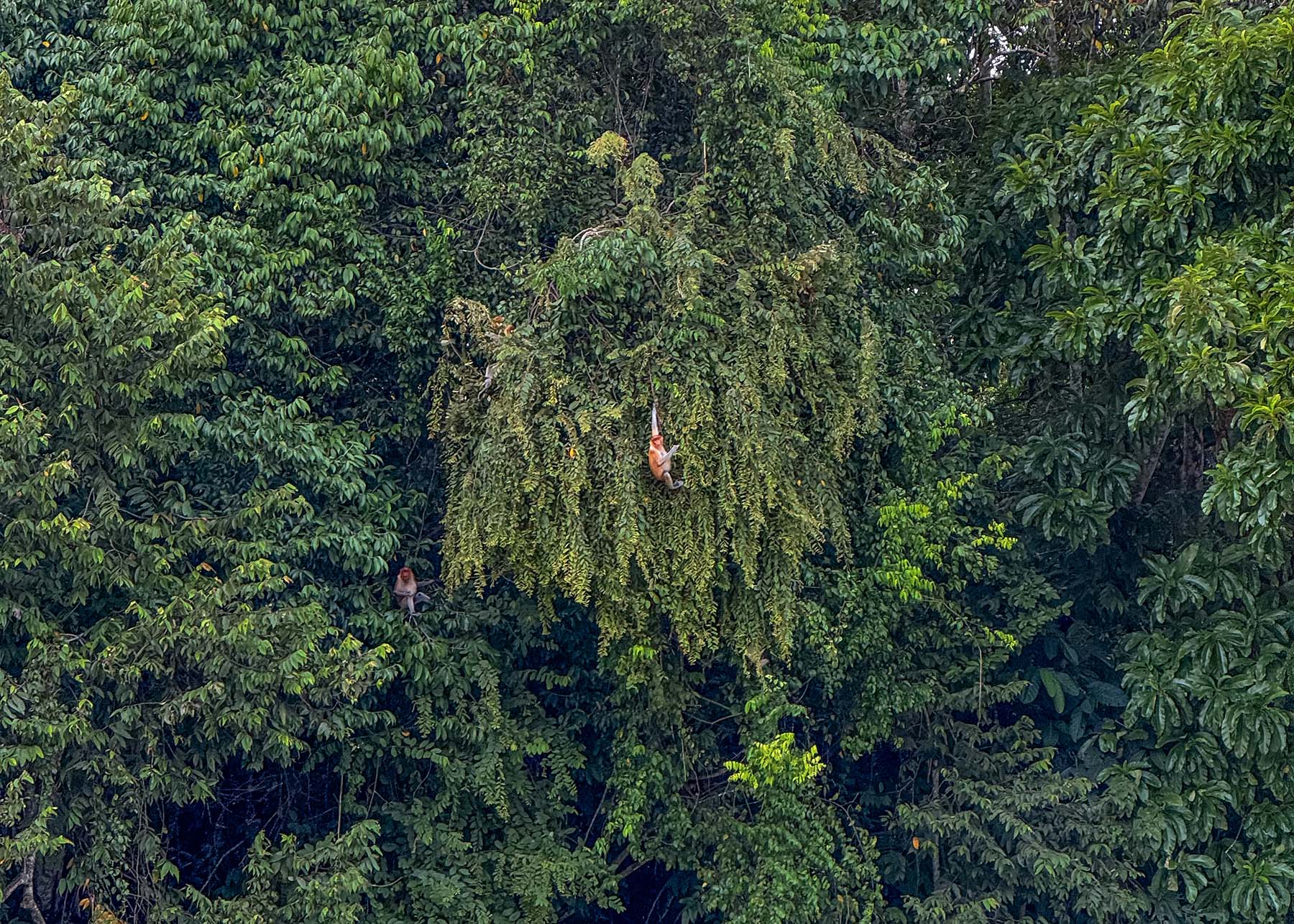
Visitors to the area can enjoy river cruises, jungle walks, and opportunities to observe diverse wildlife, including hornbills, crocodiles, and proboscis monkeys.
On its way to achieving 2030 Sustainability Goals, ConserveByU aims to improve and activate ecotourism as part of Sawit Kinabalu’s business operations, as a way to educate and encourage visitors to give back to nature and safeguard Sabah’s natural resources.

Borneo Elephant Sanctuary
Also located in the Kinabatangan region, the Borneo Elephant Sanctuary (BES) provides refuge for orphaned and injured Bornean pygmy elephants. This 1,214-hectare sanctuary offers medical care and rehabilitation, aiming to reintegrate elephants into the wild whenever possible.
Established in 2013, BES currently houses seven elephants, including calves like Agatis, rescued after being separated from their herds.
BES serves as a hub for conservation research too, supported by MPOGCF. Plans are underway to expand the sanctuary’s capacity with new facilities, including a dedicated elephant clinic and additional enclosures.
While not open to the public, BES welcomes school visits and official delegations, fostering awareness about conservation challenges and solutions.

Ecotourism as a Catalyst for Change
Ecotourism plays a pivotal role in showcasing Malaysia’s commitment to sustainable palm oil practices. Visitors to Sabah can witness firsthand the integration of conservation and industry, from wildlife corridors and conservation areas to sanctuaries like BES.
These initiatives provide economic benefits to local communities, creating opportunities for homestays, guided tours, and the sale of handicrafts.
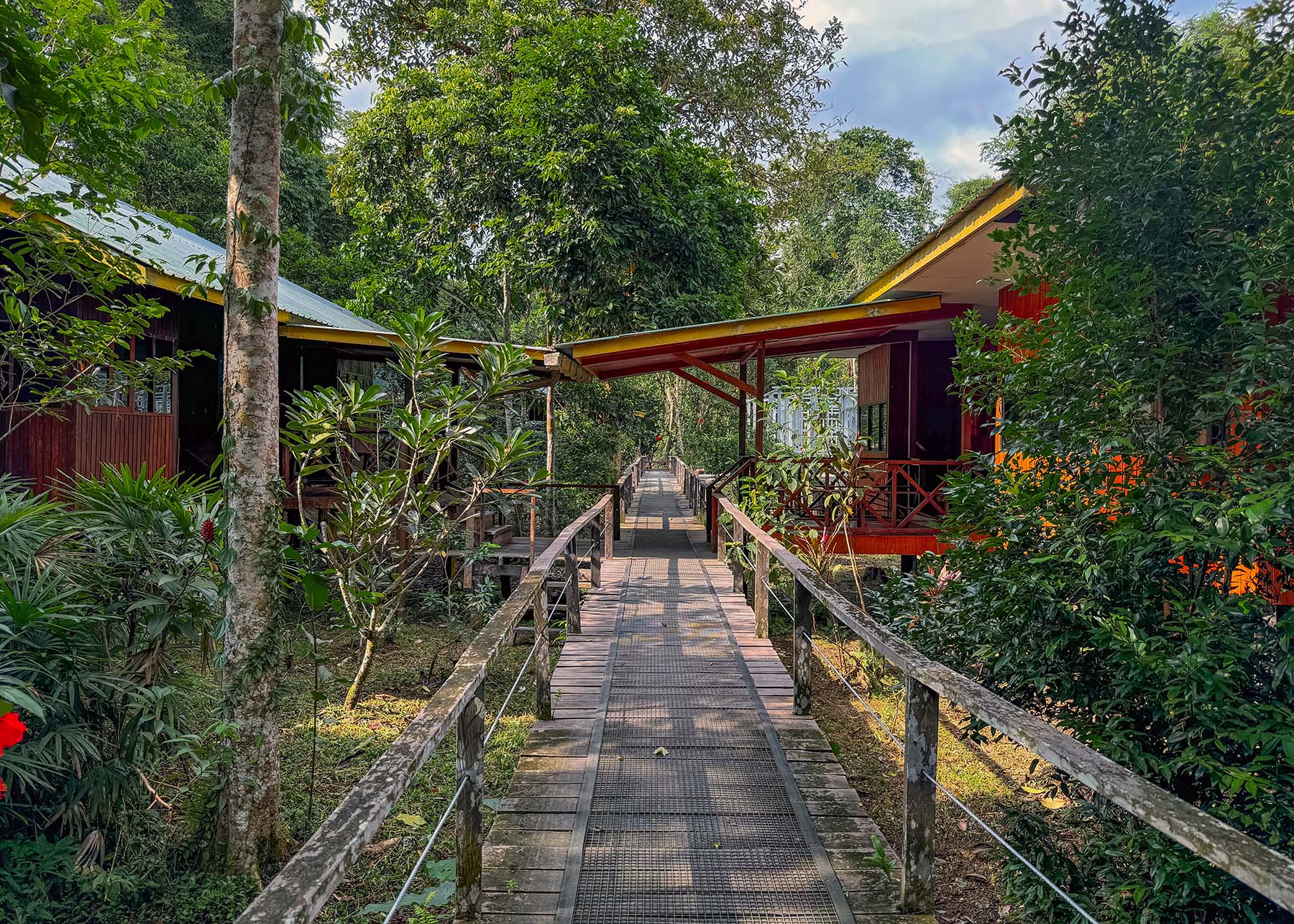
At the Bilit Adventure Lodge, for instance, tourists can embark on river cruises and jungle treks, encountering diverse wildlife like rhinoceros hornbills, and silver langurs.
These experiences not only promote environmental education but also contribute to the locals’ livelihoods.

Countering Western Criticism
Undoubtedly, the Malaysian palm oil industry has been facing condemnation from Western nations, often accused of environmental neglect.
This trip in Sabah, among other programmes, challenges these narratives by demonstrating to the world that the Malaysian palm oil industry is committed to sustainability through certifications namely the Roundtable on Sustainable Palm Oil (RSPO) and Malaysian Sustainable Palm Oil (MSPO).
MPOGCF General Manager Mr Hairulazim Mahmud emphasises that ecotourism and conservation efforts help shift global perceptions, balancing economic development with environmental stewardship.

Sabah’s innovative approaches to palm oil sustainability and conservation exemplify how economic growth can be harmonised with biodiversity preservation.
The Brumas Wildlife Corridor, Sungai Pin Conservation Area, and Borneo Elephant Sanctuary highlight Malaysia’s dedication to overcoming environmental challenges and fostering a future where humans and wildlife coexist.
For visitors, these initiatives offer a unique glimpse into the transformative power of sustainable practices in one of the world’s most biodiverse regions.
Gaya Travel Magazine team members extend our heartfelt gratitude to MPOGCF (https://www.mpogcf.org/) for making the media representatives’ trip to Sabah possible and smooth-sailing.
About The Author


Ed Junaidi is a seasoned Online Editor at Gaya Travel Magazine, where he has been sharing his passion for travel for over 15 years. A dedicated globetrotter, Ed cherishes the chance to explore the world, uncovering new experiences and insights with every journey. His compelling contributions to Gaya Travel Magazine earned him a prestigious residency grant from the Mexican government in 2015 through Media Residency Program. Through his work, Ed continues to inspire readers with stories that capture the essence of travel and cultural discovery.
3 Comments
-

Well written and covered the main things people need to know, giving them a starting point to discover more for themselves.
-
Thank you Lesley for the kind words! And thank you for reading!
-





Major
Fantastic article, Ed! Very informative and well-written! 👍🏼