

Flying to The Roof of Thailand
We started our hike on the boardwalk, greeted by a cool, breezy air that enveloped us. Each step along the Yod Doi Nature Trail brought a sense of peace as we ventured deeper into the park, surrounded by serene beauty.
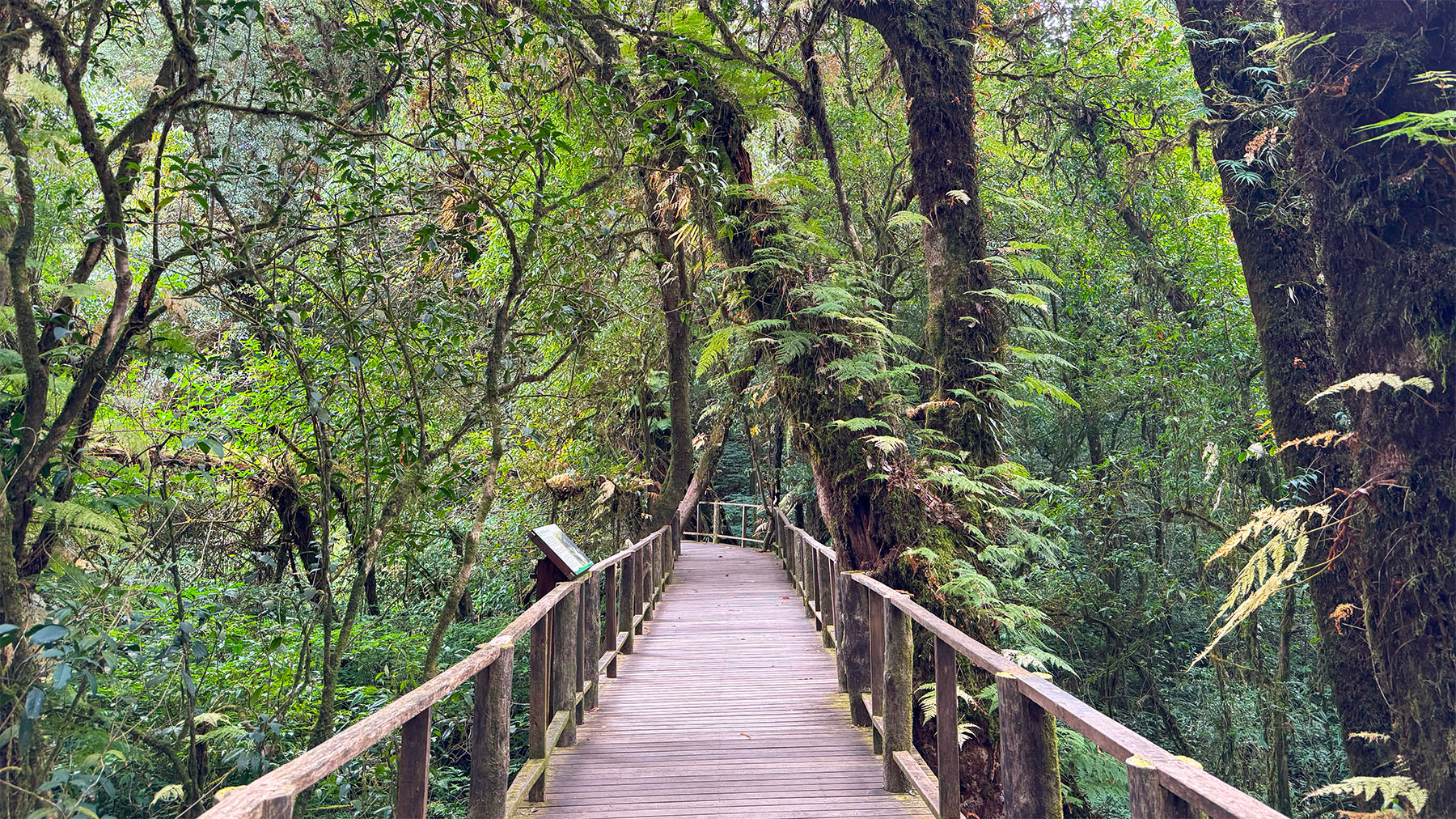
Often called The Roof of Thailand, Doi Inthanon National Park boasts the country’s highest peak, rising to an impressive 2,565 metres above sea level. This natural treasure captivates visitors with its cool climate, lush mossy forests, and abundant wildlife. Well-constructed boardwalks and thoughtfully placed signboards guide the way, ensuring an effortless journey while allowing us to focus on the surrounding natural beauty.
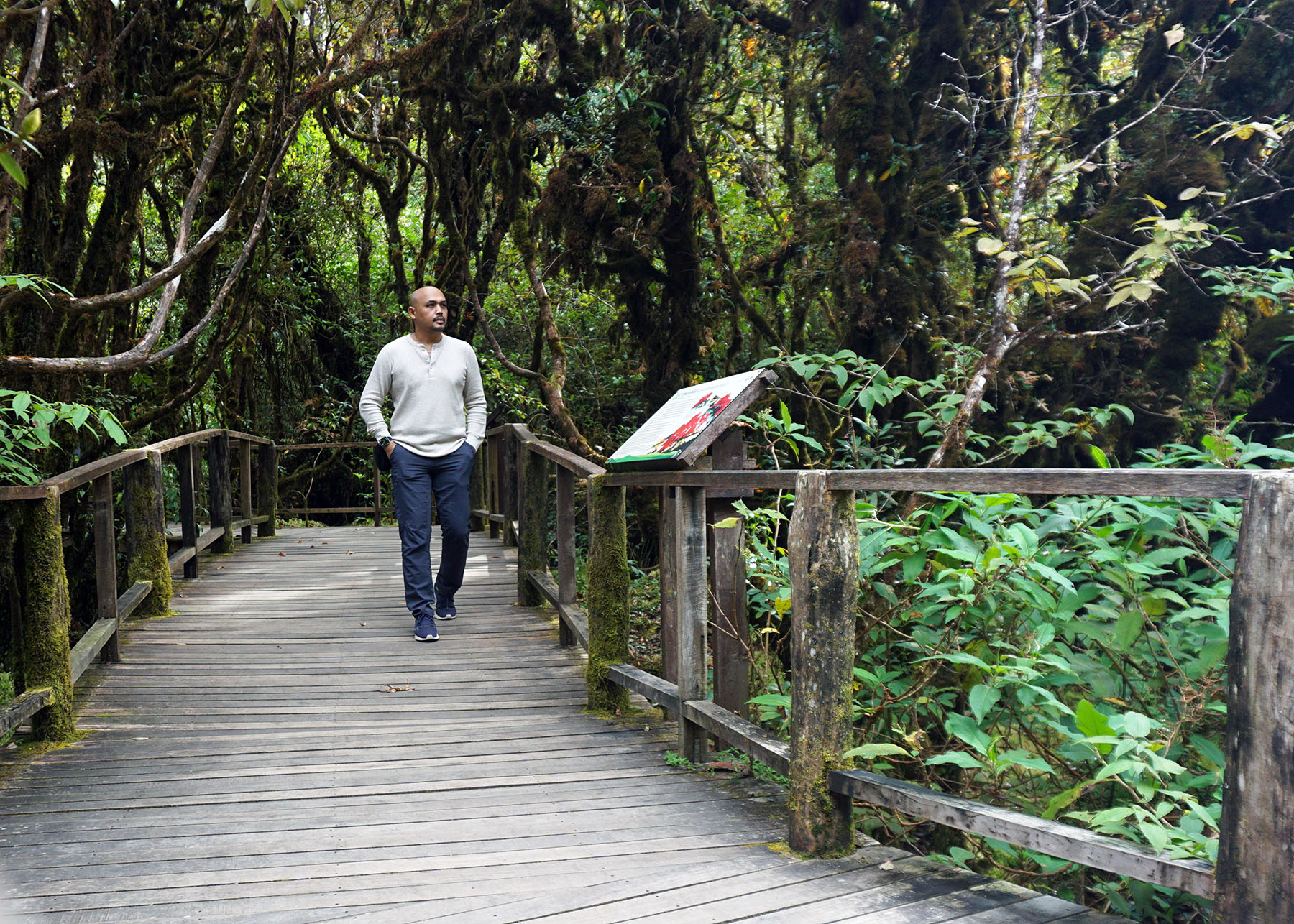
The forest is a moist evergreen cloud forest, characterised by high humidity and consistently cool temperatures. As we wandered, a vibrant tapestry of rhododendrons, delicate orchids, and lush ferns greeted us. The forest floor, draped in mosses and lichens, created an almost magical atmosphere. Our guide, Mr Pisut, shared fascinating details about the spring waters trickling across the forest floor.
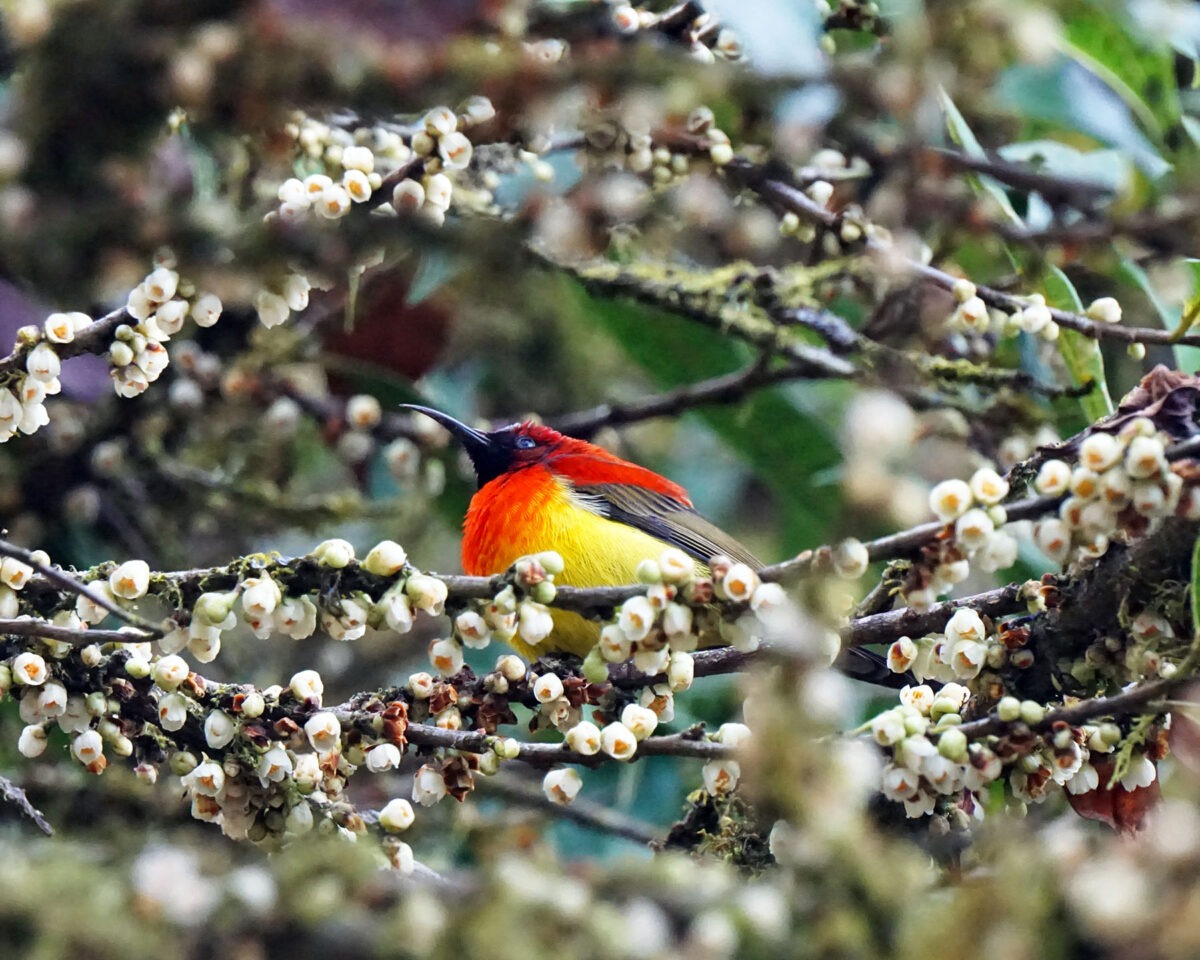
The highlight for me was capturing a stunning photo of a green-tailed sunbird among the lush greenery—a rare wildlife moment in action.
What stands out most from my Chiang Mai experience is the destination’s stark contrast to Bangkok’s massive traffic and concrete jungle. This time, flying with AirAsia, I joined four fellow media members and an AirAsia representative to explore this remarkable destination.
AirAsia flies to Chiang Mai from Kuala Lumpur twice daily. AirAsia Thailand also flies to Chiang Mai from major domestic cities like Hat Yai, Bangkok, Krabi and Phuket; and international home port like Hanoi, Hong Kong and Taipei.
The trip was even more enjoyable with the company of Mr Pisut, who shared a wealth of insights into local attractions, history, and insider tips. He even entertained us with local jokes — some so uniquely Thai that we couldn’t help but laugh, even if it took a moment to understand.
Wachirathan Waterfall, tucked away in the heart of the national park, exudes sheer power with its cascade plunging an impressive 80 metres, churning up a mist that creates an ethereal atmosphere, like a creative drawing on a canvas. Luck was on our side that day; the sunlight aligned perfectly, gifting us a vibrant rainbow arching across the cascade — a sight that even seasoned travellers like me couldn’t help but marvel at.

A few hours earlier, we stopped at Ban Mae Klang Luang, a picturesque village that embodies the serene and authentic rural life of northern Thailand. Nestled amidst lush green rice terraces, the village is home to the Karen hill tribe, whose rich traditional culture enhances its stunning natural beauty.
The villagers welcomed us warmly and invited us to sample freshly brewed organic Arabica coffee, made from beans grown and harvested in the village using traditional methods. The coffee’s aroma and flavour were as delightful as the setting itself.

For those curious about the process, guided tours of the coffee farm offer insights into the meticulous cultivation and processing techniques. Visitors can even purchase the village’s own brand of coffee beans to take a taste of Ban Mae Klang Luang home.
The village also features peaceful retreats at locally operated homestays and chalets, allowing travellers to experience warm hospitality and explore the surrounding nature. It’s a chance to slow down and savour the essence of life in the highlands.
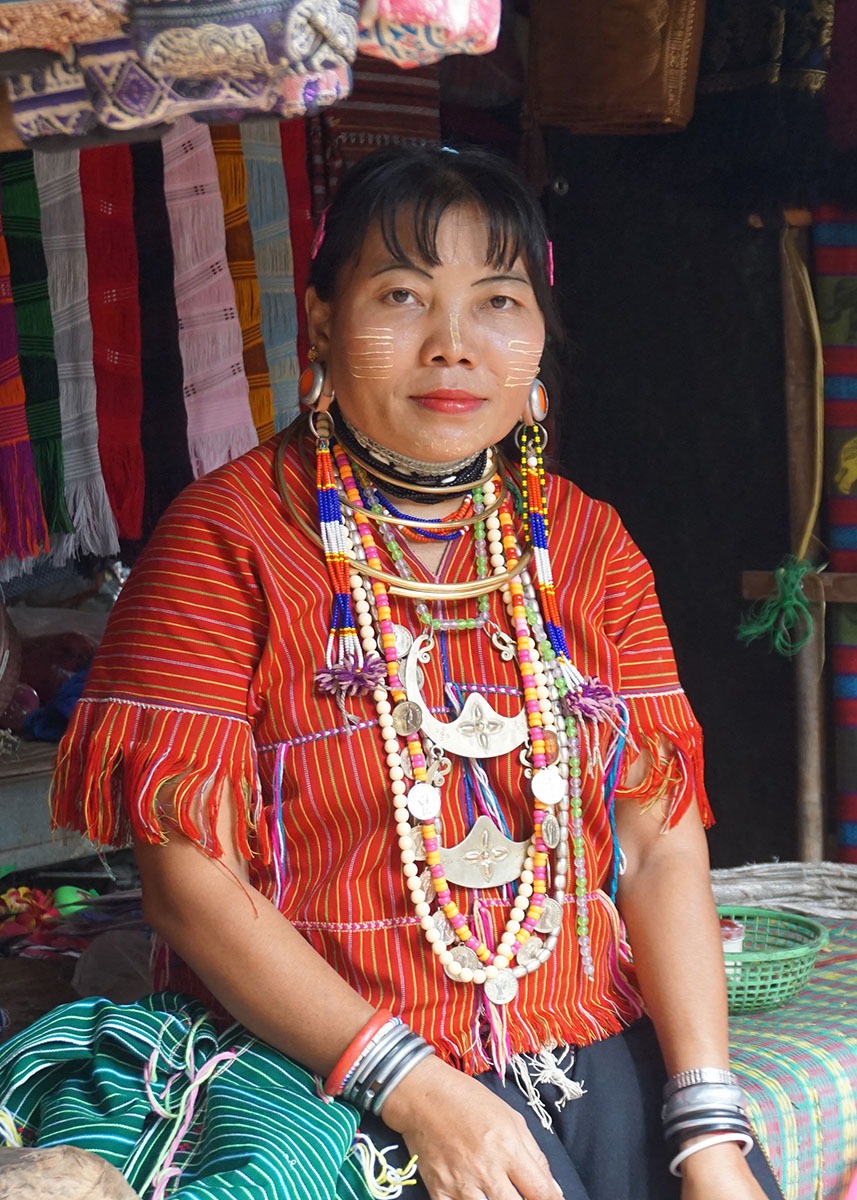

Here we learned there are two most significant groups of the Karen people: Kayang and Kayo. Known as the “Long Neck” women, the Kayang (Kayan) women are famous for wearing brass coils around their necks that give the appearance of an elongated neck. The Kayo (Kayaw) women, on the other hand, are known for their extended earlobes, which are adorned with large earrings or plugs.
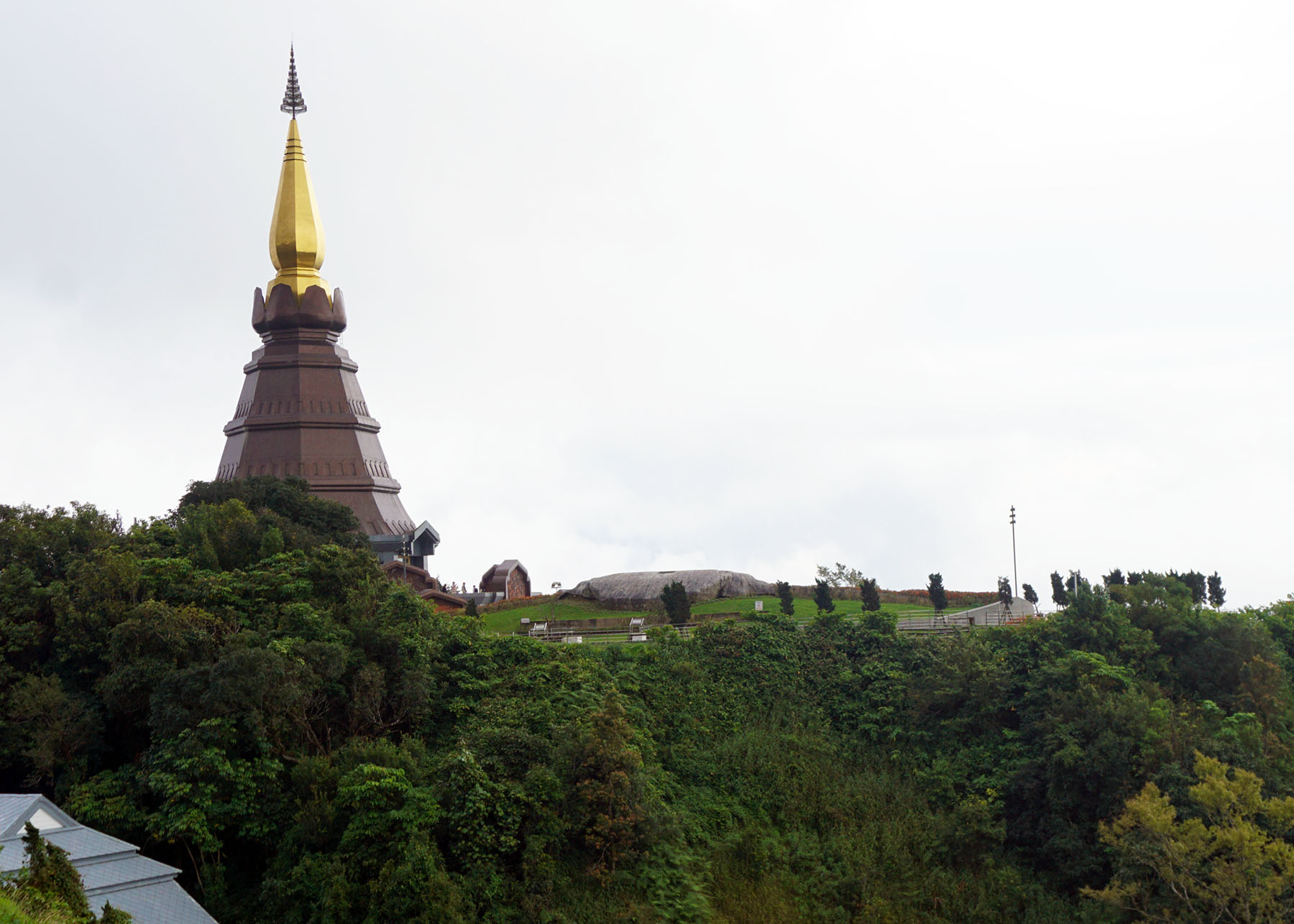
While in Doi Inthanon National Park, we visited the Royal Twin Pagodas, also known as the King and Queen Pagodas. Built to honour the 60th birthday of King Bhumibol Adulyadej and Queen Sirikit, these pagodas are surrounded by beautiful gardens filled with various flowers and offer stunning views of the mountains and valleys. The pagodas feature intricate carvings and murals from Buddhist mythology, making them not only places of worship but also cultural treasures.
No trip to Thailand is complete without seeing an Asian elephant. However, it’s important to choose a park that treats elephants with care. We recommend Chang Thai Heritage, about an hour from Chiang Mai. Established in 2015, the park was created to provide a safe haven for elephants, a peaceful and secure home where they are free from abusive work.
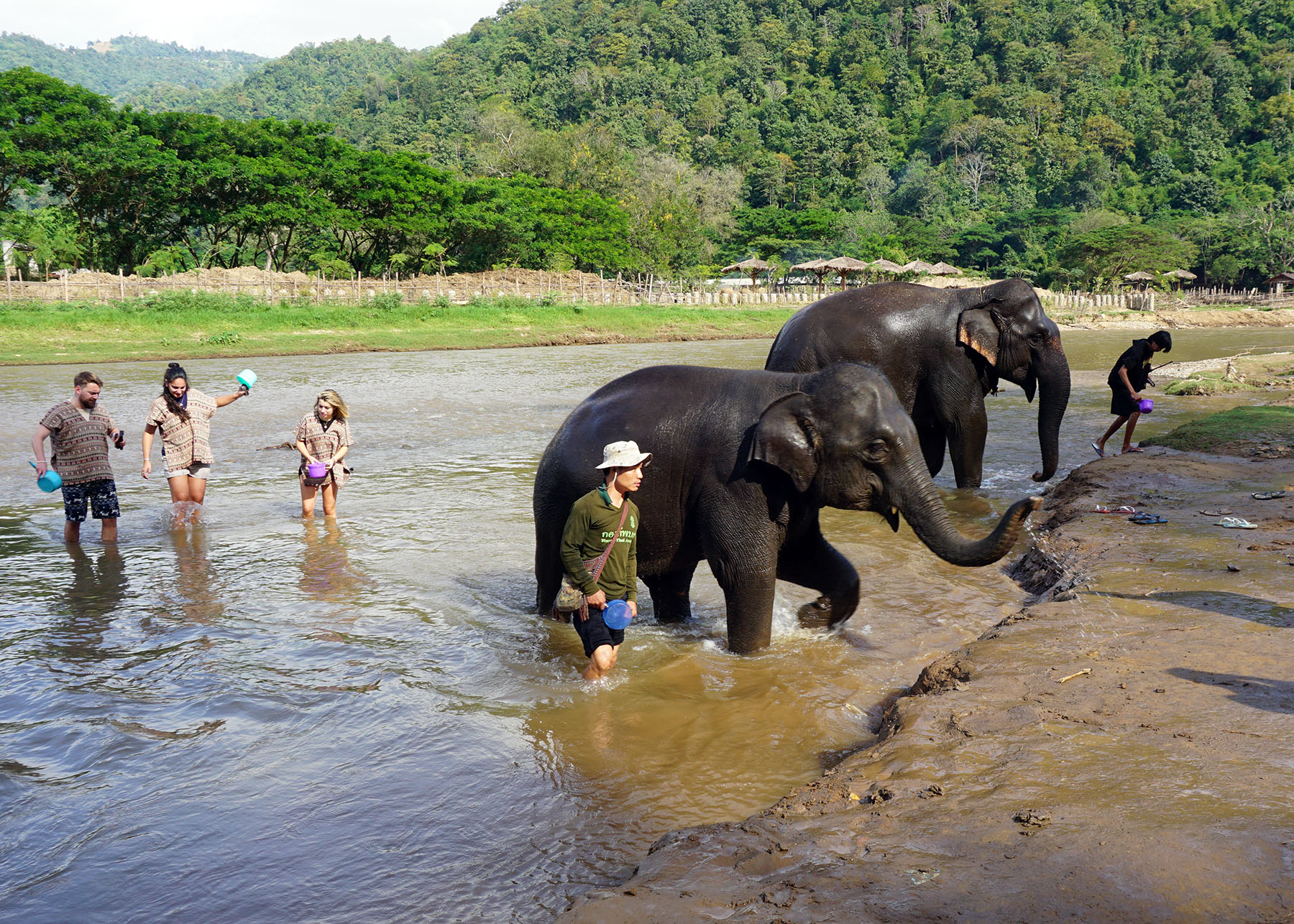
We had the chance to feed and bathe these gentle giants and take part in educational programmes on their care and medical treatment. Unlike traditional elephant camps, it serves as a home where elephants are treated with respect and love. The sanctuary focuses on training baby elephants to live in the wild without the use of hooks or causing them harm. By visiting, you support these conservation efforts. We also urge travellers to avoid riding elephants and refrain from supporting entertainment that exploits them.
Just a few minutes away from the park, we visited the Karen hill tribe market. The Karen, one of Thailand’s most prominent hill tribes, have a fascinating history, with many members arriving as refugees from Myanmar. Predominantly animist, they maintain rich customs, laws, and beliefs.

Though small, the market, with about 20 stalls, offers a glimpse of Karen heritage. We explored stalls selling beautiful handicrafts, including handwoven silk scarves, blankets, and wooden sculptures of the Long Neck Karen women. I couldn’t resist buying some as keepsakes. Meeting the Karen people and learning about their traditions made this stop more than just a shopping trip: it was an introductory portal into hill tribe’s rich culture and heritage.
To enrich our Chiang Mai adventure, we took a cooking class at Mama Noi Cookery School, one of the city’s finest. Located in the heart of Chiang Mai, the school features a home-grown organic garden and offers an immersive introduction to Thai cuisine. We picked herbs and ingredients from the garden and learned to make authentic cooking pastes.
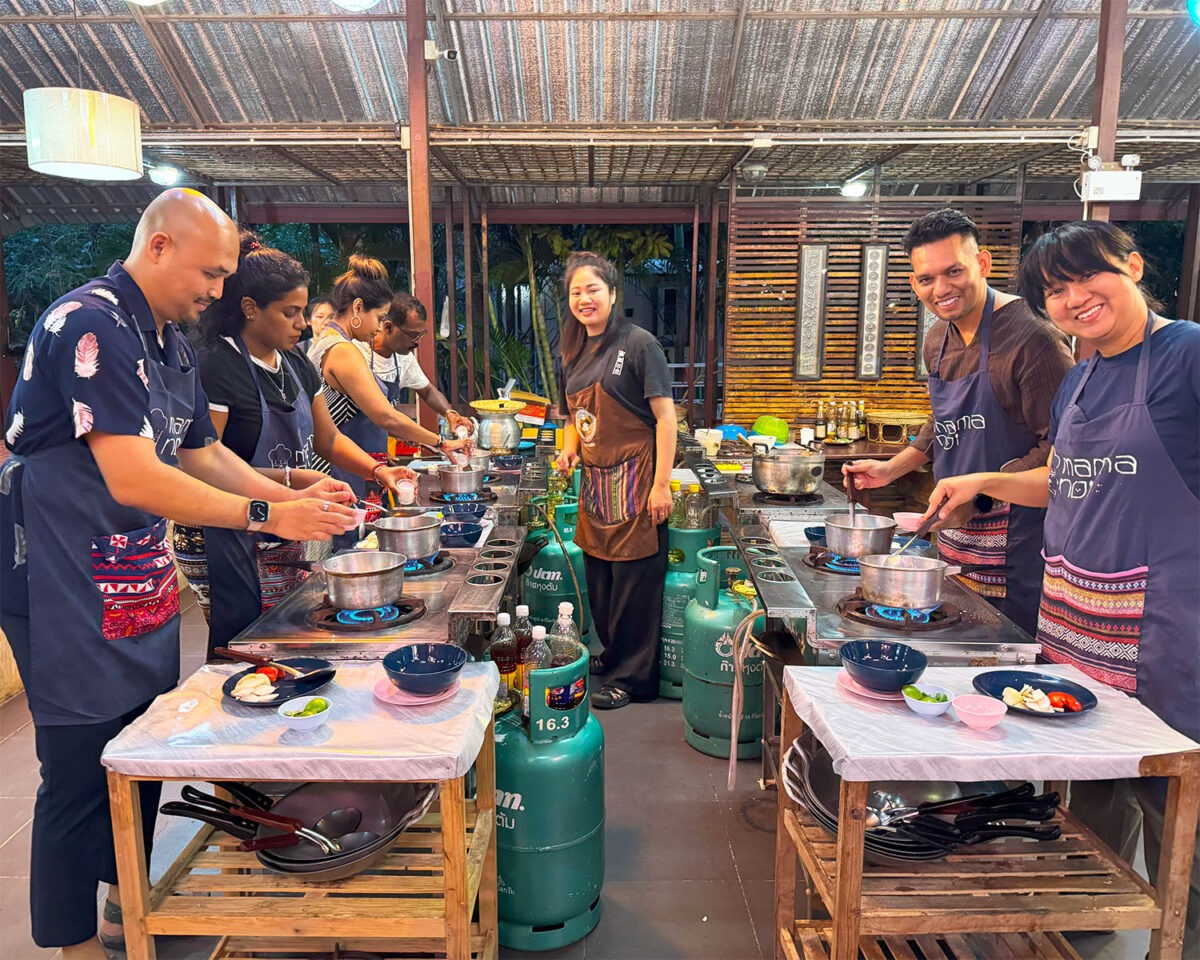
As someone who enjoys eating more than cooking, I was surprised by how exciting it was to prepare these dishes myself. Before the class began, we had to choose our dishes.
I selected Pad Kra Pow (stir-fried chicken with hot basil), Tom Som (Chiang Mai-style sour and spicy soup), and Khao Soi (Chiang Mai curry noodles). My choices were inspired by a desire to recreate the authentic local flavours of Chiang Mai, and the results exceeded my expectations.
Next, we visited The Royal Ratchaphruek Flower Garden, also known as Royal Park Rajapruek, a beautiful botanical garden southwest of Chiang Mai. The garden is home to over 2,200 species of tropical plants and features stunning landscapes.
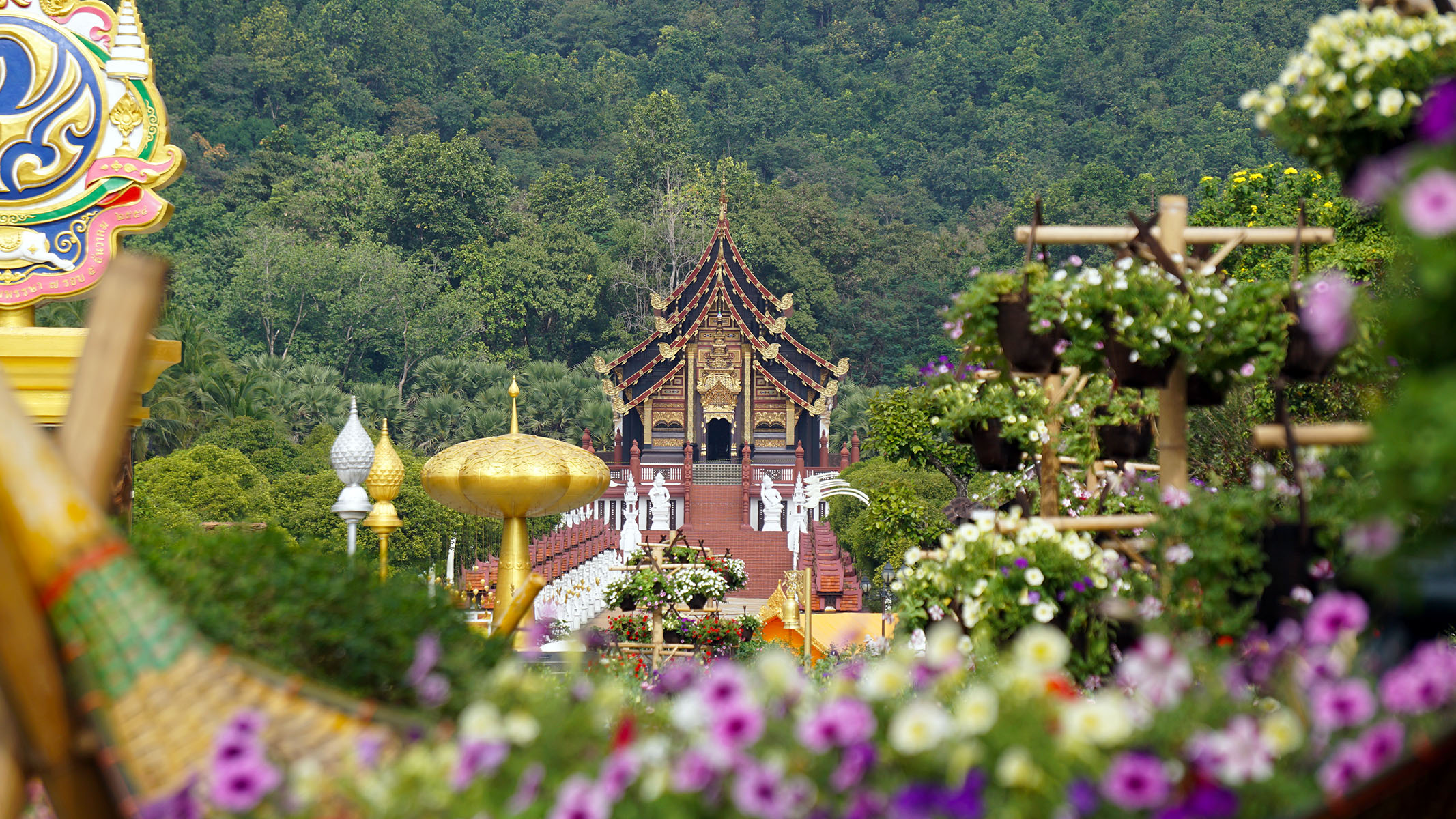
Highlights include themed gardens, lotus-filled ponds, and the impressive Ho Kham Royal Pavilion, designed in traditional Lanna style.
Created for the Royal Flora Ratchaphruek 2006, an international horticultural event celebrating the monarch’s 60th anniversary and 80th birthday, the garden has since become a permanent attraction.
A standout feature is the International Garden Zone, which showcases landscapes from Malaysia, Japan, the Netherlands, and China, each reflecting the unique flora, architecture, and culture of its origin. The garden offers a visual feast and a chance to appreciate the diversity of botanical beauty and global garden traditions.

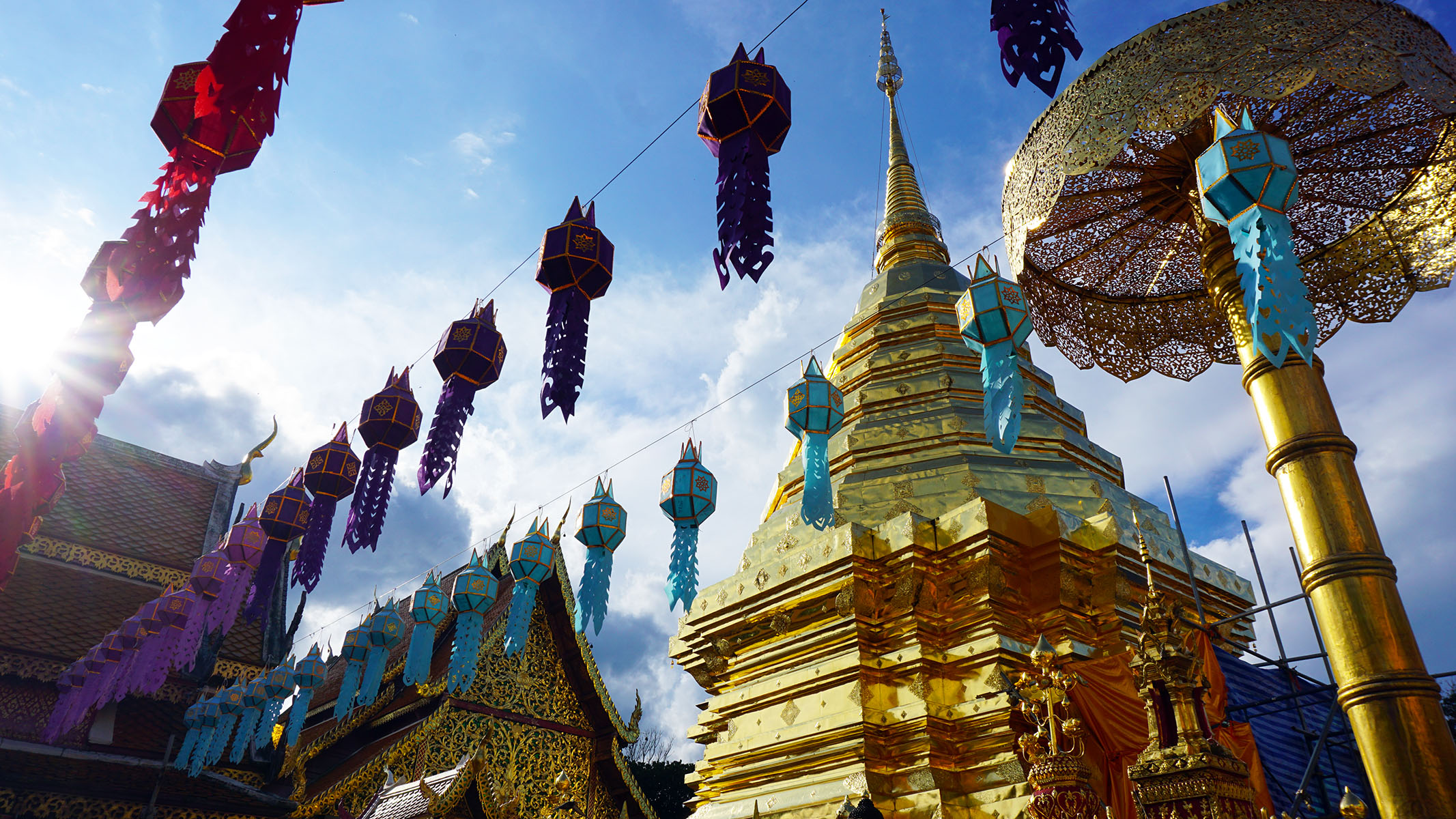
We concluded our journey through Chiang Mai with a visit to Wat Phra That Doi Suthep. Perched high on Doi Suthep mountain, this sacred Buddhist temple is one of the city’s most iconic landmarks.
Founded in 1383, the temple’s intricate Lanna-style architecture, including the golden chedi and the ornately carved Naga staircase, left us in awe.
At 1,073 metres above sea level, its location offers breathtaking panoramic views of Chiang Mai and the surrounding Ping Valley, a view that becomes even more magical at sunset. This final stop perfectly captured the cultural and spiritual richness of Chiang Mai, leaving us with memories as golden as the temple’s pagoda.
As our journey through Chiang Mai came to an end, I couldn’t help but reflect on the immersive experiences this vibrant destination offers. From cascading waterfalls and peaceful mountain villages to immersive cooking classes and spiritual temples, every corner of Chiang Mai tells a fascinating story.
Chiang Mai is not just a destination; it’s an invitation to connect with nature, history, and the heart of Northern Thailand itself. Until my next adventure, Chiang Mai remains as the place that keeps on lingering in my soul.
Gaya Travel Magazine team members express our heartfelt gratitude to AirAsia for making the writer’s trip possible and smooth-sailing.
About The Author


Ed Junaidi is a seasoned Online Editor at Gaya Travel Magazine, where he has been sharing his passion for travel for over 15 years. A dedicated globetrotter, Ed cherishes the chance to explore the world, uncovering new experiences and insights with every journey. His compelling contributions to Gaya Travel Magazine earned him a prestigious residency grant from the Mexican government in 2015 through Media Residency Program. Through his work, Ed continues to inspire readers with stories that capture the essence of travel and cultural discovery.


Leave a Reply