
Nature and Culture in Harmony: Kuching’s Sustainable Tourism Revolution
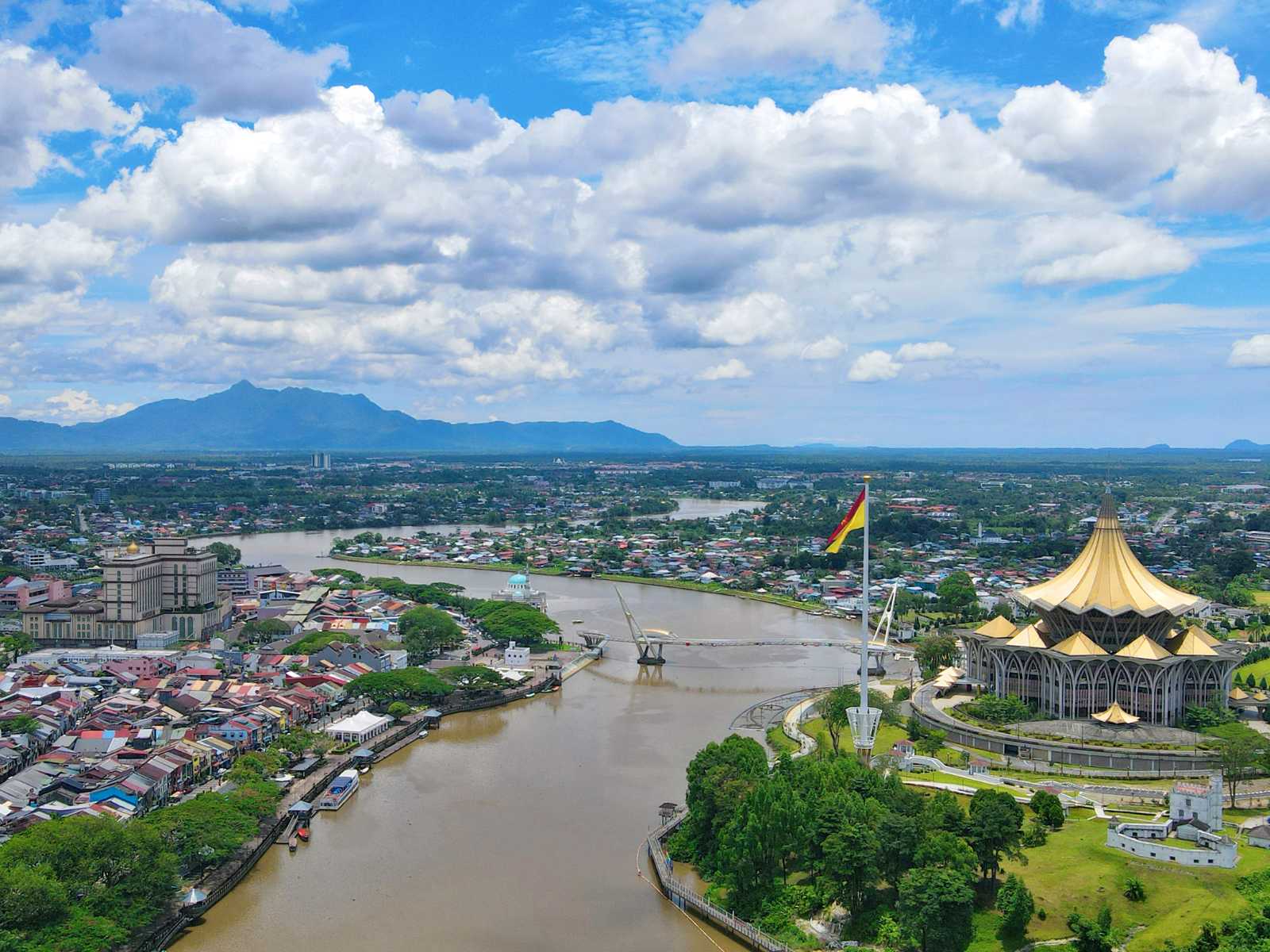
According to the 2023 Annual Report by the Sarawak Tourism Board, ecotourism revenue increased by 58% year-on-year (Sarawak Tourism Board, 2023), painting an unprecedented green blueprint for Kuching—affectionately known as “Cat City.” In addition, Kuching has been shortlisted as one of the Global Sustainable Tourism Destinations for 2024 by the United Nations World Tourism Organization (UNWTO, 2024). By integrating biodiversity conservation, revitalization of indigenous culture, and a low-carbon community economy, Kuching is forging a new path toward sustainable development that harmoniously unites nature and humanity.
Dawn and Dusk: Interwoven Green Imprints Across Time
During my Master’s studies in Tourism Management in Malaysia, I took two trips to Kuching to experience its sustainable tourism practices firsthand. On one journey, I spent a full week immersed in the local culture and natural surroundings; on the other, I attended the 2024 Tropical Rainforest Music Festival.

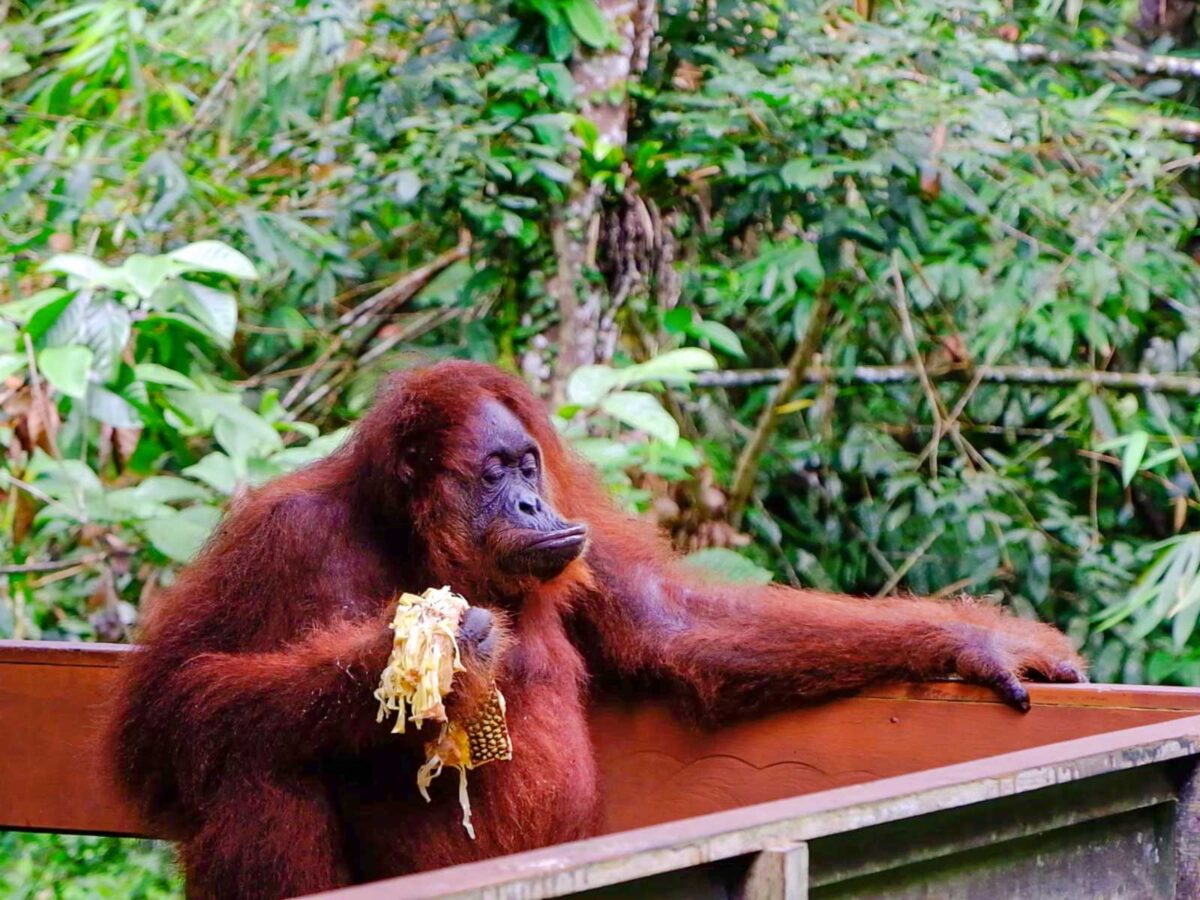
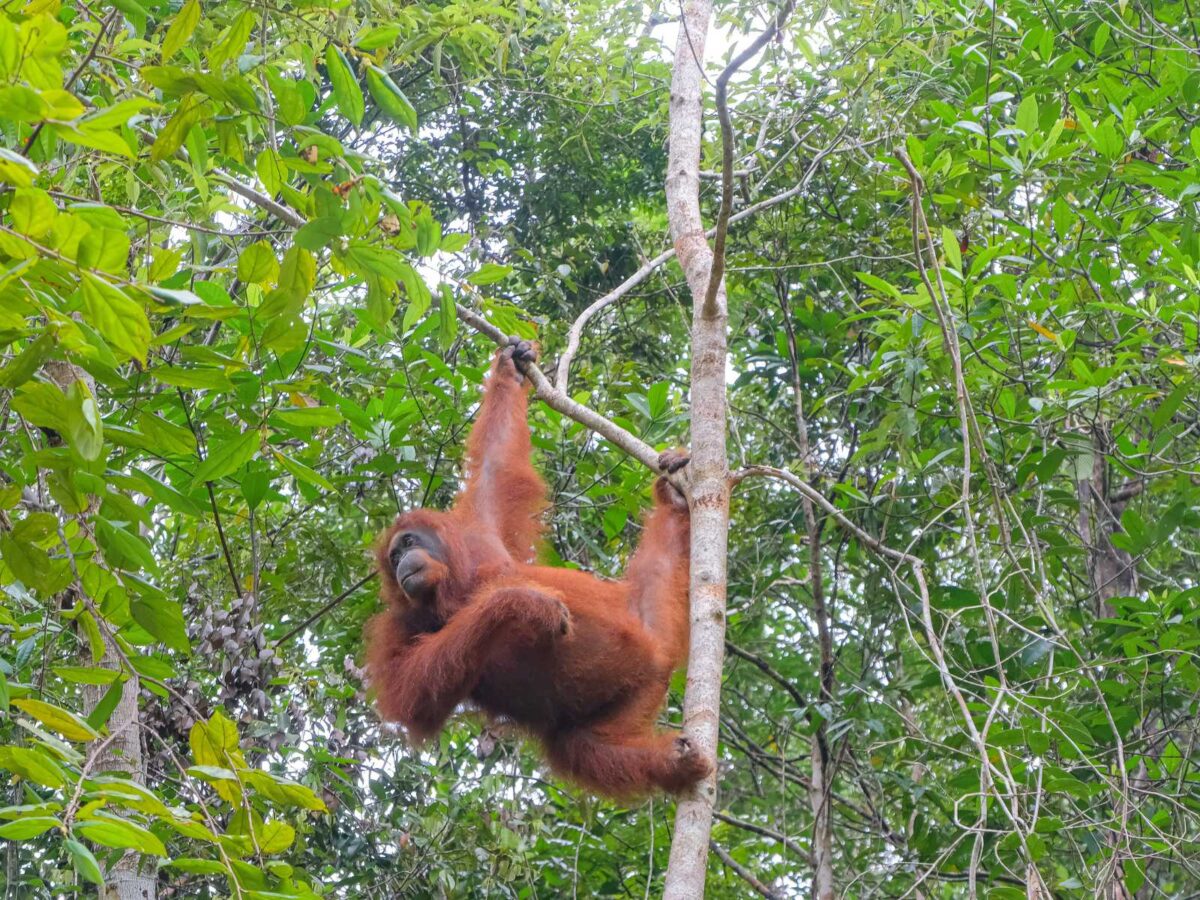
One unforgettable morning, I visited the Semenggoh Wildlife Centre. In the soft glow of dawn, I witnessed a troop of orangutans quietly waiting to be fed—a scene both gentle and powerful. The centre’s semi-wild rehabilitation program adheres strictly to a “no captivity” principle, ensuring that every ticket sale funds the rainforest patrol teams. Internal data from Semenggoh Wildlife Centre indicate that 2023 saw a 25% increase in orangutan rescues (Semenggoh Wildlife Centre, 2023), demonstrating ecotourism’s tangible contribution to biodiversity conservation.

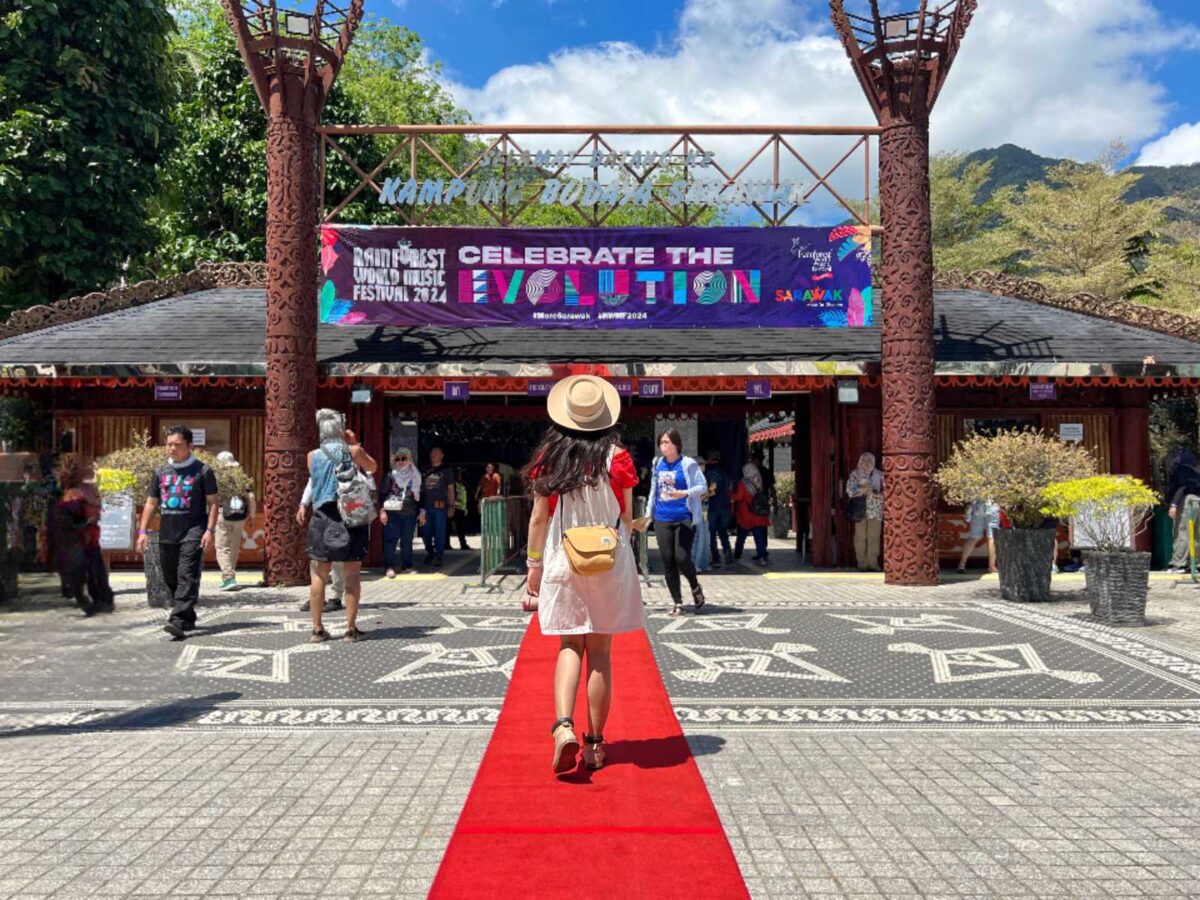
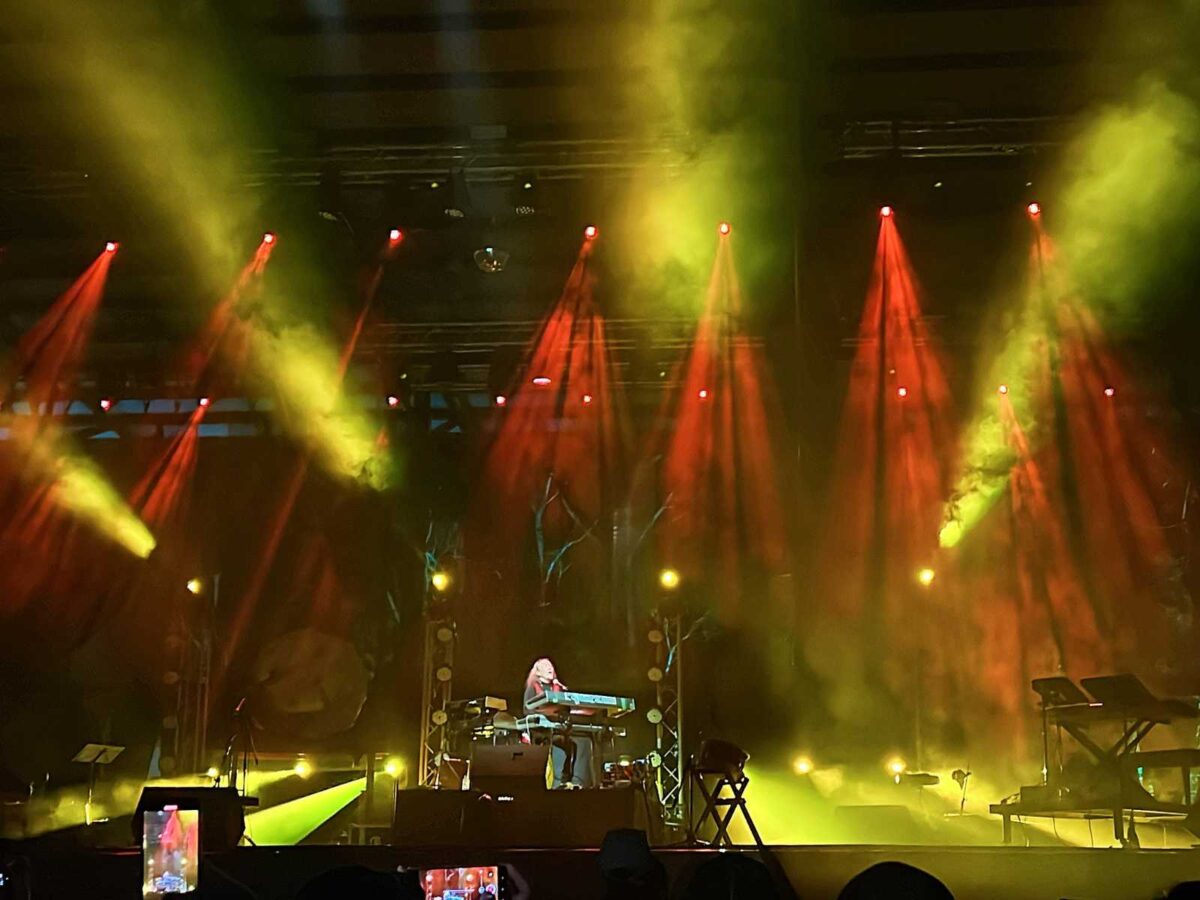
As dusk fell, the atmosphere at the Tropical Rainforest Music Festival transformed dramatically. A bamboo-built stage radiated warmth under a blend of moonlight and neon, while the organic tones of traditional instruments evoked Kuching’s unique historical narrative alongside its modern green innovations. This dialogue across time and space deeply impressed upon me the distinctive way in which Kuching embodies the principle of “nature and culture in harmony.”
Dissecting Kuching’s Path to Sustainable Development
Kuching’s sustainable development strategy is structured around the three pillars of sustainable tourism promoted by the UNWTO—ecological, cultural, and community sustainability—each contributing to an integrated model that preserves its heritage while paving the way for innovative practices.
1. Ecological Sustainability: Guardians of the Rainforest
Semenggoh Wildlife Centre: At Semenggoh, visitors not only have the rare opportunity to observe orangutans up close but also to witness a pioneering “semi-wild rehabilitation” model that shuns conventional captivity. Strict visitor protocols ensure minimal disturbance to the animals, and every ticket sale directly finances vital rainforest patrols and conservation projects. In this way, every guest becomes a guardian of the ecosystem, directly contributing to the preservation of natural heritage.


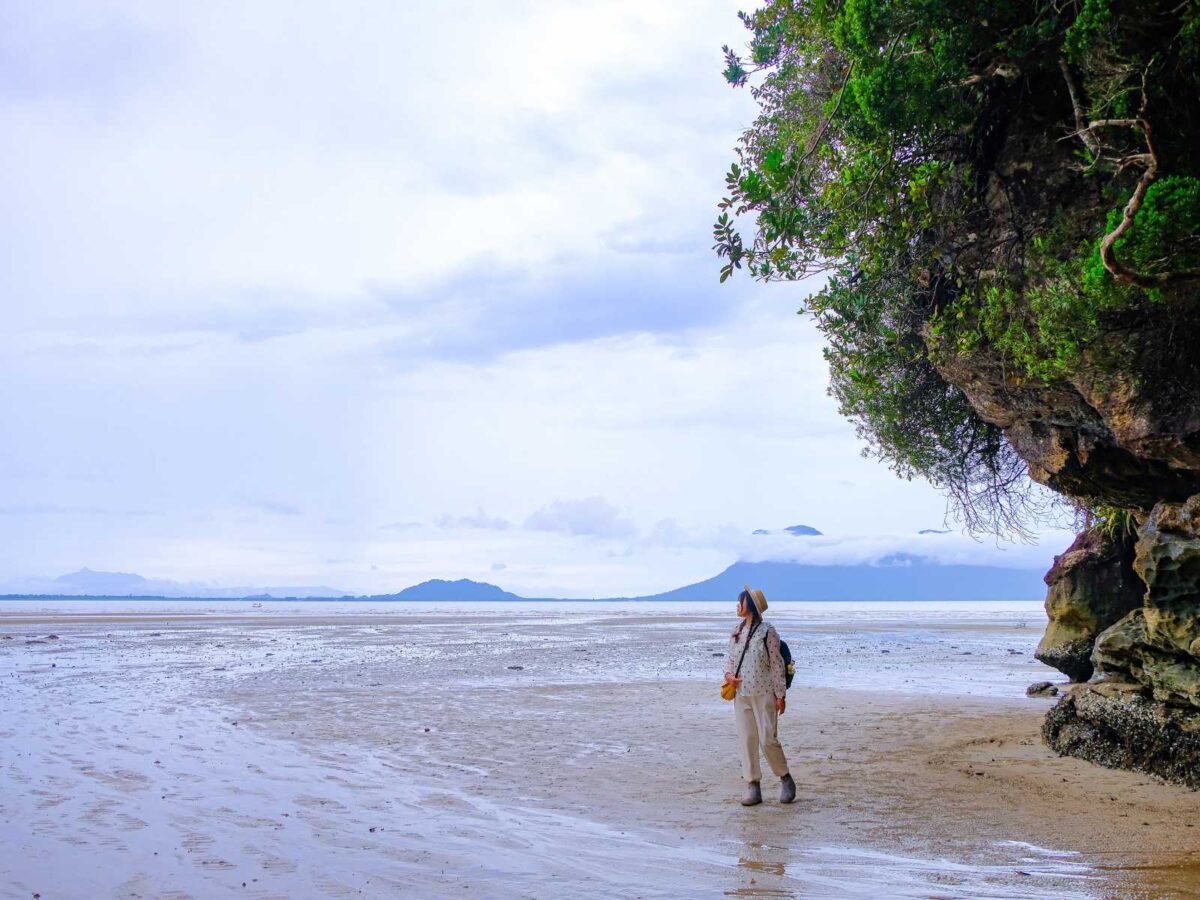
Bako National Park: A stroll along the meticulously planned eco-trails in Bako National Park vividly demonstrates the application of “minimal ecological footprint” principles. The carefully designed paths allow visitors to immerse themselves in nature while protecting sensitive habitats such as the camphor forests. According to a 2021 report by the Sarawak Tourism Board, local villagers employed as eco-guides have witnessed significant income improvements (Sarawak Tourism Board, 2021), injecting community vitality into the park’s conservation efforts.


2. Cultural Sustainability: Revitalizing Indigenous Heritage
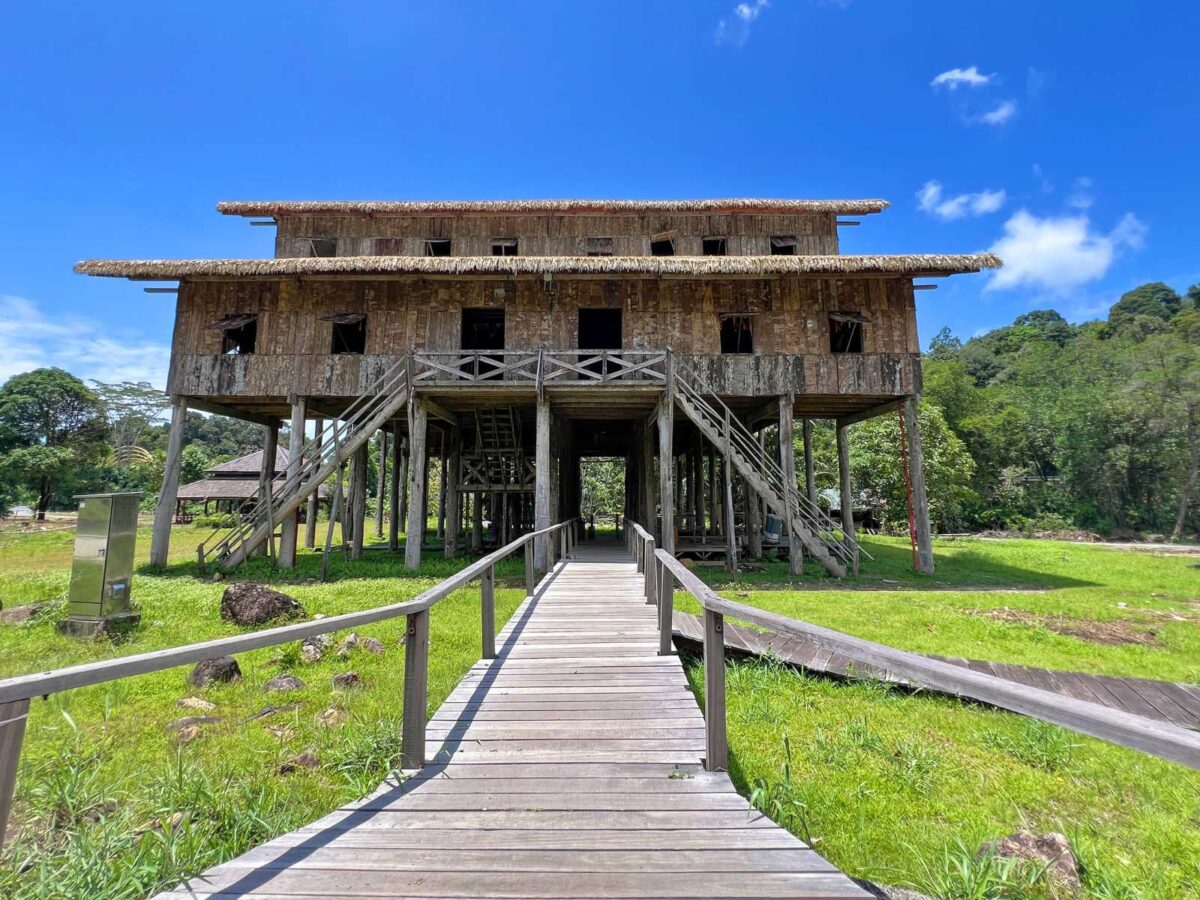
Sarawak Cultural Village: At the Sarawak Cultural Village, traditional culture is preserved and presented in its most authentic form. In line with a 2022 policy by the Sarawak State Government, indigenous elders participating in the “Living Heritage Practitioner Program” receive regular stipends (Sarawak State Government, 2022). This initiative not only safeguards traditional practices but also employs modern tools—such as augmented reality (AR) navigation—to digitally interpret cultural heritage. Visitors can experience dynamic performances like the Iban warrior dance, which not only preserves cultural authenticity but also allows audiences to feel the vibrancy and continuity of local traditions.


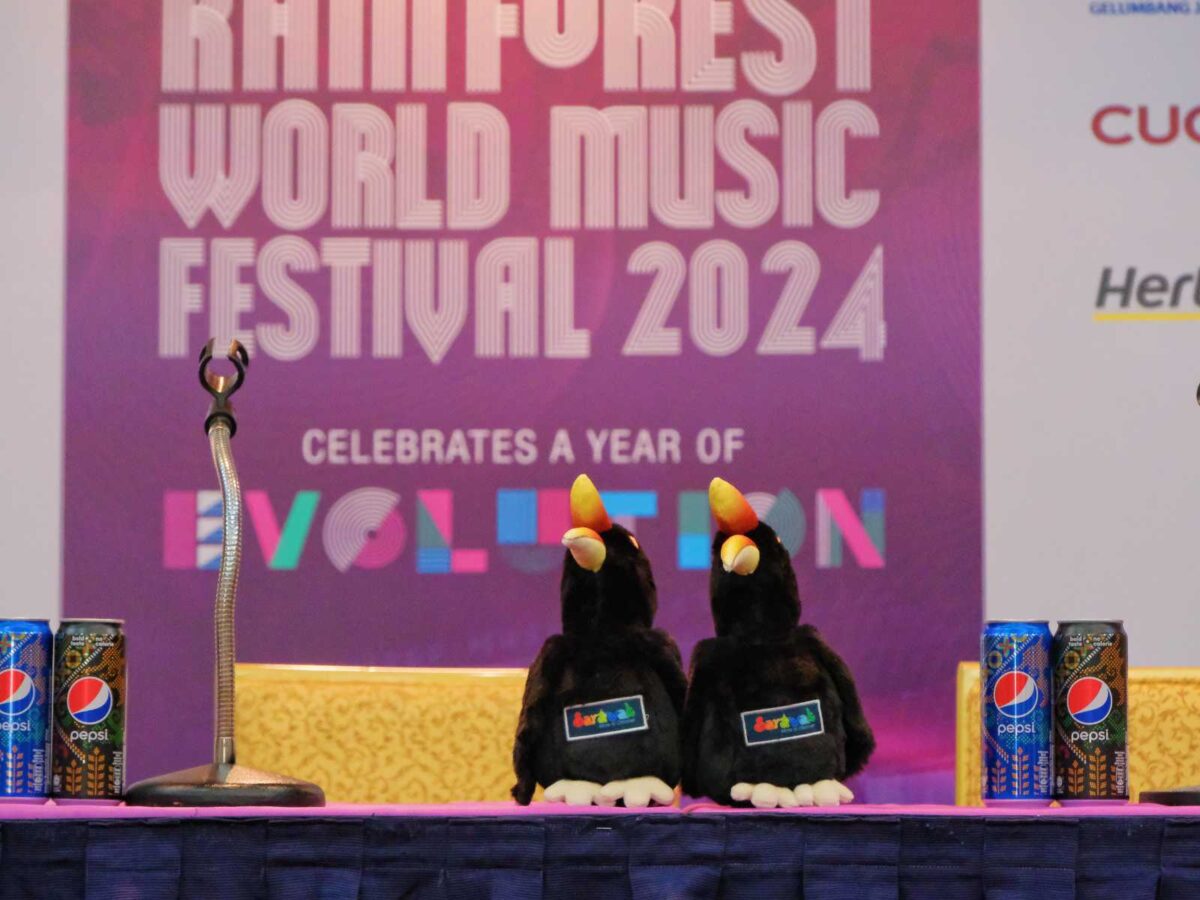
Rainforest World Music Festival 2024: More than a mere musical celebration, the Rainforest World Music Festival is an immersive event that combines cultural expression with environmental advocacy. Featuring a stage constructed entirely of bamboo and incorporating a closed-loop system for recycling instruments, the festival is partly powered by solar energy (Rainforest World Music Festival, 2023). These eco-friendly measures not only reduce the event’s carbon footprint but also attract over 20,000 visitors, showcasing a win-win model where culture and ecology reinforce one another.


3. Community Sustainability: Low-Carbon Economy and Shared Prosperity
The Culvert Hotel & Resort: Situated along the seafront in Kuching, The Culvert Hotel & Resort is a prime example of innovative design that marries tradition with modernity. The resort creatively repurposes industrial concrete pipes into guest rooms, exemplifying an ingenious blend of industrial chic and natural aesthetics. Committed to low-carbon operations, the hotel sources 90% of its ingredients from local organic farms—reducing transportation emissions while supporting nearby agriculture. Additionally, used soap from the guest rooms is recycled into community cleaning products, and discarded plastic bottles are transformed into art installations. This circular economy model not only highlights architectural innovation but also sets a benchmark for sustainable practices in the hospitality sector.


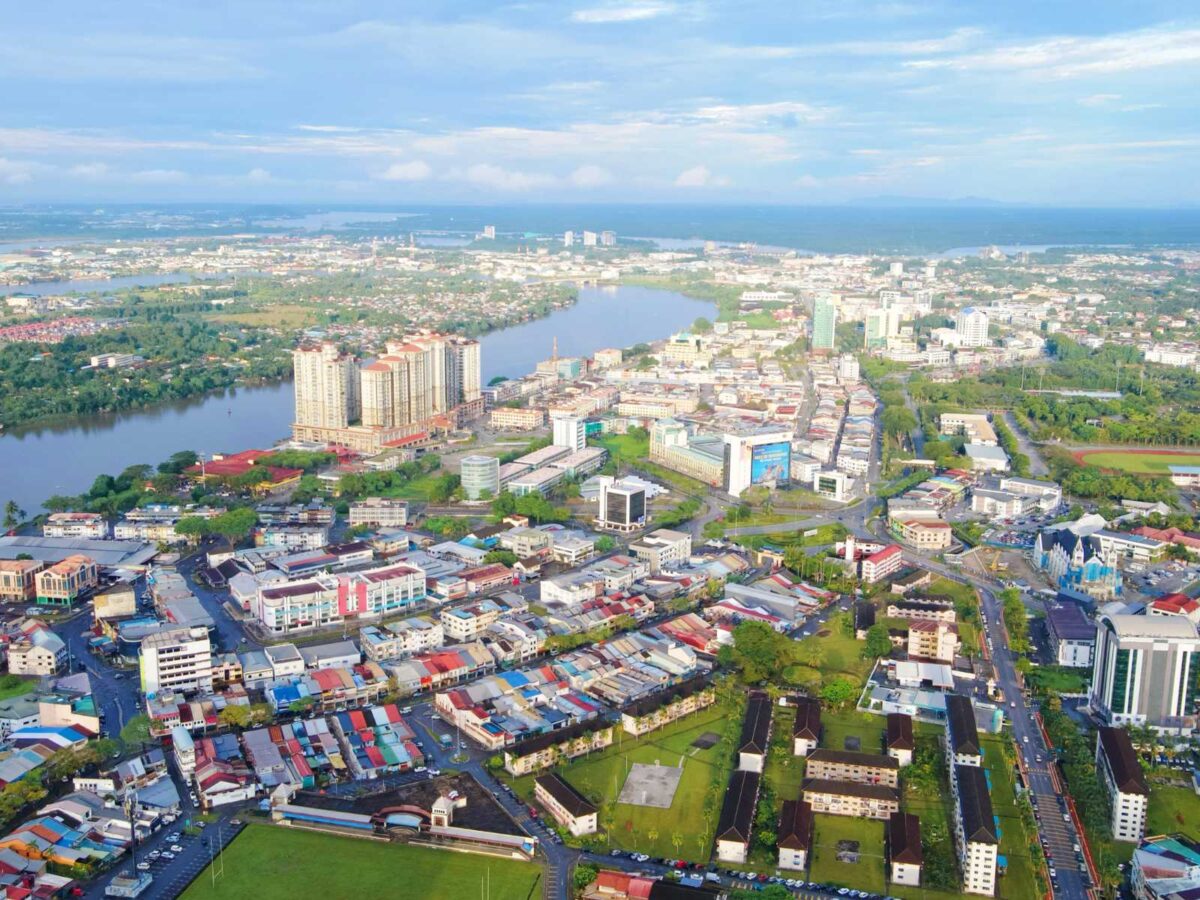
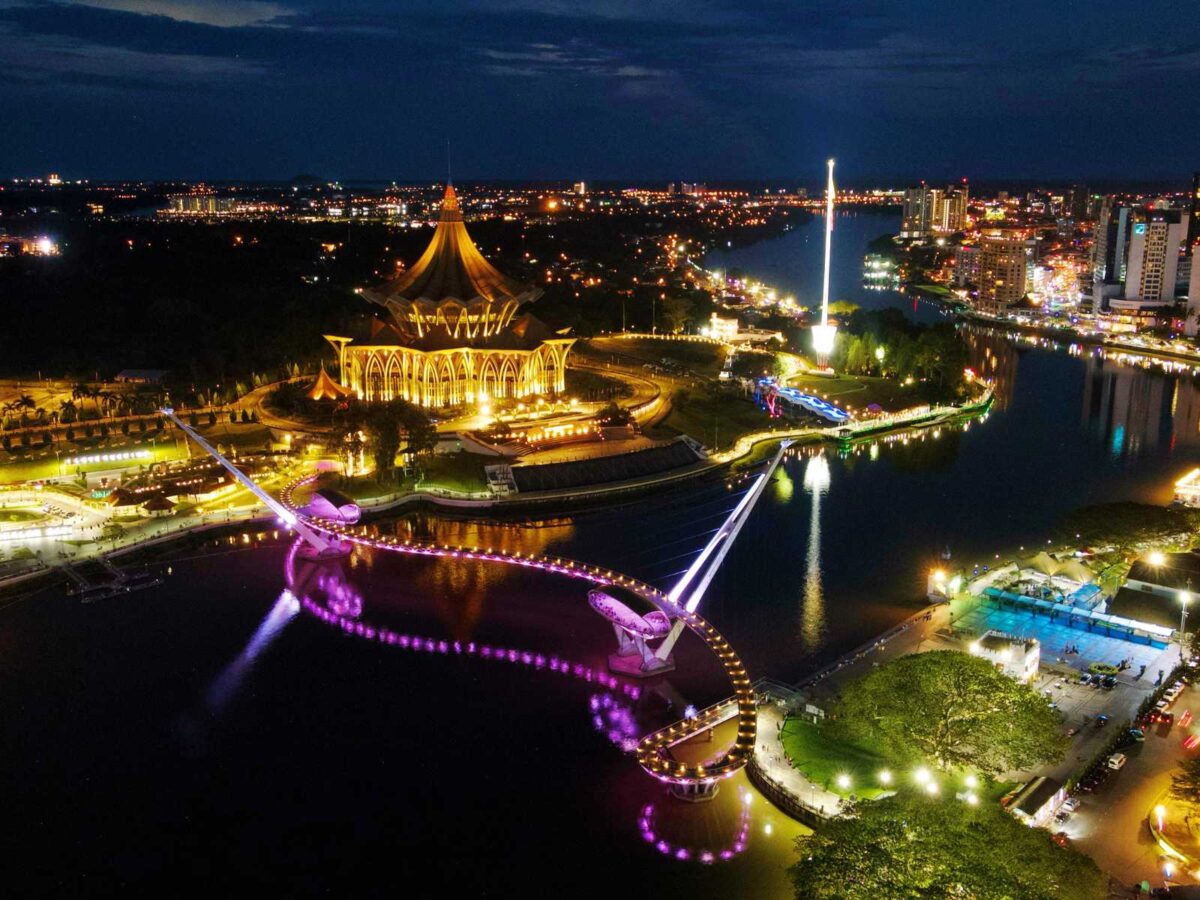
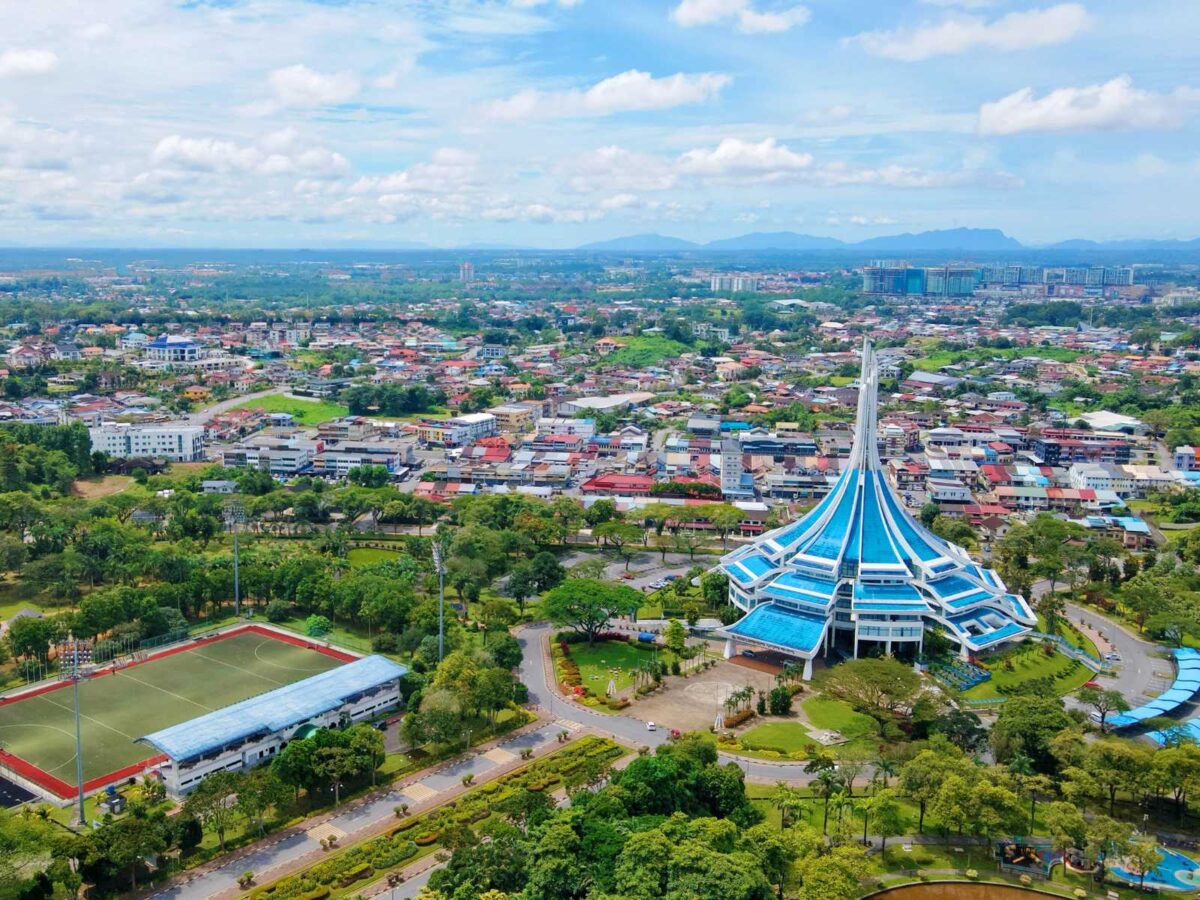
Urban Renewal and Low-Carbon Transportation: Kuching, a city with a rich cultural heritage and a modern outlook, is undergoing comprehensive urban renewal. Through initiatives such as the Sarawak River rehabilitation project, efforts to clean and restore riverbanks have not only created new job opportunities but also significantly reduced pollution (Sarawak State Government, 2023). Moreover, a study by the Asian Development Bank (ADB, 2022) confirms that the introduction of electric boat services in Kuching has led to a marked decrease in carbon emissions, paving the way for a greener urban transportation model.

Conclusion: A Green Vision for the Future
Kuching is much more than a city with a storied past and diverse cultural tapestry; it is a modern metropolis actively redefining sustainable tourism. From the conservation initiatives at Semenggoh Wildlife Centre to the cultural vitality showcased at the Sarawak Cultural Village, including the pioneering low-carbon practices at The Culvert Hotel & Resort to the urban renewal projects that transform the city infrastructure, Kuching stands as an innovative exemplar of how nature and culture can thrive in unison.


As a student of Tourism Management, I have witnessed firsthand the transformative power of these green initiatives. These experiences have instilled in me a belief that such sustainable practices will inject new life into the tourism sector, not only aligning with Malaysia’s Tourism Year 2026 strategic goals but also providing a replicable model for sustainable tourism worldwide.
Looking ahead, with further collaboration among government, private enterprises, and local communities, Kuching is poised to continue its evolution. By steadfastly advancing biodiversity conservation, indigenous cultural revitalization, and low-carbon community development, the city is set to lead both Malaysia and the global tourism industry into a future that is greener, more inclusive, and more prosperous.
【References】
Asian Development Bank (ADB). (2022). Low-carbon transportation initiatives in Kuching [Project brief]. https://www.adb.org
The Culvert Hotel & Resort. (2023). Sustainability practices and circular economy initiatives [Internal operational report]. Retrieved from https://theculvert.com/
Kuching City Tourism Board. (2023). Sustainable hospitality practices in Kuching [Case study report]. https://kuchingtourism.com
Rainforest World Music Festival. (2023). Environmental initiatives in RWMF 2023 [Event report]. https://rwmf.net
Sarawak Cultural Village. (2023). Living heritage practitioner subsidy program [Internal policy document].
Sarawak Forestry Corporation. (2022). Biodiversity conservation and sustainable tourism in Sarawak’s national parks [Annual report]. https://www.sarawakforestry.com
Sarawak Forestry Corporation. (2023, November 12). Semenggoh Wildlife Centre achieves milestone in orangutan rehabilitation [Press release]. https://www.sarawakforestry.com
Sarawak Forestry Corporation. (2023). Sustainability report of Rainforest World Music Festival 2023 [Unpublished internal report].
Sarawak State Government. (2022). Cultural heritage preservation policy in Sarawak. https://sarawak.gov.my
Sarawak State Government. (2023). Sarawak River rehabilitation project: Annual progress report. https://sarawak.gov.my
Sarawak Tourism Board. (2021). Community-based ecotourism development in Bako National Park [Internal report]. https://sarawaktourism.com
Sarawak Tourism Board. (2023, July 10). Innovative AR technology enhances visitor experience at Sarawak Cultural Village [Press release]. https://sarawaktourism.com/news
Sarawak Tourism Board. (2023, July 15). Sarawak ecotourism revenue hits record high in 2023 [Press release]. https://sarawaktourism.com/news
Tourism Malaysia. (2024). Sustainable tourism development initiatives in Kuching [Policy brief]. https://www.tourism.gov.myUnited Nations World Tourism Organization (UNWTO). (2024). Global sustainable tourism destinations shortlist 2024. https://www.unwto.org
About The Author



Leave a Reply