

Shangri-La Rasa Ria: The Epitome of Sustainability
Opened in 1996, the iconic and family-friendly Shangri-La Rasa Ria, initially featuring 330 rooms within what is now known as the Garden Wing, stands as one of Sabah’s most established properties. It holds the distinction of being the sole five-star resort in the Tuaran area, conveniently located a 45-minute drive from Kota Kinabalu International Airport. Its strategic position places it less than an hour from the majestic Mount Kinabalu and just 40 minutes from Kundasang, a popular highland retreat nestled at the mountain’s base. This exceptional resort is directly owned by the esteemed Shangri-La Group.
Fronting the secluded Dalit Beach and embraced by meticulously landscaped gardens and a pristine coastal forest nature reserve—including a beautifully manicured 18-hole golf course—Shangri-La Rasa Ria truly functions as a self-contained sanctuary, catering to the desires of every discerning traveller.

Upon entering the resort’s expansive grounds, guests are immediately struck by the sheer sense of space. These sprawling premises are particularly appealing to corporations, offering ample room for large-scale events accommodating thousands. In fact, the beachfront itself can host up to three thousand people. For indoor conferences and functions, corporations can readily utilise the well-equipped facilities within the resort’s Garden Wing.
Good to know: January to February and July to August are the hotel’s peak periods.
Premium Stay Experience
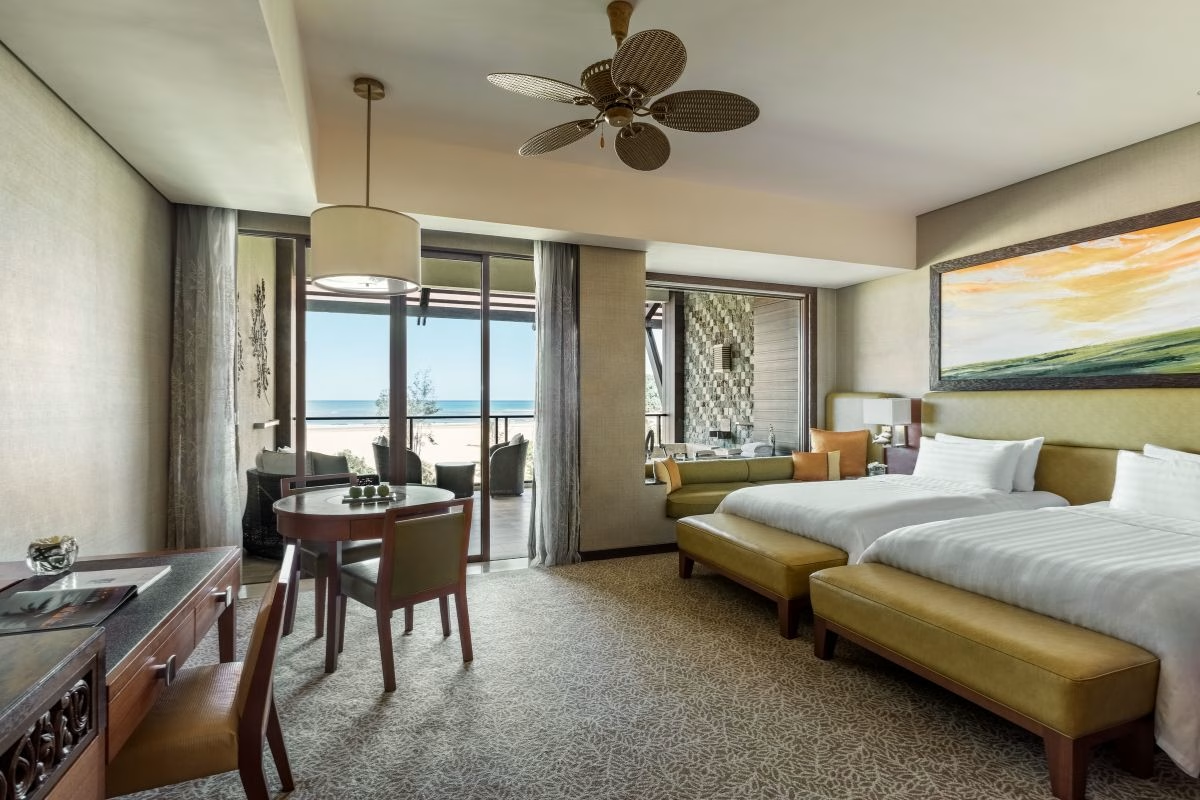
In 2004, Shangri-La Rasa Ria further elevated its offering with the addition of the premium, exclusive, and energy-efficient Ocean Wing. This extension, comprising 164 Ocean Wing Junior Suites, seamlessly connects to the Garden Wing, boosting the resort’s total room count to 494.
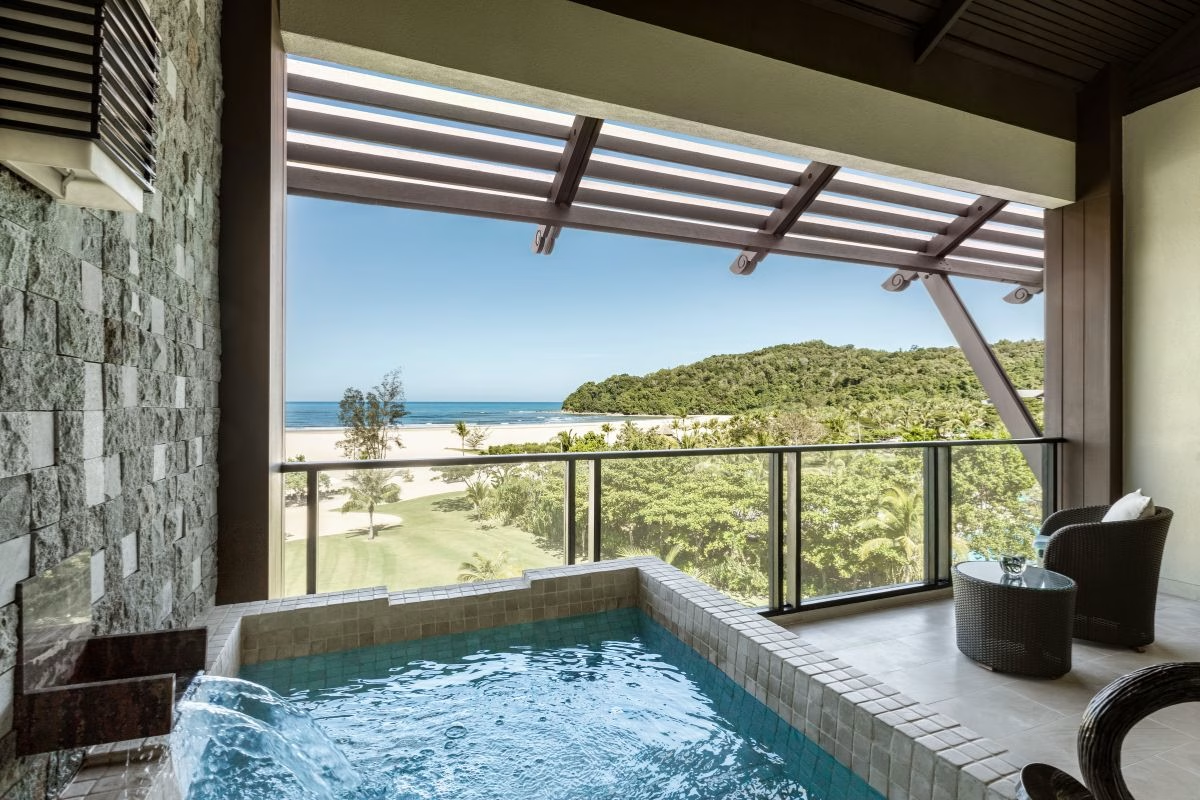
For an unparalleled stay, Gaya Travel Magazine highly recommends reserving one of the Ocean Wing Junior Suites. Each accommodation unit is generously proportioned, exquisitely adorned with tasteful Sabahan-inspired motifs, and equipped with state-of-the-art conveniences, including a complimentary mini-bar. A truly extraordinary feature is the private balcony complete with an outdoor bathtub, inviting guests to immerse themselves in a luxurious soak while enjoying unobstructed ocean views. Furthermore, the suite’s television provides access to YouTube and various streaming services, ensuring in-room entertainment is always at hand—a significant advantage for modern travellers.
All rooms are designed with families in mind, and beyond the customary daily housekeeping, a thoughtful turndown service is provided each evening. As an endearing touch, the housekeeping staff leaves a leaflet containing an abridged version of a traditional Sabahan bedtime story, adding a unique cultural dimension to the guest experience.

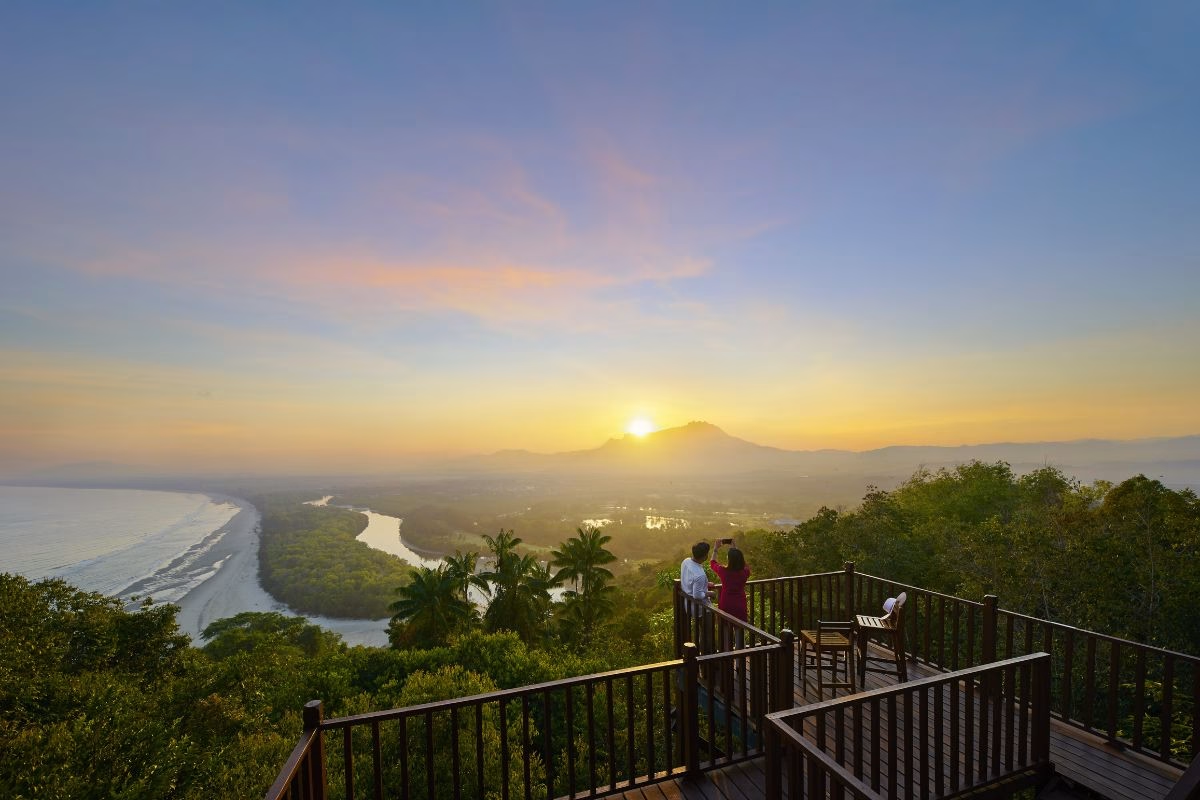
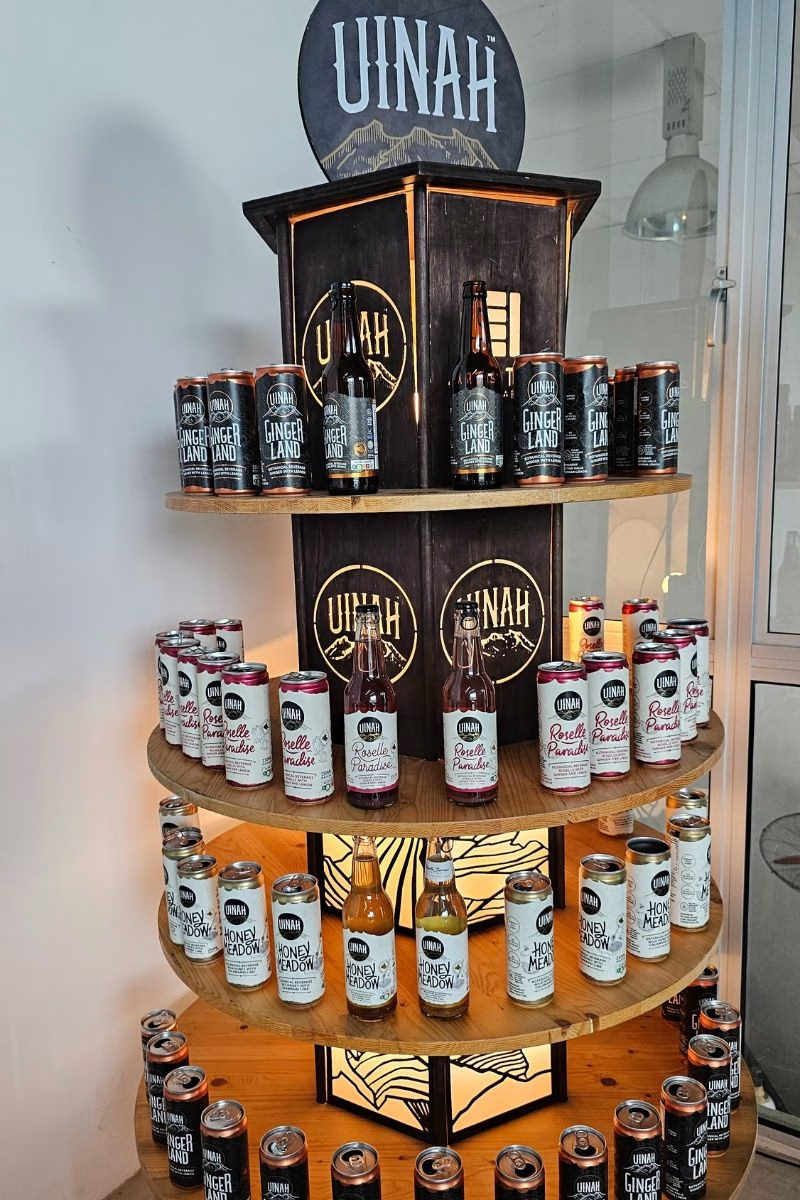
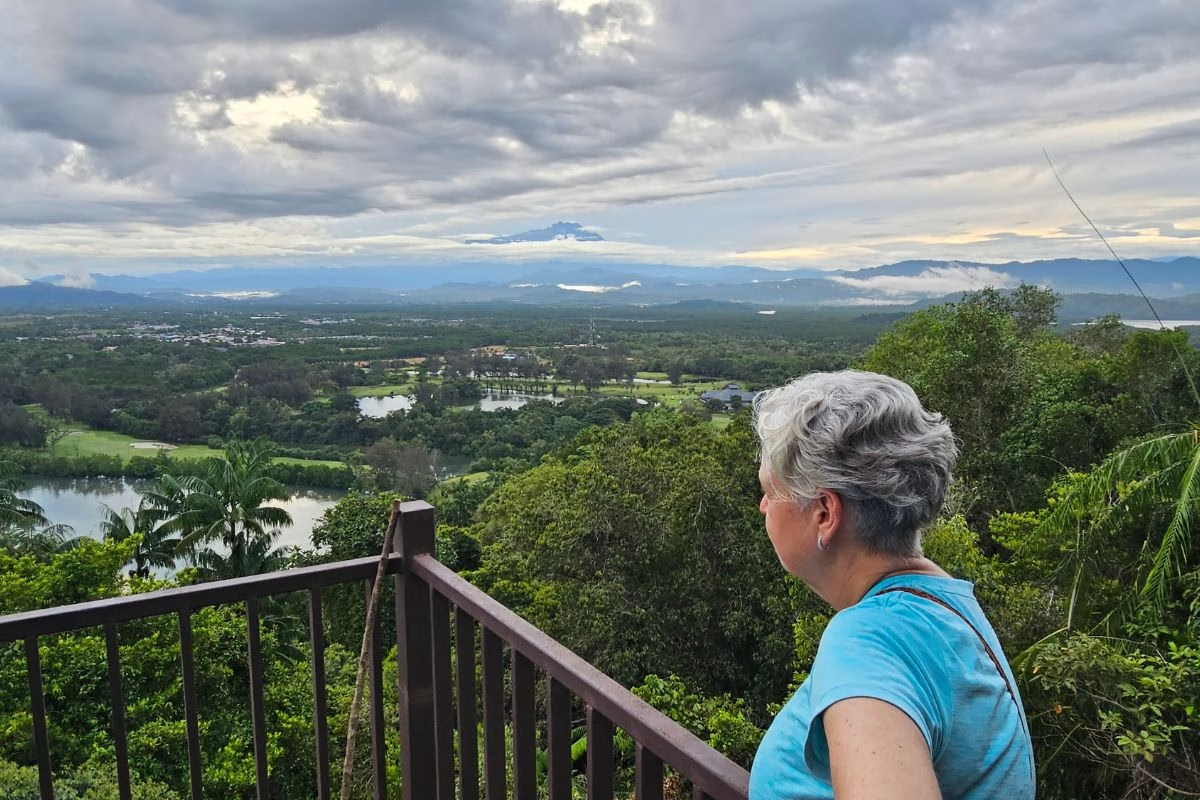
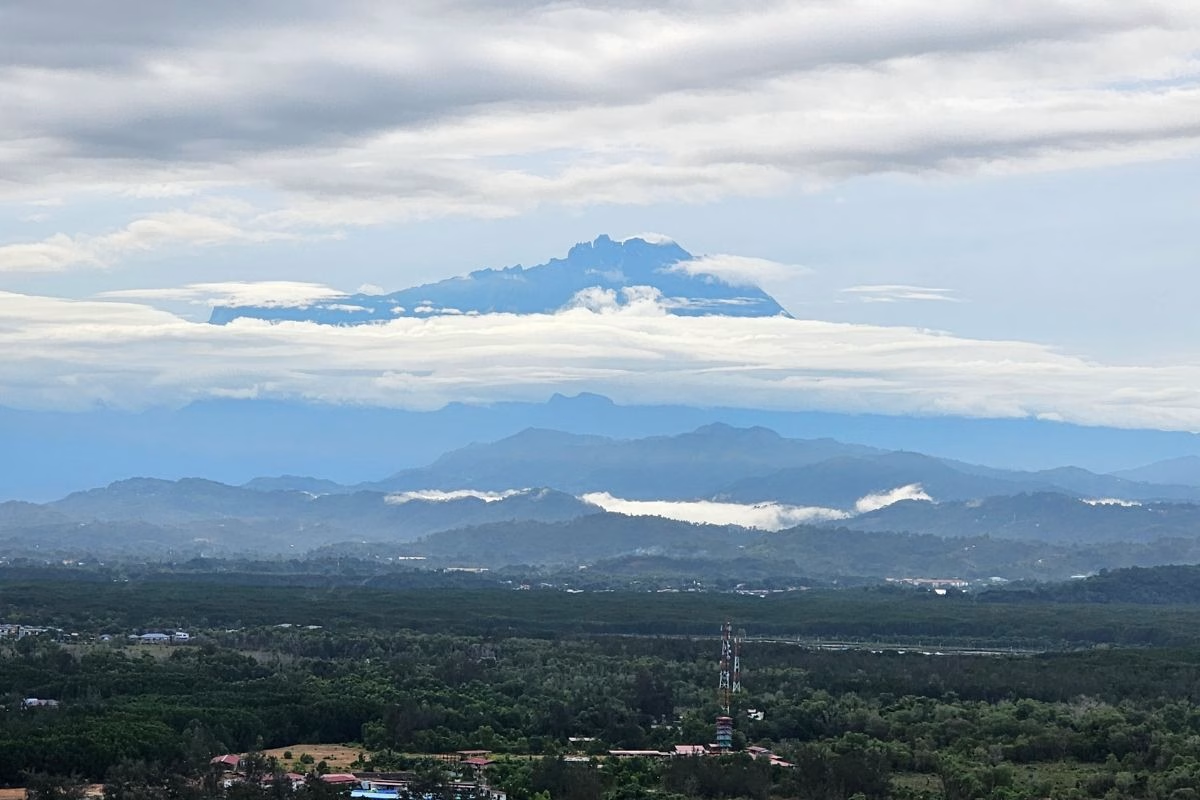
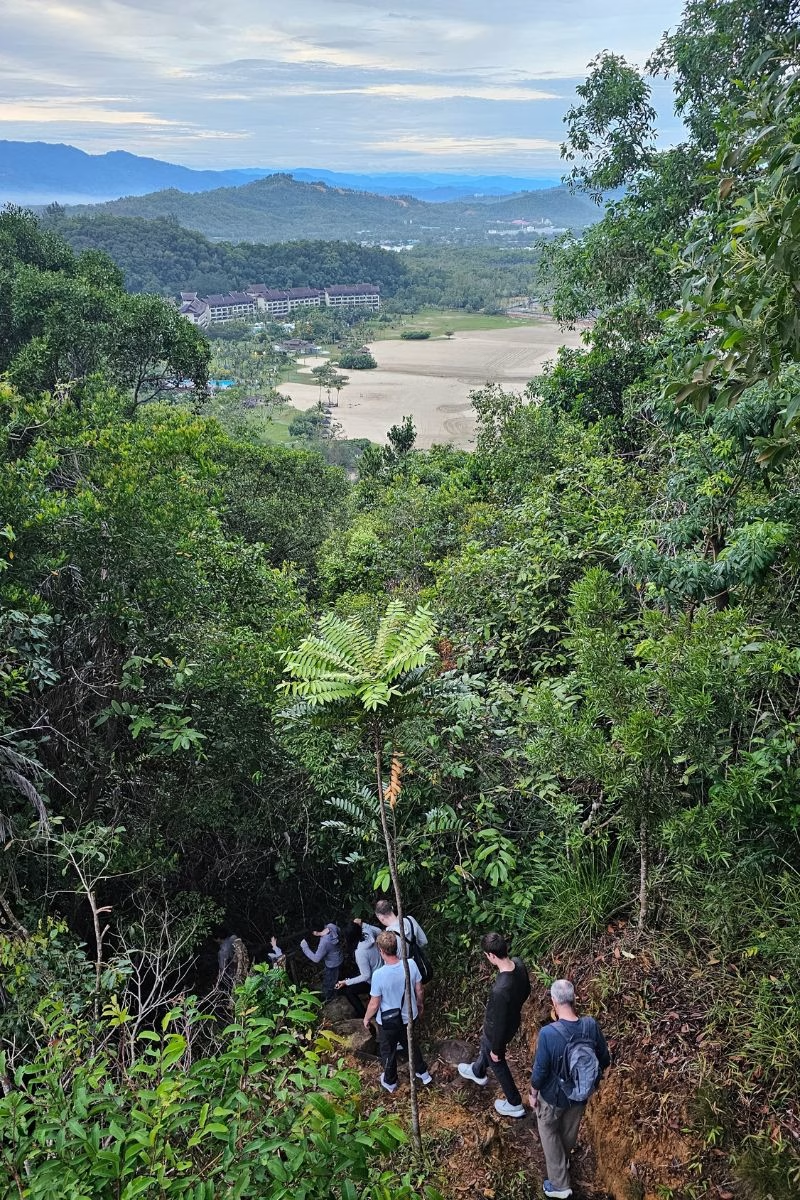
The resort’s commitment to being family-friendly extends far beyond its rooms, permeating every aspect of the property. Guests and their companions will find endless engagement with over 60 recreational in-house activities. These range from insightful visits to the EcoRia glass-bottle crushing plant (a testament to the resort’s strong sustainability ethos) to invigorating Sunrise Hike up the 98-metre Timpak Pogimpaan summit within the adjacent nature reserve. This hike offers breathtaking views of Mount Kinabalu in the distance, weather permitting (guests should book at the Activity Centre the day before; rates are MYR83 per adult and MYR51 per child). Guests can also venture out to explore local landmarks within the Tuaran district, such as the legendary Tamparuli Bridge and its vibrant local market or discover thriving local enterprises like UINAH Premium Craft Beverages and Our Land Eco Farm Seafood Restaurant. On Fridays, the resort hosts a mini bazaar in the Garden Wing lobby, showcasing Sabah’s artisanal products, perfect for unique souvenirs.

Tamparuli Bridge. Photo by Juhan Kamaruddin. Range of beverage products by UINAH Craft Beverages. Photo by Juhan Kamaruddin. Eco-print demonstration during Shangri-La Rasa Ria’s market night using the resort’s used linens that are upcycled into accessories like tote bags and purses. Photo by Juhan Kamaruddin.


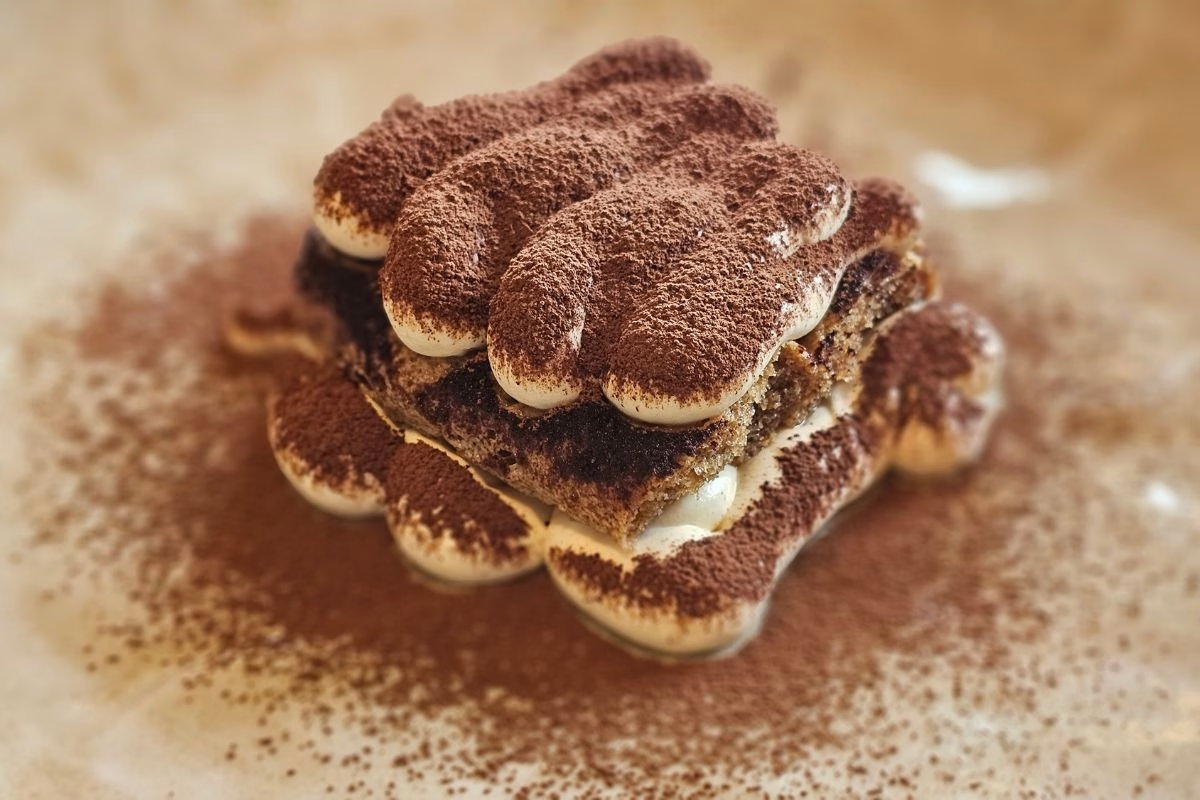
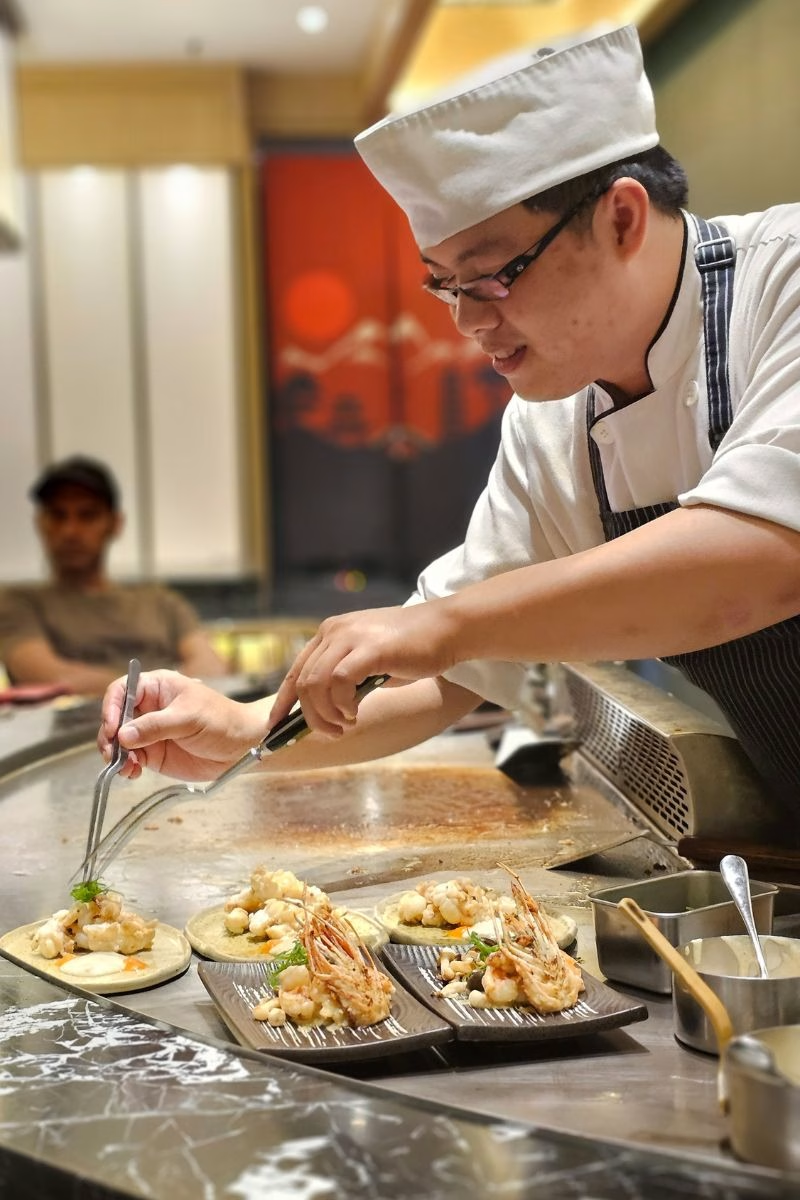
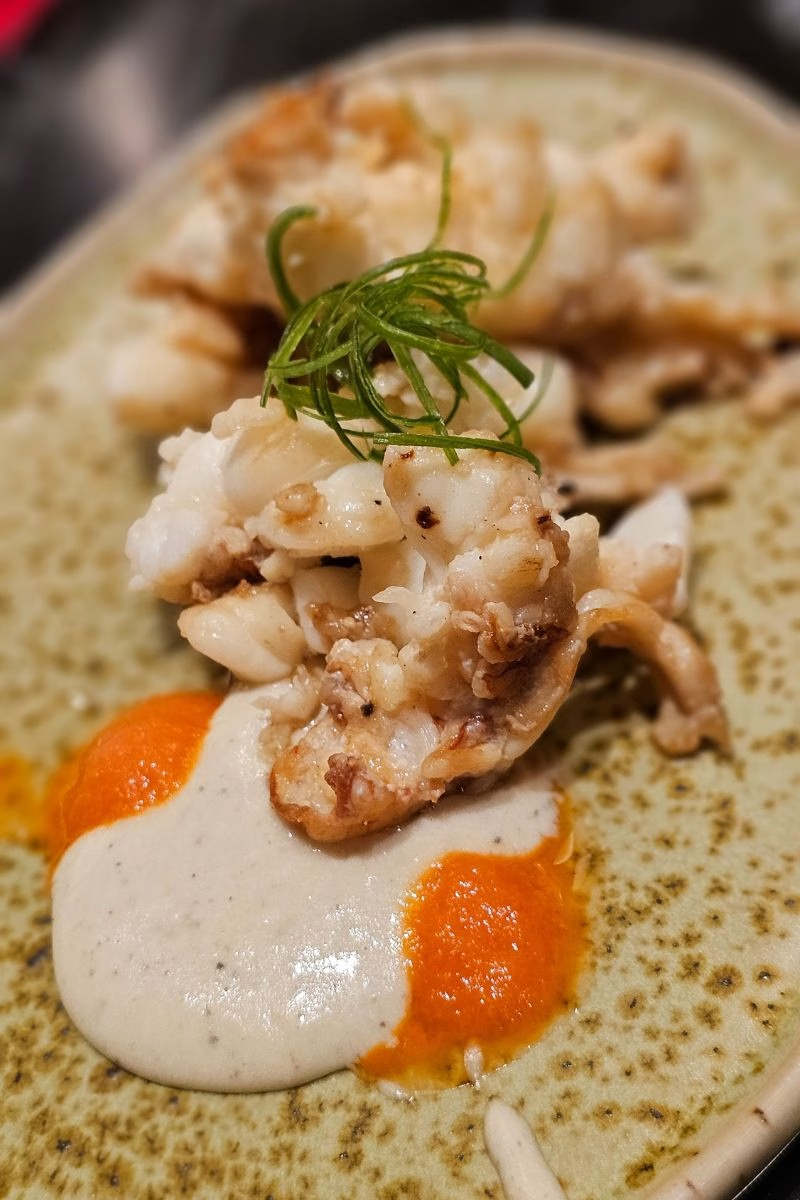
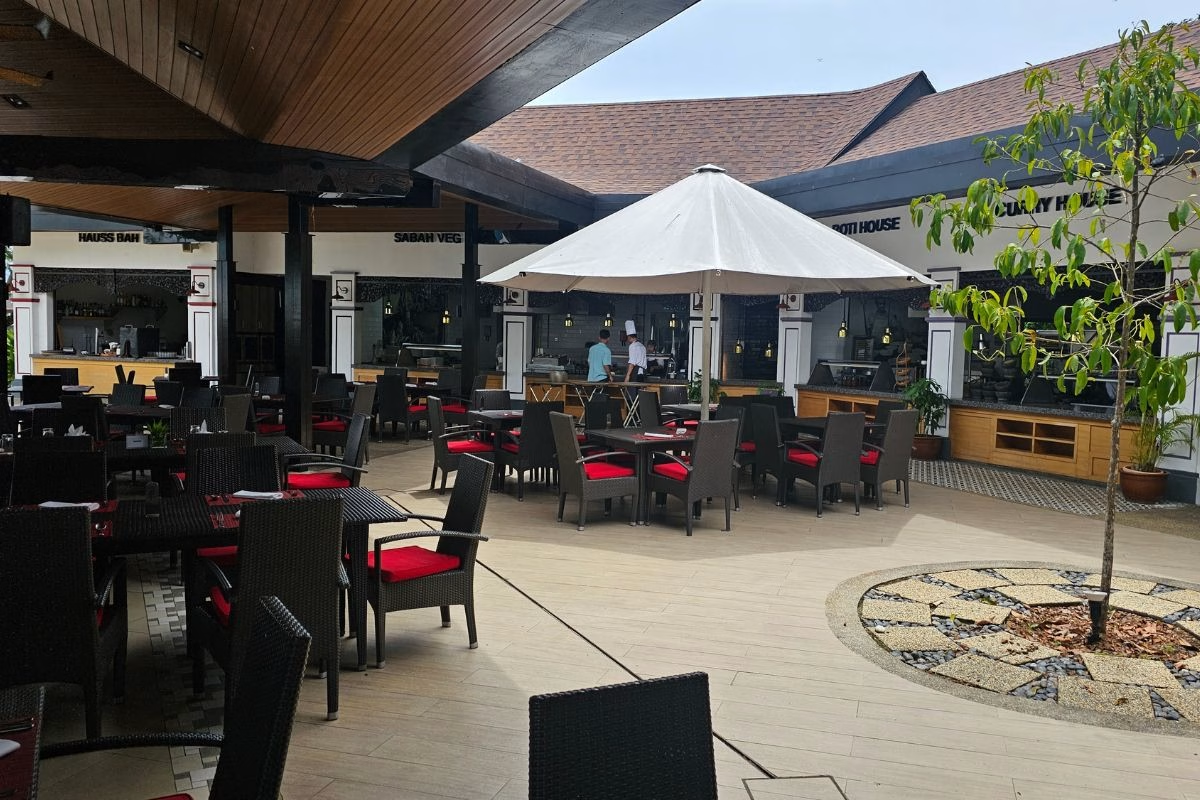
Dining, a renowned hallmark of all Shangri-La properties, ensures guests are perpetually spoilt for choice with seven distinct food and beverage outlets. Oceano Modern Grill is celebrated for its delightfully comforting Italian fare, with its pizza a la patate and “to-die-for” tiramisu. Kozan offers top-notch Japanese cuisine, where the unagi kabayaki is a personal favourite of the writer. The Coffee Terrace at the Garden Wing presents a splendid buffet spread for breakfast, lunch, and dinner, while Tepi Laut, with its “all-you-can-eat” concept, provides an intimate, Malaysian-inspired setting.

The outdoor terrace at Shangri-La Rasa Ria. Photo by Shangri-La Rasa Ria. Tiramisu at Oceano Modern Grill. Photo by Juhan Kamaruddin. The chef at Kozan preparing teppanyaki dish. Photo by Juhan Kamaruddin. A teppanyaki dish at Kozan. Photo by Juhan Kamaruddin. Tepi Laut, which is inspired from the Malaysian hawker centre and food court setting. Photo by Juhan Kamaruddin.

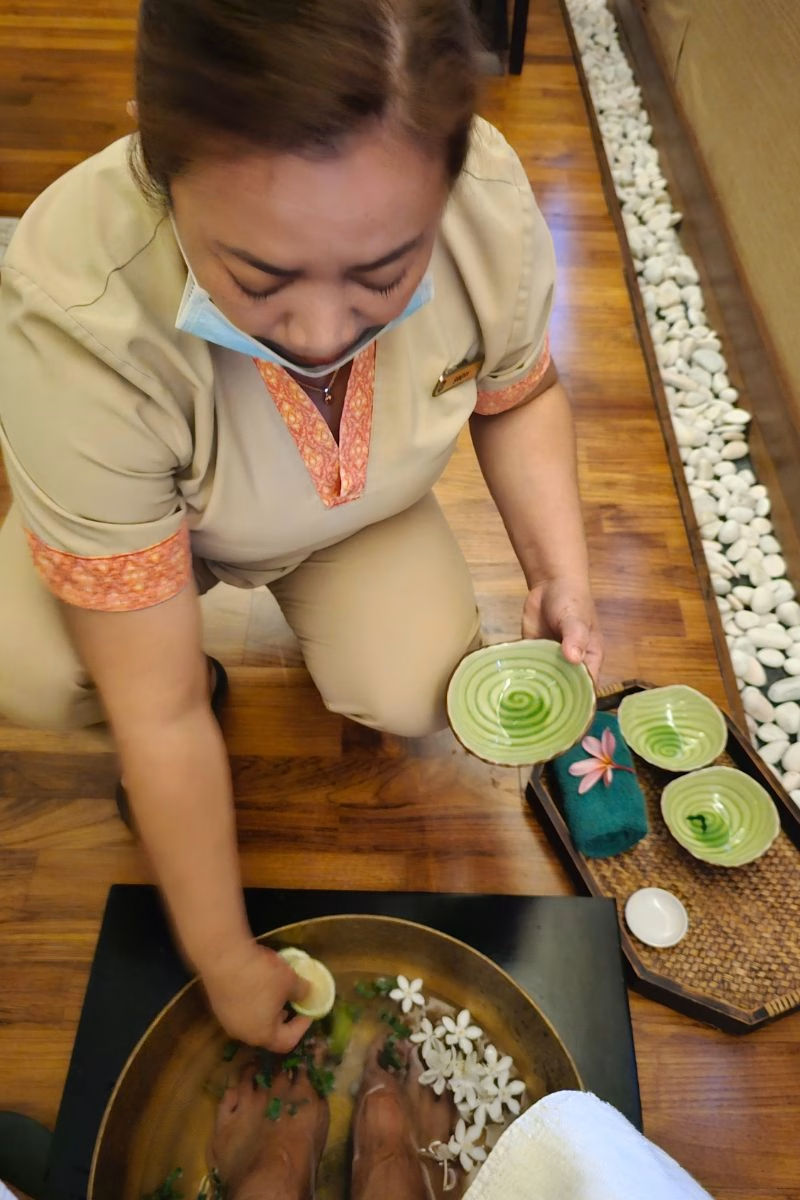
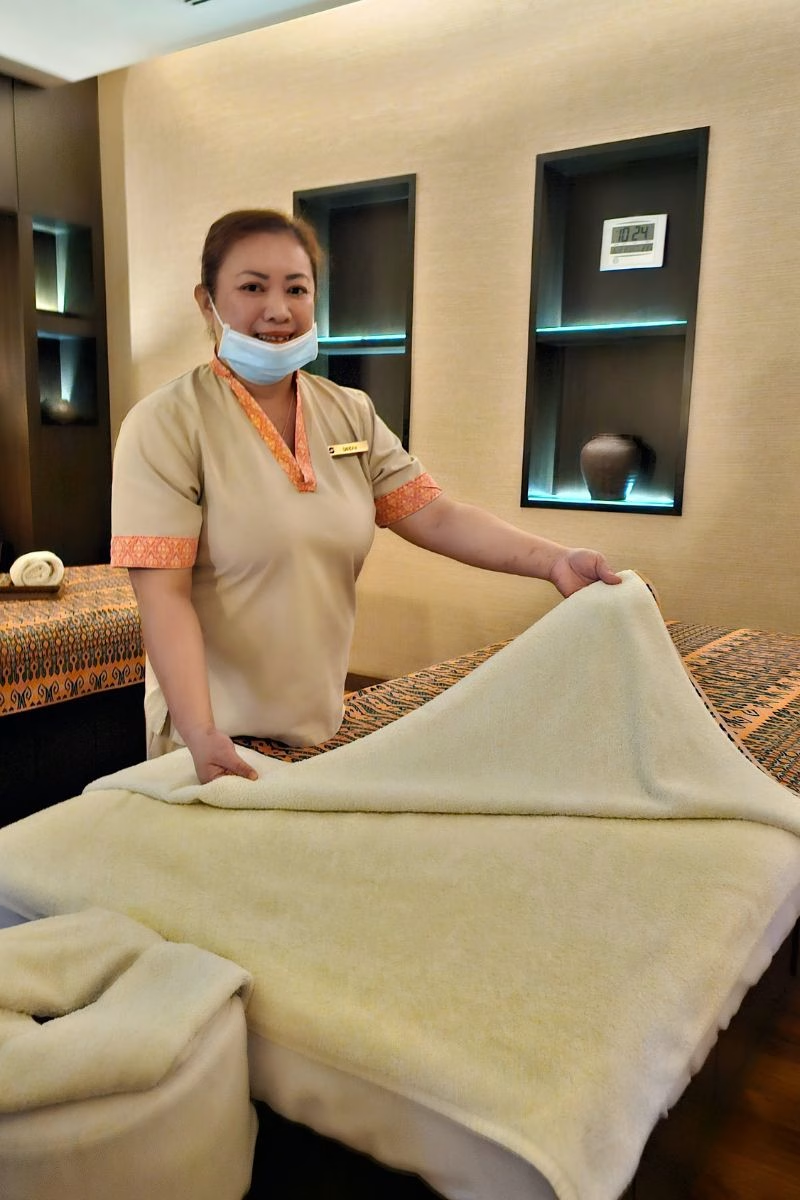
Guests can then work off their culinary indulgences at the well-equipped gym or take a refreshing dip in the large swimming pools (Ocean Wing guests enjoy exclusive access to both the Ocean Wing and Garden Wing pools). For ultimate relaxation, The Spa offers the unique Urutan Malaysia massage, a harmonious blend of Malay foot-washing rituals, Chinese qigong breathing techniques with reflexology, Indian head massage based on Ayurvedic principles, and the Dusun ethnic group’s full-body deep tissue massage.
Living and Breathing ESG
Shangri-La Rasa Ria serves as an exemplary model of sustainability. According to the resort’s amiable and astute General Manager, Fiona Hagan, the resort places a strong emphasis on people and destination through its comprehensive implementation of Environmental, Social, and Governance (ESG) initiatives. The resort proudly issued its first sustainability report in 2021, marking it as one of the pioneering properties within the Shangri-La Group in terms of its commitment to sustainability and its positive impact on guests.

When Fiona assumed her role at the resort in 2017, no other hotel in Malaysia had achieved the prestigious ISO 20121 certification. Recognising the resort’s prominence as a venue of choice for corporate meetings, incentives, conventions, and exhibitions (MICE), she rallied her team to pursue this certification. Attaining ISO 20121 status has proven to be highly beneficial for business, attracting more companies eager to partner with a resort that champions sustainable practices.
The process of obtaining ISO 20121 certification involves rigorous governance and education surrounding supplies and the supply chain. Fiona recalls, “It was not until a year and a half ago that our team approached me and said that they are ready [for the certification] because it is the right thing to do. When we went through the process of applying for the certification, so did our suppliers, whether it would be our large audio-visual suppliers, food suppliers, or other people with whom we do business. This is where the change begins – as we go through the certification, the suppliers understand that to be sustainable is the right way to do business.”
The resort’s commitment to sustainability is also intrinsically linked to its pristine natural surroundings and close-knit local communities. As today’s consumers are increasingly environmentally conscious, guests and stakeholders alike hold the resort accountable, expecting it to go above and beyond in its sustainability efforts while maintaining a profitable operation.
Sustainability is also a key demand from the resort’s organisational or institutional clients, who expect their business partners—including the resort—to share aligned ESG values and meet specific standards. Fiona notes, “ESG is inculcated by Shangri-La not only as a unique selling point but also as part of the company’s values, because other businesses or corporations who want to work with the company or resort expect the Shangri-La Group, including the resort, to have practices and values that align with theirs.”
Each Shangri-La hotel sets ambitious goals for conserving energy, water, and food, alongside a strong commitment to diversity and inclusivity. Properties are encouraged to identify initiatives that are most meaningful and impactful within their specific locations. Every Shangri-La establishment adopts diverse initiatives tailored to its operating market, enjoying the freedom and autonomy to do so. “We are encouraged and celebrated to do that,” Fiona enthuses.
Consequently, the resort meticulously monitors its energy and water consumption, on top of food waste. Shangri-La has installed electricity and water meters throughout the entire resort, enabling precise measurement of usage. This data allows the resort to pinpoint areas for reducing waste, for example, optimising water usage during kitchen cleaning routines. After identifying excessive water consumption in the kitchens during nightly cleaning, the resort implemented water-saving features such as high-powered water guns equipped with automatic shut-off mechanisms when the cleaner walks away, resulting in a 20% reduction in water usage.
Further demonstrating its commitment to water conservation, Shangri-La Rasa Ria operates its own sewage treatment plant to safeguard the environment from water pollution. The resort also harvests rainwater for landscaping, utilising grey water for irrigation. Additionally, it is engaged in research with a local university to explore the feasibility of directly treating rainwater for potable use. And for those luxurious outdoor bathtubs on the Ocean Wing Junior Suite balconies, bubble baths now incur an extra charge. When Fiona first became General Manager, this amenity was complimentary, but the change has significantly reduced water usage.

Regarding electricity, 65% of the resort’s lighting has been converted to light-emitting diode (LED) technology, leading to an 8% reduction in electricity consumption in the first half of 2025 compared to 2024. Further reductions are anticipated as more LED lights are installed across the property.
In terms of food and beverage, the resort rigorously examines its supply chain and implements the “Rooted in Nature” programme. This initiative prioritises sourcing from local suppliers, even if it means paying a premium, to benefit local communities and reduce carbon emissions associated with transportation. Fiona reveals, “Shangri-La Rasa Ria asks important questions like ‘how do we look at the supplies around us?’ and ‘how do we support the suppliers’ business to grow?’. Shangri-La Rasa Ria even goes as far as conducting independent audits on food hygiene, food safety, food preparation, and how the suppliers treat their staff.”
The resort strives to source food locally whenever possible, for example, obtaining pineapples from a supplier in Kiulu and whole garlic instead of peeled ones from nearby farms. While these choices might entail slightly higher costs and more preparation time, they ensure superior quality and nutritional value. Beyond emphasising local procurement, the resort carefully considers seasonal food production cycles and adjusts its menus accordingly, automatically contributing to reduced food waste. The resort then weighs and segregates food waste into categories suitable for composting or animal feed, and tracks food waste per cover to continuously optimise portion sizes.
To mitigate food waste, the resort has adjusted its buffet offerings, acknowledging that guests often take more than they can consume from extensive spreads. Instead, buffets are now thoughtfully combined with à la carte options. For instance, breakfast at Oceano Modern Grill—exclusive to Ocean Wing guests—features a more focused buffet selection, complemented by an à la carte menu from which guests can order at their table. This approach has led to an impressive 8% to 10% reduction in food waste at the outlet over the past three years.
Similarly, the outdoor Tepi Laut restaurant employs an “all-you-can-eat” concept inspired by Malaysian hawker centres or food courts. Guests can visit each stall to order their desired dishes, which are then freshly cooked and prepared on the spot, served on smaller plates. This method naturally encourages guests to consume less, resulting in less food wastage and a superior dining experience due to the à la carte preparation. Fiona beams, “Though this approach is more labour intensive for the resort, if you look at the overall effectiveness, actually it is almost break-even. We still need to make it more efficient because it requires more staff, but the resort receives lots of positive feedback from many of our guests, and people love the concept.”
While sustainability is often associated with conserving water, electricity, or broader ESG principles, its foundation is also deeply social. ESG prompts crucial questions, for example, how many people are employed, are fair wages paid, is staff training provided, are benefits offered, and how many employees hail from the local community? All these considerations are integral to Shangri-La Group’s and the resort’s business practices.
Remarkably, 80% of the resort’s staff are from Tuaran, with most residing within five kilometres of the resort, rather than commuting from Kota Kinabalu. Fiona explains, “This is intentional, not only due to traffic, but because the resort grows with the surrounding community.” Some employees even represent the third generation of their families to serve the hotel, fostering deep trust within the local community, as the resort actively contributes to their community’s prosperity. The resort is also dedicated to developing its people and nurturing their talents.
It’s truly inspiring to see the resort’s employees not only understand the importance of sustainability but also proactively take action. During the COVID-19 pandemic, the resort was the first in the Tuaran area to implement sustainable packaging, preventing vast amounts of single-use waste from negatively impacting the environment. After observing an unacceptable quantity of plastic straws during the twice-weekly Dalit Beach clean-ups organised by the resort, employees independently decided to cease serving plastic straws at the outlets, without waiting for a management directive. This demonstrates their environmental awareness and foresight.
Shangri-La has consistently been deeply involved with and committed to the well-being of the communities in which it operates. The local community wholeheartedly supports Shangri-La Rasa Ria because the resort actively engages them, encouraging participation in the lucrative tourism industry to boost their incomes. This includes inviting local residents to teach guests how to cook traditional dishes, sell products like handmade batik-painted bags crafted from recycled resort linens during market nights, participate in tree-planting initiatives, and even invite local children to become junior naturalists at the resort. All these activities are thoughtfully bundled under the resort’s EcoRia brand, designed to highlight the myriad initiatives that positively and directly impact the local community.
Among the notable EcoRia brand initiatives is the glass bottle-crushing plant, which Gaya Travel Magazine deems extraordinary, as it is unaware of any other resort in Malaysia possessing such a facility. In 2024 alone, the resort crushed five tonnes of glass bottles that would otherwise have ended up in landfills. The crushed glass is mixed with concrete and moulded into slabs, which are then ingeniously repurposed as construction materials around the resort.
Another EcoRia initiative involves the resort actively assisting local schools in maintaining hygiene and improving infrastructure, particularly dormitories and hostel accommodations, as many schools in the Tuaran area require such support. The resort also hosts visits by schoolchildren to the nature reserve as part of its education and conservation programme, fostering awareness about the crucial need to preserve the precious natural environment.
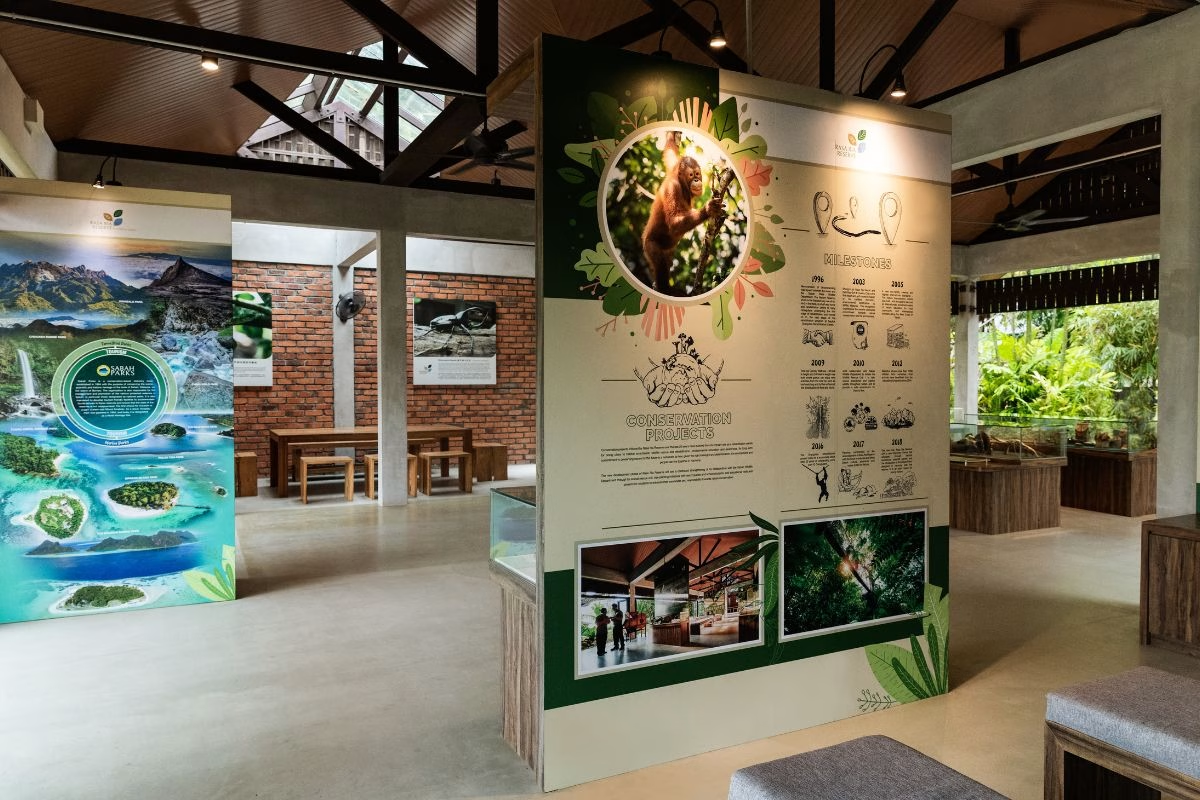
However, what truly captivated Gaya Travel Magazine is the nature reserve itself, considered as Shangri-La Rasa Ria’s crown jewel. This reserve profoundly shapes and influences many of the resort’s sustainability decisions, almost as if the resort’s very existence is intertwined with it. So critical is the nature reserve that it once served as a sanctuary for orphaned orangutans rescued by the Sabah Wildlife Department. The Gaya Travel Magazine team members vividly remember their first visit to the resort 20 years ago, when guests could effortlessly walk from their rooms to the Discovery Centre during opening hours to witness these adorable creatures being nurtured in their natural habitat—a truly magical experience. This commendable programme concluded in 2017, having met its objectives, with all rescued orangutans now thriving at the Sepilok Orangutan Centre.
Today, the resort continues to enhance the trails winding through the nature reserve, staffed by knowledgeable local naturalists. These experts educate guests, visitors, and the local community about the importance of protecting the coastal forest, which teems with diverse wildlife such as bearcats, slow loris, pangolins, and the unique megapode-classified Tabon scrubfowl, alongside endemic flora. Guests of Shangri-La Rasa Ria who may not have the opportunity to explore other parts of Sabah should, at the very least, seize the chance to learn about Sabah’s rich biodiversity by visiting the Discovery Centre and joining the highly recommended Sunrise Hike.
The Discovery Centre at Shangri-La Rasa Ria, where guests converge for Sunrise Hike. Photo by Shangri-La Rasa Ria. Fiona taking in the view from the observation deck at the summit of the nature reserve, with Mount Kinabalu looming in the distance. Photo by Juhan Kamaruddin. Close up view of Mount Kinabalu from the nature reserve summit. Photo by Juhan Kamaruddin. Guests beginning to descend the nature reserve summit after the Sunrise Hike. Photo by Juhan Kamaruddin.
Looking ahead, the resort’s future objectives include obtaining Leadership in Energy and Environmental Design (LEED) certification and exploring the development of a solar farm, leveraging its expansive land area. The resort is also investing in a new, more energy-efficient chiller system.
Conclusion
From innovative behind-the-scenes operations to enriching guest-facing experiences, Shangri-La Rasa Ria consistently redefines what it truly means to be a responsible resort. It remains deeply anchored by Tuaran’s enduring spirit, united by a shared commitment to building a more sustainable Sabah.
Staying at the Shangri-La Rasa Ria, particularly in the exclusive Ocean Wing, is a profoundly rewarding and uplifting experience that all travellers should include on their bucket list. Not only will you enjoy a truly rejuvenating getaway, but you will also contribute to a vital movement that actively preserves Mother Nature and uplifts the local community, bringing a tangible positive impact to both people and the planet.
The resort will celebrate its 30th anniversary in 2026, so be sure to keep an eye on the resort’s website for special announcements and offerings during that momentous year!
The Gaya Travel Magazine team extends its sincere gratitude to Shangri-La Rasa Ria, Kota Kinabalu, for facilitating the writer’s efficient and memorable stay at the resort.
About The Author


Juhan Kamaruddin has spent years sharing and editing stories that inspire people to explore the world with greater curiosity and purpose. Passionate about travel, culture, and meaningful connections, he works closely with tourism stakeholders, media partners, and industry leaders to showcase the best of Malaysia and beyond through storytelling, strategic content, and collaborative partnerships.



Leave a Reply