

Sydney Shines Bright – A City of Icons, Culture, and Colour
Photos by Ed Junaidi/Gaya Travel Magazine. All photos were shot with Google Pixel 9a.
Touching down in Sydney, Australia, a day before the opening night of Vivid Sydney, felt a little like arriving just before curtain call. The city was buzzing with anticipation: a quiet, electric energy that shimmered beneath the surface. Lights were being tested, installations fine-tuned, and locals moved with that knowing sparkle in their eyes.
I came to Sydney with AirAsia and Destination NSW (DNSW) for a whirlwind discovery of New South Wales’ capital, and what followed was a colourful, culture-rich journey through one of the world’s most iconic harbour cities.
Old-World Grandeur at Queen Victoria Building
Our first morning started under a soft drizzle, but that did not dampen our mood.
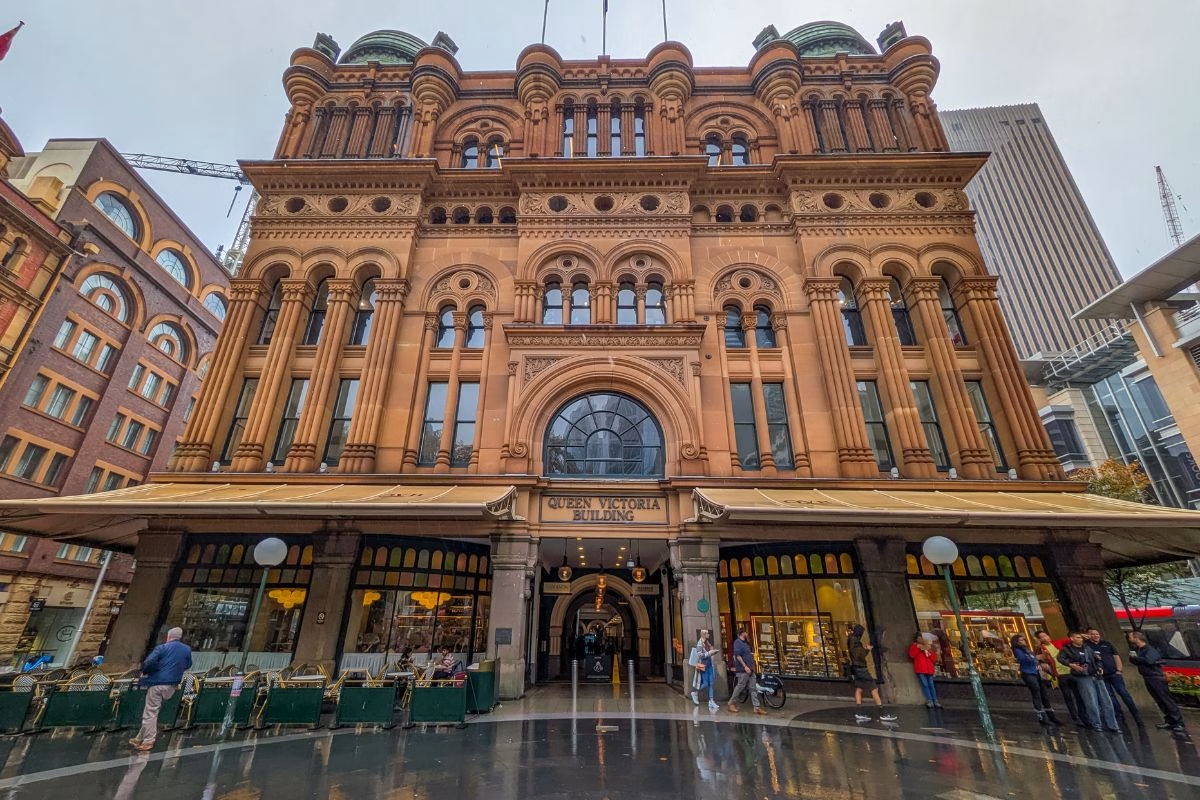
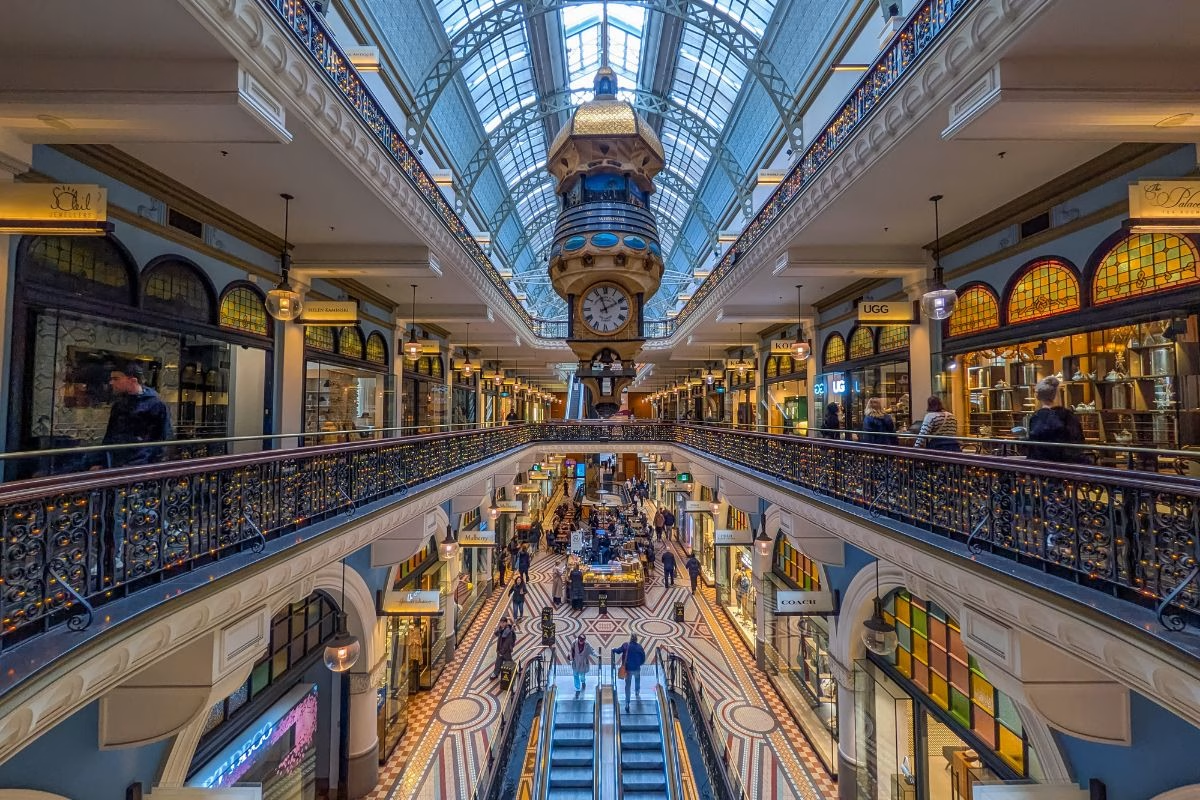
We made our way to the Queen Victoria Building (QVB), a grand 19th-century architectural masterpiece located right in the heart of the city. With its Romanesque sandstone façade, stained-glass windows, and intricate wrought-iron balustrades, the QVB is more than just a shopping centre.
It is a living piece of Sydney’s colonial past, now home to high-end boutiques, artisan shops, and elegant cafés tucked beneath cathedral-like domes.
A Slice of Sydney’s Sweet Side
Not far from the QVB, tucked into a cosy laneway, is Black Star Pastry, the birthplace of Sydney’s most Instagrammed dessert: the watermelon strawberry cake.
Light yet rich, layered with almond dacquoise, rose-scented cream, fresh watermelon, strawberries, and finished with pistachios and dried rose petals; it was every bit as delightful as the hype suggests. The café itself has a minimalist, urban feel; a great spot to rest and indulge before more exploring.
Getting Around with Ease
Sydney’s public transport system is refreshingly easy to navigate, thanks to the Opal card, a rechargeable tap-on/tap-off system that works seamlessly across trains, trams, buses, and ferries.
We boarded a tram to Circular Quay, a vibrant transportation hub where the city meets the sea.
Ferries criss-cross the water, buskers fill the air with music, and two of Australia’s most iconic landmarks loom large – the Sydney Opera House and the Harbour Bridge.
Two Icons, One Perfect View
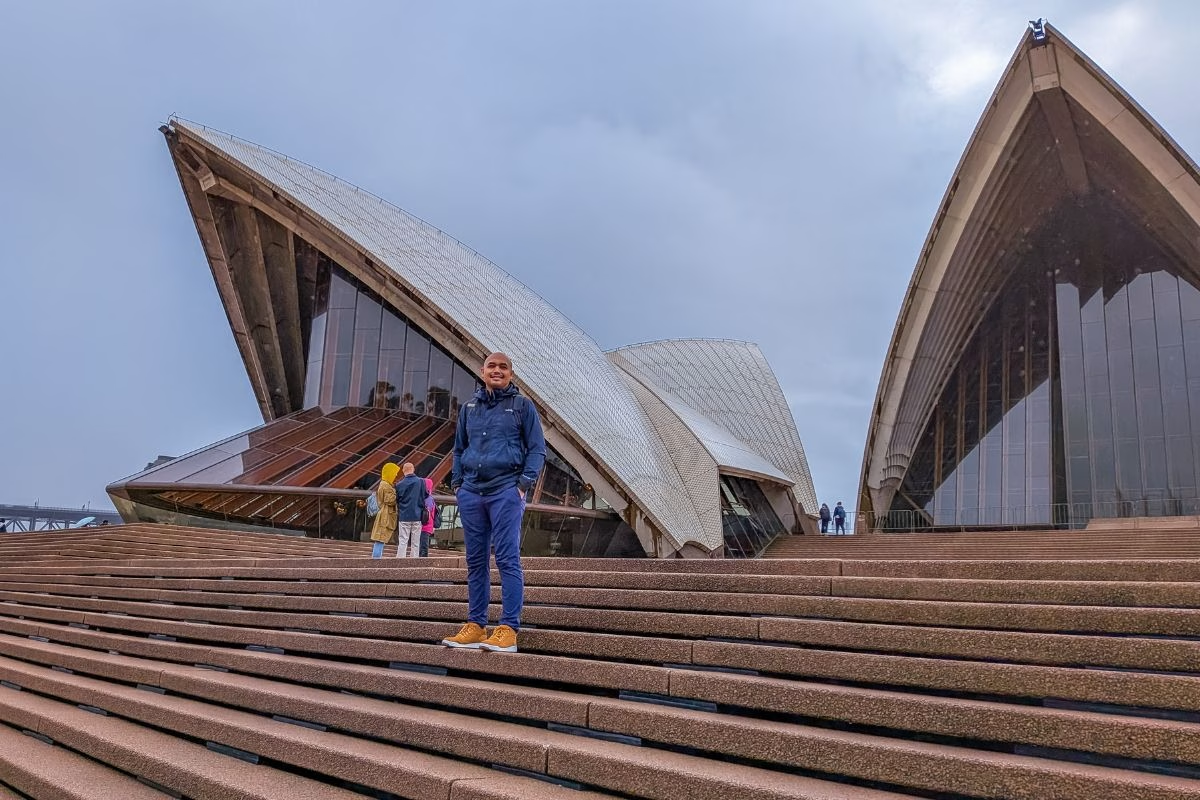
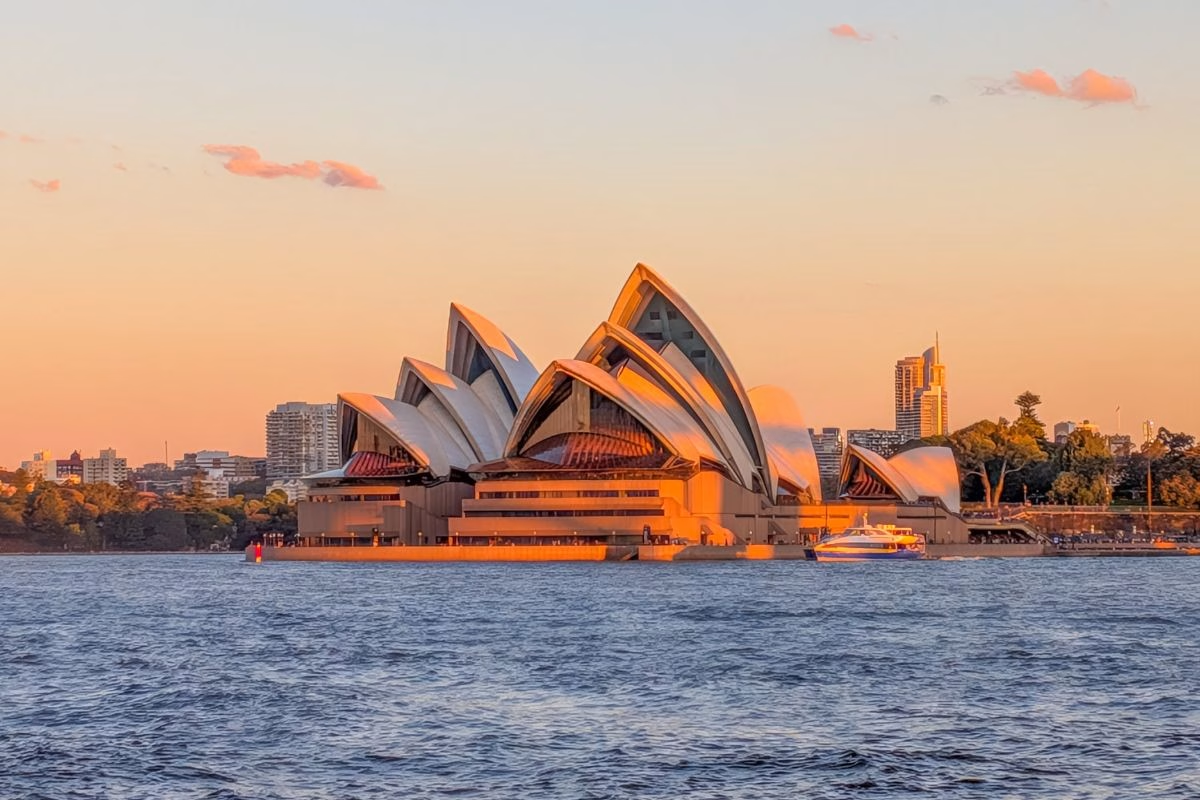
Seeing the Opera House up close – its sail-like shells gleaming despite the cloudy skies – was still a goosebumps moment.
A UNESCO World Heritage Site, it is not just a symbol of Australia, but also one of the most remarkable modern architectural feats of the 20th century.
Just next to it is the Sydney Harbour Bridge, affectionately called “The Coathanger” by locals. Built in 1932, it remains the world’s largest steel arch bridge and offers panoramic views for those who are brave enough to do the Bridge Climb.
Ferry to Taronga Zoo
From Wharf 4, we caught a scenic ferry ride across the harbour to Taronga Zoo, perched on the slopes of Mosman with arguably one of the best zoo views in the world.
This not-for-profit wildlife park is home to over 4,000 animals, including Australian natives like kangaroos, koalas, platypuses, and echidnas.
The zoo also champions wildlife conservation and education, offering visitors a chance to learn about the delicate ecosystems of Australia and beyond.
Sunset Cruise to Vivid Sydney Launch
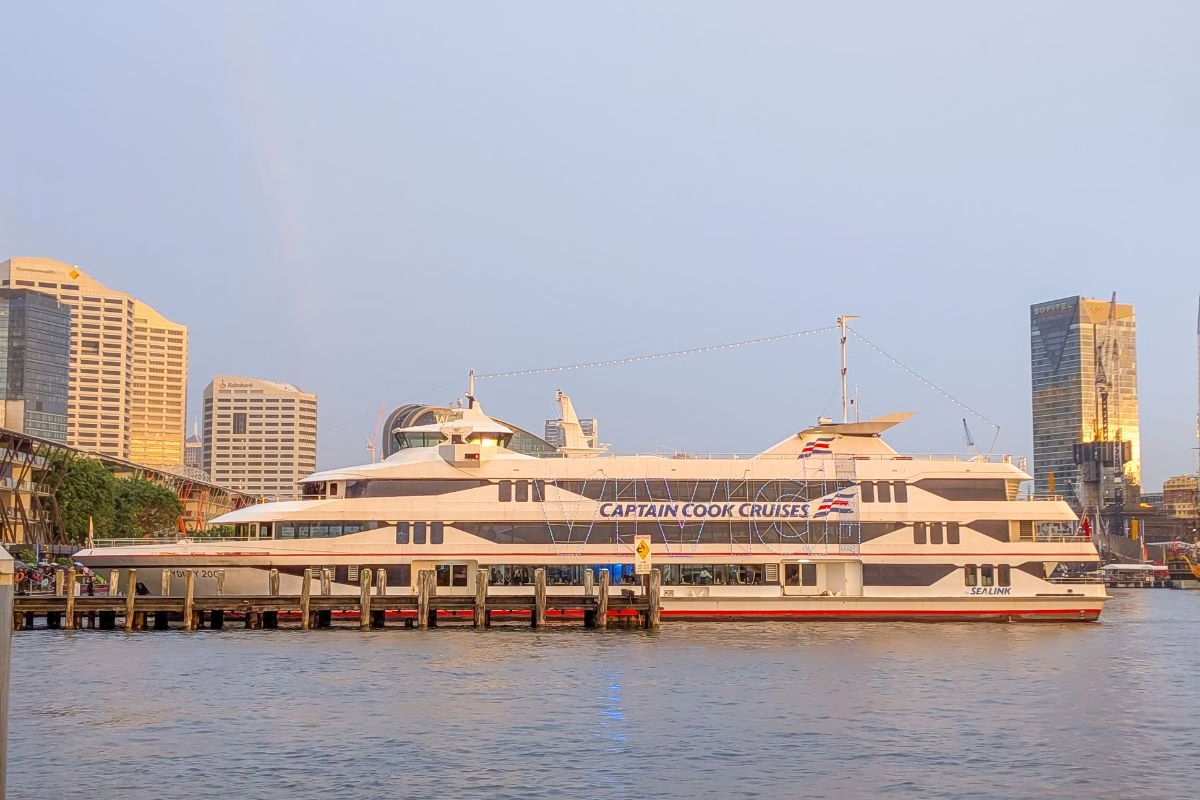
Later that evening, we set sail from King Street Wharf aboard the Captain Cook Cruise, a premium dinner cruise offering fine dining and stunning views. As we glided through the harbour, the sky performed its own show: golden hues, a surprise rainbow, and the Sydney skyline beginning to glow.
With us was Tina Chaisuwan-Baker from Sealink Marine & Tourism, who shared fascinating insights into Sydney’s thriving marine tourism scene.
The cruise was a special departure, scheduled in time with the opening night of Vivid Sydney 2025, and what a spectacle it was.
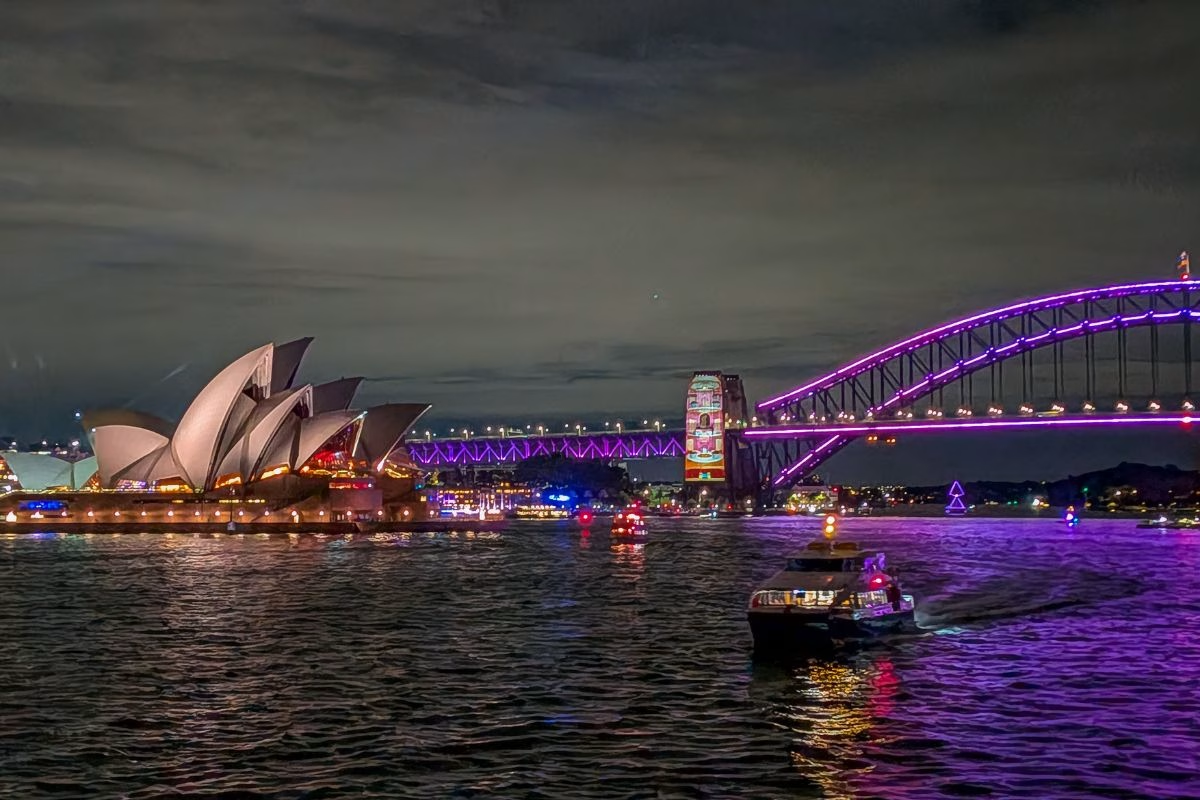
As darkness fell, the city transformed. Fireworks erupted above the bridge, the Opera House pulsed with vivid light projections, and the harbour shimmered with reflections of colour.
What had felt like a calm, restrained city the day before now erupted into a festival of sound, art, and electricity. The contrast was striking and utterly magical.

Wandering Through Light and Sound
Post-cruise, we wandered through Barangaroo and Darling Harbour, where more installations, light sculptures, and live performances awaited.
Tumbalong Park in particular stood out, with its interactive experiences and crowd-pleasing shows, drawing families, tourists, and locals alike.
Sydney at Its Best
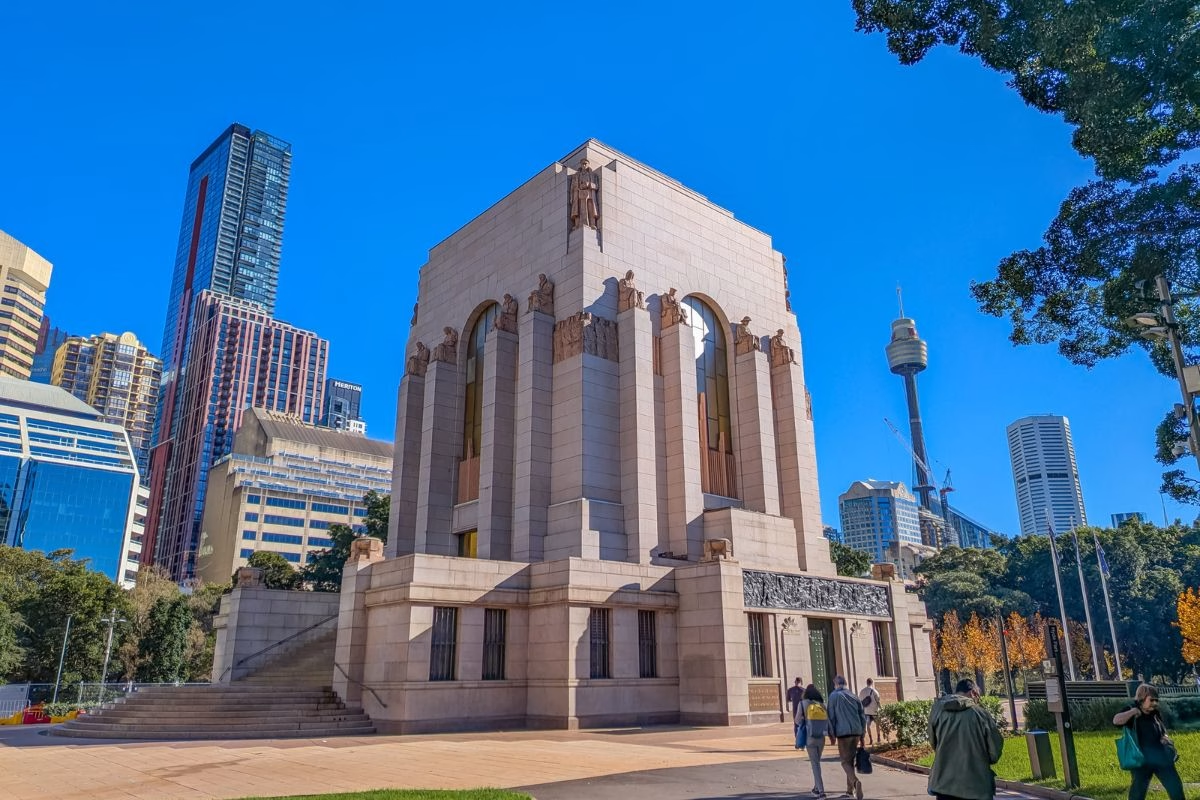
The next morning, under clear blue skies and a perfect 18°C, we walked through Hyde Park, the city’s oldest public park. With tree-lined avenues and fountains framed by towering figs, it is a green oasis amid the downtown bustle.
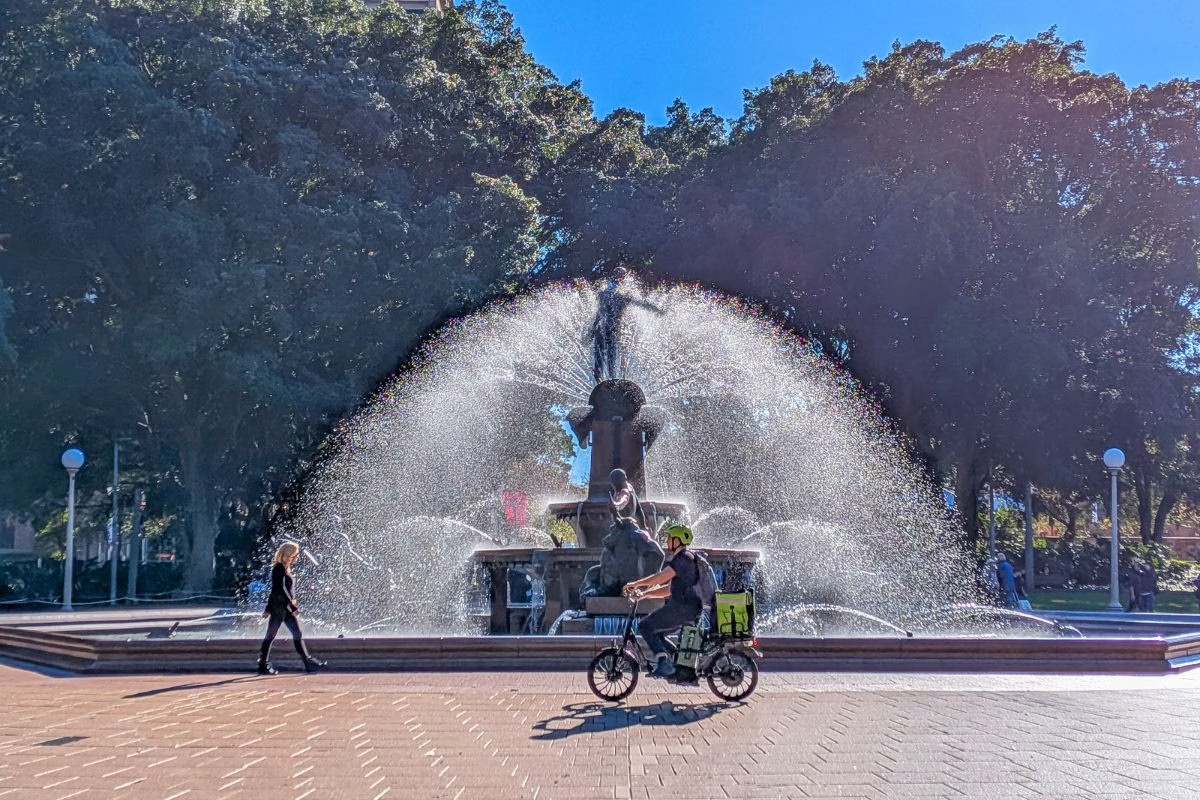

Just across from it sits St. Mary’s Cathedral, a Gothic revival beauty that adds a touch of European grandeur to the skyline.
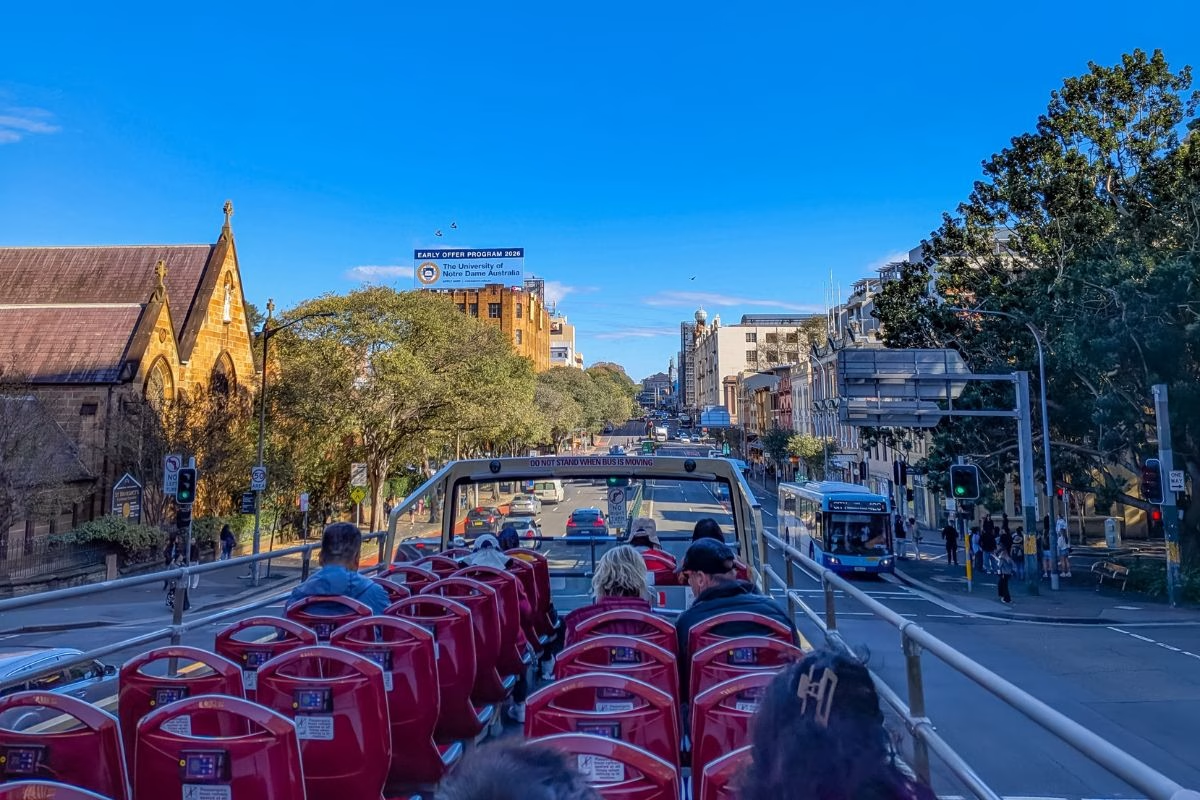
From there, we hopped aboard the Big Bus Tours Sydney, a hop-on, hop-off open-top bus offering panoramic views and a historical lens through which to see the city.
Stops along the way included Kings Cross, the city’s former red-light district now gentrified with hip cafés; Potts Point, with its art deco apartments and leafy streets; and Artspace and Harry’s Cafe de Wheels, a Sydney institution famous for its classic meat pies.

Seafood Delights and Skyline Rides
We disembarked near Pyrmont and headed to the Sydney Fish Market, the largest of its kind in the Southern Hemisphere. It is a bustling hub of fishers, chefs, and seafood lovers.
We were lucky to witness a 133kg Norwegian Bluefin Tuna on display – a rare sight – before tucking into fresh-shucked Australian oysters and a seafood lunch worth writing home about.


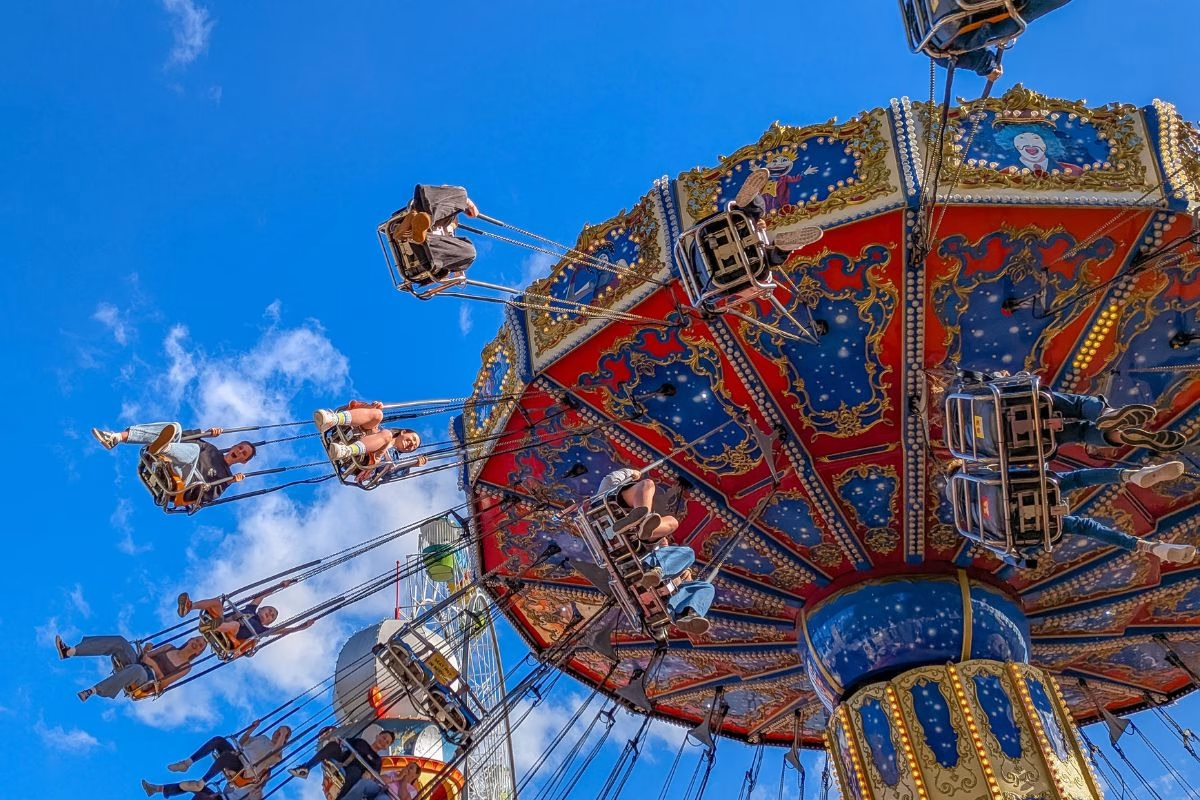
Later in the afternoon, we indulged our inner children at Luna Park Sydney, a heritage amusement park that opened in 1935.
With its iconic smiling face entrance and nostalgic rides like the Ferris Wheel, Sledgehammer, and Volare, it is a slice of vintage fun with modern flair.
Tea by the harbour capped off our day, before strolling back to our hotel.
Neighbourhood Strolls and Hidden Lookouts
Today, our itinerary was vacated for a free day to explore the city ourselves.
So in the morning, I ventured into Surry Hills, one of Sydney’s trendiest inner-city neighbourhoods. Full of stylish cafés, indie boutiques, and leafy streets, it is a haven for creatives and foodies.
Bacino Espresso, a tiny corner café, served up one of the best brunches I had had all trip.
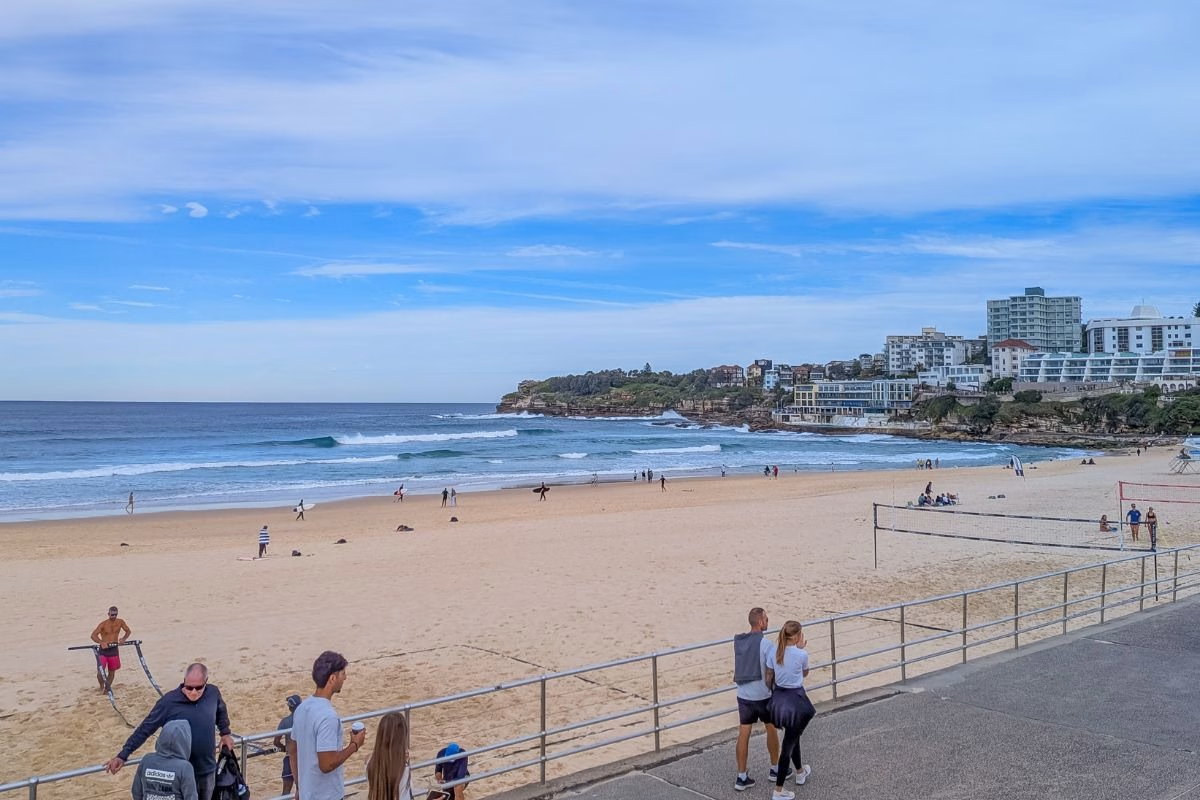

Afterwards, I hopped on the Big Bus Blue Line, heading east to Bondi Beach, a name that needs no explanation. The vibe? Laid-back, sun-kissed, and undeniably Aussie.
It was too sandy for me, because I was in a boot, so I did not get on the beach to see some Aussie surfers in action. Therefore, I decided to take a short bus ride to Diamond Bay Cliffs, a lesser-known gem offering dramatic views over sandstone cliffs and the vast Pacific. Diamond Bay Boardwalk was officially opened in 2004 as part of a coastal walkway project marking Australia’s Centenary of Federation.
On the way back, I stopped at Grand Central Station and walked the Goods Line, a repurposed railway track now transformed into a modern urban park.
It connects the University of Technology Sydney, with its striking Frank Gehry-designed Dr Chau Chak Wing Building, to Paddy’s Market in Haymarket, where I rejoined the group for dinner.

Vivid Sydney – A City Reimagined
That night, Vivid Sydney was in full swing. The Starscape Tunnel, inspired by the cosmos, dazzled with light and motion. The Fire Kitchen offered street food beside flaming cauldrons. And Quasar, a projection installation based on space-time, left me mesmerised.
Arriving just before the festival had given me a unique chance to see Sydney both in its natural rhythm and in its most animated form. The city pulses with life during Vivid, turning every corner into a canvas and every night into a celebration.

Next Stop: The Blue Mountains
As much as I wanted to stay immersed in Sydney’s glow, our journey was far from over. The next morning, we boarded the train to the Blue Mountains, where nature would take centre stage, and a completely different kind of magic would unfold.
About The Author


Ed Junaidi is a seasoned Online Editor at Gaya Travel Magazine, where he has been sharing his passion for travel for over 15 years. A dedicated globetrotter, Ed cherishes the chance to explore the world, uncovering new experiences and insights with every journey. His compelling contributions to Gaya Travel Magazine earned him a prestigious residency grant from the Mexican government in 2015 through Media Residency Program. Through his work, Ed continues to inspire readers with stories that capture the essence of travel and cultural discovery.

Leave a Reply