

Top Things to Do in Oberhausen and Essen: Germany’s Industrial Heartland Has Never Looked This Exciting
When most Southeast Asian travellers think of Germany, cities like Munich, Berlin or Frankfurt usually steal the spotlight. Yet tucked within the western state of North Rhine-Westphalia lies a region that quietly surprised me in the best possible way. Oberhausen and Essen, two cities rooted deeply in Germany’s coal and steel history, have reinvented themselves into destinations filled with art, culture, immersive attractions and surprisingly lush landscapes.
What fascinated me most was how effortlessly the old and new coexist here. One moment, I was standing inside a colossal former industrial gas tank staring at a glowing digital forest installation. The next, I was wandering through a UNESCO-listed coal mine transformed into one of Europe’s coolest cultural spaces.
Better still, getting here is incredibly easy. Oberhausen sits just 15 to 25 minutes from Düsseldorf Airport by train, often without needing to change lines. From there, Essen is only around 20 to 30 minutes away by car or train, making both cities ideal for a multi-day Ruhr region escape.
Here are some of the best things to do in Oberhausen and Essen, especially if you are looking for a different side of Germany beyond fairy-tale villages and Bavarian beer halls.
1. Step into Another World at Sandbox VR
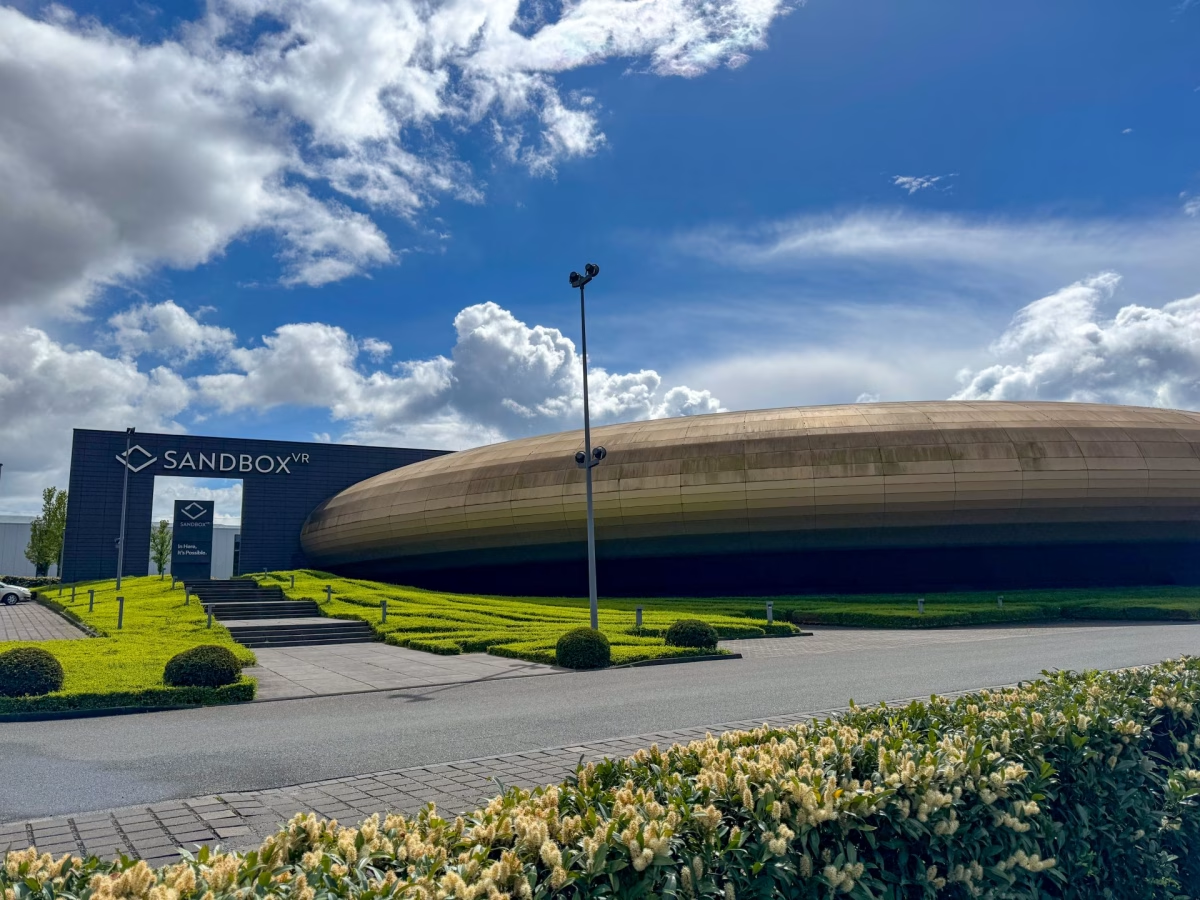
If you are travelling with friends, family or even teenagers who claim museums are “boring”, Sandbox VR is the perfect gamechanger.
I honestly did not expect to be so immersed. Unlike typical VR arcades, Sandbox VR feels astonishingly realistic. Players wear advanced VR headsets, haptic vests, and even motion sensors, allowing your entire body to move freely within the game. The motion tracking is so precise that you rarely bump into one another, despite all the frantic zombie-fighting and panicked screaming.
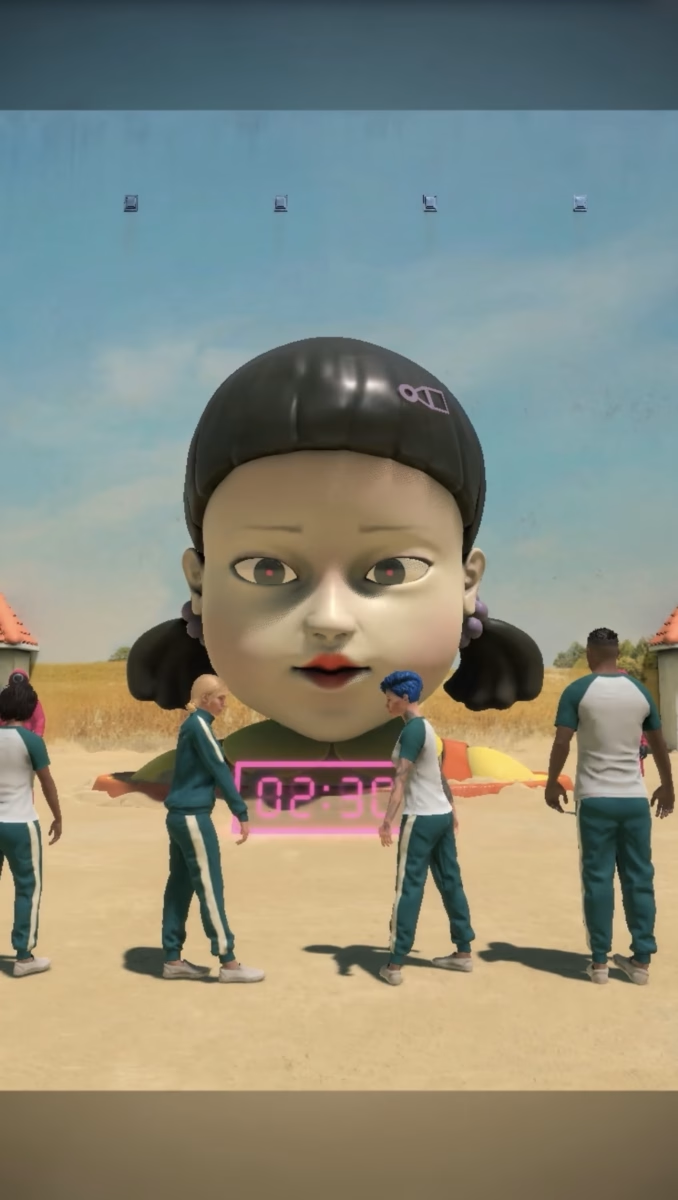
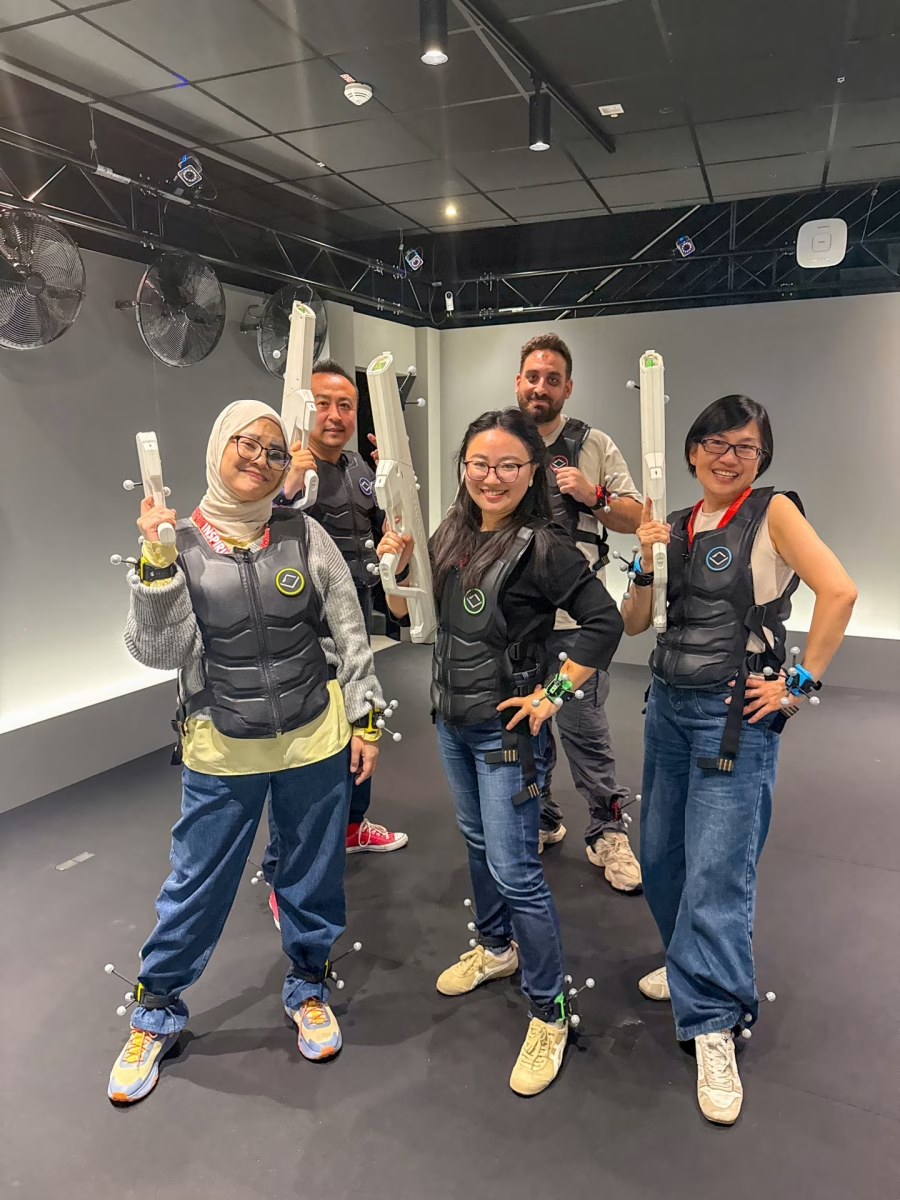
The experiences are cinematic and wildly entertaining. Players can choose from a wide range of themed adventures, including experiences inspired by popular Netflix series such as Squid Game and Stranger Things. Sessions typically last around 30 minutes and are designed for groups of two to six players, making it an excellent rainy-day activity in Oberhausen.
2. Meet Sea Creatures at SEA LIFE Oberhausen
Germany may not be the first country that comes to mind for aquariums, but SEA LIFE Oberhausen genuinely impressed me.
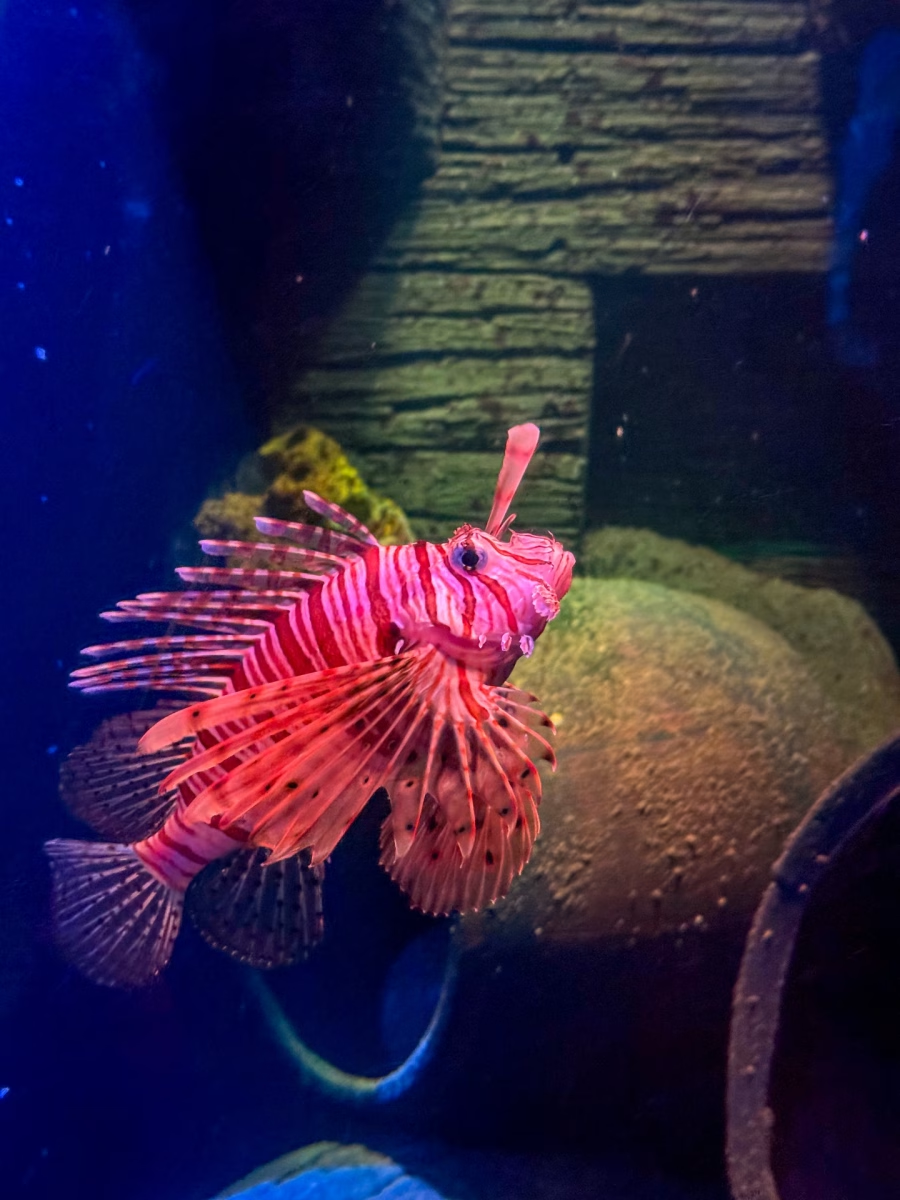
Home to more than 5,000 marine creatures across over 50 displays, the aquarium features everything from blacktip reef sharks and rays to seahorses and piranhas. The centrepiece is undoubtedly the enormous 1.5-million-litre ocean tank, complete with a glass tunnel where visitors can walk beneath sharks and a sea turtle gliding overhead.
One resident, however, remains legendary long after his passing.
Football fans may remember Paul the Octopus, the unlikely oracle of the 2010 FIFA World Cup. During the tournament, Paul became a global sensation after correctly predicting match outcomes by choosing between food boxes marked with national flags. His prediction accuracy reportedly reached an astonishing 85 per cent.
Today, SEA LIFE Oberhausen pays tribute to its former celebrity with a quirky memorial featuring a giant octopus clutching a football.
3. Shop, Dine and Wander at Westfield Centro

I have visited plenty of malls across Asia and Europe, but Westfield Centro feels less like a shopping centre and more like an entertainment district.
Built on a regenerated industrial site, it has transformed into Germany’s largest shopping and leisure destination, featuring around 250 stores spread across an enormous complex. Even if shopping is not your priority, the atmosphere alone makes it worth visiting.
What I particularly loved was the 400-metre-long promenade lined with international restaurants. On a sunny afternoon, the entire area feels lively yet relaxed, perfect for people-watching over coffee or an indulgent German meal.
Travellers visiting during winter are in for an even bigger treat. The outdoor promenade hosts one of Europe’s most famous Christmas markets, drawing visitors from across the continent with festive lights, mulled wine and seasonal treats.
And yes, for drivers, the 14,000 free parking spaces are genuinely a thing.
4. Admire a Fantastic Artwork inside Gasometer Oberhausen
Few buildings embody the Ruhr region’s transformation better than the Gasometer Oberhausen.
Originally built in the 1920s as a gigantic industrial gas holder, the structure now stands as Europe’s tallest exhibition hall. Towering nearly 118 metres high, it dominates the skyline like a giant industrial cathedral.
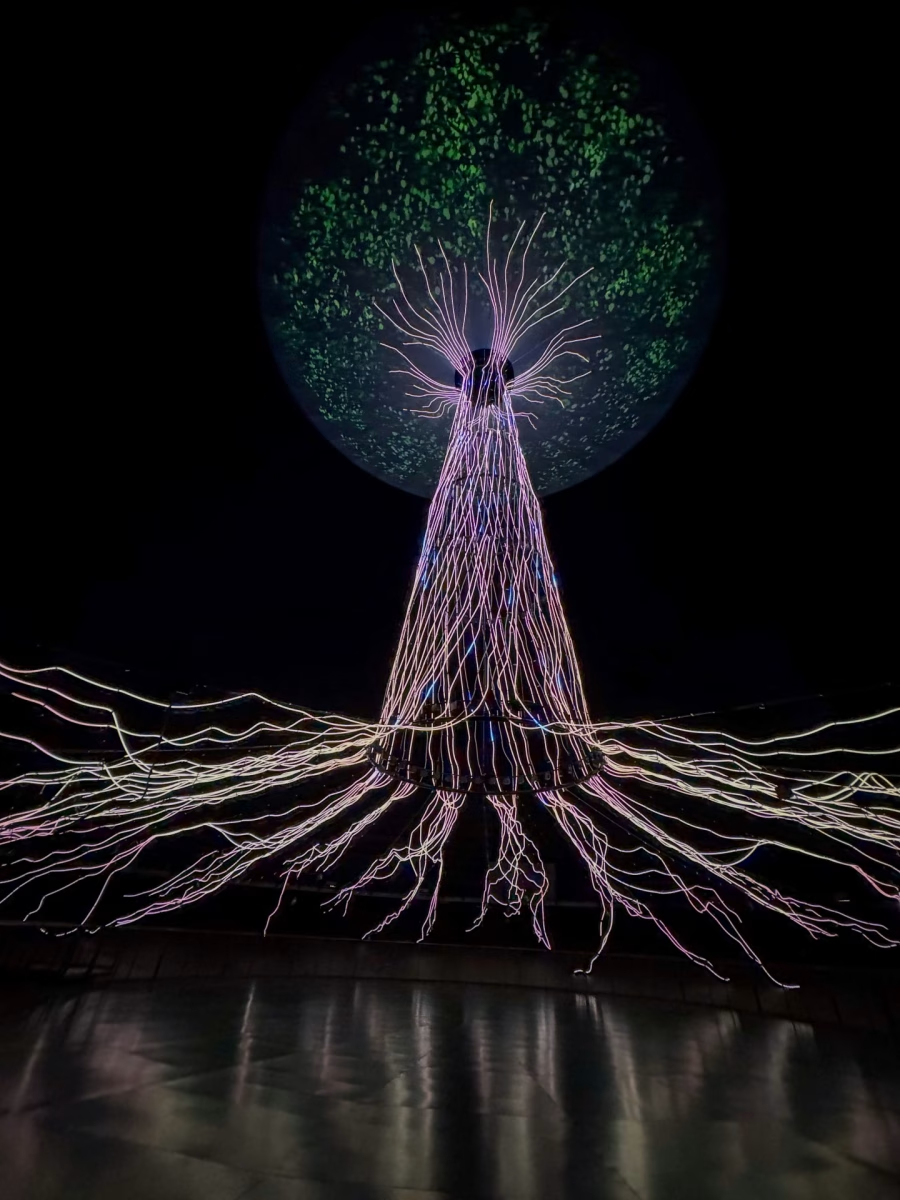
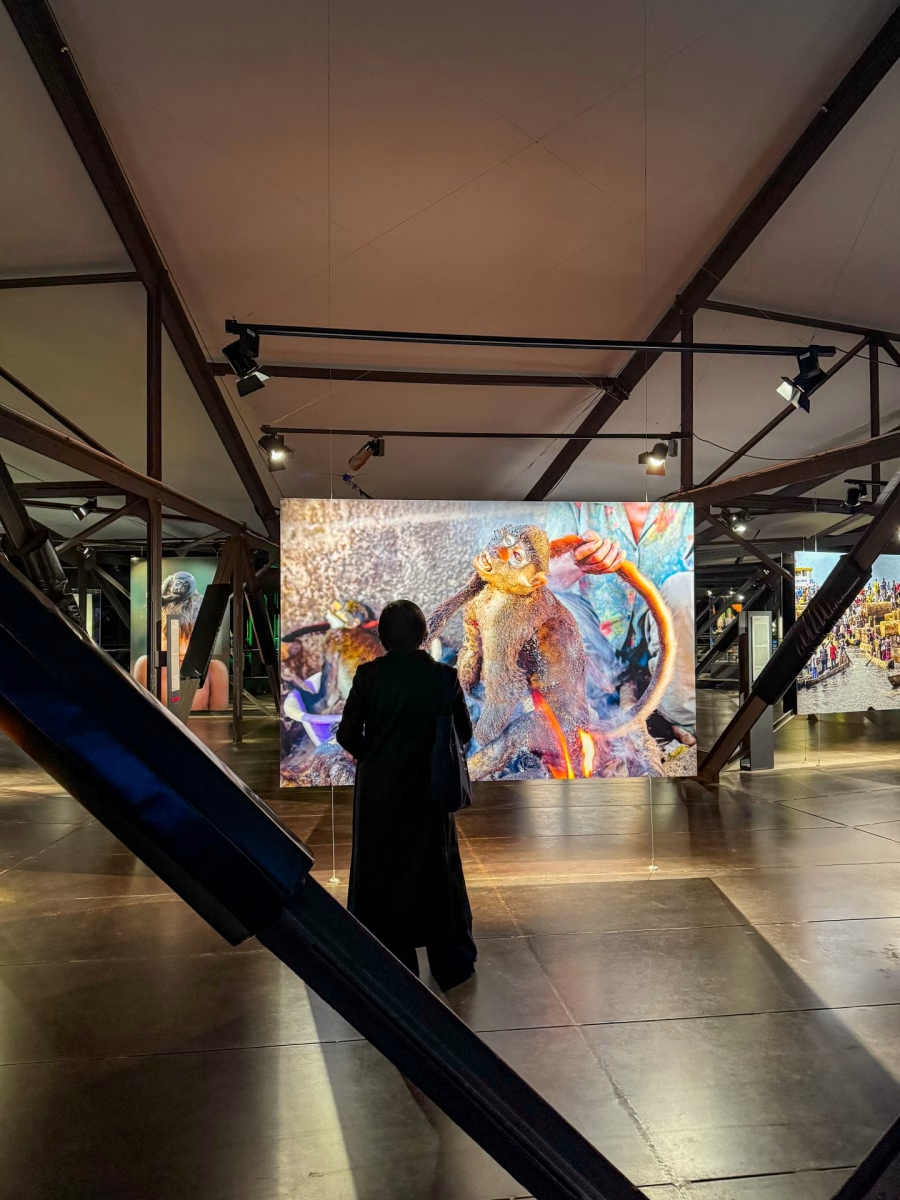
Inside, the current “Forest Worlds” exhibition (lasts until December 30th 2026) completely captivated me. There is also an installation featuring an immense illuminated tree sculpture stretching dramatically into the building’s soaring dome. Standing beneath it felt oddly emotional, almost like entering a futuristic forest temple.
The contrast between the raw industrial shell and the poetic digital art is what makes the experience unforgettable.
After exploring the exhibition, visitors can take a glass lift to the rooftop viewing platform for panoramic views across the Ruhr region. On a clear day, the scenery stretches endlessly across former industrial landscapes now softened by greenery and urban renewal.
5. Keep an Eye on Karls Erlebnis-Dorf Oberhausen
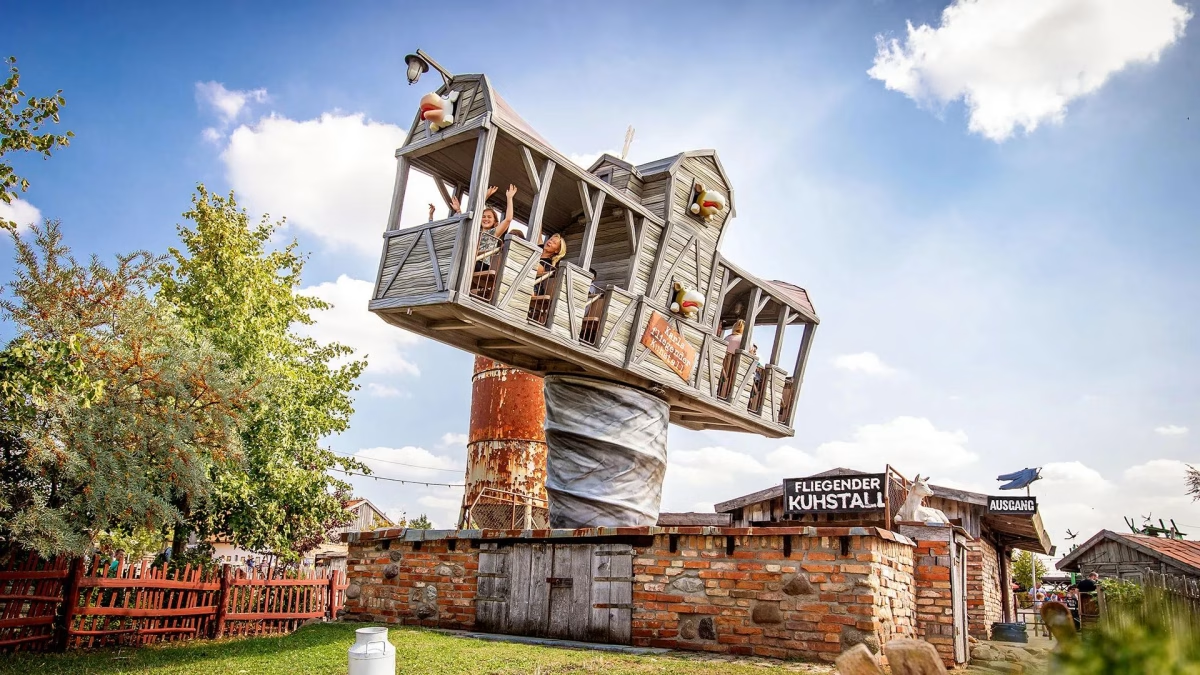
Scheduled to officially open on July 15, 2026, Karls Erlebnis-Dorf may soon become one of Oberhausen’s biggest family attractions.
What began as a humble fruit farm in 1921 has evolved into Germany’s wildly popular strawberry-themed recreational empire. Unlike traditional theme parks, Karls operates on a refreshingly flexible concept. Entry is completely free, while visitors only pay small fees for individual rides or opt for an affordable day pass.
Located next to Westfield Centro, the new Oberhausen branch will feature more than 20 attractions, many centred around quirky farm-inspired entertainment, food and interactive activities.
There is something charmingly wholesome about the entire concept. It feels nostalgic without trying too hard.
6. Live Your Period Drama Fantasy at Villa Hügel
As someone hopelessly obsessed with period dramas, Villa Hügel was easily one of my favourite places in Essen.
Built as the residence of the influential Krupp industrial family, this enormous mansion contains a staggering 399 rooms and overlooks the beautiful Baldeneysee. Calling it a “family home” feels almost absurdly understated.
Everything about the estate reflects power and ambition during Germany’s industrial rise. The villa even had its own dedicated train station, inaugurated by Wilhelm II for his regular visits.
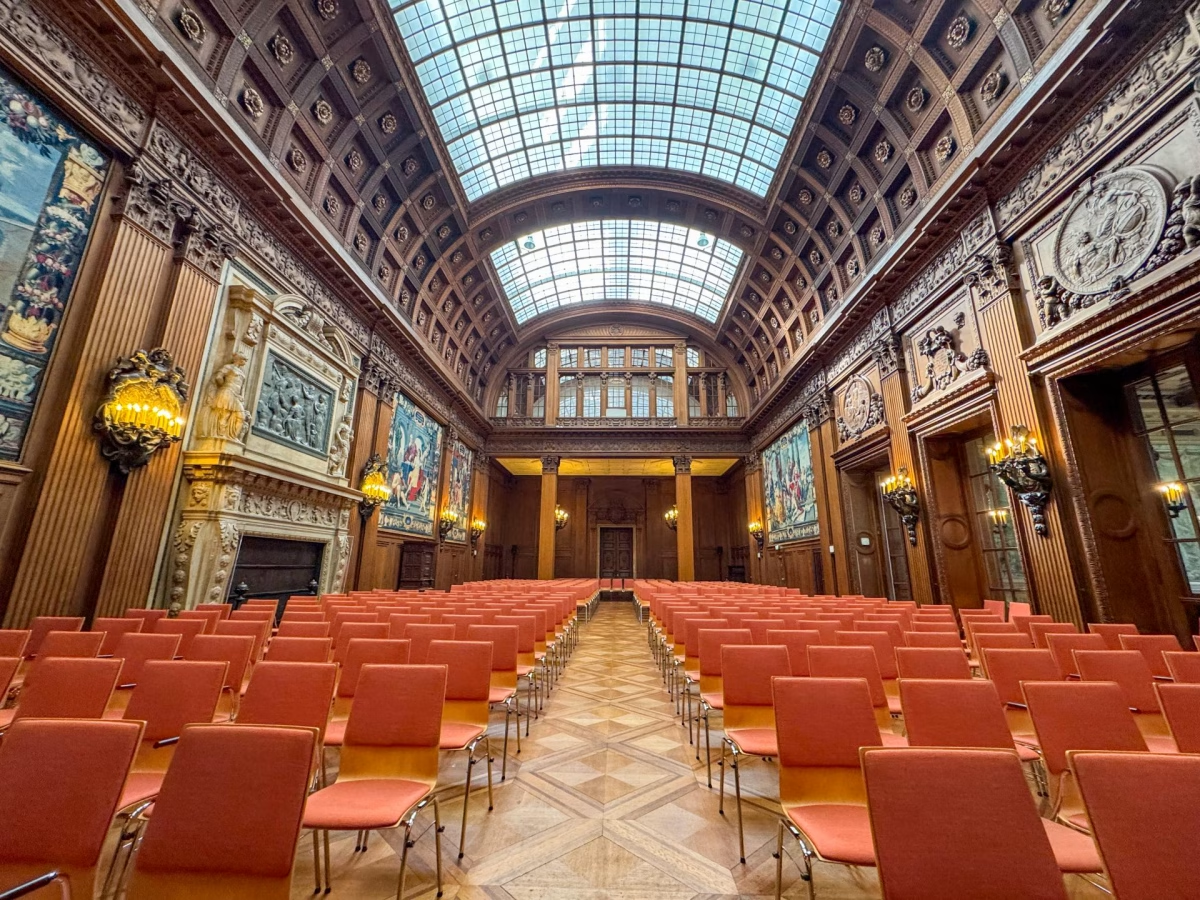
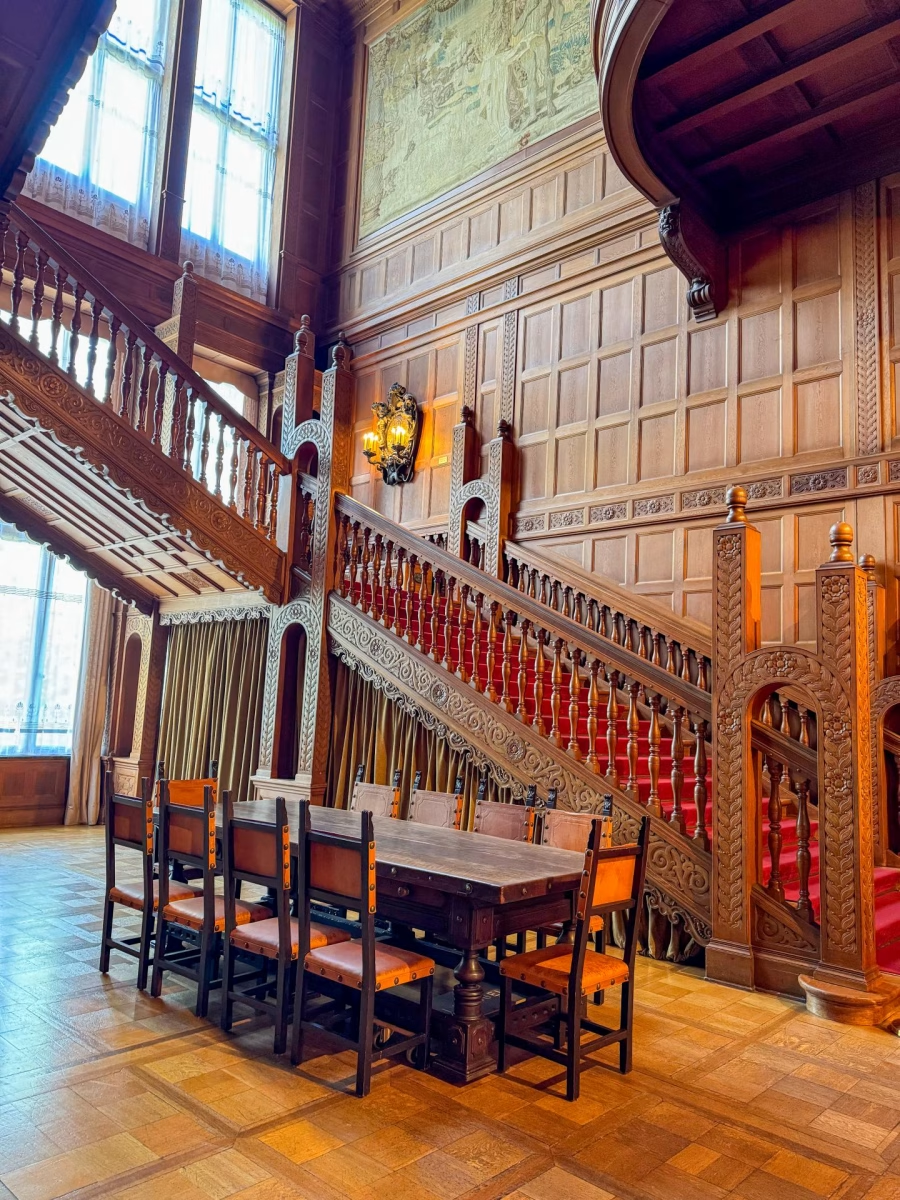
Inside, the mansion reveals an extraordinary blend of luxury and innovation. At a time when many homes still lacked basic conveniences, Villa Hügel already featured central heating, private gas and water works, plus a master clock system synchronising every clock across the Krupp empire.
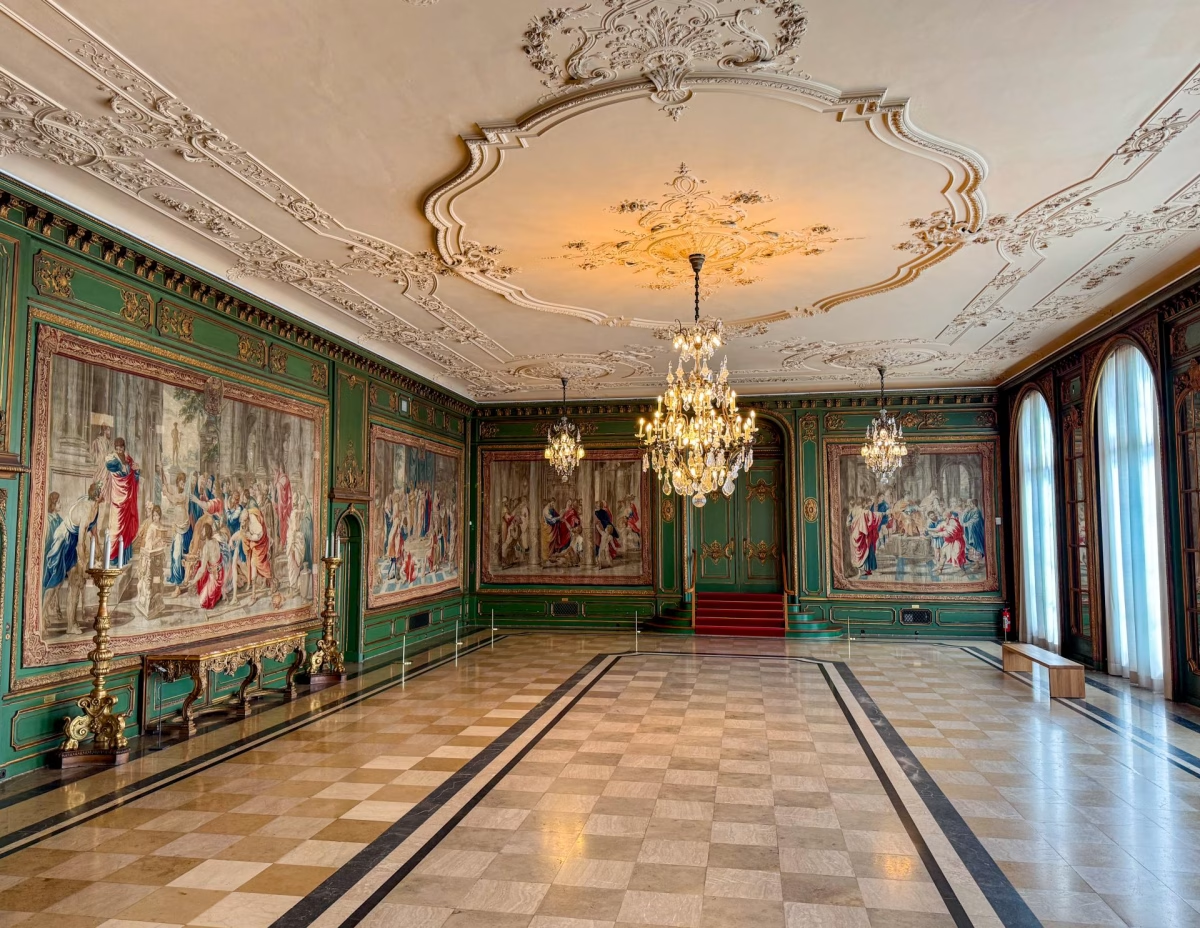
Yet beyond the engineering marvels, the interiors are simply stunning. I was especially mesmerised by the upper-floor ballroom, where dramatic glass roof structures flood the vast hall with natural light. It felt cinematic, elegant and quietly melancholic all at once.
The mansion also houses Germany’s most important privately owned collection of Flemish tapestries, dating back centuries.
7. Explore Industrial Beauty at Zollverein UNESCO World Heritage Site
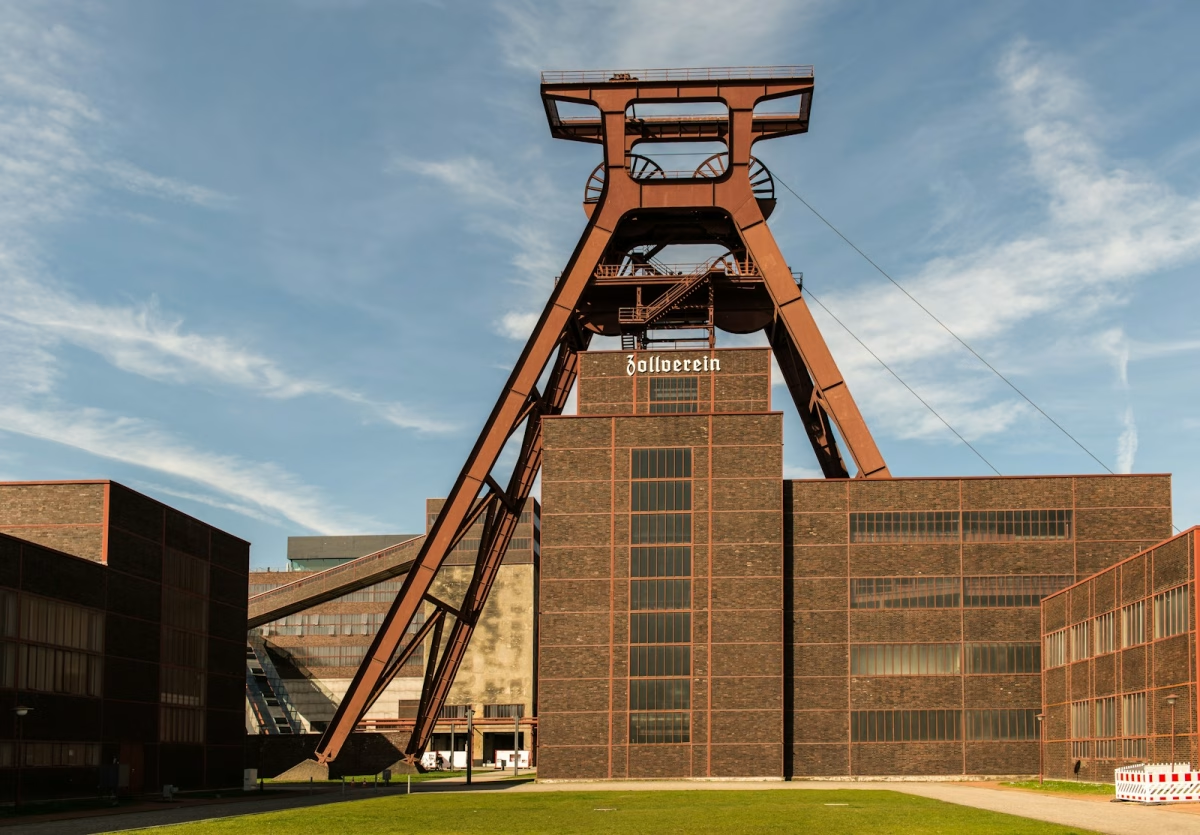
If there is one place that perfectly defines Essen, it is Zollverein.
Declared a UNESCO World Heritage Site in 2001, the former coal mine is widely regarded as one of the most beautiful industrial complexes in the world. And surprisingly, I completely understand why.
The architecture is astonishingly symmetrical, blending Bauhaus-inspired design with towering steel structures that somehow feel both intimidating and elegant. During its peak, Zollverein was the world’s largest coal mine, while its coking plant ranked as the biggest in Europe.
Today, however, the atmosphere feels entirely different.
The former industrial site has evolved into a vibrant cultural destination housing museums, exhibitions, cafés and creative spaces. The old coal washing plant now contains the Ruhr Museum, which traces the fascinating history of the Ruhr region, while the Red Dot Design Museum showcases contemporary design against the backdrop of heavy machinery and steel frameworks.
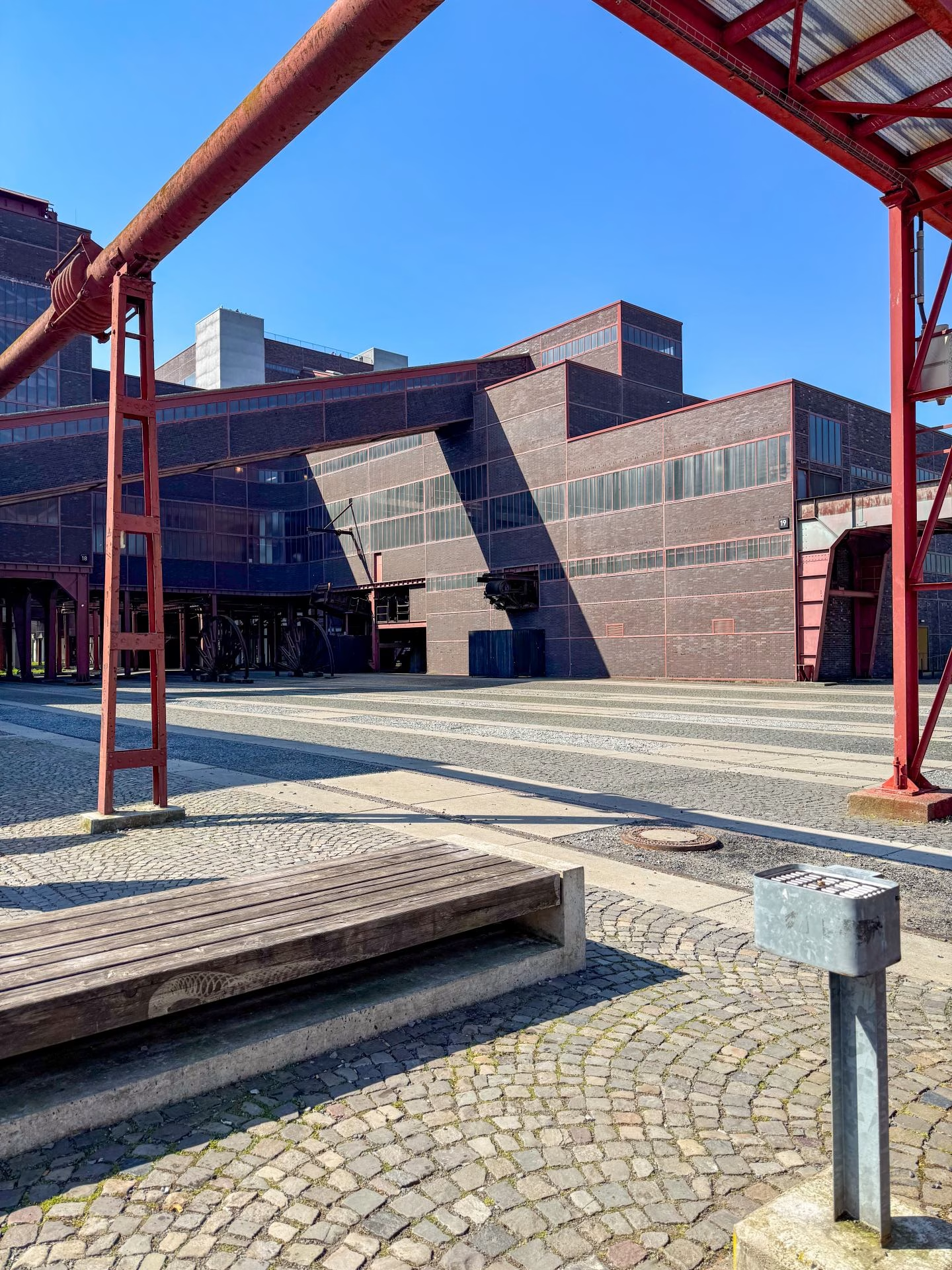
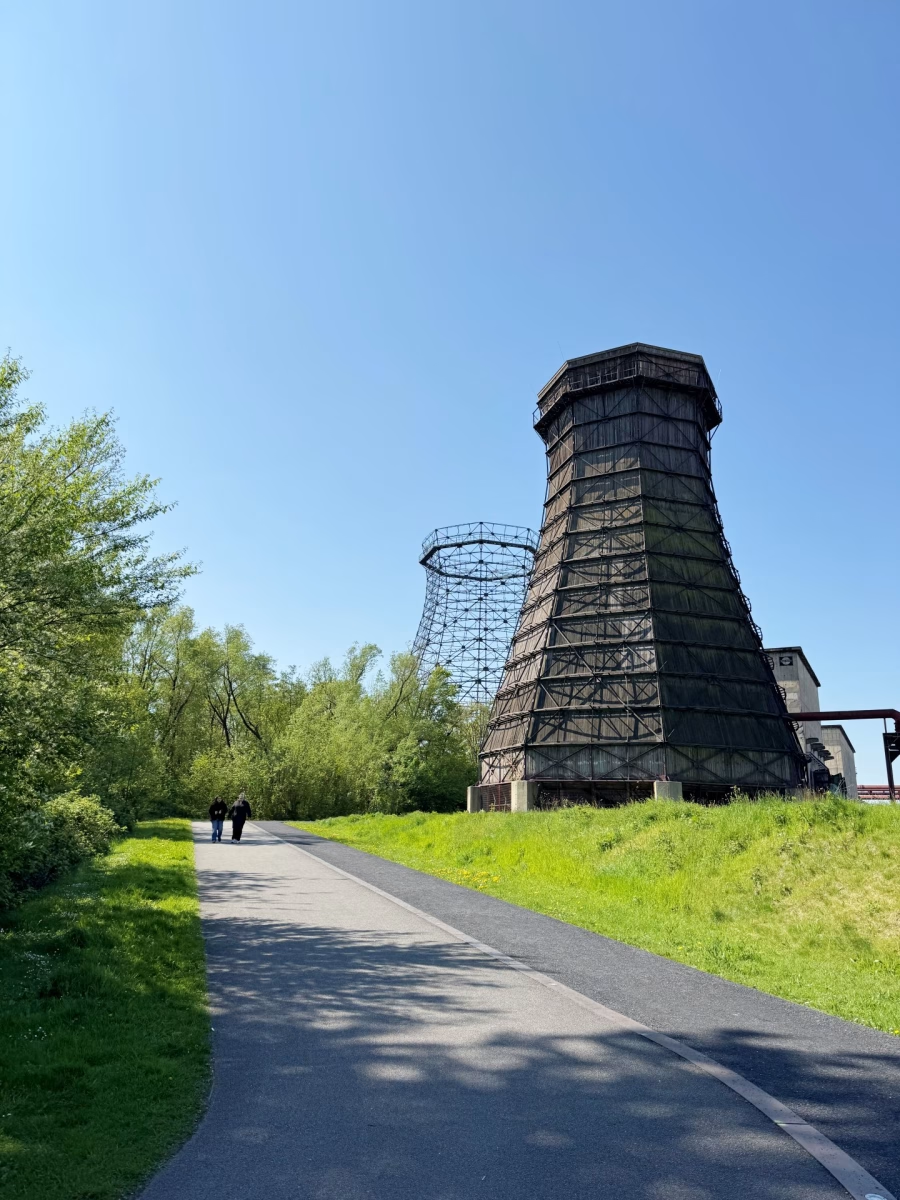
What surprised me most was how green the area has become. Nature has slowly reclaimed much of the surrounding land, creating what locals call an “industrial forest”. Wild plants and rare species now thrive between concrete structures and rusting steel towers, giving the entire complex an unexpectedly serene atmosphere.
It is one of the few places where urban decay feels oddly beautiful.
During winter, the former coking plant transforms again into the ZOLLVEREIN® Ice Rink, where visitors can skate beside enormous industrial ovens. Only in Germany could an old coal plant become this stylish.
Good to Know Before Visiting Germany
Before planning your trip to Oberhausen and Essen, here are a few practical things Southeast Asian travellers should keep in mind:
- Non-EU travellers, including Malaysians, visiting Germany and the Schengen zone for short stays will undergo the new European Entry/Exit System (EES), which digitally records arrivals and departures using biometric data.
- Starting from the final quarter of 2026, visa-exempt travellers to Germany will also require ETIAS travel authorisation before entering many European countries.
- Germany’s autobahn is famous for unrestricted speed zones, but running out of petrol on the highway is illegal, so always keep your tank reasonably full.
- Sundays are taken seriously as rest days. Most shops, supermarkets and malls close entirely.
- Many supermarkets shut by 8pm, even in larger cities.
- Public transport is excellent, but there are often no ticket barriers. Remember to validate your train ticket before boarding to avoid hefty fines.
- Muslim-friendly dining is becoming increasingly accessible across Germany, including halal eateries and vegetarian-friendly restaurants. More information can be found via Germany’s official halal travel guide.
For travellers seeking a different side of Germany, Oberhausen and Essen offer something genuinely refreshing. They are proof that industrial cities do not have to feel cold or grey. Instead, they can evolve into destinations filled with creativity, culture, history and unexpected beauty.
About The Author


Officially a Deputy Editor with over 10 years in travel media. Unofficially? A professional suitcase overpacker with a knack for turning chance encounters and itineraries into vivid, story-driven features. When not fine-tuning articles, she's likely front row at a concert, taste-testing something spicy, or deep in a conversation that veered wonderfully off-topic.

Leave a Reply