
Women at the Heart of Change: When Community Leads Ecotourism
As travellers across Southeast Asia increasingly look beyond traditional tourist hotspots, community-based tourism is emerging as one of the region’s most meaningful travel trends. Instead of passive sightseeing, visitors are seeking destinations where their travel experience directly supports local livelihoods, protects natural environments and preserves cultural identity.
This shift is also gaining momentum in Malaysia, where the ecotourism industry is projected to reach around USD 2.6 million by 2034, supported by strong biodiversity and national initiatives such as the National Ecotourism Plan. Women-led homestays and conservation initiatives across Sabah and Sarawak are increasingly shaping community-based travel experiences.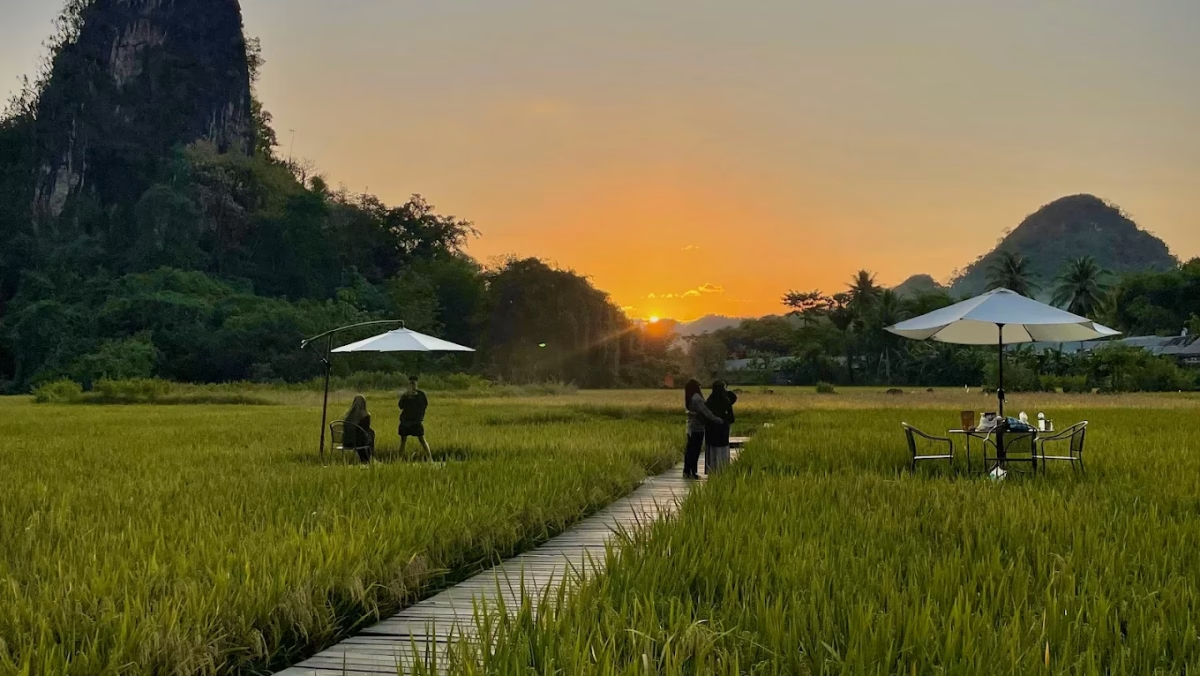
Across the Asia-Pacific region, women play a significant role in this transformation, making up approximately 52% of the tourism workforce globally. However, many remain concentrated in lower-paid or less secure roles, making women-led community initiatives particularly important in creating more inclusive and resilient tourism economies.
ADVERTISEMENTS

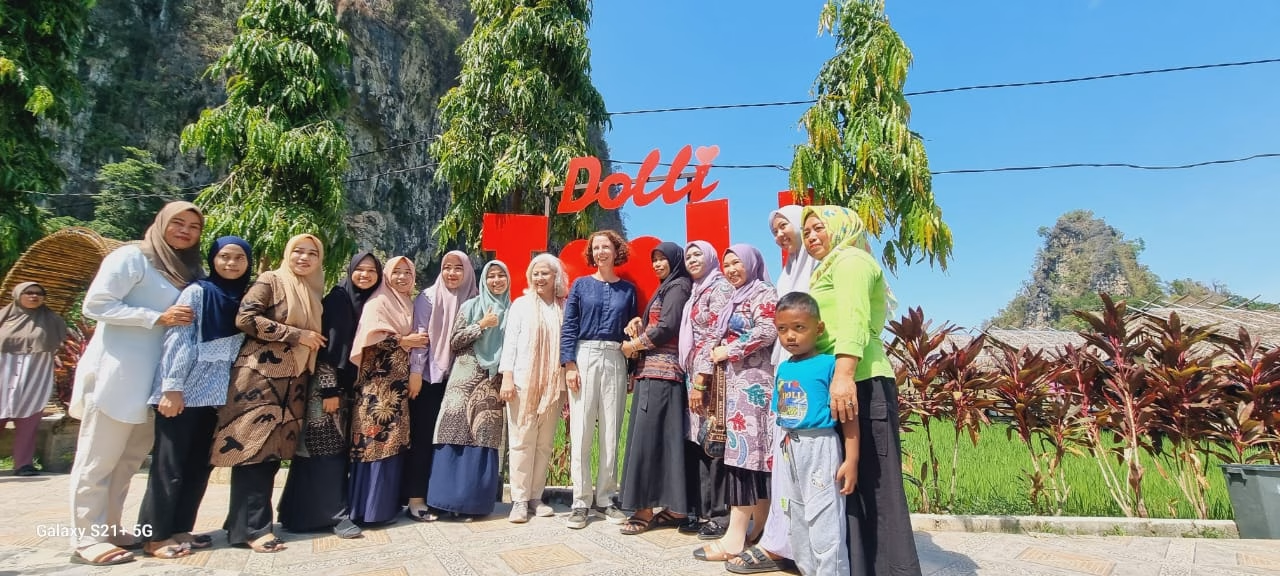
It is within this broader regional context that Tukamasea Village in South Sulawesi, Indonesia, offers a compelling example of how community action, women’s leadership and tourism development can intersect to build what residents describe as a restorative economy.
At the heart of this transformation is the Budget Reading Group (KBA), a grassroots community collective formed to strengthen citizen participation in village planning and governance. Of its 15 members, 13 are women.
Building a Restorative Economy from Environmental Challenges
The journey began after severe flooding in 2024 damaged 82 hectares of farmland and disrupted livelihoods throughout the village. Residents witnessed firsthand how environmental degradation and shrinking water catchment areas could directly affect community well-being and local incomes.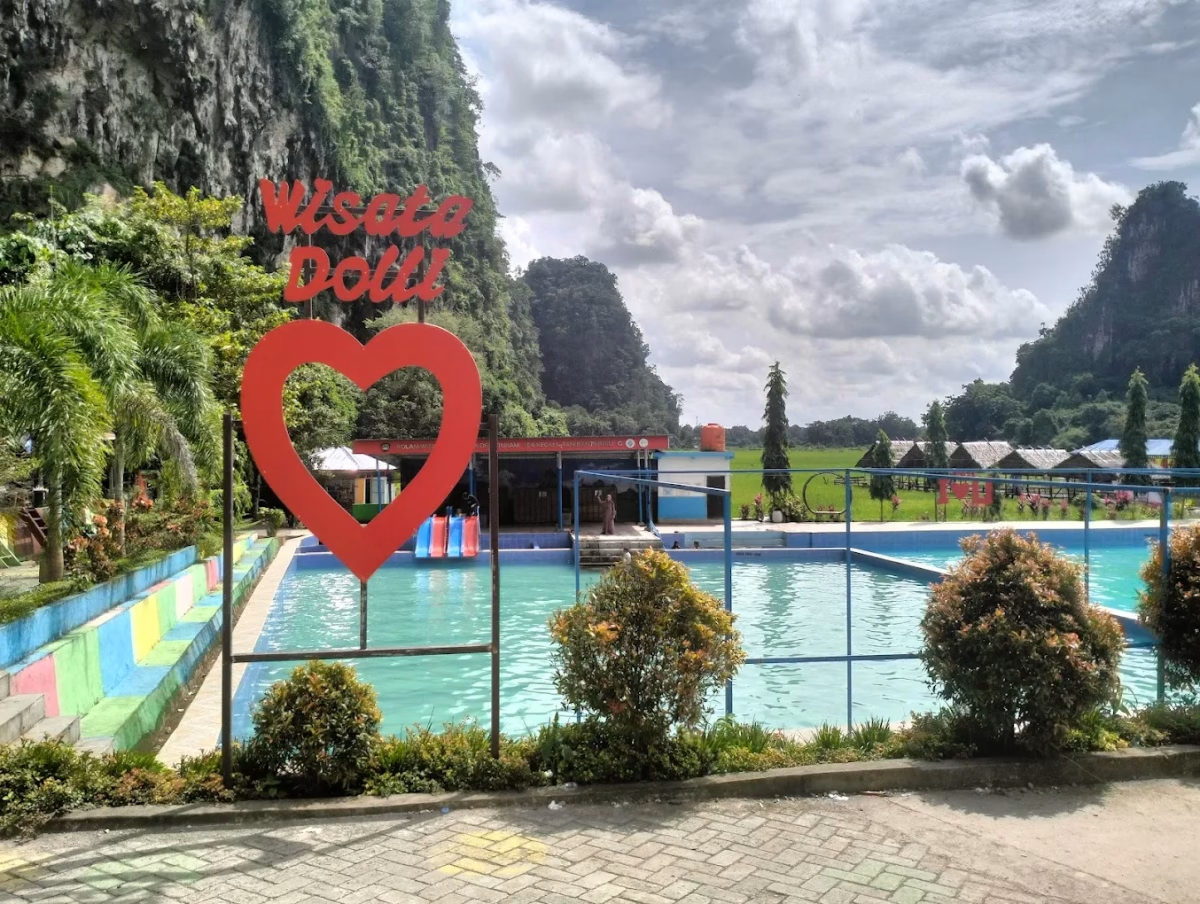
Rather than treating the floods as a one-off disaster, residents began examining the underlying causes and exploring ways to strengthen both environmental resilience and economic opportunities. Through a grassroots community group known as the Budget Reading Group (KBA), residents began engaging more actively in local development planning, environmental initiatives and resource allocation discussions. Women form the overwhelming majority of KBA’s leadership, shaping how the group approaches both governance and environmental action.
“Through KBA, we learned that the village budget does not belong to a few people, but to everyone, including for guarding the environment and the future of the village,” said Sirawarti Ona Lewenussa (known as Ona), member of KBA in Tukamasea Village.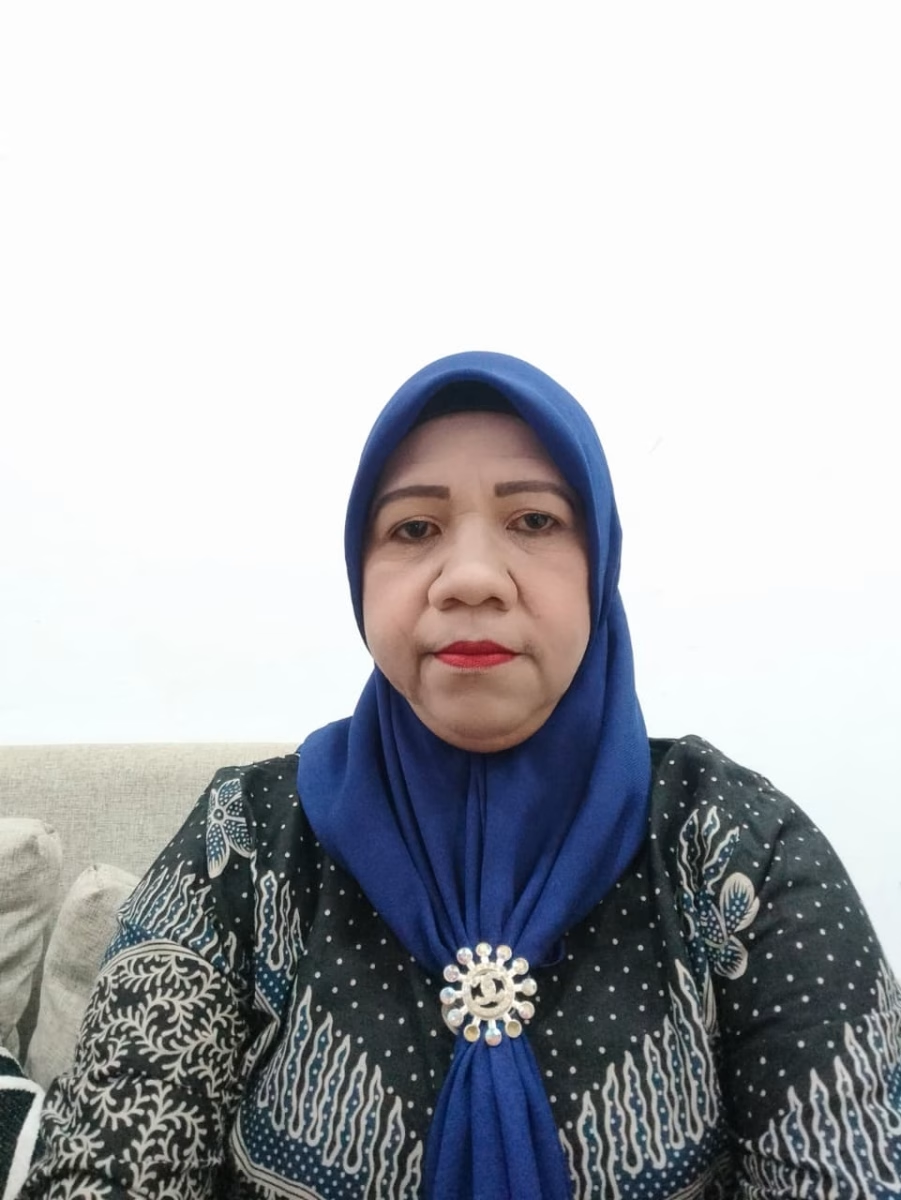
The group regularly gathers community feedback, identifies local priorities and advocates on village budgets that support both social well-being and environmental protection.
Women-Led Environmental Action Through Village Budget Advocacy
Beyond governance participation, KBA members have actively championed environmental restoration efforts.
Following the floods, residents proposed initiatives including tree planting, river rehabilitation and restoration of degraded land. This advocacy has translated into tangible investments, with the village allocating 110 million IDR for tourism infrastructure in 2022, followed by 139.6 million IDR in 2023 and 138.5 million IDR in 2024, supporting tourism growth while safeguarding local ecosystems.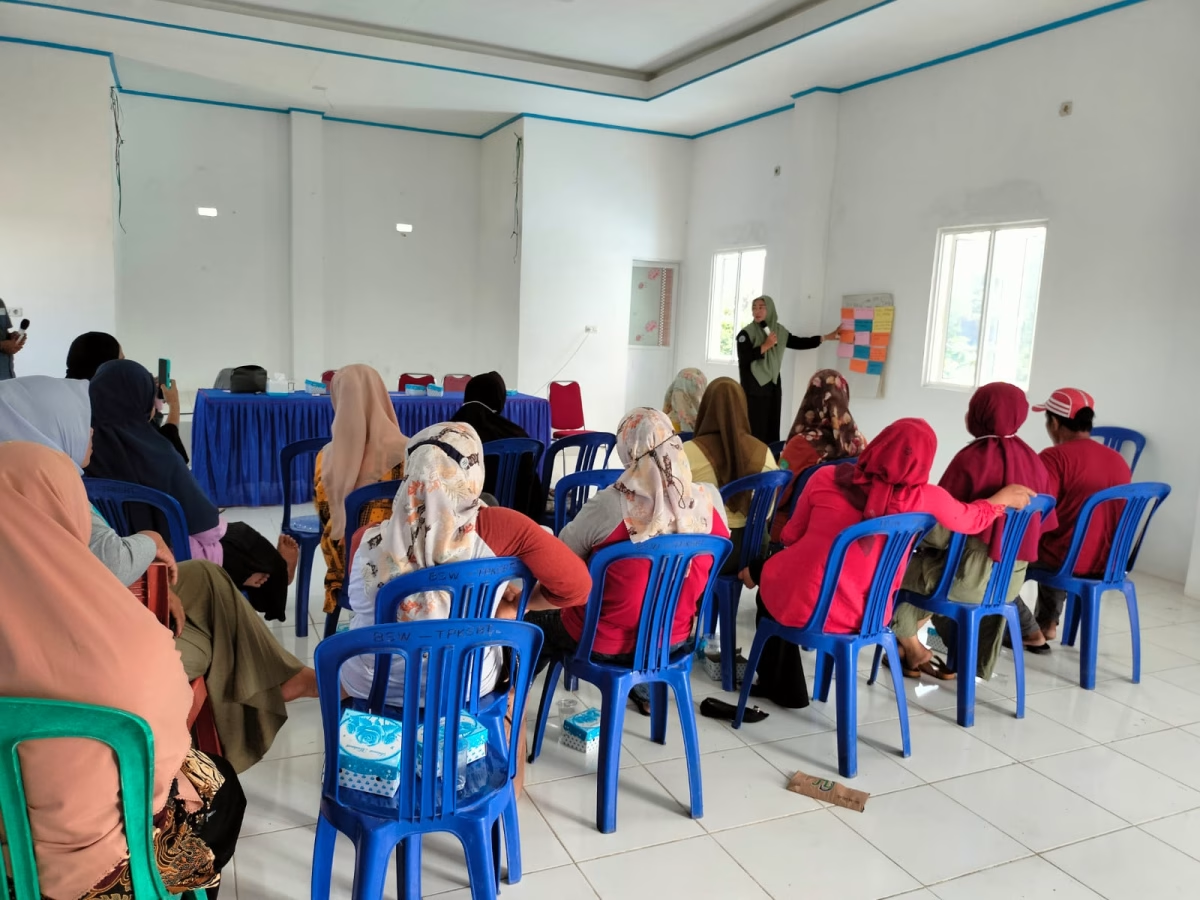
These efforts were supported through capacity-building programmes facilitated by PINUS South Sulawesi, a civil society organisation focused on sustainable development and environmental governance, which equipped residents with the skills to navigate the RPJMDes, understand long-term development strategies, and design ecology-based programs.
The training introduced residents to Ecological-Based District Budget Transfers (TAKE), a performance-based funding mechanism tied to environmental outcomes. As a result, the village government adopted greater transparency, publicly disclosed the Village Budget (APBDes), and adjusted spending priorities to better support women, vulnerable groups, and sustainable development.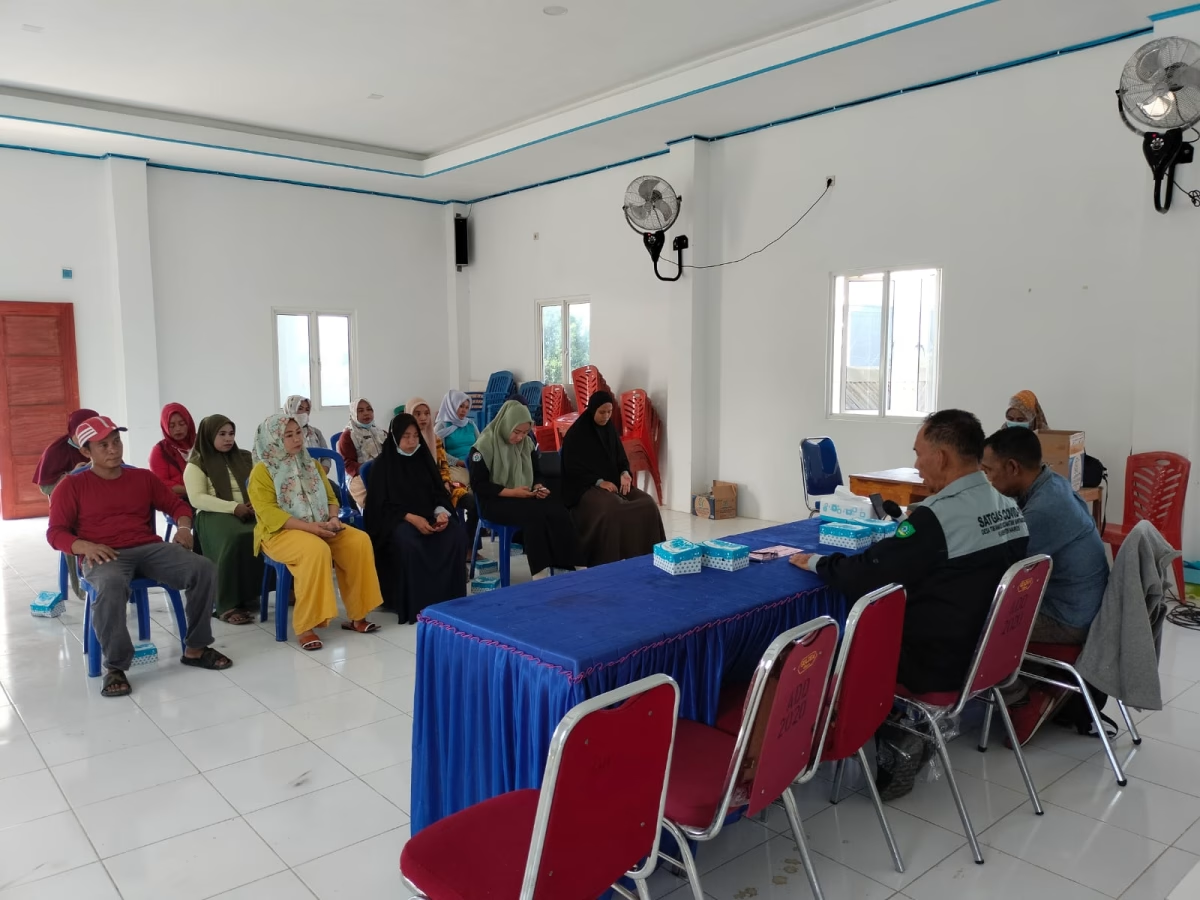
According to Rizky Awalita, Project Officer at PINUS South Sulawesi, environmental awareness is just as important as technical training.
“This mentorship is not just about teaching technical skills,” she said, “but about helping communities see the village budget as a shared tool to address social, environmental and economic needs.”
Tourism, Youth Education and Shared Welfare from Restoring Nature
One of the most visible outcomes of this approach has been the development of community-based tourism.
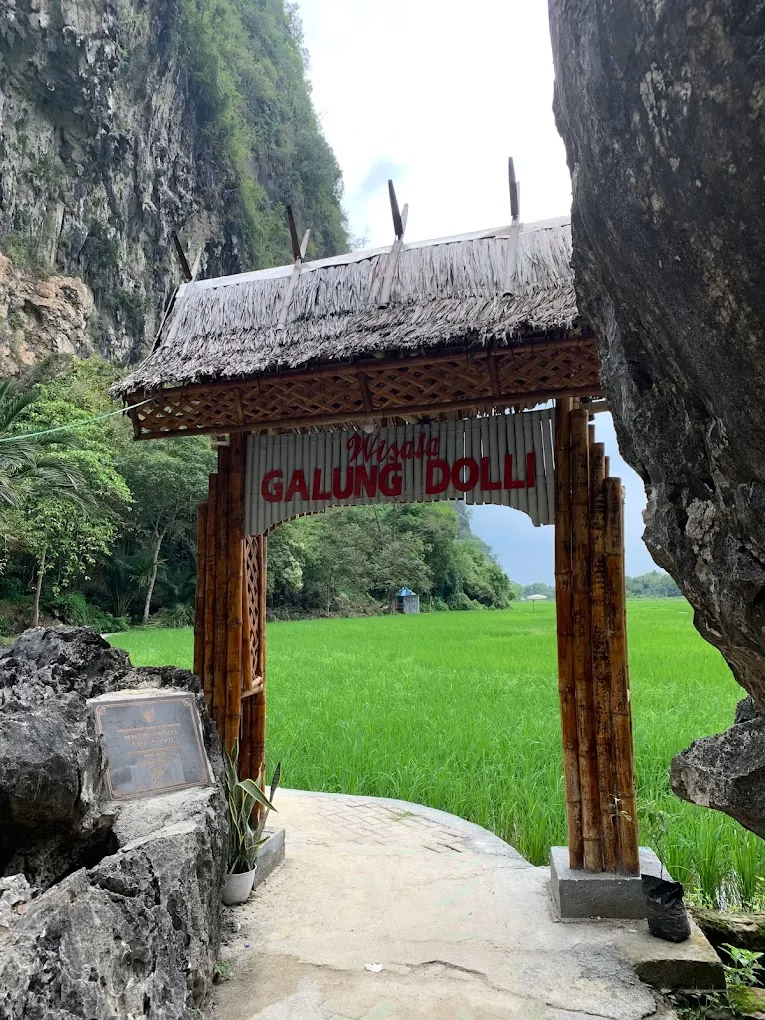
Residents had long advocated for better utilisation of local tourism assets. Over time, village funding was directed towards developing Dolli Tourism, a locally managed destination that now generates income for both the village and surrounding residents.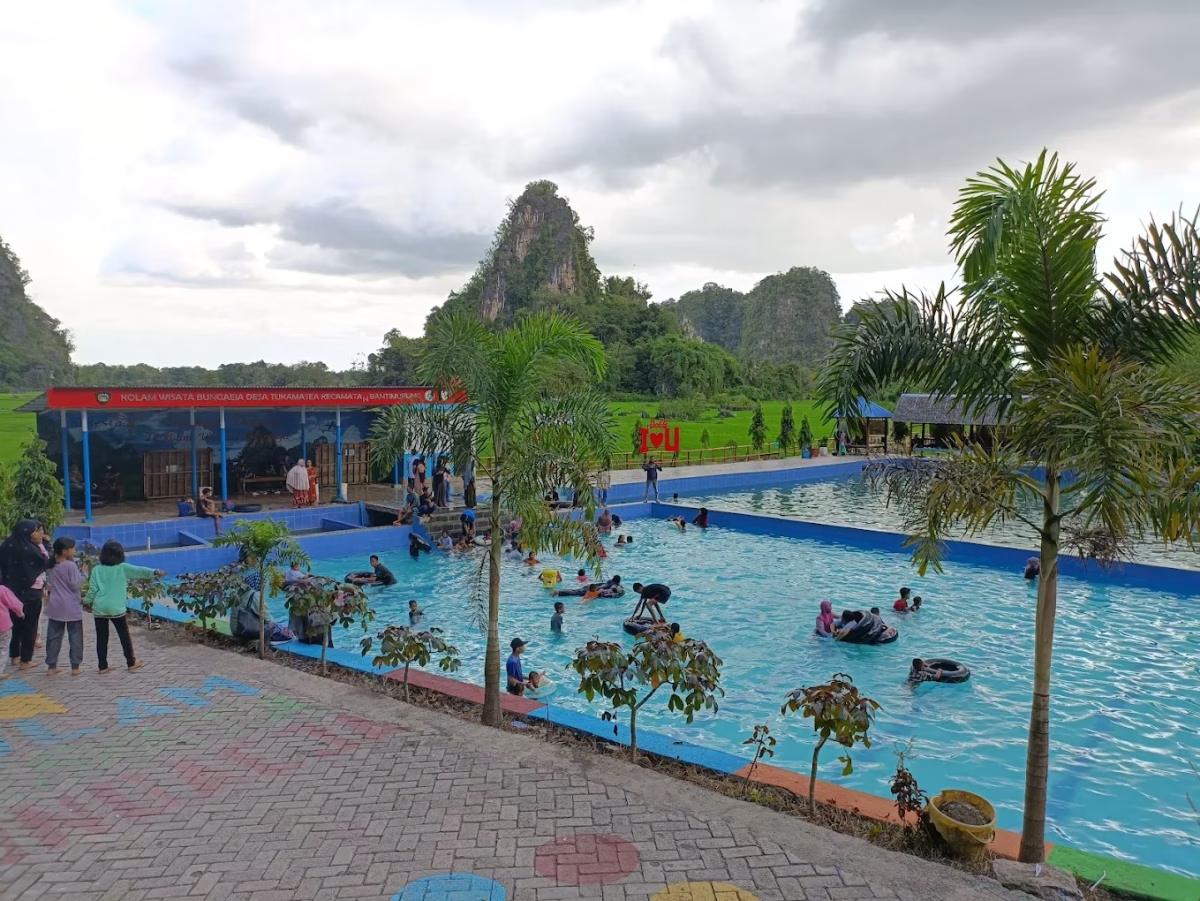
One of the clearest outcomes of KBA’s oversight is the growth of Dolli Tourism, which began with 500 million IDR in village funding and has since attracted nearly 1 billion IDR in total investment. From 2021 to 2025, the destination generated more than 1 billion IDR in gross revenue and delivered annual net returns of 60 to 65 million IDR to the village. Managed jointly by the Village-Owned Enterprise (BUMDes) and the Tourism Awareness Group (Pokdarwis), the initiative channels around 60% tourism revenue back into local livelihoods and community development.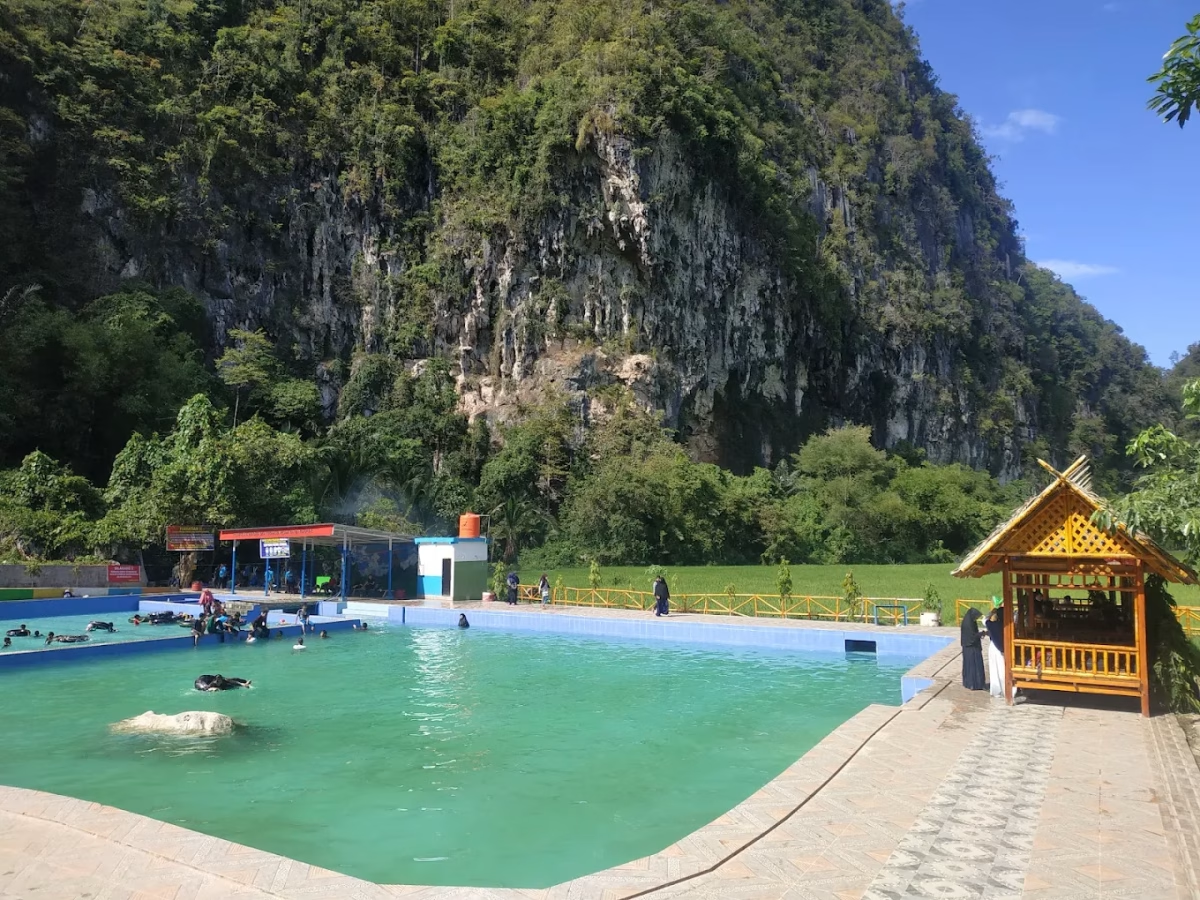
The economic impact extends well beyond tourism operations. The site directly employs 17 residents and supports around 20 women-led MSMEs operating nearby. Tourism revenues have also funded scholarships for 240 underprivileged students, from elementary school to university, between 2021 and 2024. It has become a successful restorative economy example as the foundation of the village.
For community members, the experience has reinforced an important lesson: protecting nature and improving livelihoods do not have to be competing priorities.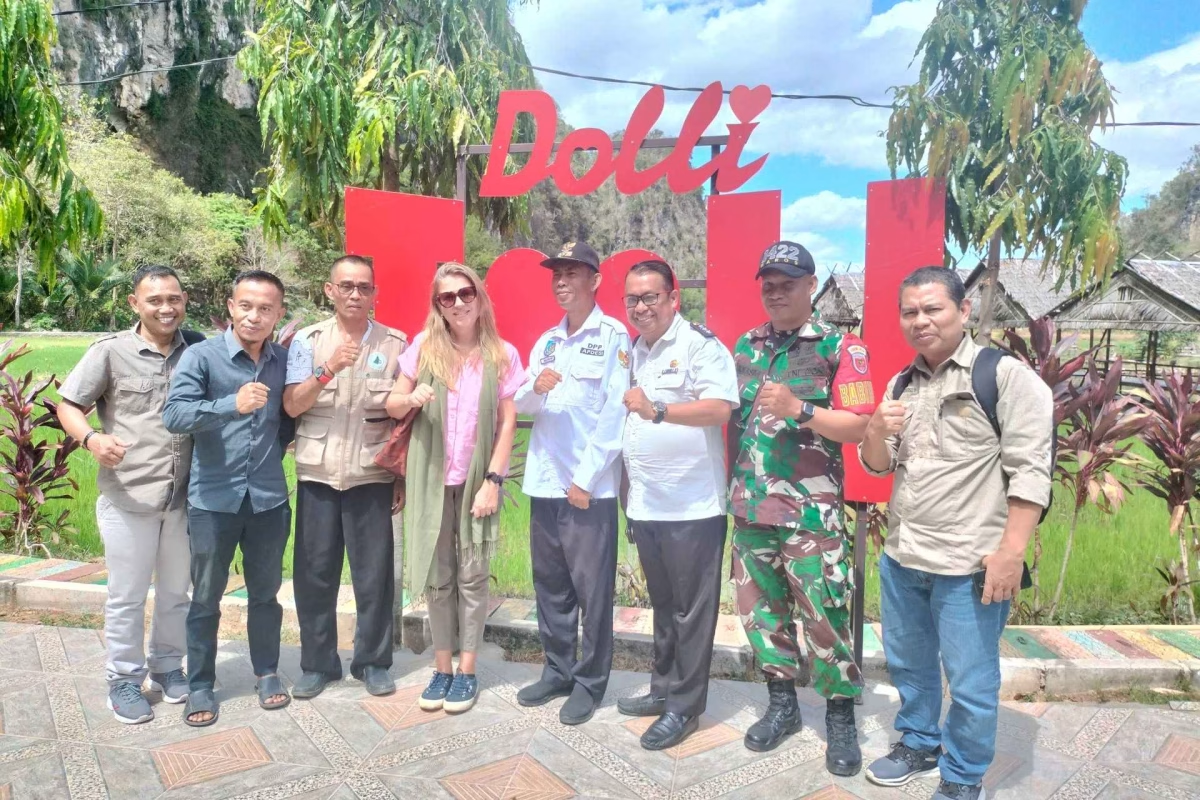
As Malaysia and other Southeast Asian nations continue exploring pathways towards more sustainable development, Tukamasea’s experience offers a reminder that local communities, particularly women, can play a powerful role in shaping solutions.
On World Environment Day, this experience teaches us that through environmental restoration, community participation and sustainable tourism, the village is demonstrating how a restorative economy can generate benefits for people, nature and future generations alike.
About The Author




Leave a Reply